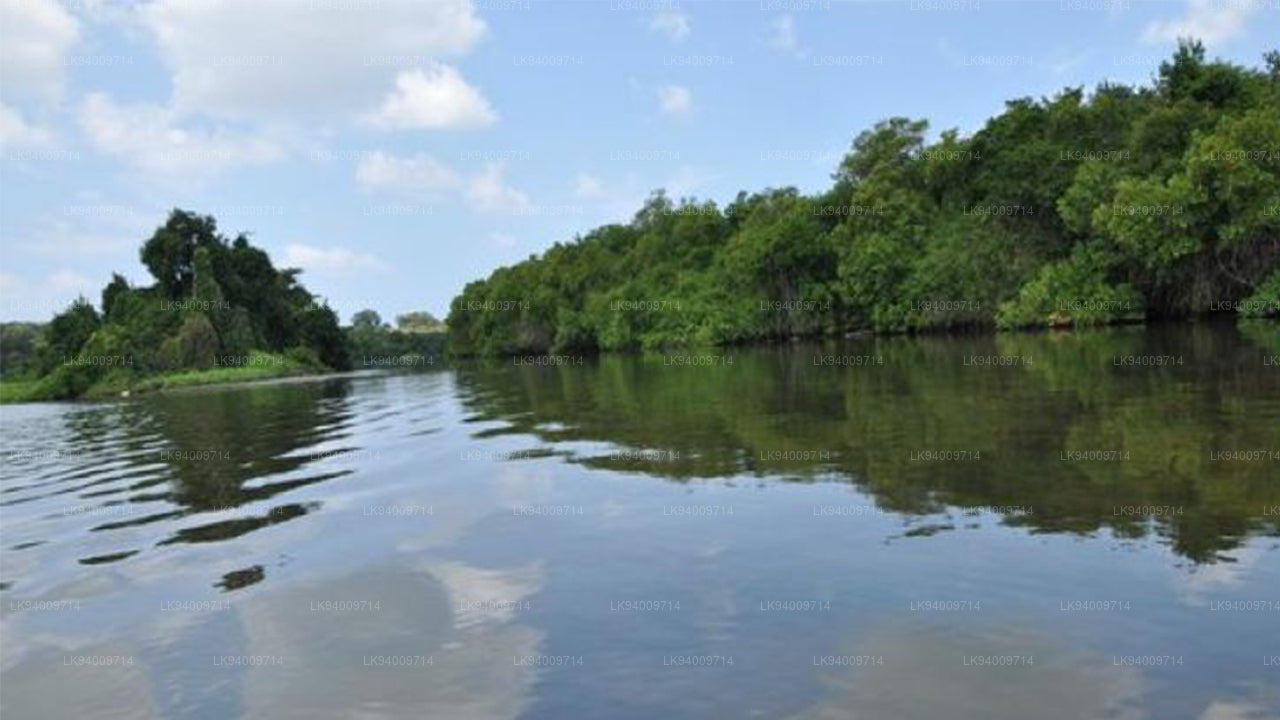
데두루 오야


데두루 오야는 스리랑카의 북서부를 흐르는 중요한 강으로, 중앙 고원에서 시작하여 농업 지역을 가로질러 플탈람 호수로 흘러갑니다. 이 강은 건조 지역을 통과하며, 농업, 관개 및 지역 사회에 필수적인 물을 제공합니다. 습지와 비옥한 평야를 포함한 자연의 아름다움은 지역의 풍경을 더욱 풍성하게 만들어 환경적 및 경제적 자원으로 중요한 역할을 합니다.
수세기 동안 데두루 오야는 플탈람과 쿠루네갈라와 같은 지역에서 강가의 농촌 공동체를 지원해왔습니다. 이 강은 쌀 재배, 채소 농사, 가축 사육에 매우 중요합니다. 이 강에서 공급되는 여러 개의 관개 수로와 저수지는 연중 농업 생산을 가능하게 하여 북서부를 주요 식량 생산 지역으로 변모시켰습니다. 또한 이 강은 가정용수, 어업 및 소규모 산업의 물 공급원으로도 활용됩니다.
생태적으로 데두루 오야는 다양한 서식지를 지원하며, 습지와 늪지대는 여러 종류의 조류, 물고기 및 수생 생물의 서식지입니다. 플탈람 근처의 강의 하구는 맹그로브 숲, 염수 습지, 해안 습지를 지원하여 지역 생태계에 기여합니다. 이러한 지역은 생물 다양성에 매우 중요하며, 철새들의 피난처 역할도 합니다. 데두루 오야의 이러한 생태계를 유지하는 역할은 지역의 자연 관광 및 환경 보호 활동에 중요한 자원입니다.
문화적으로 데두루 오야는 이 지역 사람들의 삶과 밀접하게 연결되어 있습니다. 많은 농촌 공동체는 농업과 일상 생활에 이 물을 사용하며, 이 강은 그들의 삶에서 중요한 부분을 차지합니다. 또한 이 강은 소금 생산, 어업, 교통 등 지역 산업을 지원한 오랜 역사를 가지고 있습니다. 오늘날에도 데두루 오야는 북서부 사람들에게 회복력의 상징으로, 농촌 경제와 문화적 전통을 지속적으로 지원하고 있습니다.
홍수 위험 및 수문학적 중요성
데두루 오야는 농업과 물 공급에 중요하지만, 강수량이 많을 때 홍수 위험에도 노출됩니다. 이 강의 수문학적 행동을 이해하는 것은 특히 농업과 정착지가 계절적인 홍수에 취약한 북서부 지역에서 홍수 관리에 매우 중요합니다.
- 현재 수문학적 측정값 (공식 보고서):
모라가스웨와 측정소 – 경고 수준: 4.75m, 경미한 홍수 수준: 6.00m, 주요 홍수 수준: 7.00m, 현재 수준: 해당 없음 (측정 안 됨) - 홍수 위험 지역: 쿠루네갈라와 플탈람 지역의 저지대는 강이 정상 흐름을 초과할 때 홍수 위험에 처할 수 있습니다. 특히 남서 계절풍 기간 동안 홍수 위험이 높아집니다.
- 유역 민감도: 이 강의 상류 유역은 중앙 고원에서 비가 내리면 급격한 물 흐름을 일으켜 하류 지역의 홍수 위험을 증가시킵니다.
- 농업에 미치는 영향: 데두루 오야의 범람은 관개 수로를 방해하고 농지에 홍수를 일으켜 작물에 피해를 주며 농촌 공동체에 영향을 미칩니다.
- 해안 지역의 배수 지연: 강이 플탈람에 도달하면 흐름이 느려져 농지와 해안 습지에서 물 빠짐이 지연됩니다.
- 모니터링의 중요성: 홍수 위험을 예측하고 플탈람과 쿠루네갈라와 같은 홍수가 자주 발생하는 지역에서 이를 관리하려면 지속적인 수문학적 측정이 중요합니다.
- 계절적인 강수 위험: 이 강의 홍수 위험은 강수량이 급격히 증가할 때, 특히 몬순 시즌 중에 가장 높습니다.
데두루 오야는 여전히 북서부 사람들과 생태계에 매우 중요한 자원입니다. 향후 홍수 위험을 완화하고 지역 농업과 공동체를 보호하려면 정확한 수문학적 모니터링과 홍수 대비 전략을 유지하는 것이 필수적입니다.


-
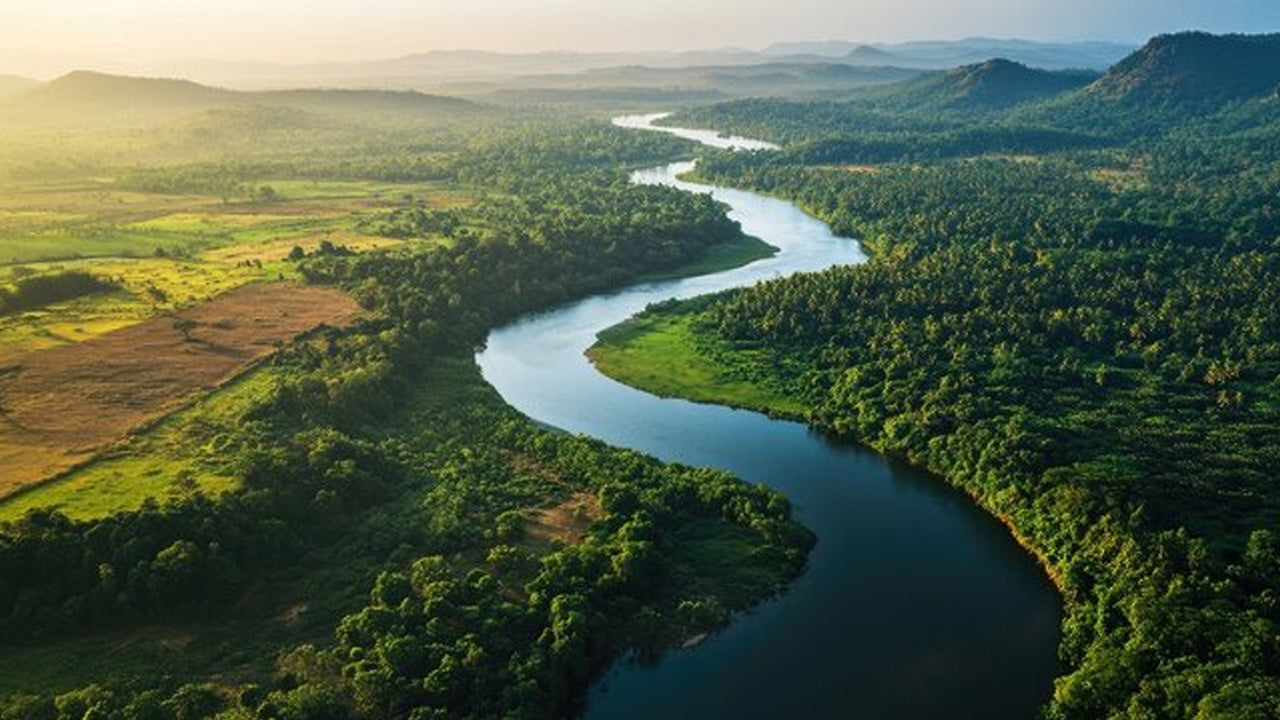 Mahaweli River
Explore the majestic Mahaweli River, Sri Lanka’s longest river, offering serene boat rides and opportunities for birdwatching and nature adventures along its winding course through scenic valleys.
-
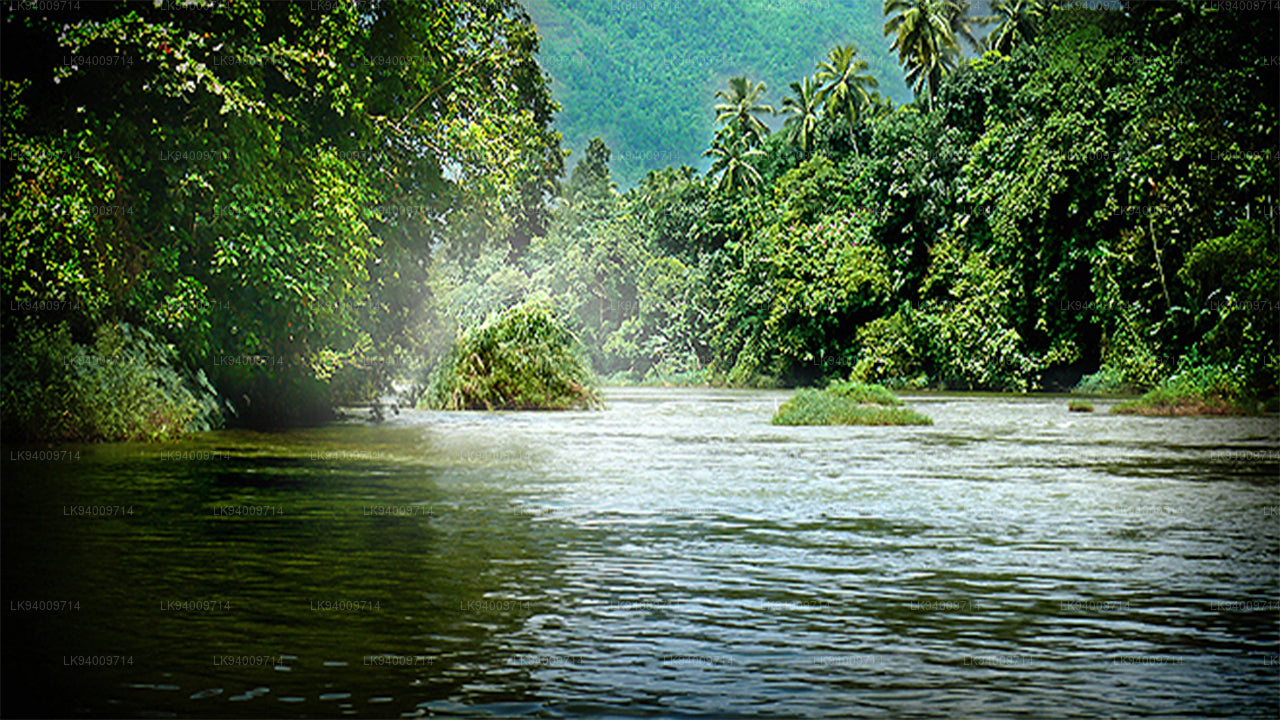 Kelani River
The Kelani River is a 145-kilometre-long (90 mi) river in Sri Lanka. It flows through or borders the Sri Lankan districts of Nuwara Eliya, Ratnapura, Kegalle, Gampaha and Colombo.
-
 Kalu Ganga
Kalu Ganga is a river in Sri Lanka. Measuring 129 km (80 mi) in length. The mountainous forests in the Province and the Sinharaja Forest Reserve are the main sources of water for the river.
-
 Walawe River
The southern region of Sri Lanka is exalted by a bushel of enthralling and glorified rivers and the Walawe River is one of them. Gently flowing through the Udawalawe National Park, the Walawe River provides water for a multitude of species of mesmerising fauna.
-
 Deduru Oya
The Deduru Oya Dam is an embankment dam built across the Deduru River in Kurunegala District of Sri Lanka. Built in 2014, the primary purpose of the dam is to retain approximately a billion cubic metres of water for irrigation purposes, which would otherwise flow out to sea.
-
 Malwathu Oya
The Malvathu River long river in Sri Lanka, connecting the city of Anuradhapura, which was the capital of the country for over 15 centuries, to the coast of Mannar. It currently ranks as the second longest river in the country, with a great historic significance.
-
 Kala Oya
It was around these ancient tank (water storage reservoir) irrigation systems that the economy and human settlements of early Sri Lankan society were organised into a “hydraulic civilization”.
-
 Gal Oya
Discover Gal Oya, a tranquil sanctuary in Sri Lanka, known for its lush landscapes, rich wildlife, and serene boat safaris, offering a peaceful retreat surrounded by nature and wildlife.
-
 Gin Ganga
The Gin Ganga, is a 115.9 km (72 mi) long river situated in Galle District of Sri Lanka. The river's headwaters are located near Deniyaya, bordering the Sinharaja Forest Reserve.
-
 Kirindi Oya
Experience the serene beauty of Kirindi Oya, a tranquil river in Sri Lanka. Enjoy scenic boat rides, lush landscapes, and opportunities for birdwatching, offering a peaceful escape into nature.
-
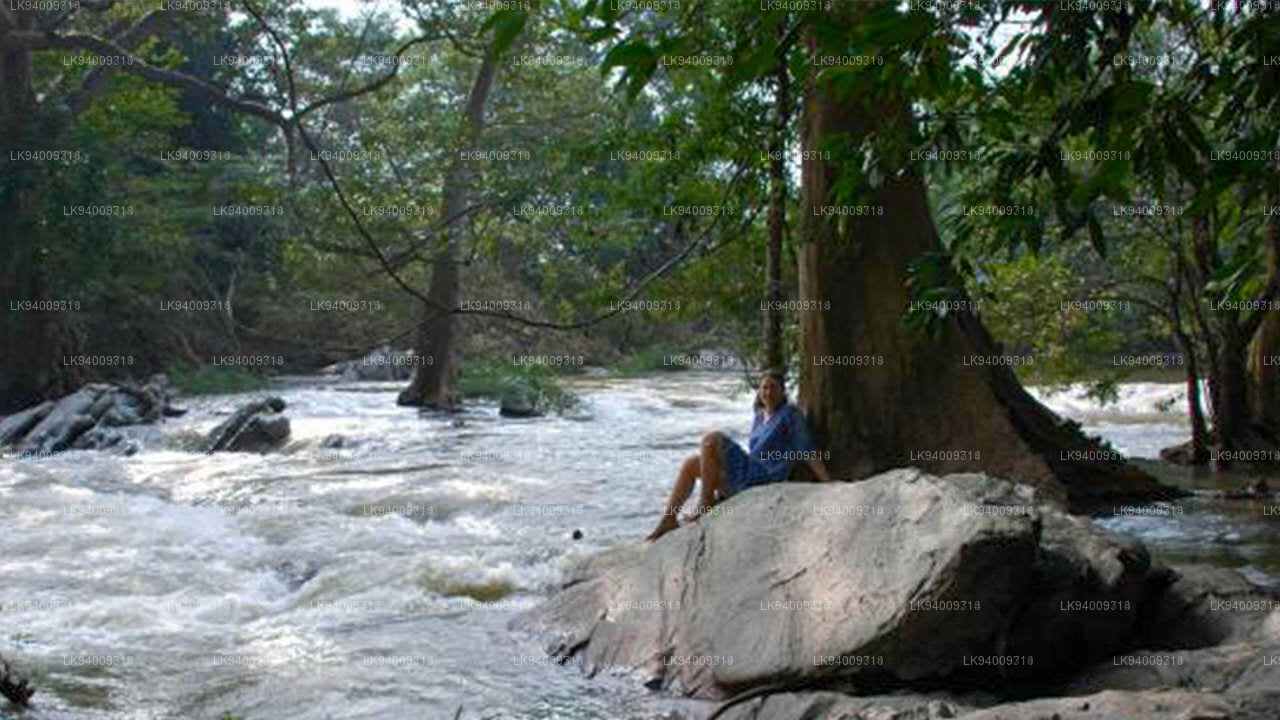 Kumbukkan Oya
The Kumbukkan Oya is the twelfth-longest river of Sri Lanka. It is approximately 116 km (72 mi) long. Its catchment area receives approximately 2,115 million cubic metres of rain per year.
-
 Maduru Oya
The Maduru Oya is a major stream in the North Central Province of Sri Lanka. It is approximately 135 km (84 mi) in length. approximately 3,060 million cubic metres of rain per year
-
 Manik River
Explore the peaceful Manik River, surrounded by lush greenery and rich wildlife. Enjoy scenic boat rides and nature walks, offering a serene and refreshing experience.
-
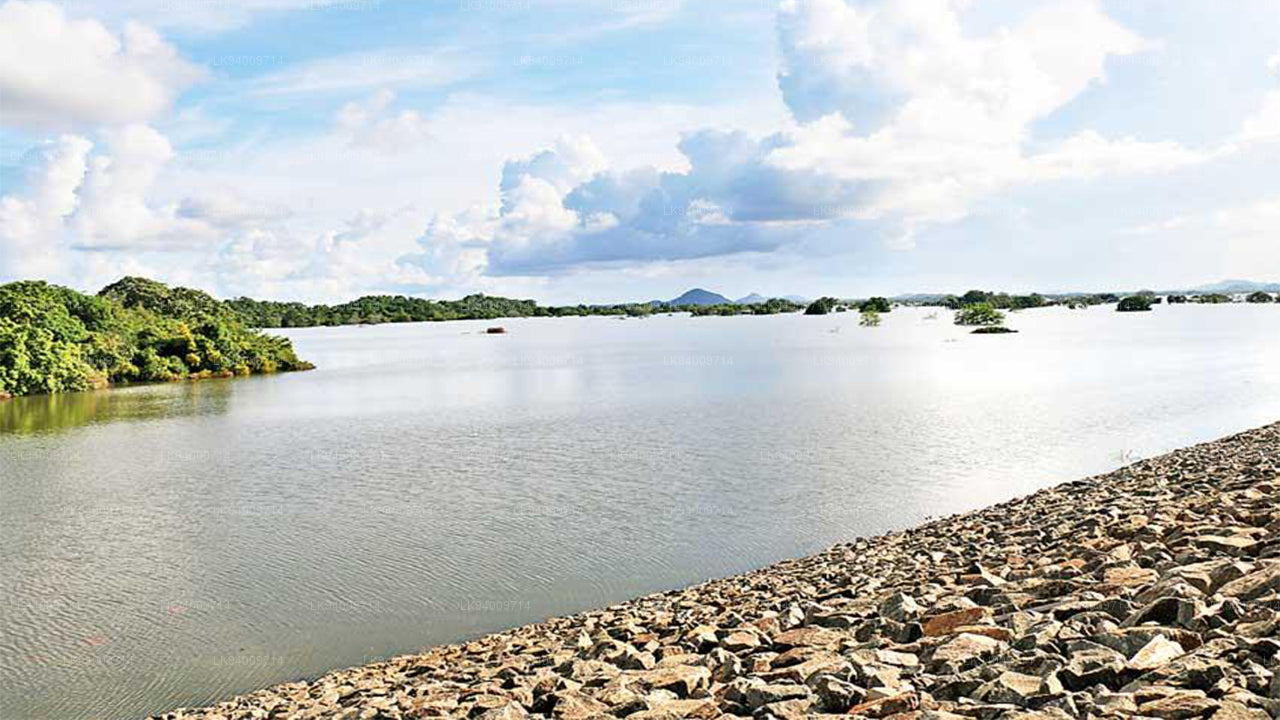 Yan Oya
The Yan Oya, 142 km long and receives 2,371 million cubic meters of rainfall annually, with 17% flowing to the sea. Its catchment area covers 1,520 square kilometers.