Lakpura
Lakpura®

Snorkeling

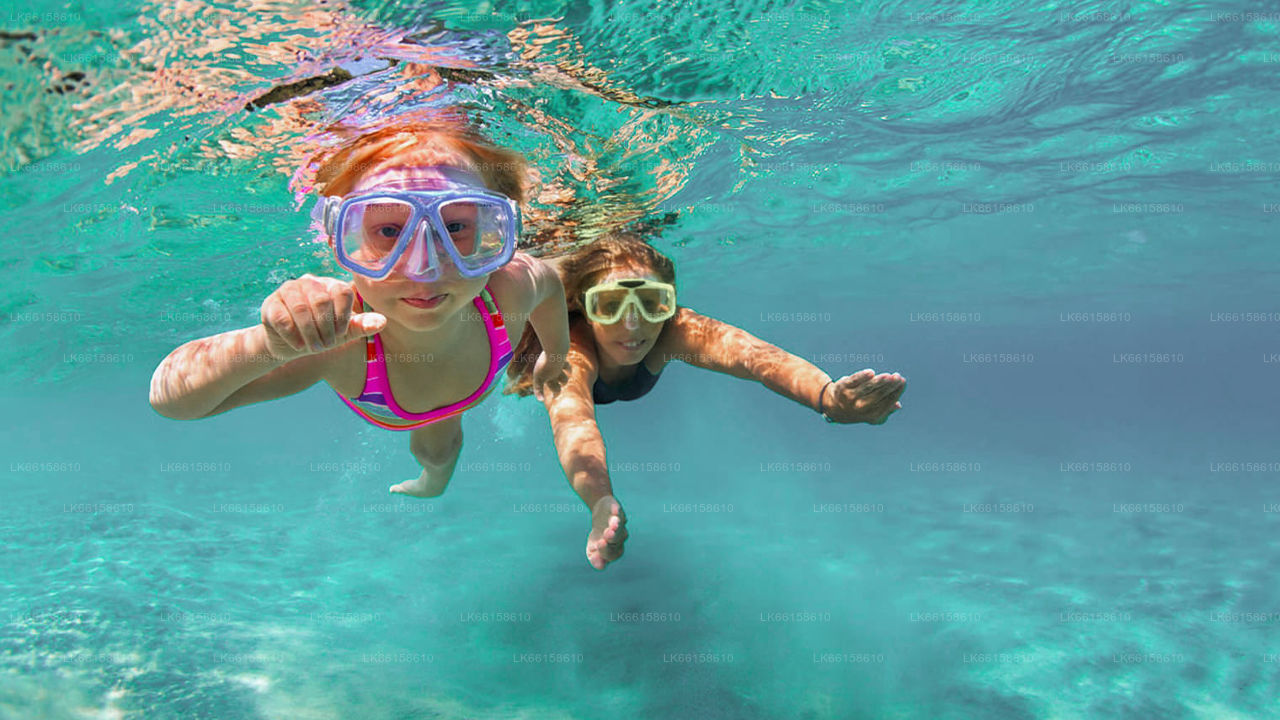
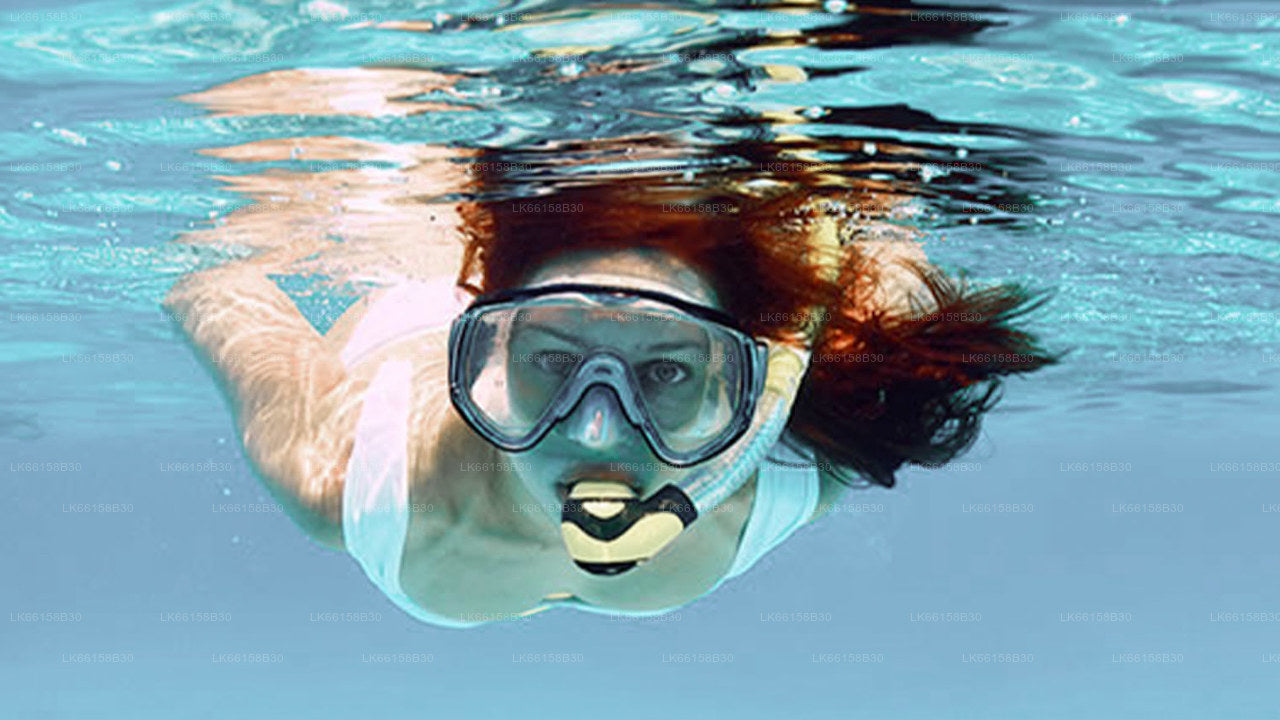
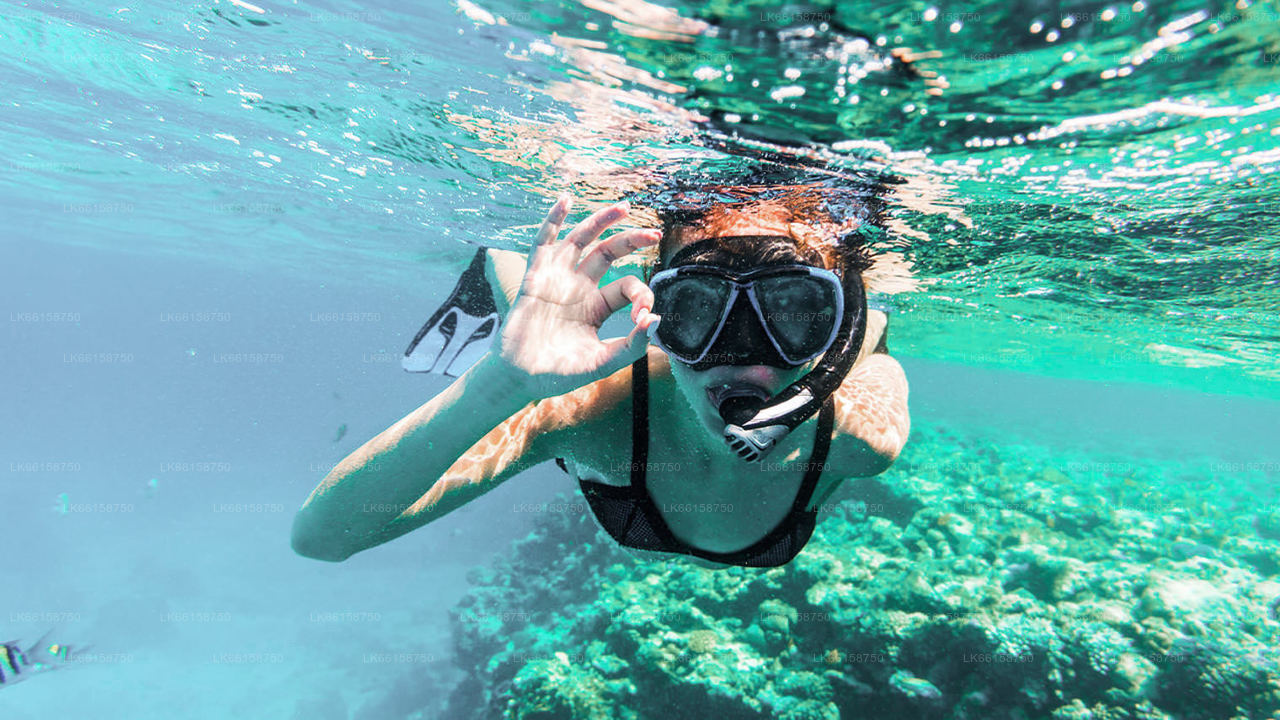
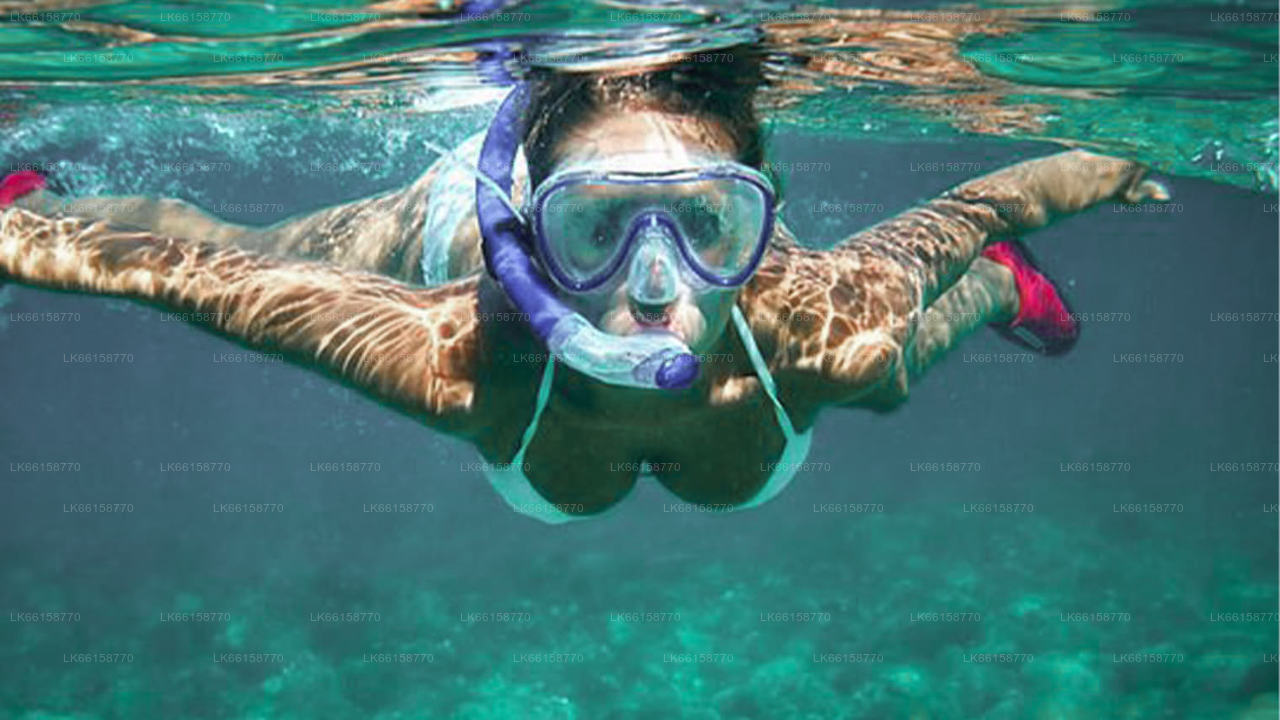
Sri Lanka's coastline stretches for more than 1,300 kilometres, wrapping around an island whose shallow reefs, marine sanctuaries, and sheltered bays make it one of South Asia's most rewarding destinations for snorkeling. Whether you are a first-timer looking to float over a coral garden or an experienced snorkeler hoping to drift alongside sea turtles and reef fish, the island offers conditions to match. Water visibility, marine life diversity, and sheer accessibility — often within a short boat ride from the beach — set Sri Lanka apart from many Indo-Pacific alternatives.

What marine life can you see while snorkeling in Sri Lanka?

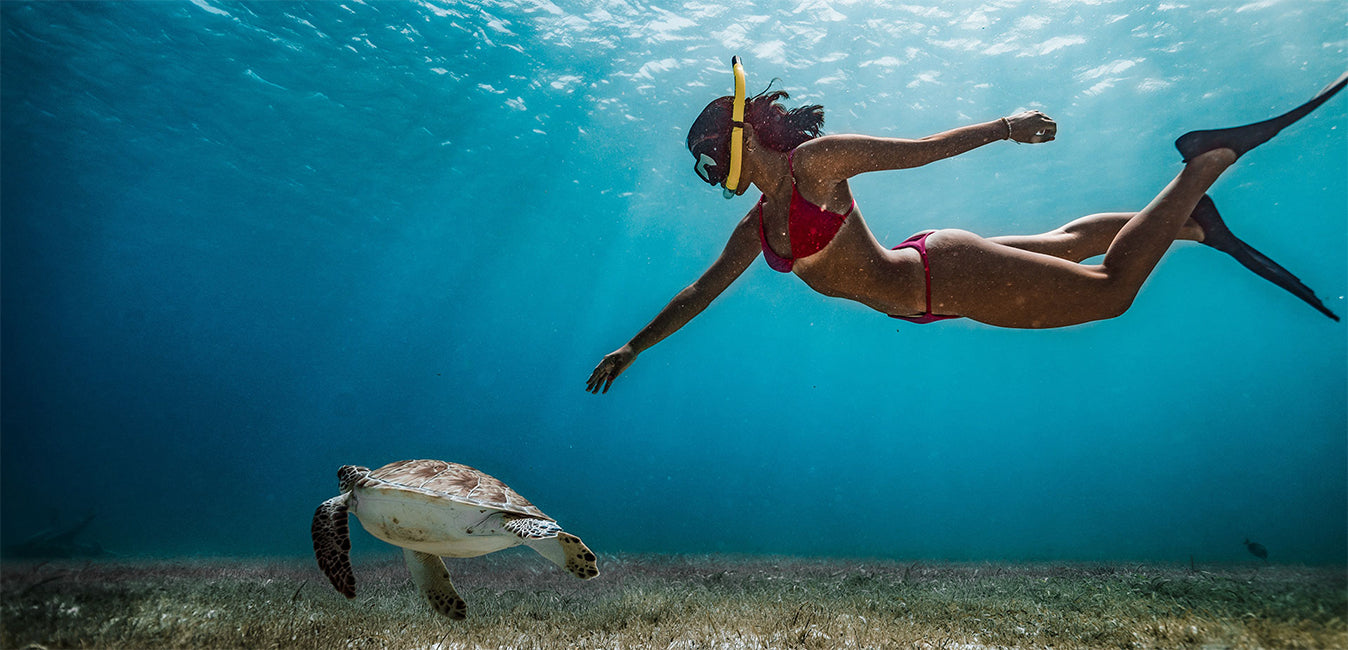
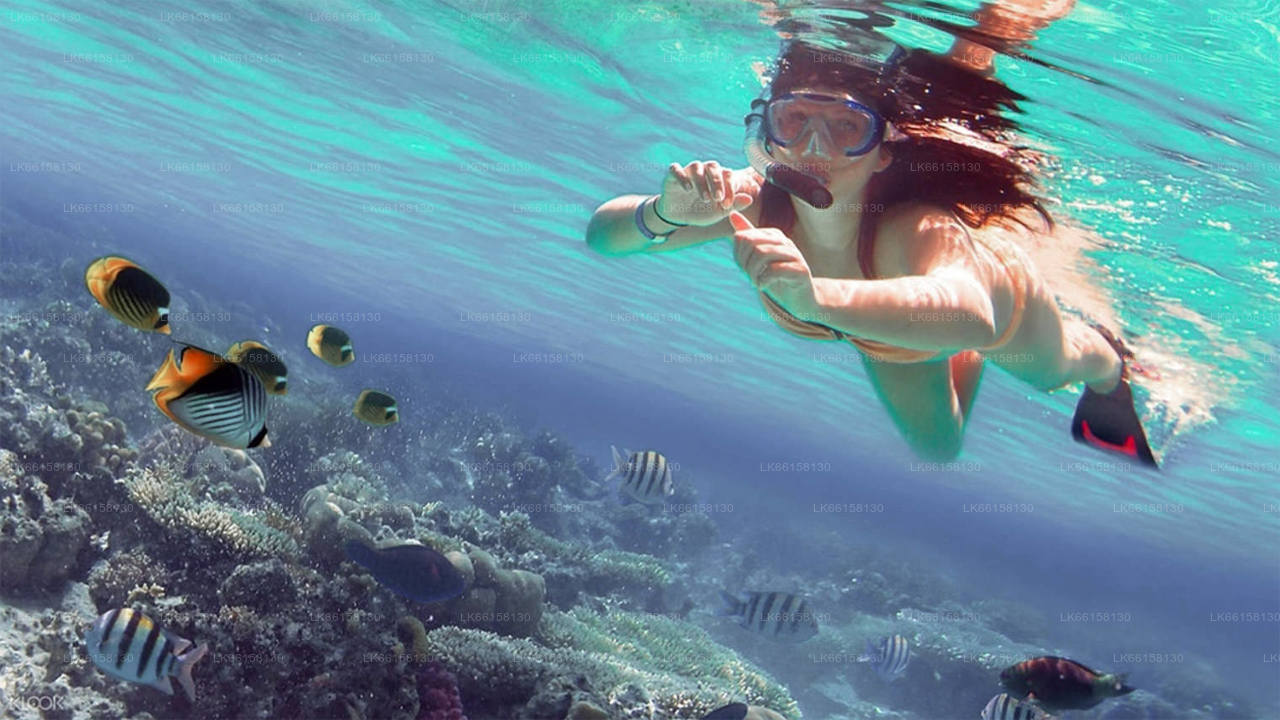
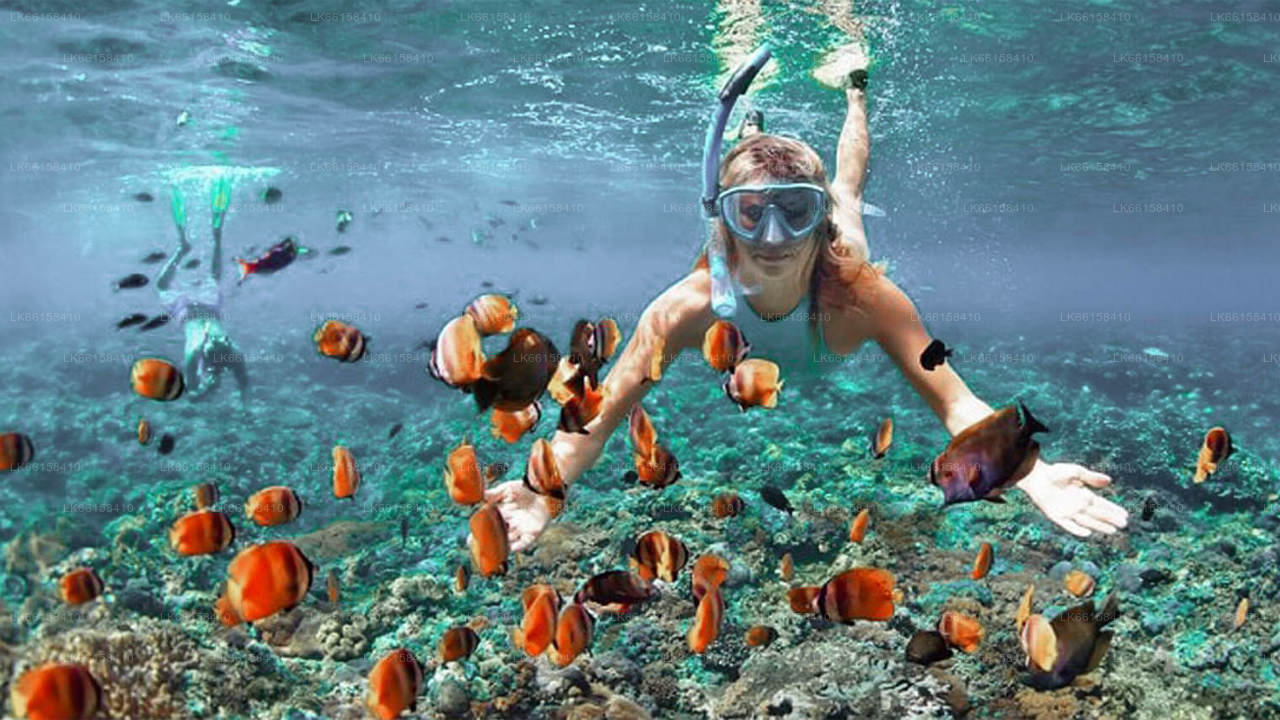
Sri Lanka's reefs support a wide range of species. Green turtles and hawksbill turtles are the encounters most visitors remember; both species feed and rest along the southern and eastern coasts year-round. Reef fish — including parrotfish, lionfish, triggerfish, and surgeonfish — are common at most sites. At deeper reef edges around Pigeon Island and Trincomalee, blacktip reef sharks occasionally pass through, while the open waters of Kalpitiya offer the unusual chance to snorkel near spinner dolphins and, during peak season, whale sharks.

Coral cover varies considerably by location. The reefs around Pigeon Island National Park near Nilaveli are widely considered the healthiest hard coral formations remaining in Sri Lanka. Hikkaduwa's reef, though affected by past bleaching events, has recovered substantially and remains one of the most accessible coral habitats on the south-west coast.

Where are the best snorkeling spots in Sri Lanka?

The choice of location depends largely on the time of year, your base, and what you want to see. The table below gives a practical overview of the main sites.

Location Province Best Season Highlights
Pigeon Island, Nilaveli Eastern April – September Hard corals, blacktip reef sharks, sea turtles
Trincomalee Eastern April – September Coral Island, whale encounters, dolphins
Pasikudah Eastern April – September Shallow lagoon reef, calm water, ideal for beginners
Hikkaduwa Southern November – April Accessible reef, sea turtles, wreck nearby
Unawatuna Southern November – April Sheltered bay, reef fish, turtles
Mirissa Southern November – April Sea turtles, warm shallow water
Kosgoda Western November – April Sea turtle encounters, calm conditions
Bentota Western November – April Reef fish, turtles, sheltered bay
Kalpitiya / Bar Reef North-Western December – April Marine sanctuary, whale sharks, spinner dolphins
Ahangama Southern November – April Less-crowded reef, good visibility

When is the best time to go snorkeling in Sri Lanka?

Sri Lanka's dual monsoon system means that the best snorkeling coast alternates through the year. The south-west coast — covering Hikkaduwa, Unawatuna, Mirissa, Bentota, and Kosgoda — is calmest and clearest from November through April, when the north-east monsoon keeps those waters sheltered. The eastern coast, including Trincomalee, Nilaveli, and Pasikudah, sees its best conditions from April through September, when the south-west monsoon reaches the other side of the island instead.

If your itinerary covers both coasts, you can plan snorkeling activities almost any month of the year by choosing the leeward side. October and early November can be unsettled island-wide, so those months are generally best avoided for water-based activities.

How do I get to the main snorkeling sites from Colombo?

Most south-west coast snorkeling spots are reachable from Colombo within two to three hours by private vehicle. Hikkaduwa, one of the most popular reef sites, sits roughly 100 km south on the coastal highway. Bentota and Kosgoda are closer, around 60–80 km south of the capital.

The eastern sites require more planning. Trincomalee is approximately 260 km from Colombo, making it a natural stop on a longer island circuit. Pasikudah and Nilaveli are in the same general region; many visitors combine them with a stay of several nights rather than a day trip. Deep sea fishing excursions are also available from Trincomalee for those who want to spend extended time on the water.

Is snorkeling in Sri Lanka suitable for beginners?

Most snorkeling sessions on the south-west coast take place in relatively shallow, calm water — particularly at sites like Pasikudah's lagoon and the inner reef at Hikkaduwa, which are well-suited to those with little or no experience. Guides accompany all Lakpura-arranged excursions and provide basic instructions before entering the water. No prior certification is required for surface snorkeling.

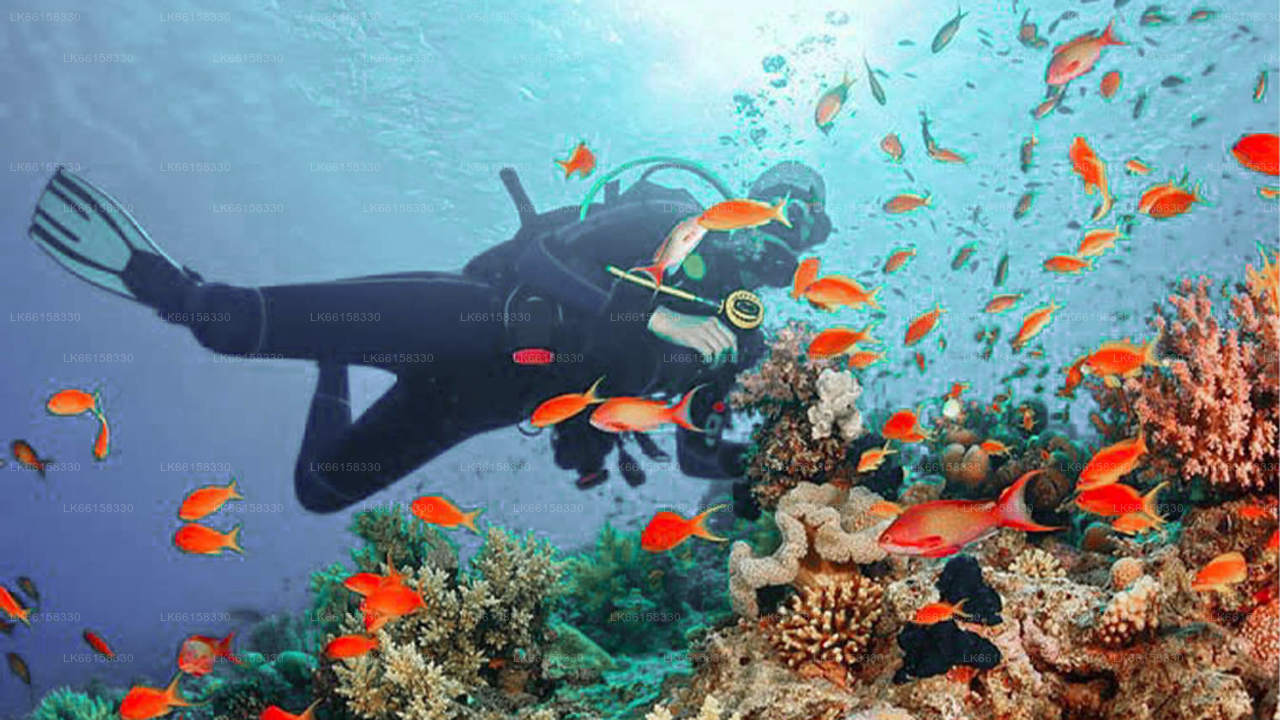
For travellers who want to develop their skills further, several dive centres around Hikkaduwa, Unawatuna, and Trincomalee hold PADI affiliation and offer introductory dive programmes alongside snorkeling sessions. Renting quality masks, fins, and snorkels locally is straightforward at all major sites, though bringing your own mask ensures a proper fit and better visibility.

What should I know before snorkeling at Pigeon Island?

Pigeon Island National Marine Park, situated just off Nilaveli beach near Trincomalee, is one of Sri Lanka's two marine national parks and holds the island's best-preserved hard coral cover. Entry requires a national park permit, which is arranged through the Department of Wildlife Conservation; operators handling excursions from Nilaveli or Trincomalee include this in their package. Snorkelers share the shallow reef area with the island's nesting seabird population, so keeping a respectful distance from both marine life and the birds is expected.

Conditions at Pigeon Island can change with season and weather, so morning sessions generally offer the calmest water and clearest visibility. The outer reef slope, where blacktip reef sharks are occasionally sighted, is deeper and more suitable for confident swimmers.

What is Bar Reef Marine Sanctuary in Kalpitiya?

Bar Reef, located off the Kalpitiya peninsula in the North-Western Province, is one of Sri Lanka's largest coral reef systems and holds protected status as a marine sanctuary. The reef supports an unusually high diversity of fish species, as well as sea turtles, rays, and — during certain months — whale sharks and large schools of spinner dolphins. The remoteness of the site means visitor numbers stay low relative to southern reefs, giving a more pristine experience. Excursions typically involve a longer boat journey, so calm-weather months between December and April are strongly recommended.

Are there any conservation guidelines snorkelers should follow?

Sri Lanka's reefs have faced pressure from coral bleaching, anchor damage, and some irresponsible tourism practices. Snorkelers can help by following a few straightforward principles:

  • Do not stand on or touch corals — even brief contact can damage polyps that took decades to grow.
  • Avoid chasing or cornering turtles; observe them from a distance and let them surface to breathe freely.
  • Use reef-safe sunscreen or cover up with a rash guard instead of chemical sun creams.
  • Do not feed fish — it disrupts natural behaviour and can harm reef ecology.
  • Take all rubbish back to shore, including any plastic packaging from snorkeling gear.

The Kosgoda Sea Turtle Conservation Project runs educational programmes alongside its snorkeling site that explain the life cycles of Sri Lanka's marine turtle species and the ongoing conservation efforts that protect them.

How do Lakpura's snorkeling excursions work?

Lakpura arranges guided snorkeling sessions at all major sites around the island, from short reef trips near Hikkaduwa to full-day excursions at Pigeon Island or Bar Reef. Each session includes boat transfers, equipment, and an English-speaking guide. Groups are kept small to minimise disturbance to marine habitats. Excursions can be booked as standalone activities or incorporated into a broader Sri Lanka itinerary designed by our team. Advance booking is recommended for eastern coast sites during the April–September peak, when demand from both local and international visitors is highest.

Book this experience with Lakpura

Curated by our local team. Direct booking, instant confirmation.

Ask Lakpura® Agent