Namal Uyana


Jathika Namal Uyana in Sri Lanka è la più grande foresta di legno di ferro e la montagna di quarzo rosa in Asia. L'albero di legno di ferro è endemico di Sri Lanka e la foresta ripiantata si estende su oltre 260 acri. Secondo i risultati degli archeologi, il quarzo rosa in questo sito storico ha una storia di oltre 550 milioni di anni. Namal Uyana è una foresta estremamente rara che è stata ripiantata con alberi di legno di ferro nell'VIII secolo d.C., iniziando dal re Devanampiyatissa e finendo con il re Dappula IV. Namal Uyana è stato un rifugio per i monaci buddisti durante il regno del re Devanampiyatissa nell'VIII secolo. Successivamente è stato utilizzato come campo di prigionia, dove la punizione era piantare alberi di Na. Durante il periodo del re Dappula, è stato dichiarato un rifugio umano. Questo luogo naturale unico è stato portato all'attenzione del mondo quasi 15 anni fa da un monaco buddista, il Venerabile Wanawasi Rahula Thero.
Jathika Namal Uyana si trova a 7 km dalla crocevia di Madatugama sulla strada Colombo-Anuradhapura in Sri Lanka. La foresta di legno di ferro è una foresta unica in Sri Lanka, dove gli alberi di legno di ferro dominano la vegetazione dei 260 acri di foresta. Namal Uyana si trova nella zona secca di Sri Lanka. Nella foresta di alberi di Na o Namal Uyana, gli alberi proteggono la calda luce solare e danno ombra a tutte le piccole piante medicinali che vivono nella loro ombra, facendo sentire i visitatori come se si trovassero in una zona fresca, come il posto più fresco di Sri Lanka. Botanicamente, l'albero di Na è chiamato Mesua Ferara e in inglese è conosciuto come Iron Wood Tree (Albero di Ferro). Tutta la parte dell'albero di Na viene utilizzata anche per la meditazione a base di erbe in Sri Lanka. Questo albero significativo è originario di Sri Lanka, India, Malaysia, Birmania, Thailandia e Papua Nuova Guinea. È stato nominato albero nazionale di Sri Lanka. Per i buddisti e altre religioni, l'albero di Na ha un grande valore religioso.
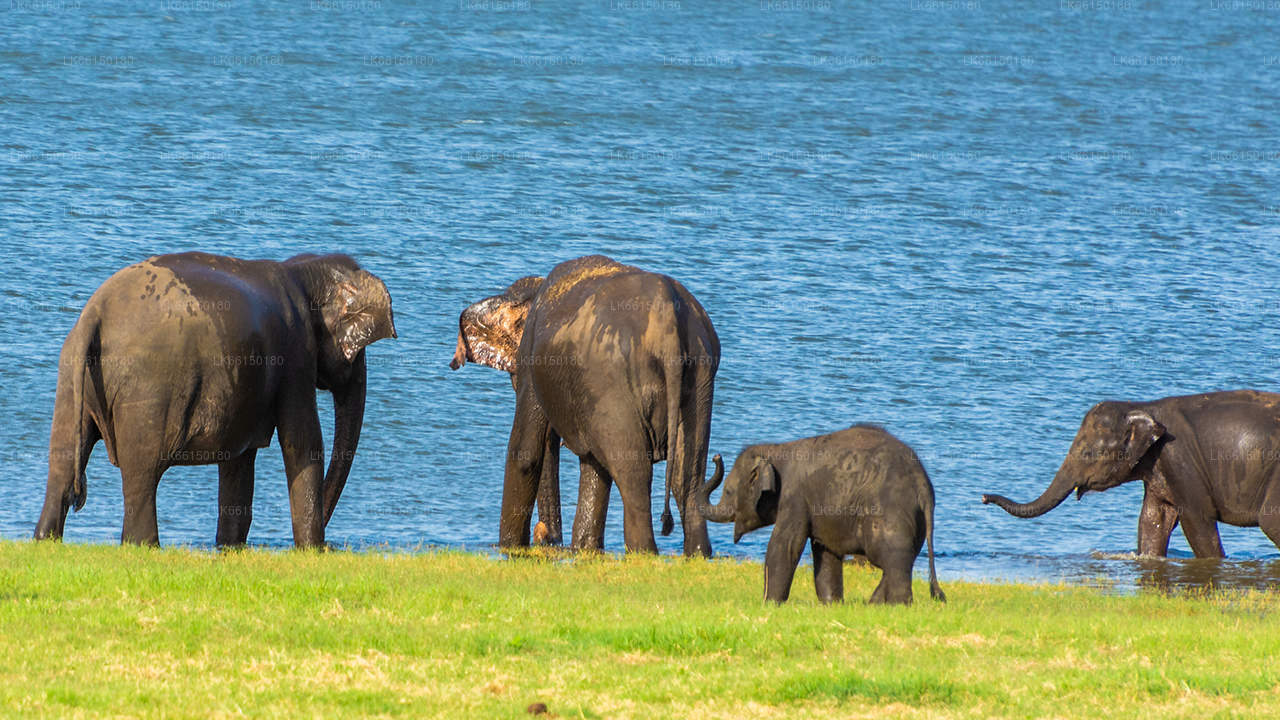
Secondo i biologi, l'importanza di Namal Uyana è che ospita 102 specie di piante tropicali, di cui 82 sono piante medicinali, all'interno dei 260 acri di giardino e della foresta circostante. 18 specie di uccelli e una serie di mammiferi, tra cui elefanti, leopardi, scimmie e cervi, vivono anche nel parco e nelle sue vicinanze.
La foresta di Na e la biodiversità non sono l'unica distinzione di questo luogo. La catena montuosa di quarzo rosa in Namal Uyana è la più grande catena montuosa di quarzo rosa in Asia. Sebbene Namal Uyana sia stato recentemente dichiarato sito del patrimonio nazionale sotto il Dipartimento di Conservazione della Fauna Selvatica (DWLC), è diventato popolare tra i srilankesi negli ultimi anni. La fila di 7 montagne si trova a un'altezza compresa tra 180 e 300 metri sopra il livello del mare. Secondo i risultati delle ricerche archeologiche, il quarzo rosa ha una storia di oltre 550 milioni di anni. Da una vista complessiva, la parte superiore appare nuvolosa e con il suo colore rosa mescolato alla nebbia bianca, ti offrirà una vista mozzafiato che differenzia questa montagna dalle altre. E se scendi più a fondo per esplorare le diversità che questa catena montuosa ha, sarà un'esperienza incredibile.
Ci sono alcuni luoghi antichi che mostrano la lunga storia di Jathika Namal Uyana.
- Purana Namal Seya.
- Bodhigaraya.
- Pilimageya.
- Awasageya.
- Simamalakaya.
- Padhanagara.
- Galphana.
- Galpath