Flint’s Cruiser


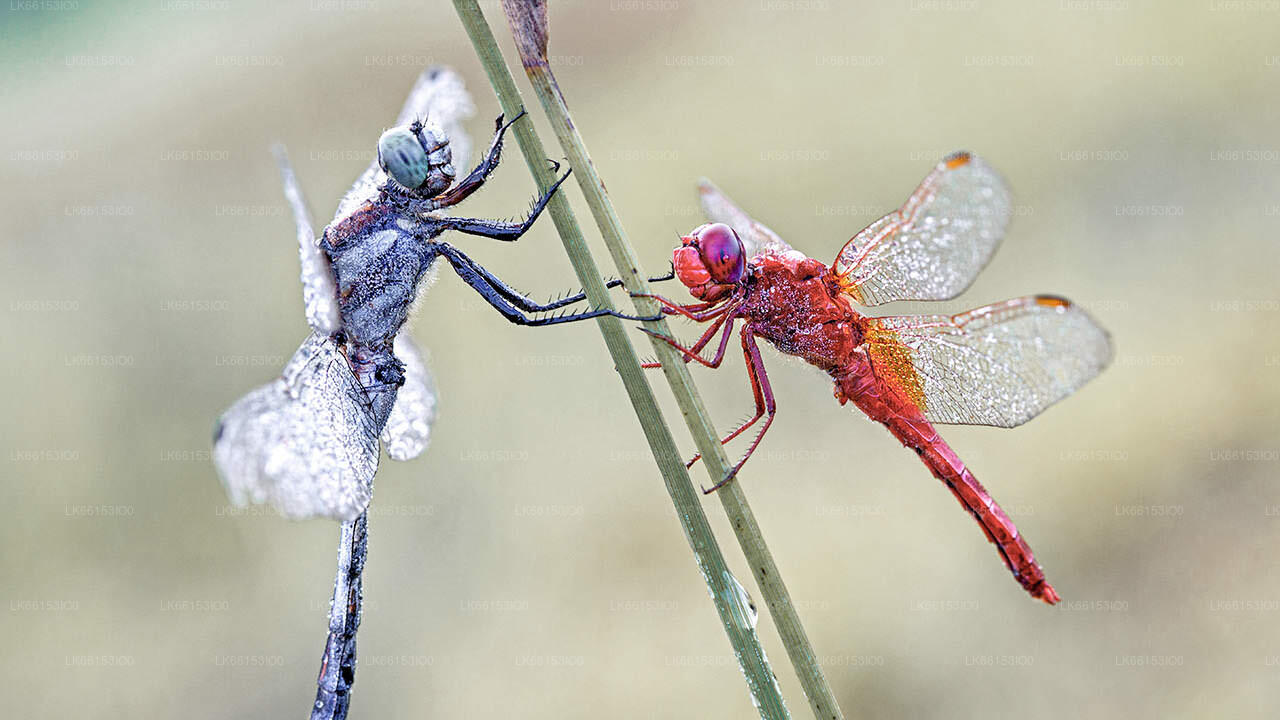
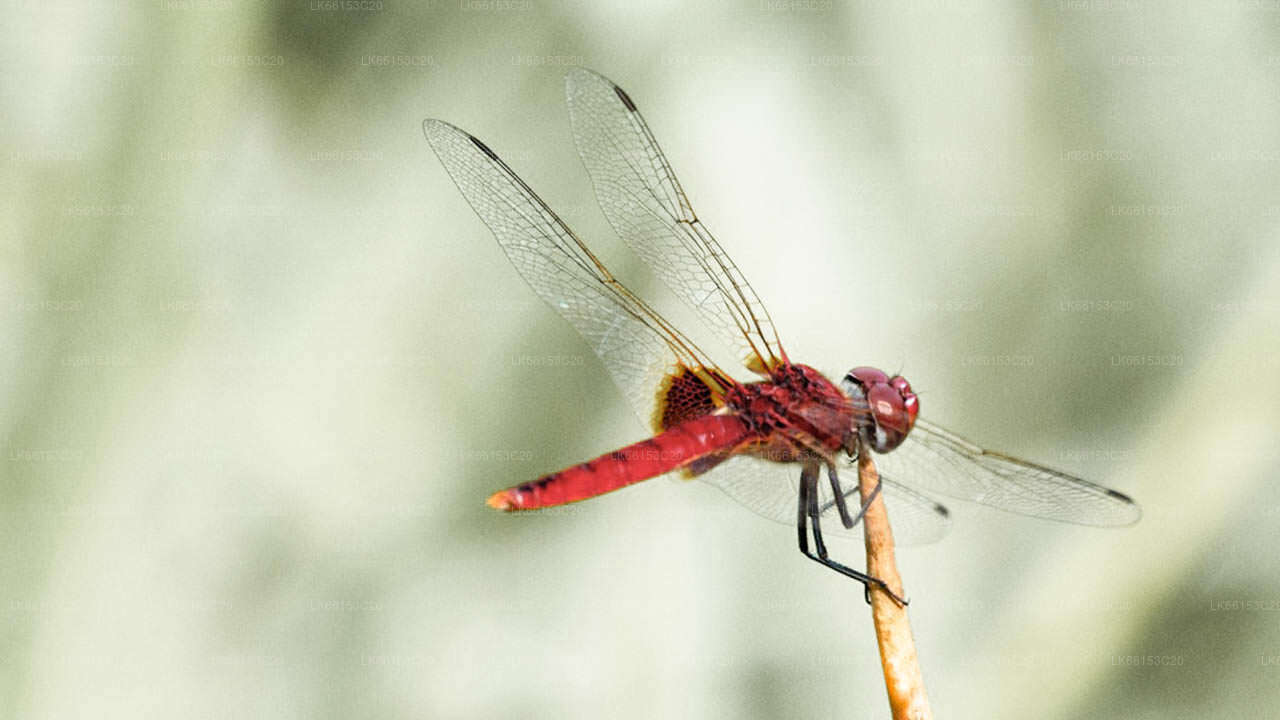
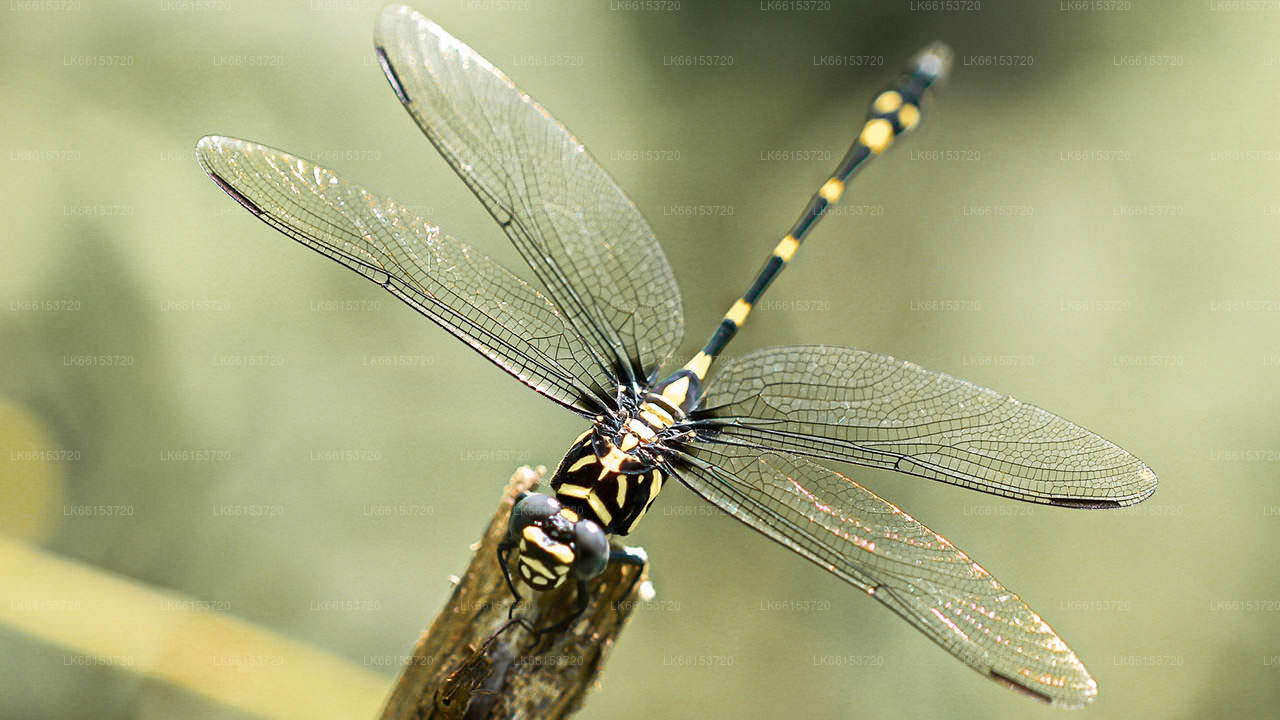
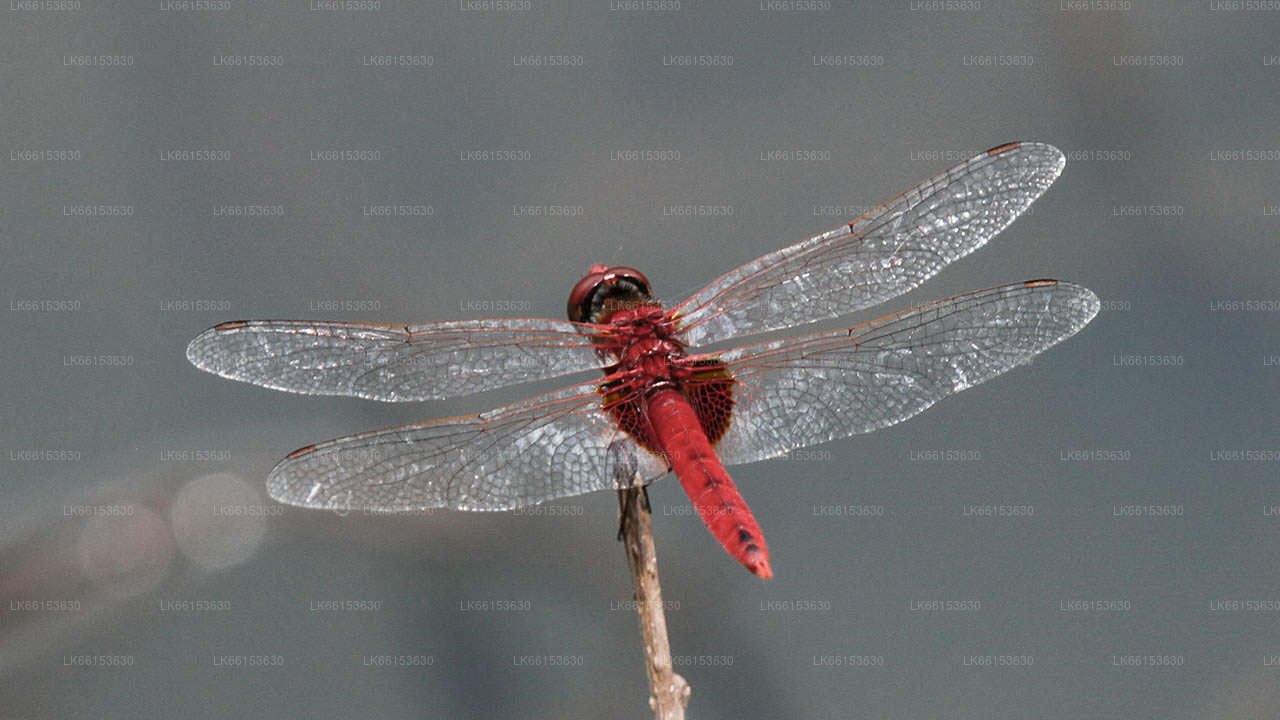
Flint’s Cruiser (ෆ්ලින්ටිගේ අඳුරු නිලන බත්කූරා) is an enigmatic dragonfly species first discovered from a specimen collected in 1970. For five decades, no other records existed until it was rediscovered through field observations and photographic evidence.
Habitat & Distribution: Recent findings indicate that this species has a fairly widespread distribution in the lowland wet zone and foothills. It inhabits large streams and rivulets with dense riparian vegetation, often within forested areas.
Identification & Behavior: Flint’s Cruiser is a large dragonfly, reaching about three inches in length. Males typically fly along streams during the morning and evening, while at mid-day, they rest by hanging under vegetation in shaded areas.
Conservation: As an endemic species of Sri Lanka, Flint’s Cruiser is recognized for its high conservation importance due to its limited distribution and habitat specificity.


-
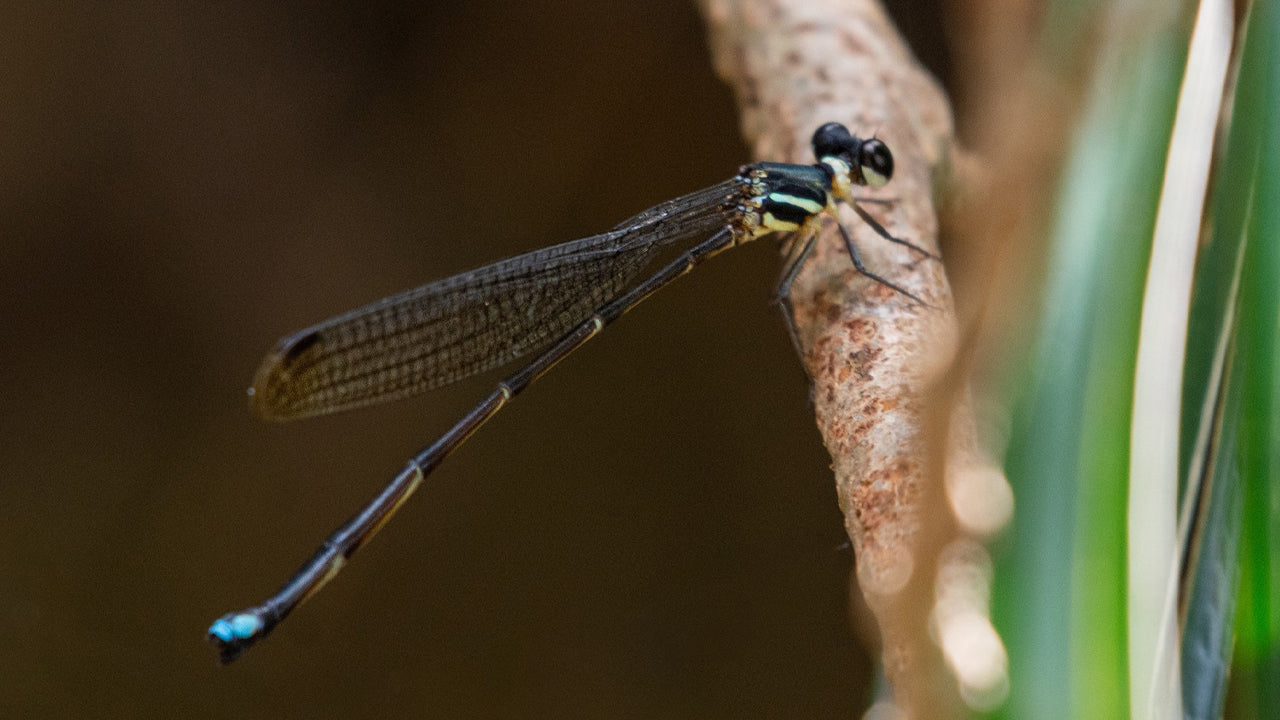 Dark Forest Damsel
Platysticta apicalis
-
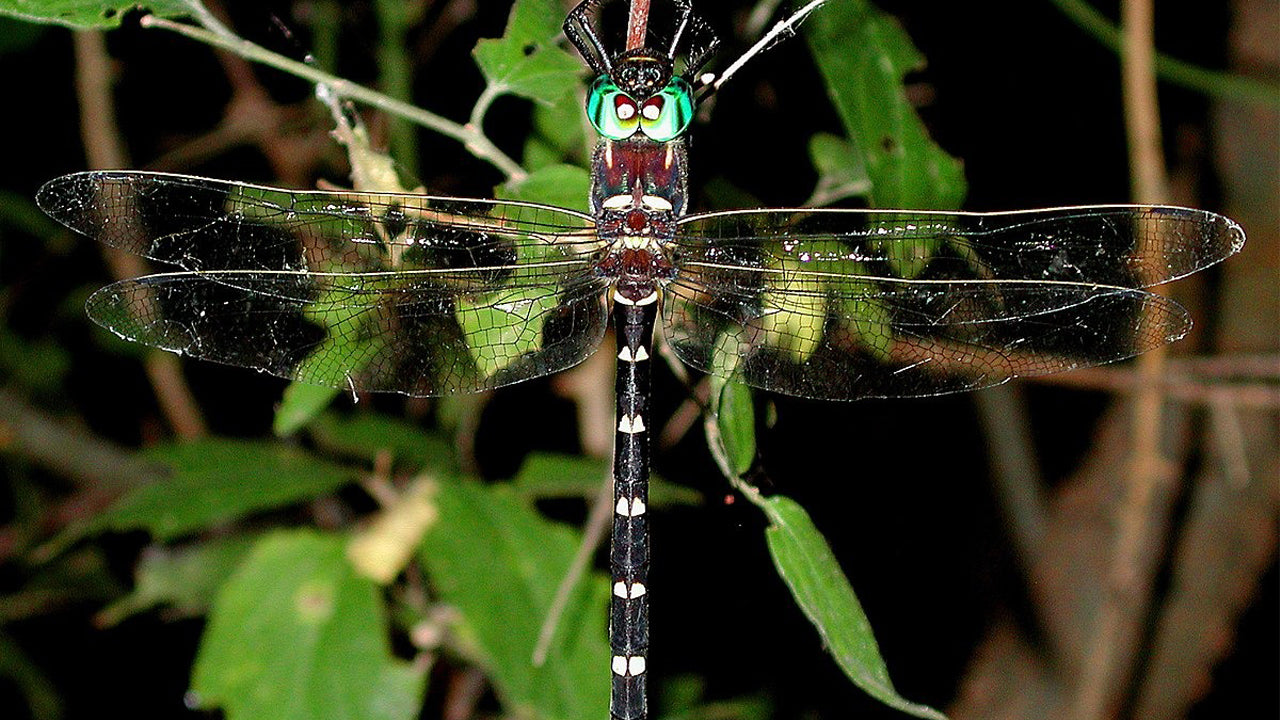 Flint’s Cruiser
Macromia flinti
-
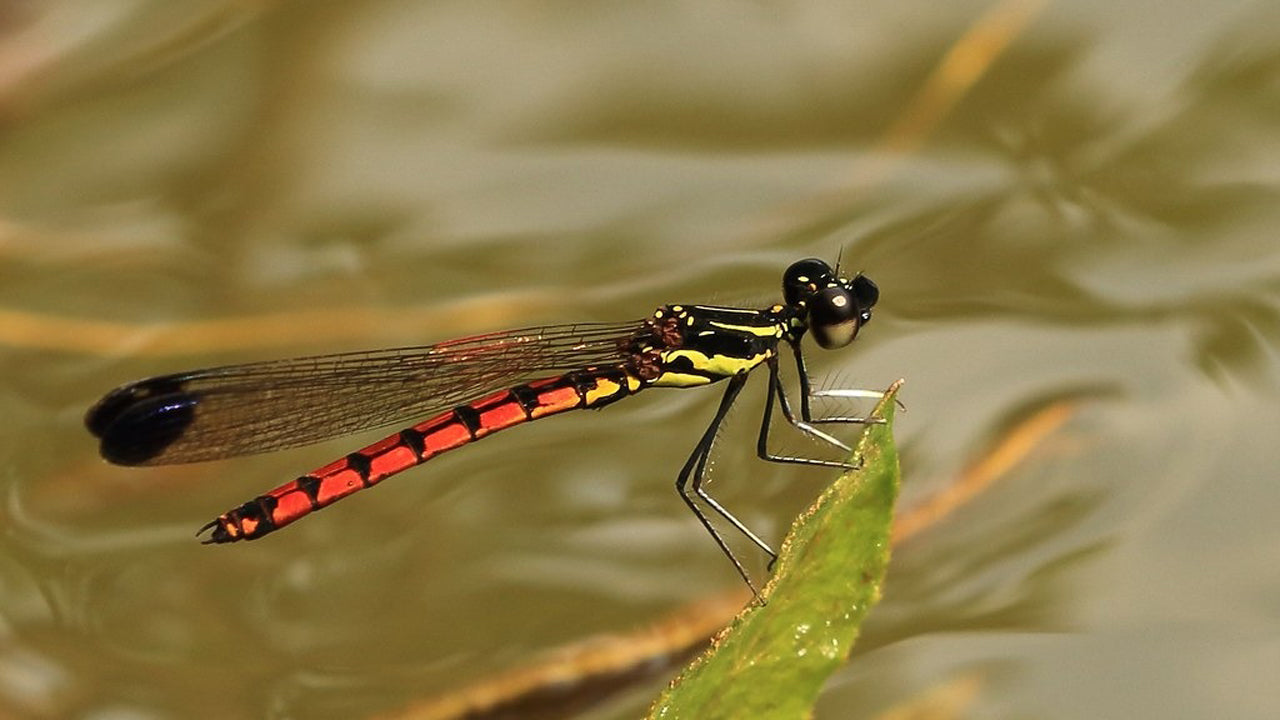 Green's Gem
Libellago greeni
-
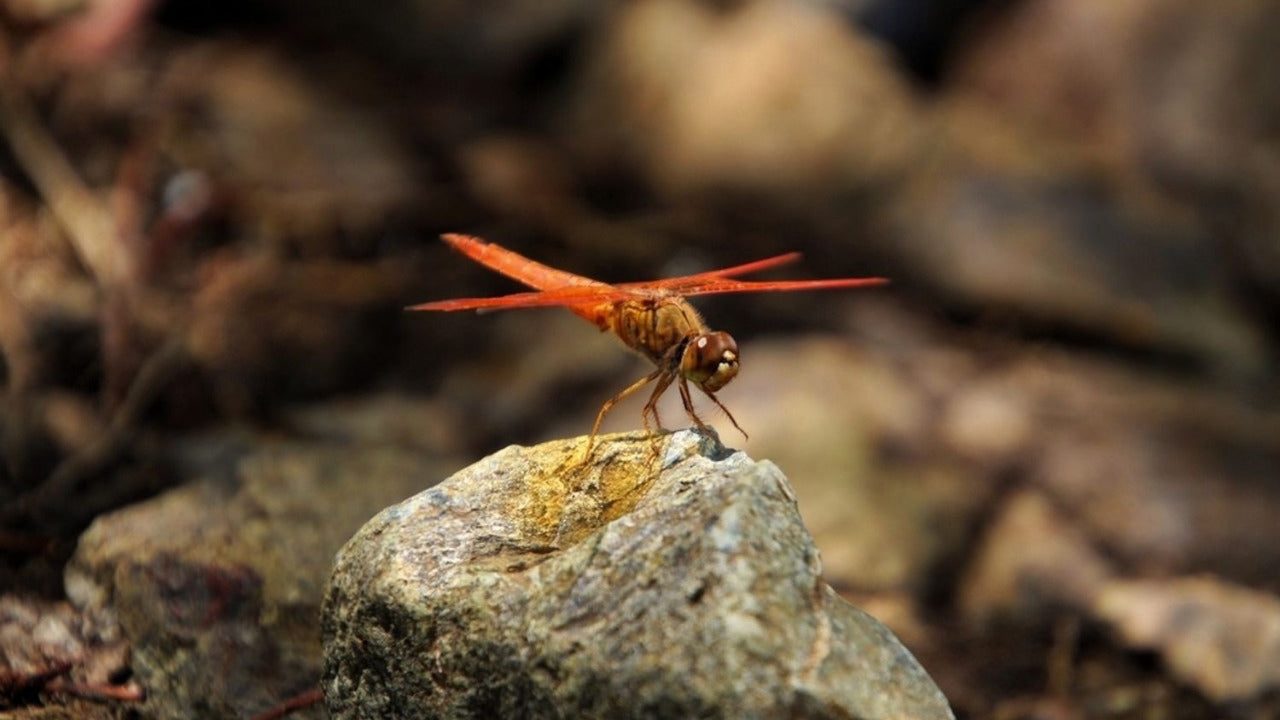 Asian Groundling
Brachythemis contaminata
-
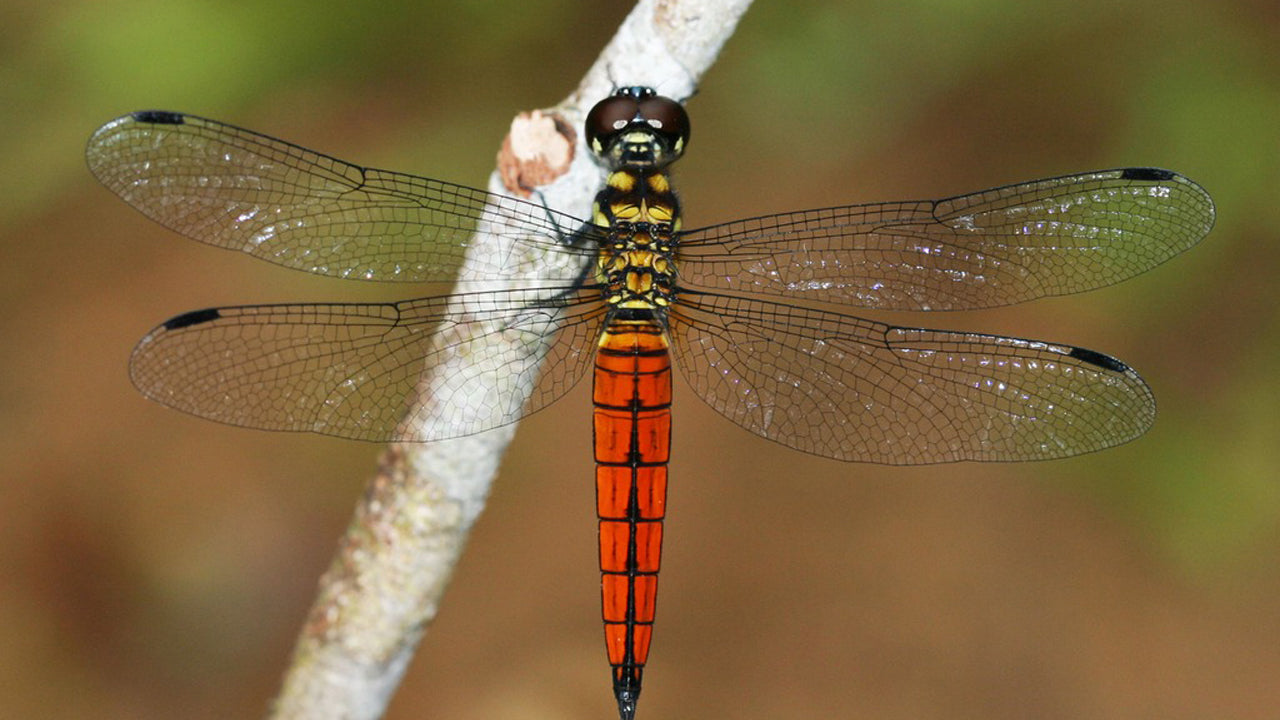 Vermilion Forester
Lyriothemis defonsekai
-
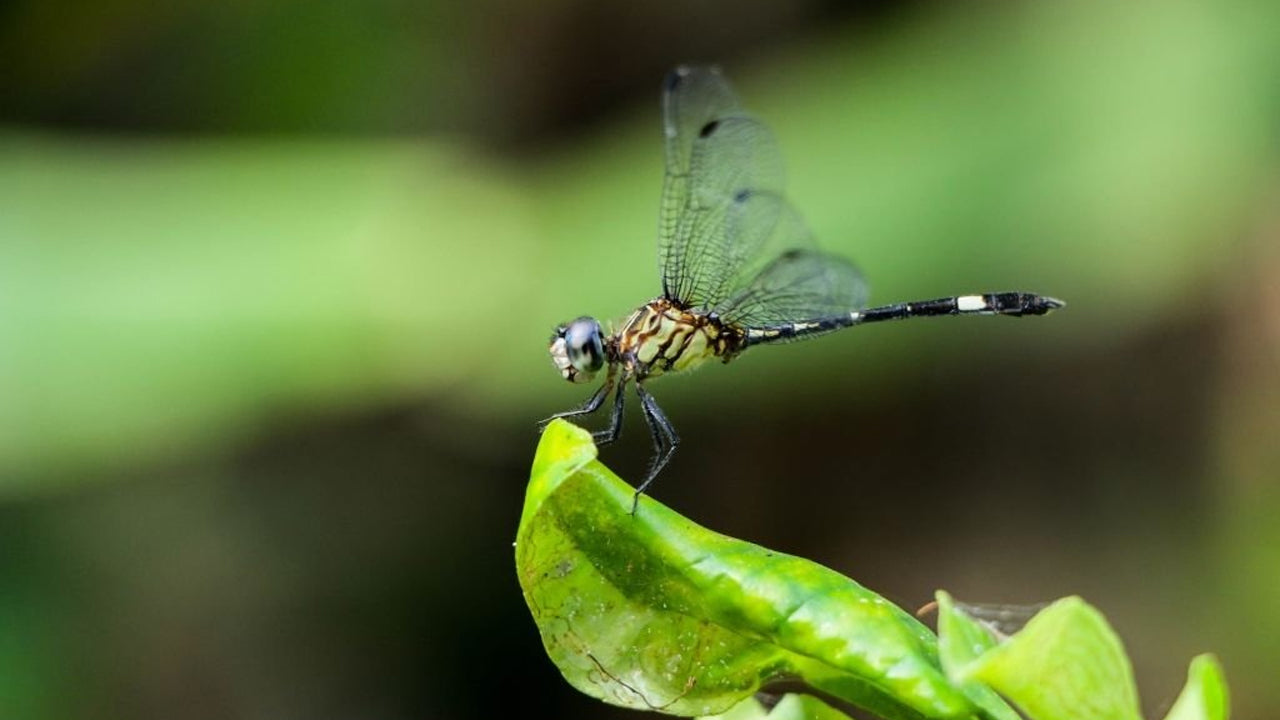 Wall's Grappletail
Heliogomphus walli
-
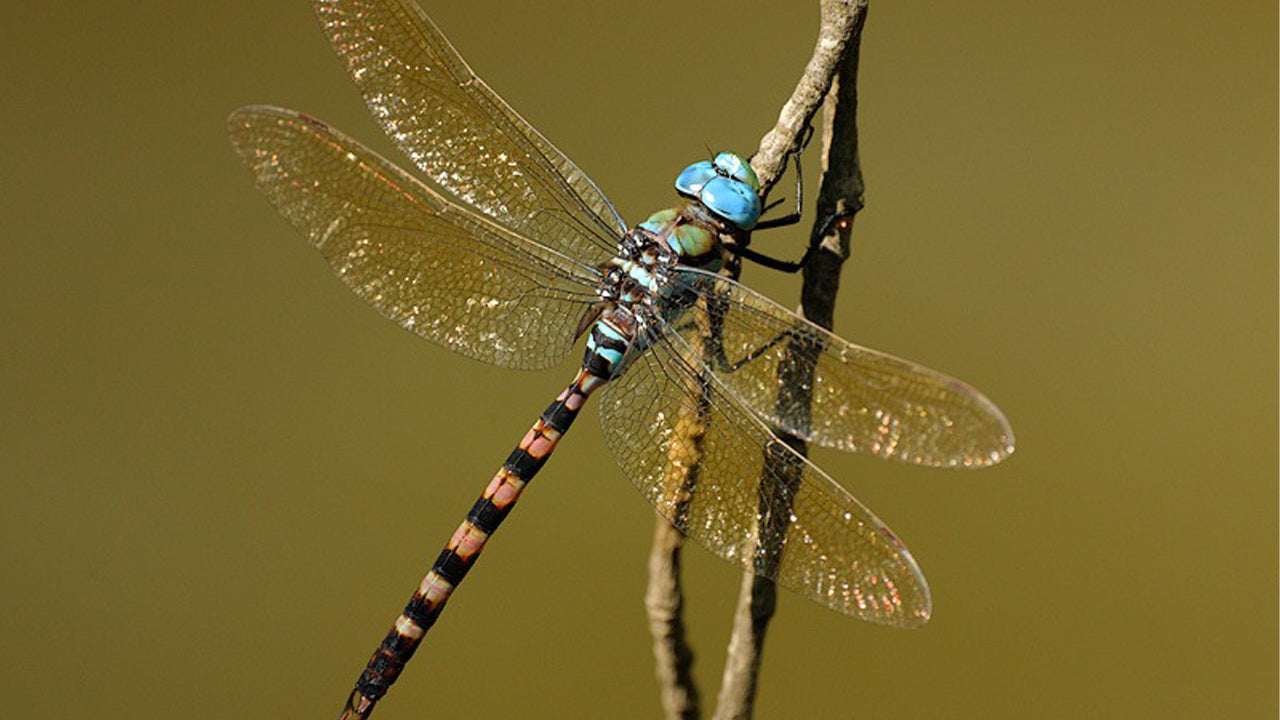 Fiery Emperor
Lethrinus rubrioperculatus
-
 Black- tipped Fashwing
Vestalis apicalis
-
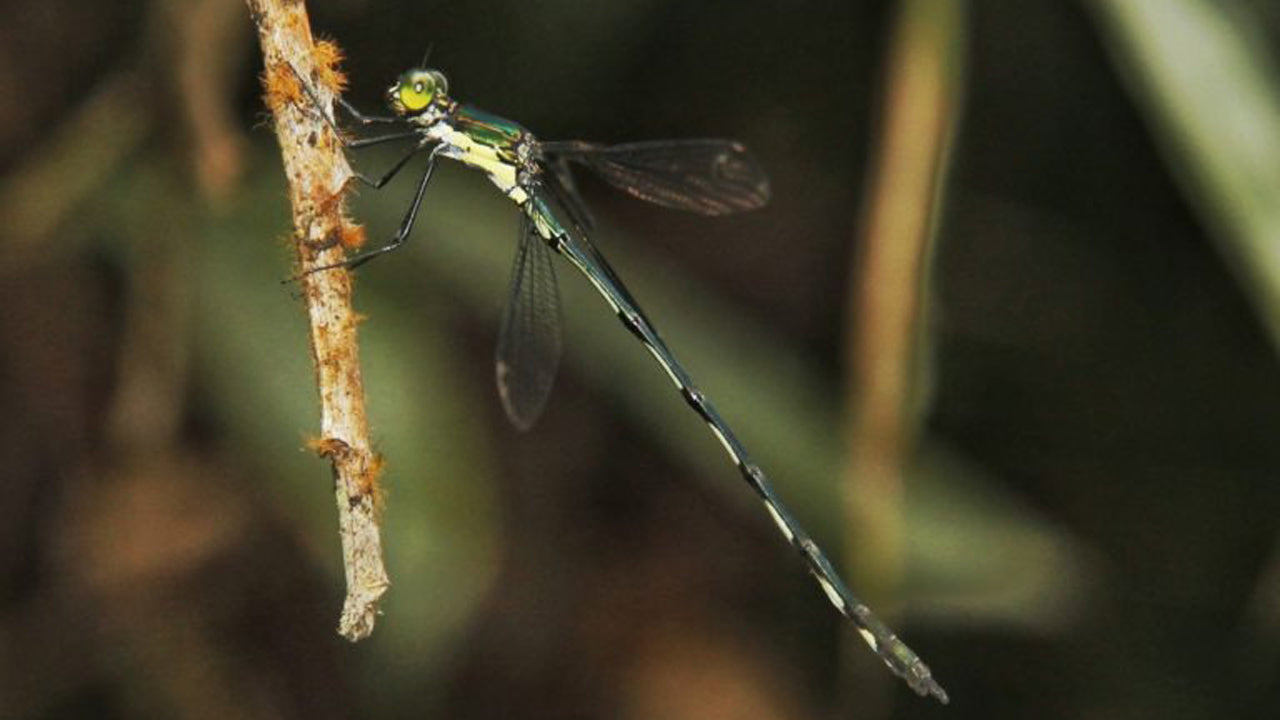 Sri Lanka Emerald Spredwing
Sinhalestes orientalis
-
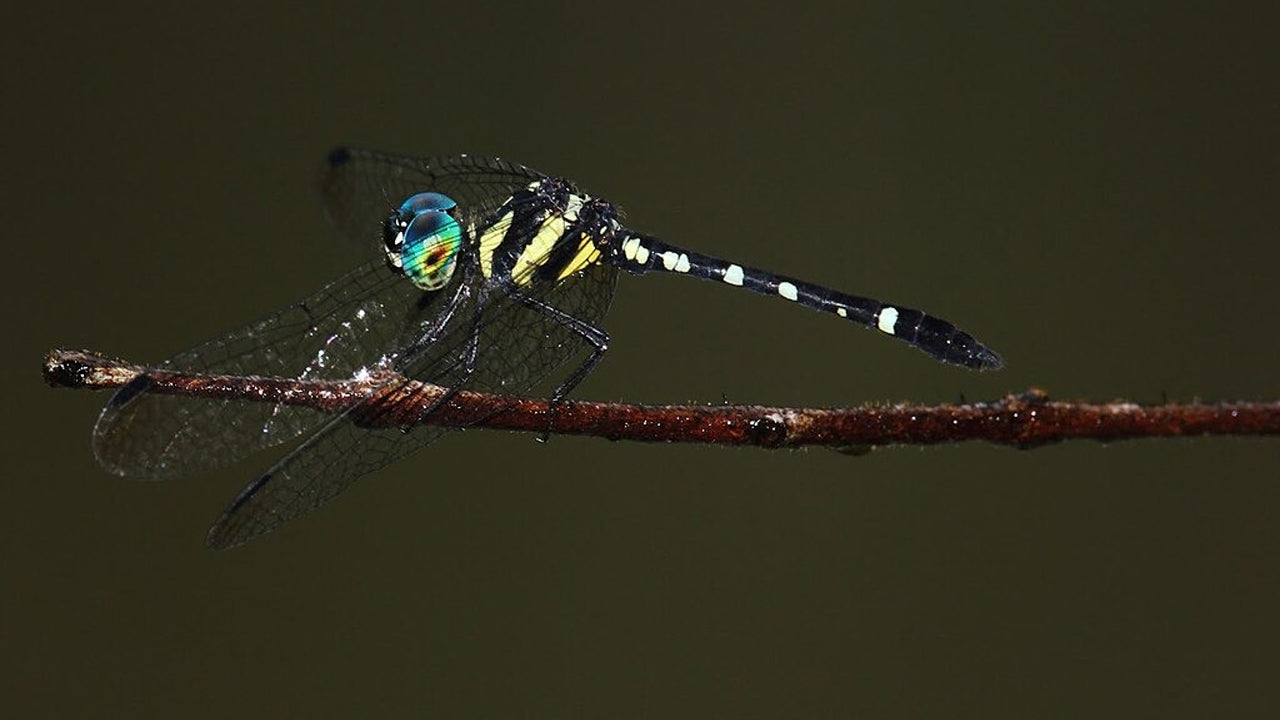 Yeebury's Elf
Persuna thaumatica
-
 Shinning Gossamerwing
Euphaea splendens
-
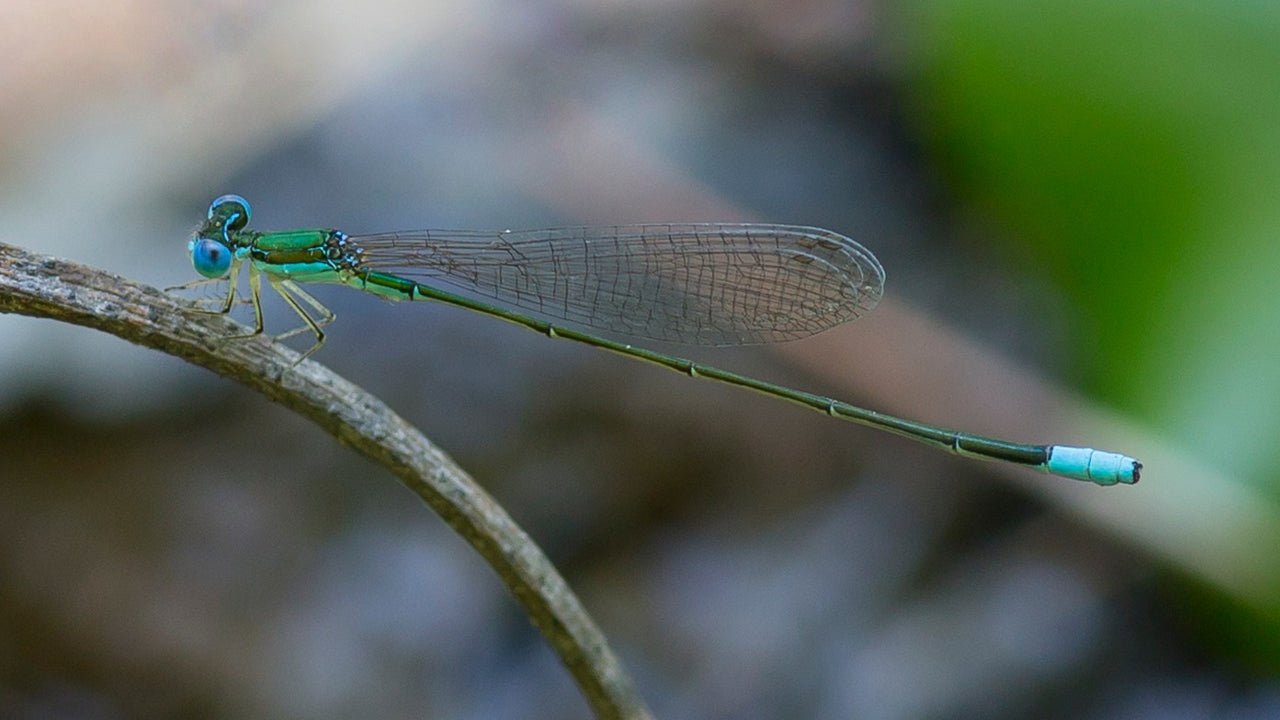 Swamp Sprite
Ceratopteris thalictroides