Lakpura
Lakpura®

Christianity

Christianity is a minority religion in Sri Lanka, yet its roots on the island reach back far further than most visitors expect. Long before European colonial ships arrived, early forms of the faith had already taken hold, carried by traders, missionaries, and royal advisors across the ancient sea routes that connected Sri Lanka to the wider world.

How did Christianity first reach Sri Lanka?

The earliest traditions link Christianity in Sri Lanka to the apostolic missions of the first century. After Thomas the Apostle is said to have preached in Kerala around AD 52, Christianity is believed to have spread to Sri Lanka through the island's longstanding geographical and commercial ties with southern India. Some accounts place the first Christian presence in Sri Lanka as early as AD 72, making it one of the oldest recorded religious connections between the island and the wider Christian world.

Archaeological evidence supports a pre-colonial Christian presence. The Anuradhapura Cross, discovered in 1912, is among the most significant finds. Scholars consider it evidence of a Nestorian Christian community living in Sri Lanka's ancient capital between approximately the 3rd and 10th centuries — a period when Anuradhapura served as the political and cultural heart of the island.

Who were the Nestorian Christians of Sri Lanka?

Nestorian Christianity — a tradition originating in the eastern Roman and Persian world — appears to have established a notable foothold in Sri Lanka during the 5th century, reportedly under the patronage of King Dathusena. Historical accounts describe Persian Christians playing an active role at the royal court during this era.

One striking detail concerns Maga Brahmana, a Christian priest of Persian origin who is said to have advised King Dathusena on the construction of his palace atop Sigiriya Rock. Dathusena's daughter was also married to his nephew Migara, who is described in some sources as a Nestorian Christian and a commander in the Sinhalese army. Records further note the arrival of Murundi soldiers from Mangalore at the town of Chilaw — many of them believed to be Christian — carried on over seventy-five ships.

These accounts, though drawn from texts that blend history and legend, suggest that Nestorian Christianity was not merely tolerated but was woven into the social fabric of the Sigiriya period's court life.

What role did St. Thomas Christians play in Sri Lanka's history?

Alongside Nestorian Christianity, communities of St. Thomas Christians — whose origins trace to the apostolic tradition of Kerala — are also recorded as having lived in Sri Lanka in the early centuries of the first millennium. The island's position as a major hub on the Indian Ocean spice and trade routes made it a natural destination for merchant communities from the Malabar Coast, many of whom practised this early eastern form of Christianity.

The presence of both St. Thomas Christians and Nestorian communities points to a pluralistic religious environment in ancient Sri Lanka, where Buddhism remained dominant but minority faiths coexisted with a degree of royal tolerance that was not unusual for the era.

How did Portuguese colonialism transform Christianity in Sri Lanka?

The arrival of the Portuguese in the early 16th century marked a decisive shift in the character of Christianity on the island. The Portuguese introduced Roman Catholicism as a faith actively promoted — and in some areas imposed — by colonial authority. Catholic missions established churches and schools, particularly along the western and northern coasts, and a significant portion of the coastal fishing communities converted during this period.

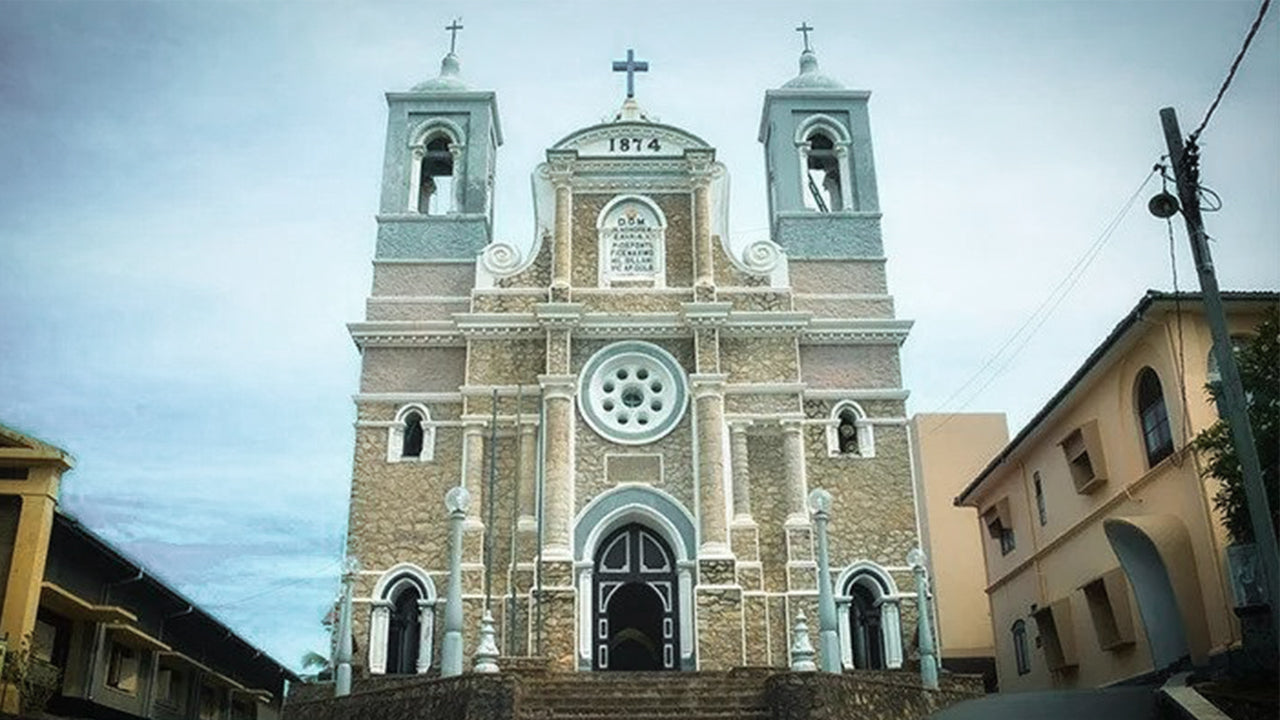
Many of those conversions proved durable. Today, Roman Catholicism remains the dominant denomination among Sri Lanka's Christian minority, and the cultural imprint of the Portuguese era is still visible in architecture, surnames, and local customs in towns such as Negombo, Chilaw, and Mannar. The Dutch Fort in Negombo, though built after the Portuguese period, stands as a reminder of how successive colonial powers shaped the religious and urban landscape of Sri Lanka's west coast.

What did the Dutch contribute to Christianity in Sri Lanka?

When the Dutch East India Company displaced the Portuguese in the mid-17th century, the colonial religious dynamic shifted again. The Dutch promoted Reformed (Protestant) Christianity and introduced a new wave of conversions, particularly among communities in areas under their administration. Dutch Reformed churches were established across the island, and some local elites converted as a pragmatic response to the change in power.

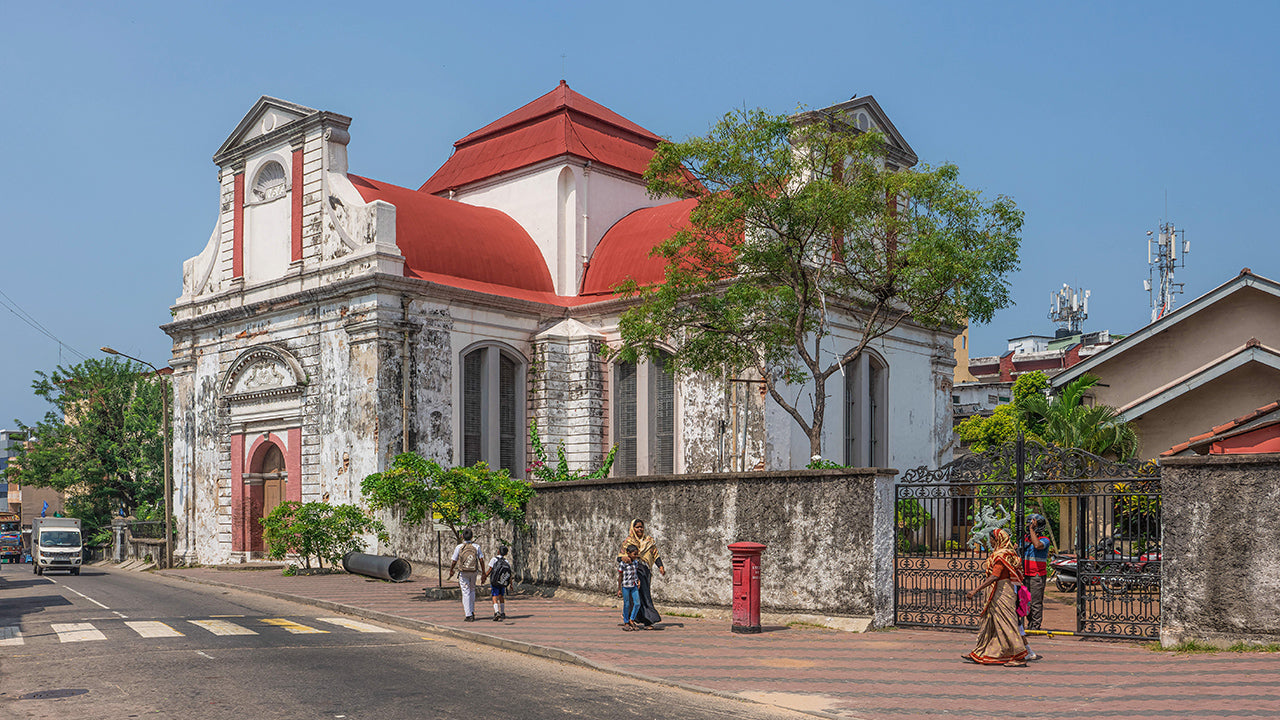
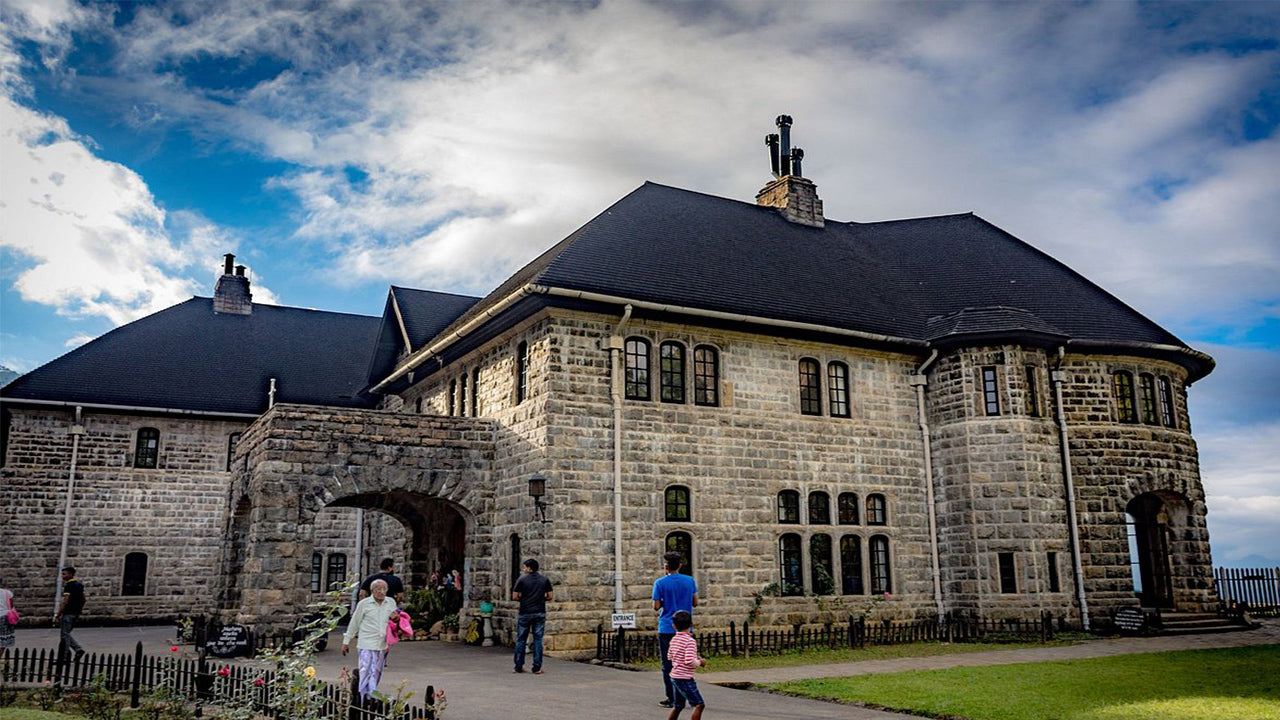
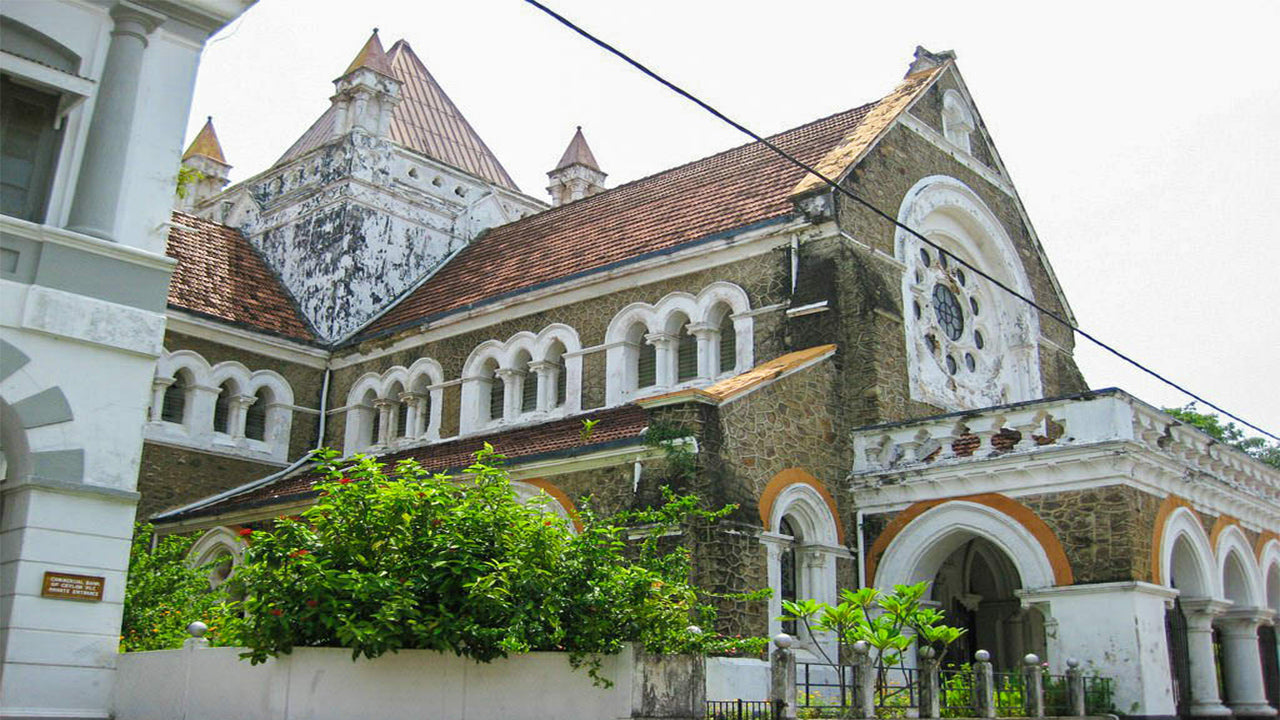
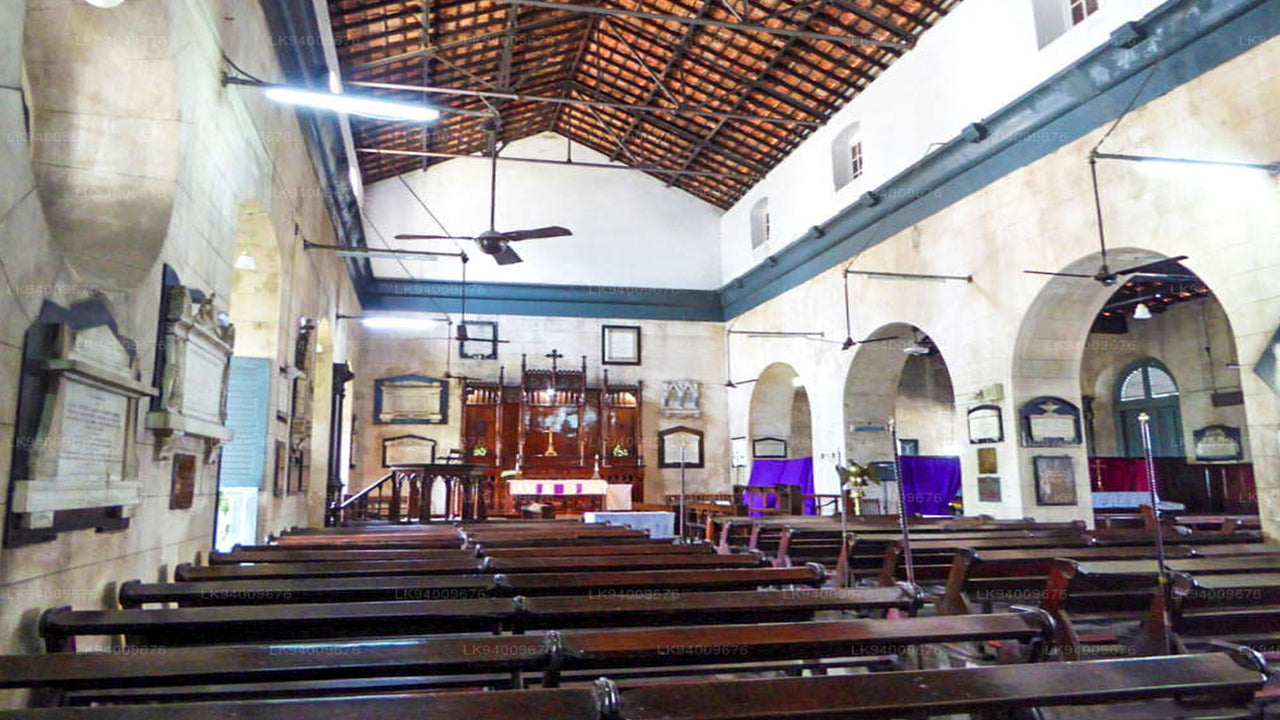
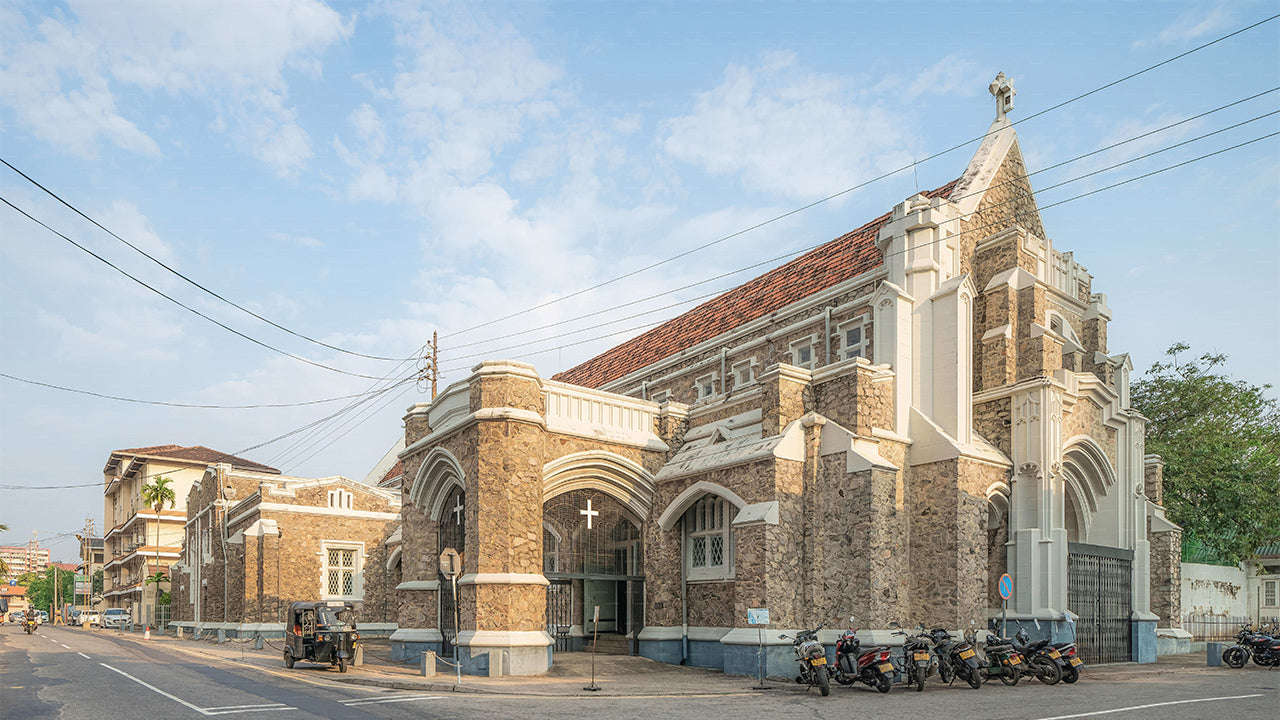
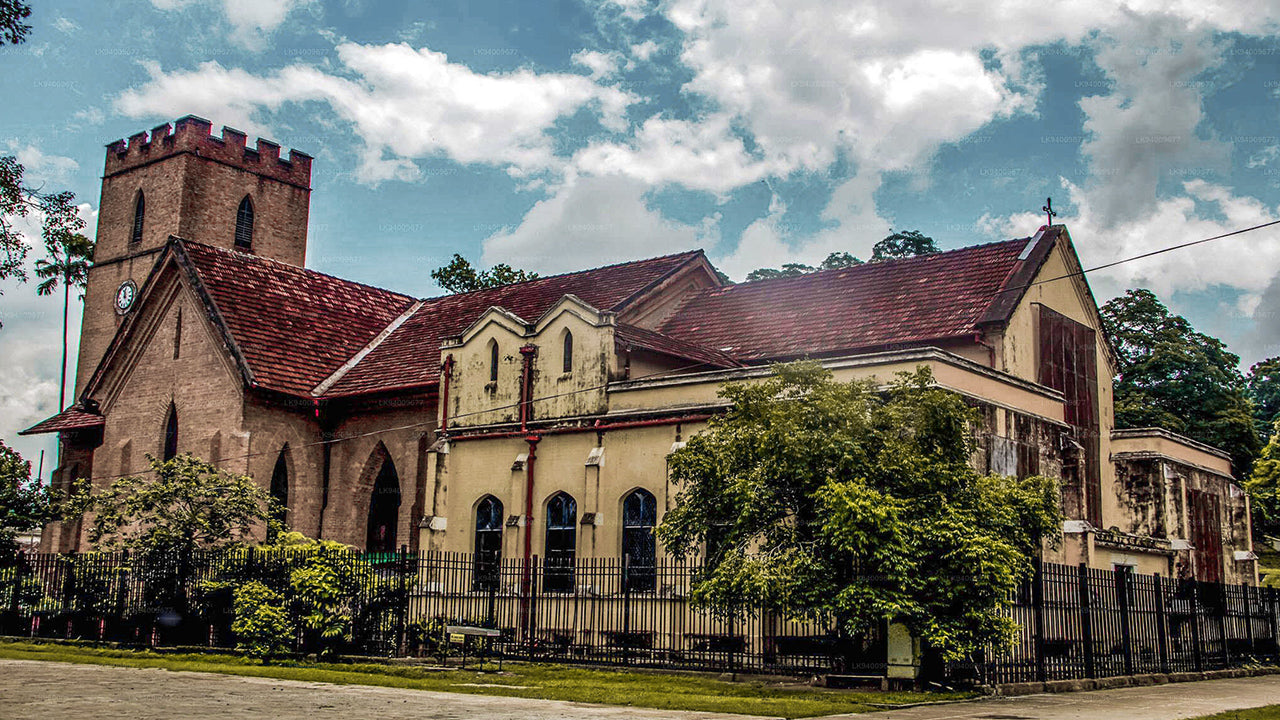
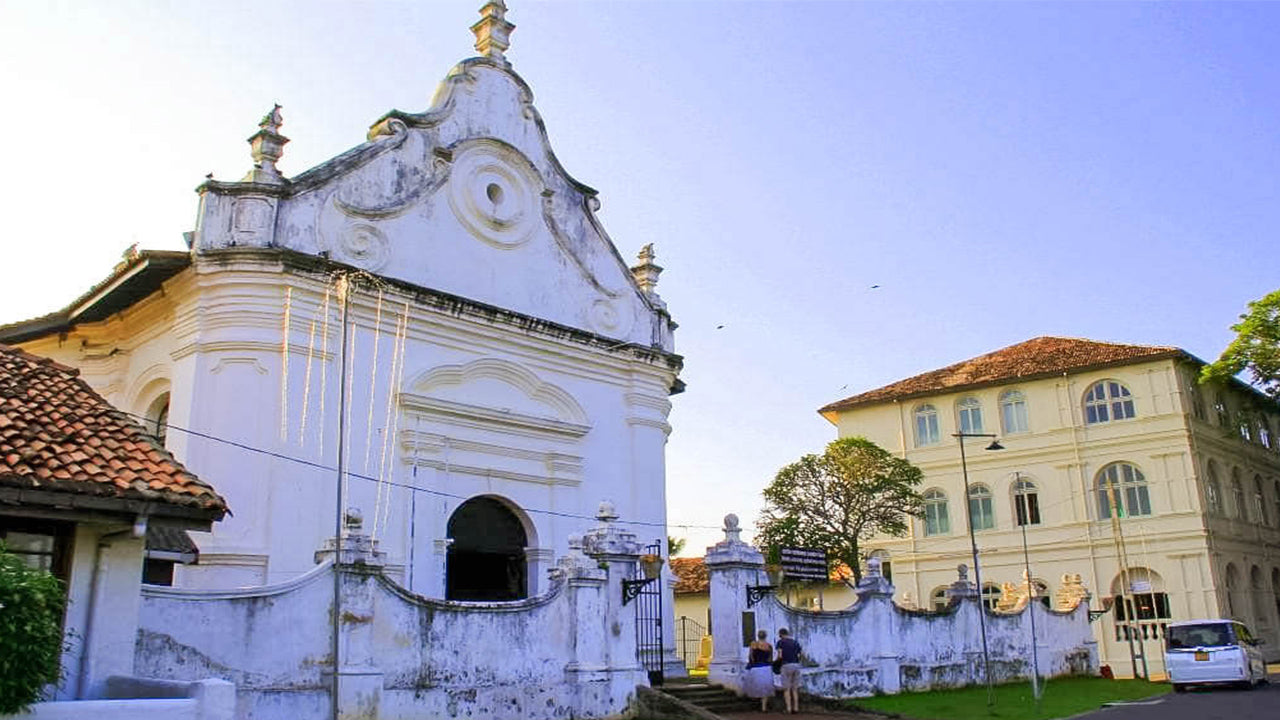
Many of these Protestant conversions were later reversed or diluted after the British takeover in 1796, but the Dutch Reformed tradition left a lasting architectural legacy. Several colonial-era churches built during the Dutch period still stand in Colombo, Galle, and other towns, appreciated today both as places of worship and as heritage sites.

What is the status of Christianity in Sri Lanka today?

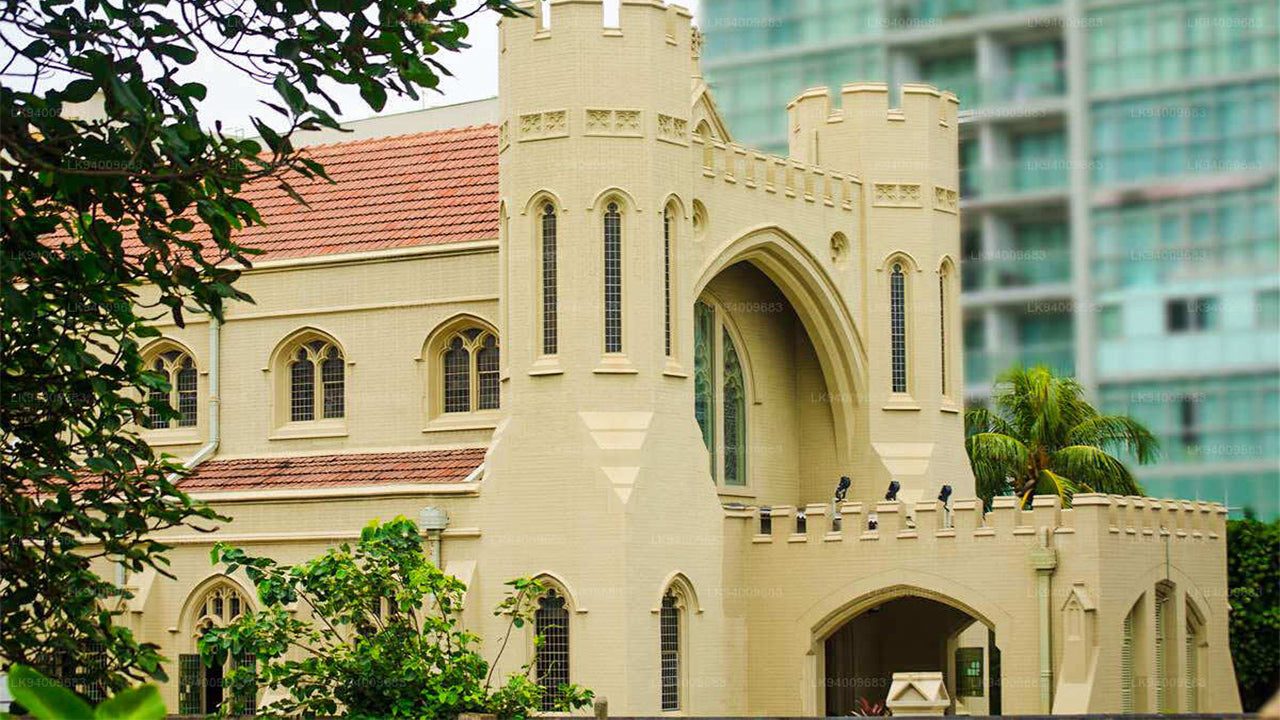
Christians make up roughly seven to eight percent of Sri Lanka's population, with Roman Catholics forming the largest share. The community is distributed across the island but is particularly concentrated along the western coast, in the northern Jaffna peninsula — where a significant Tamil Catholic community exists — and in Colombo. Anglican, Methodist, Baptist, and Pentecostal congregations are also present, a legacy of the British colonial period and subsequent missionary activity.

Christian festivals, especially Christmas and Easter, are observed as public holidays in Sri Lanka and are marked with processions, midnight masses, and community celebrations that draw participants well beyond the Christian population. The feast days of specific saints — particularly in Catholic coastal towns — are among the most visually striking local events a traveller can witness.

Which are the most significant Christian heritage sites in Sri Lanka?

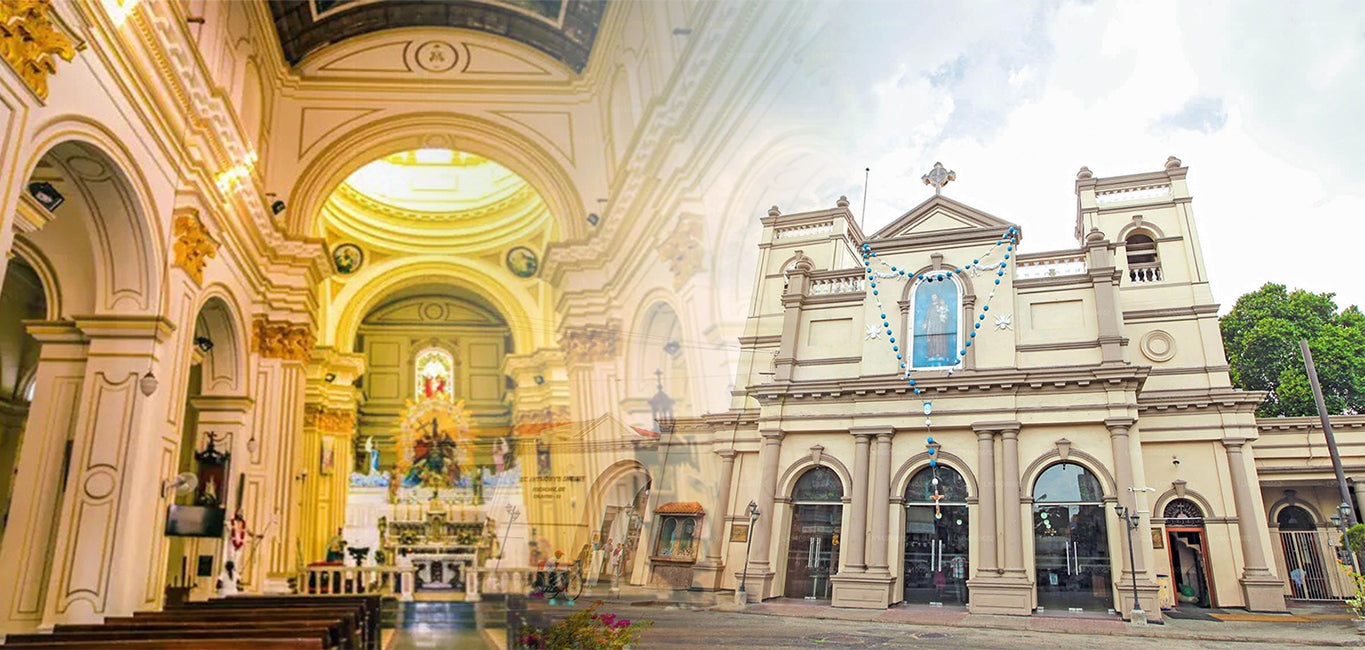
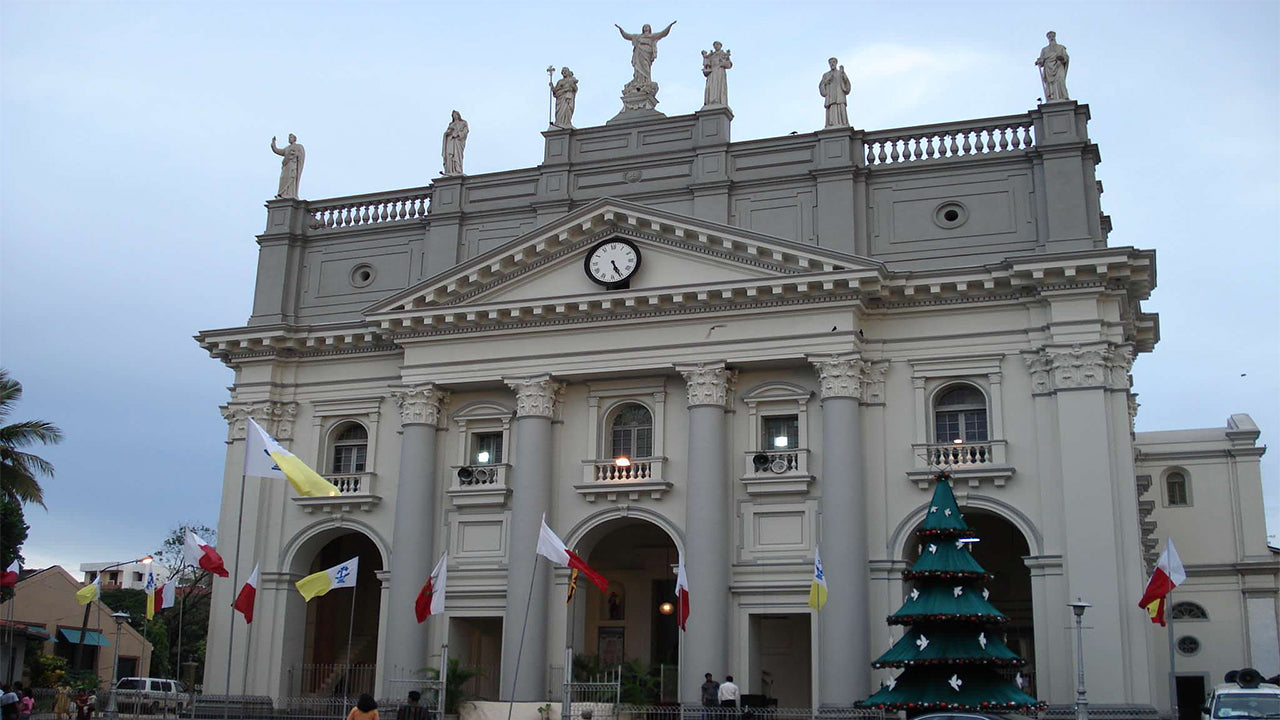
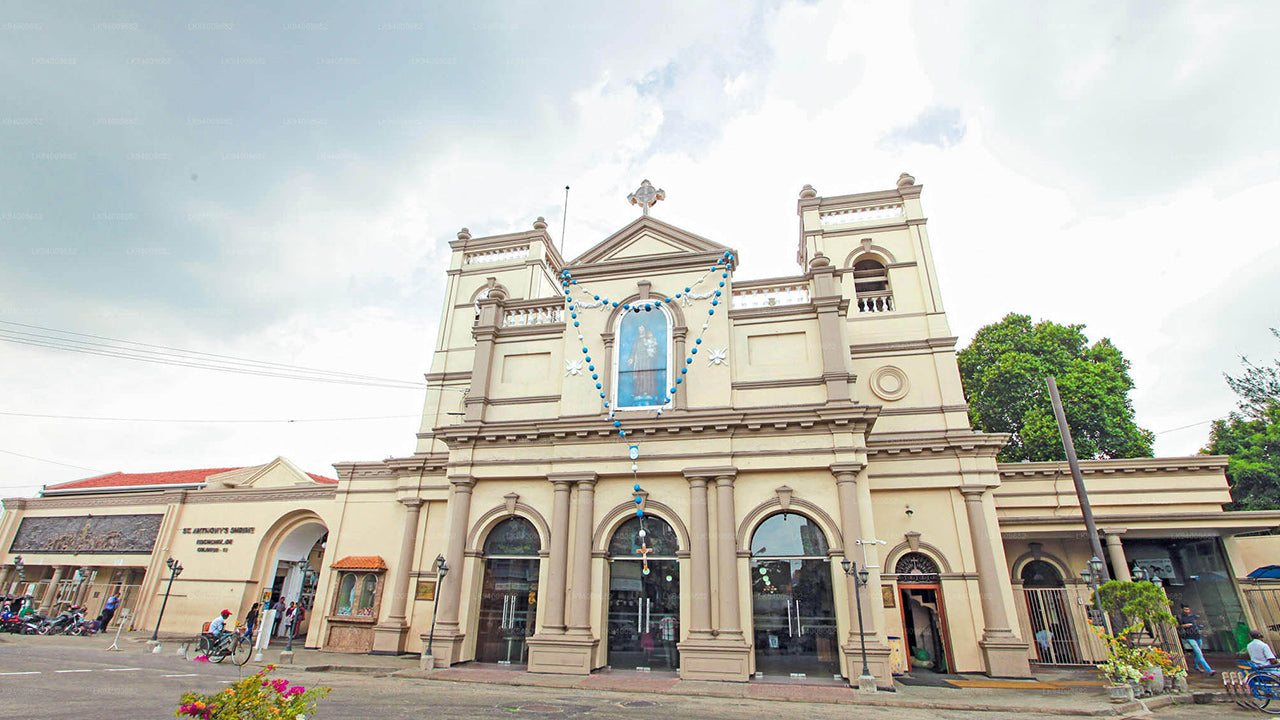
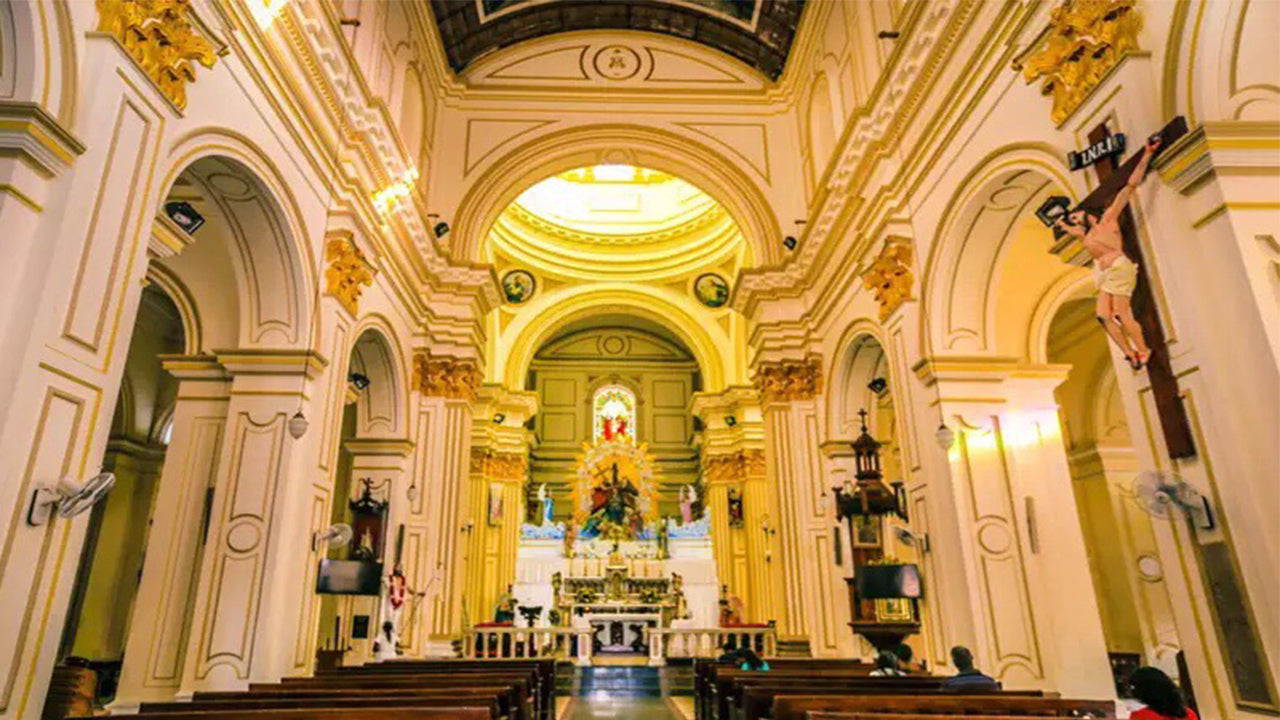
  • St. Lucia's Cathedral, Colombo: One of the largest Catholic cathedrals in South Asia, built in the early 20th century in the Kotahena district of Colombo.
  • St. Mary's Church, Negombo: Known locally as the "Rome of the East", Negombo is home to one of Sri Lanka's most celebrated Catholic churches, surrounded by a community whose faith dates to the Portuguese era.
  • St. James's Church, Jaffna: A landmark of Tamil Christian heritage in the north.
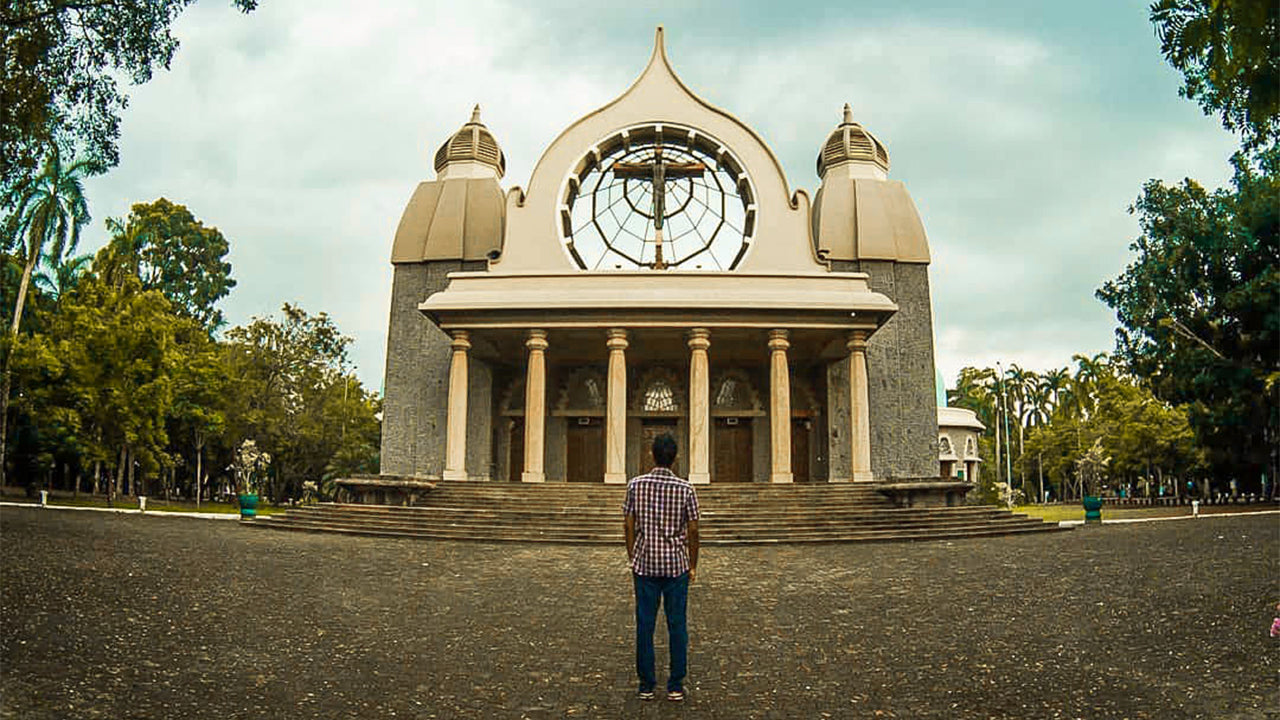
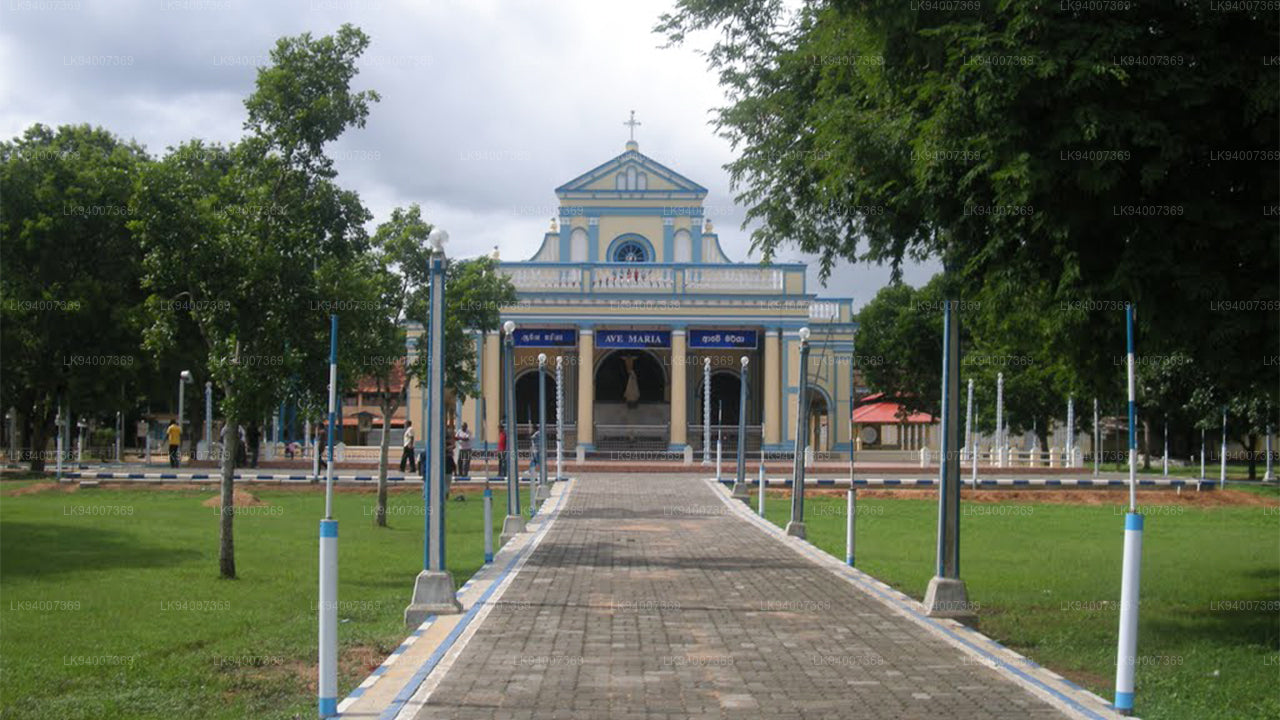
  • Madhu Church: A revered Marian shrine in the Mannar district, drawing pilgrims from across the island regardless of ethnic or denominational background.
  • Anuradhapura Cross: Displayed in the Anuradhapura museum, this 3rd–10th century artefact is the earliest physical evidence of Christianity in Sri Lanka.
  • Dutch Reformed churches in Galle and Colombo: Colonial-era structures that reflect the Dutch period's architectural and religious legacy.

How does Christianity relate to Sri Lanka's broader religious landscape?

Sri Lanka is constitutionally a Buddhist-majority nation, and Buddhism holds a special protected status under the constitution. However, the country has a long tradition of religious pluralism, with Hinduism, Islam, and Christianity each representing significant minority communities. Interfaith relationships are generally respectful at the community level, though tensions have occasionally emerged in the post-independence period.

For travellers interested in the island's religious diversity, Sri Lanka offers a rare opportunity to encounter the physical traces of almost two millennia of Christian history alongside equally ancient Buddhist, Hindu, and later Islamic heritage — often within a short distance of one another.

Book this experience with Lakpura

Curated by our local team. Direct booking, instant confirmation.

Ask Lakpura® Agent