Ville de Negombo
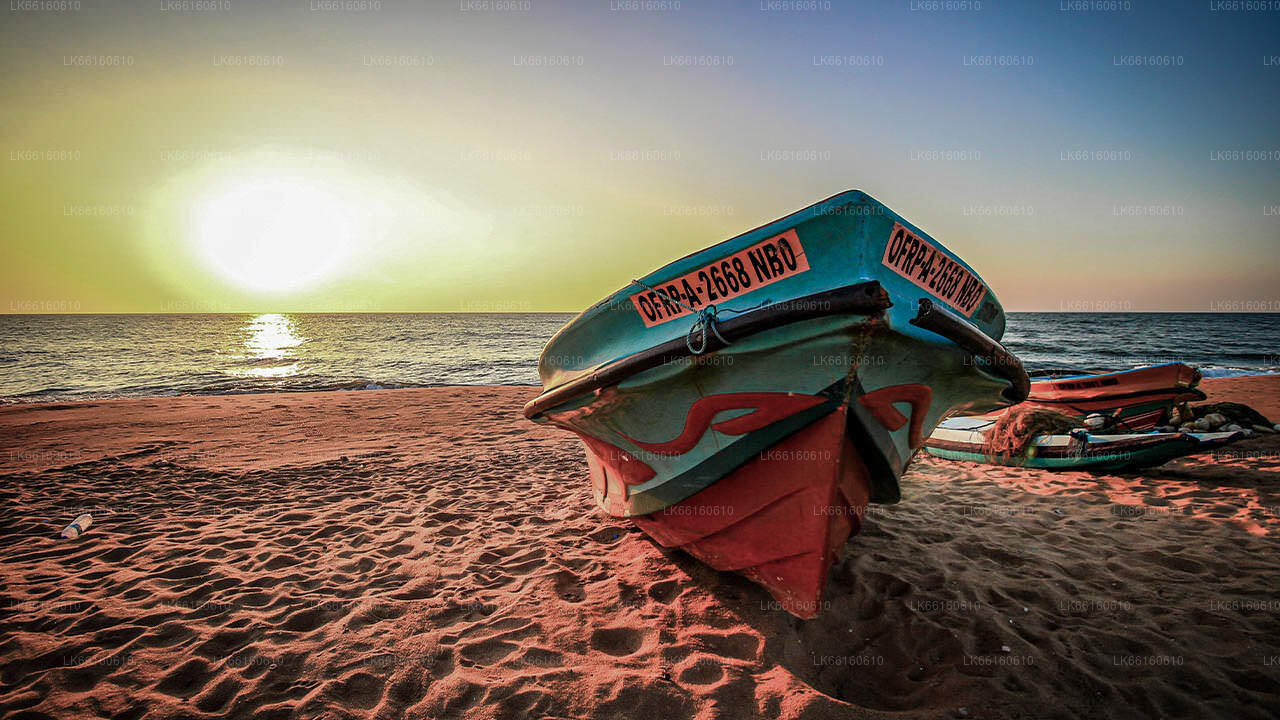
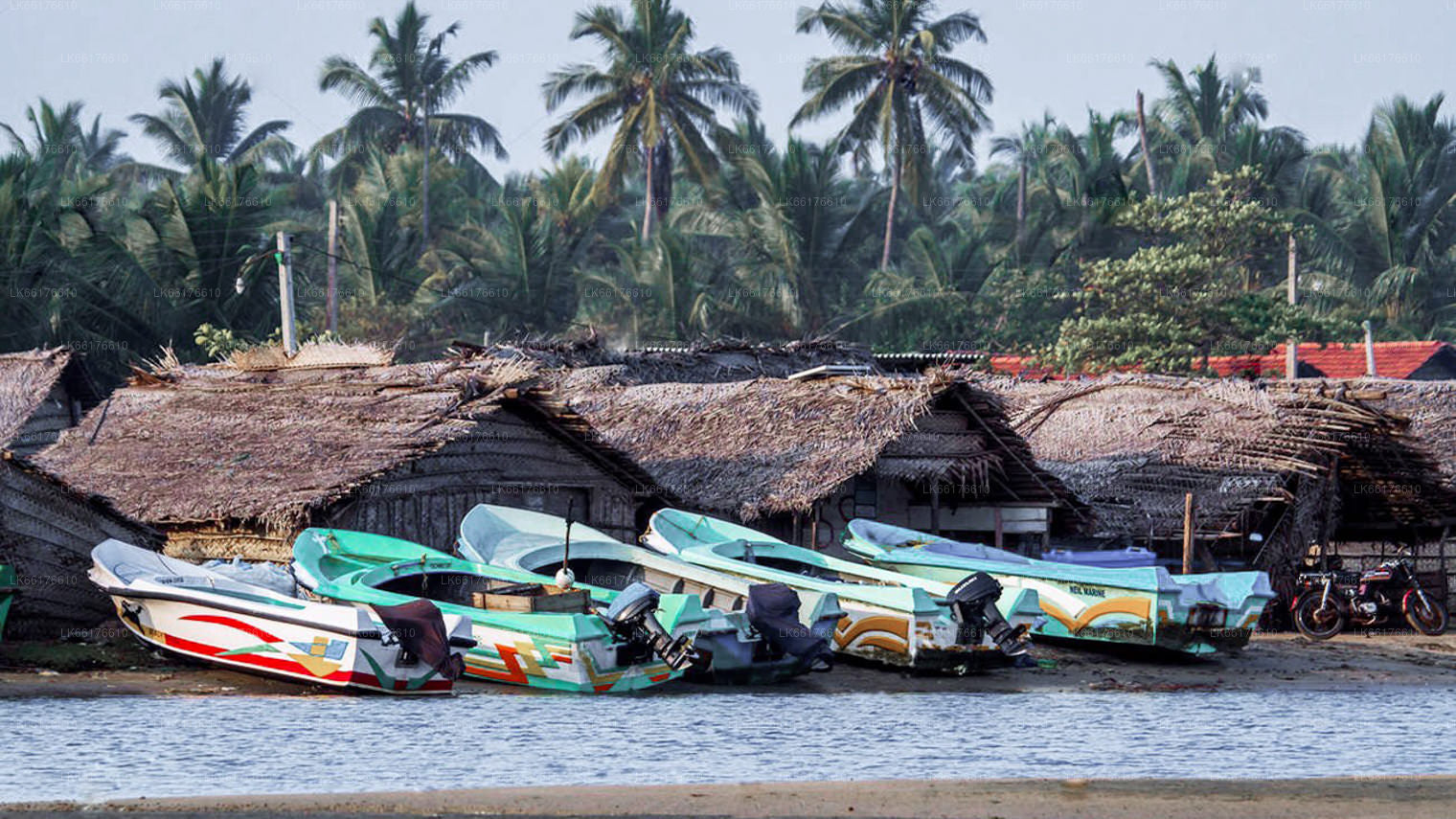
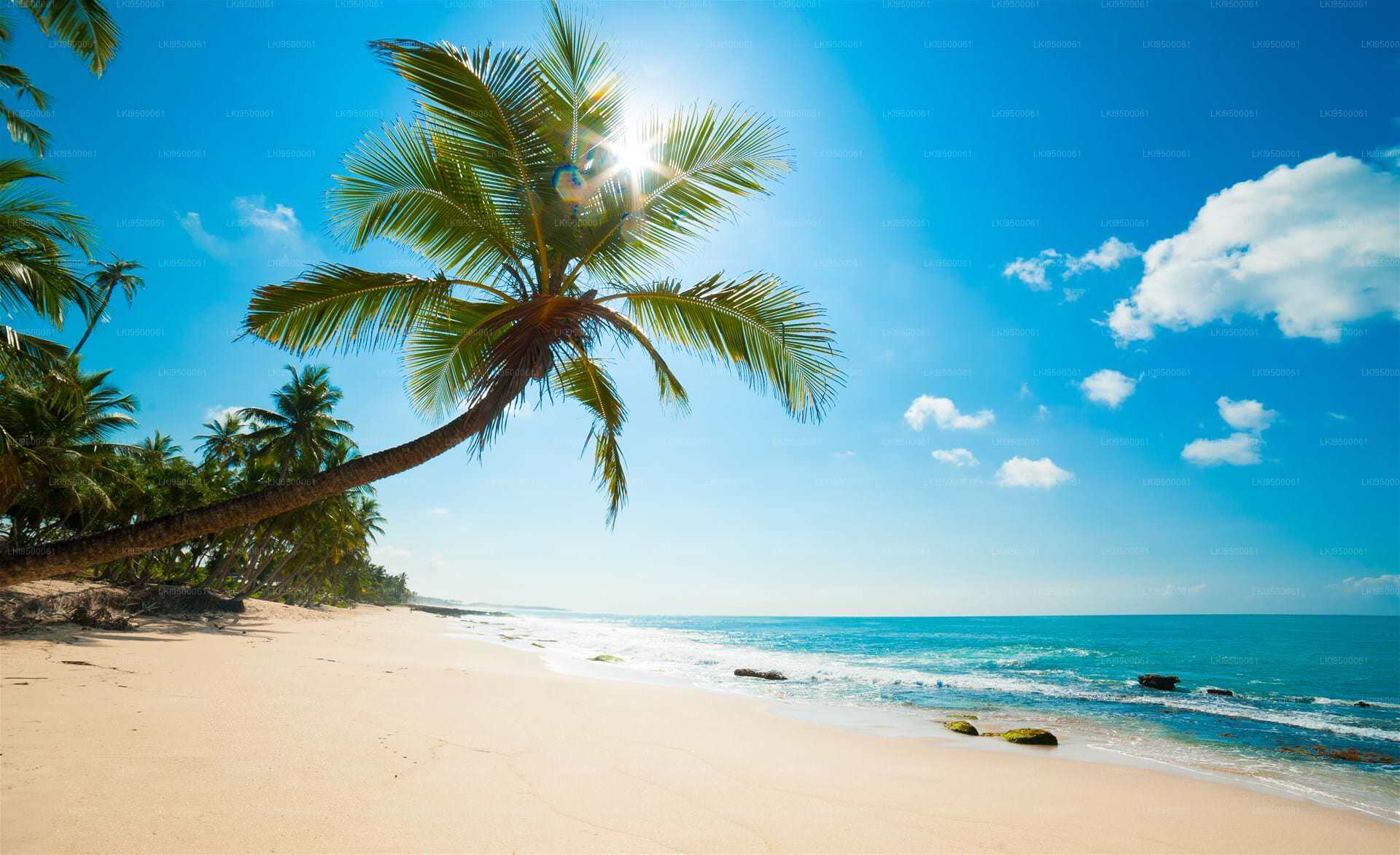
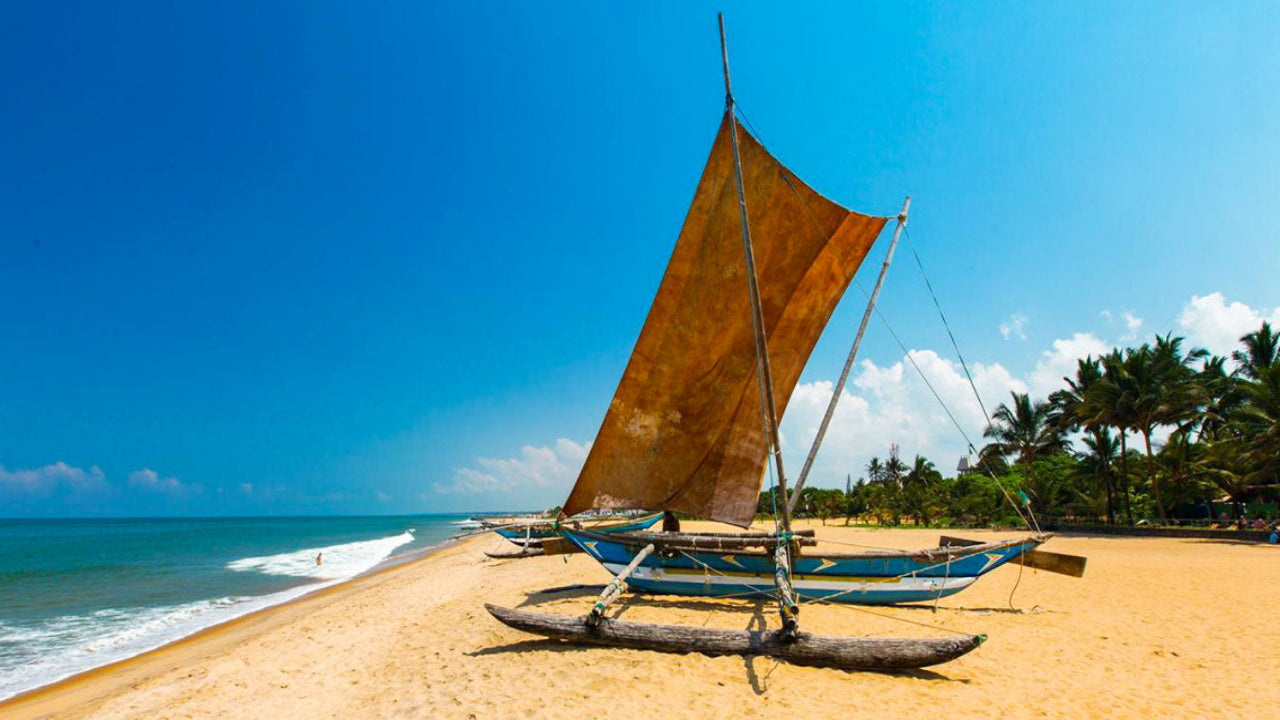
Negombo, ville côtière du Sri Lanka, offre un mélange vibrant de patrimoine culturel et de charme balnéaire. Connue pour ses plages immaculées, son canal hollandais et ses marchés aux poissons animés, elle invite à des excursions passionnantes et à la sérénité de ses temples. À chaque visite, découvrez le charme de la riche mosaïque de Negombo.
Dutch Fort Negombo
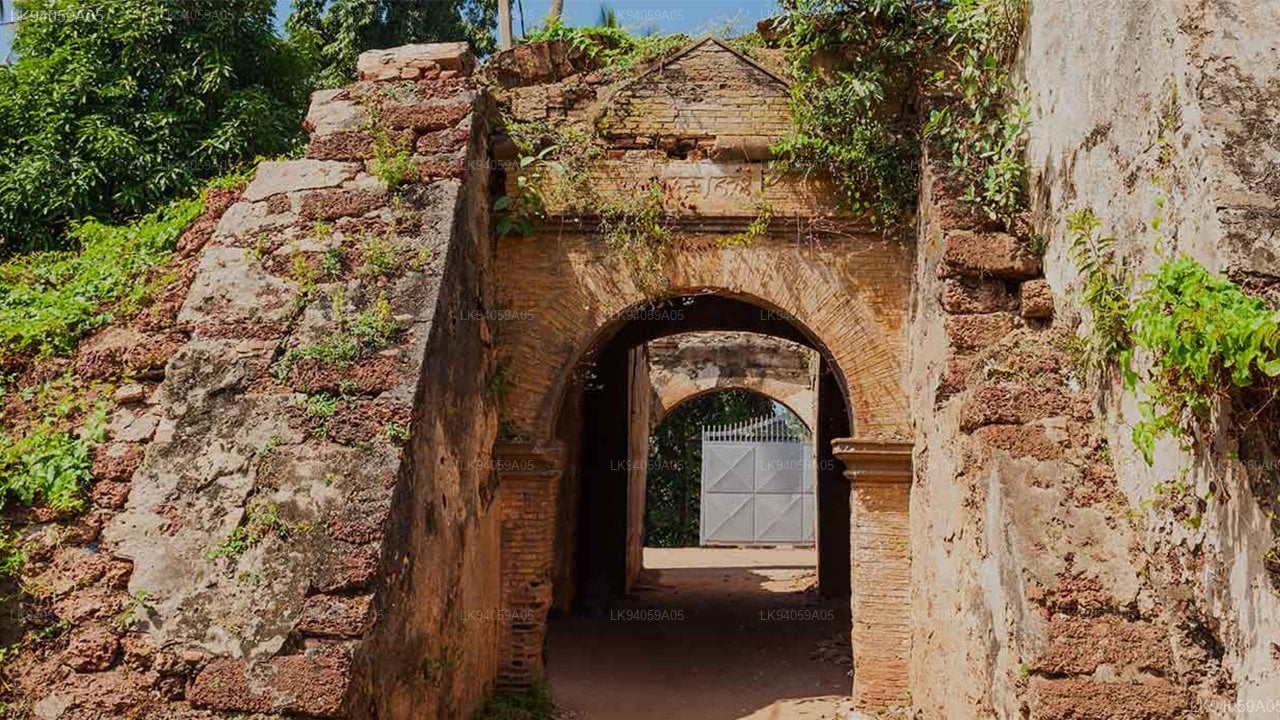
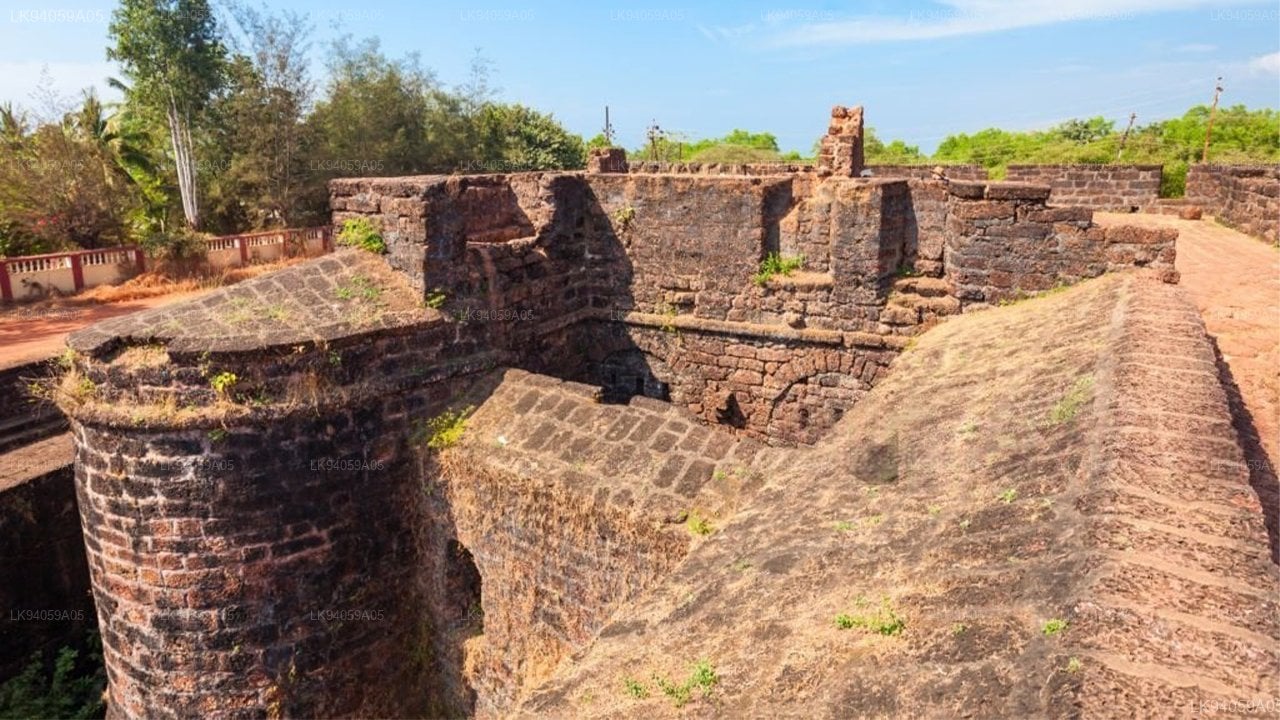
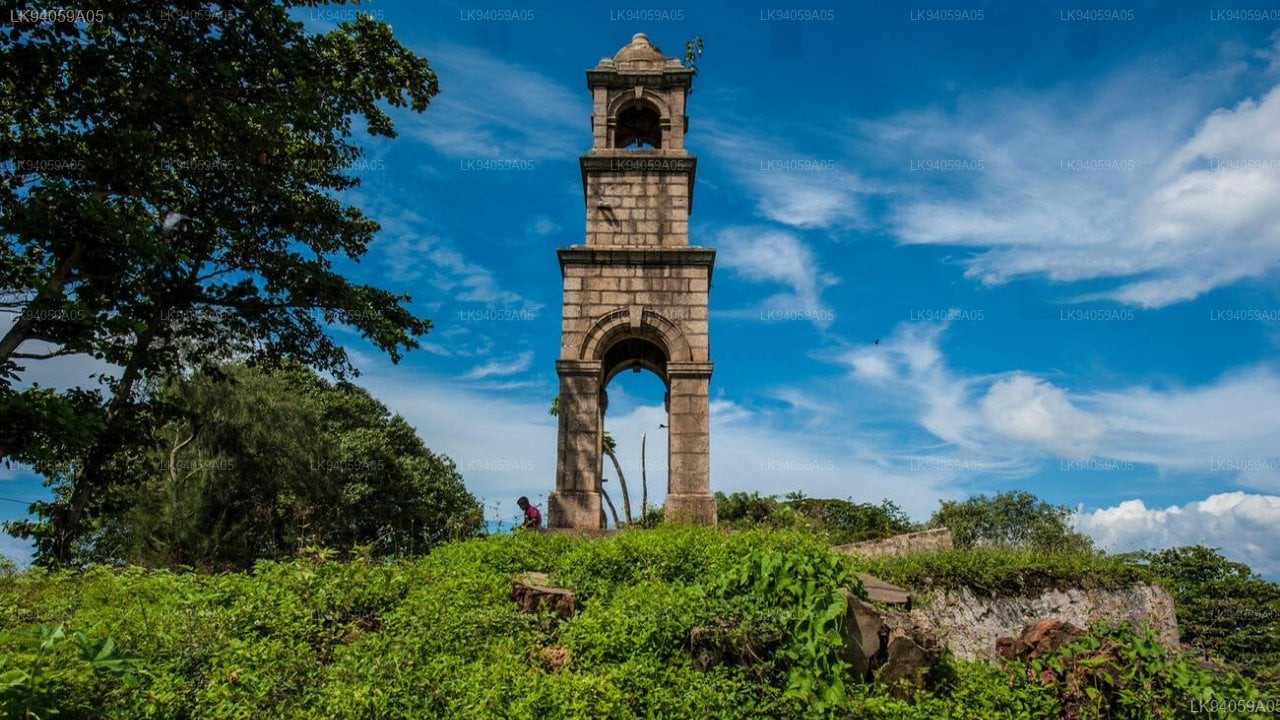
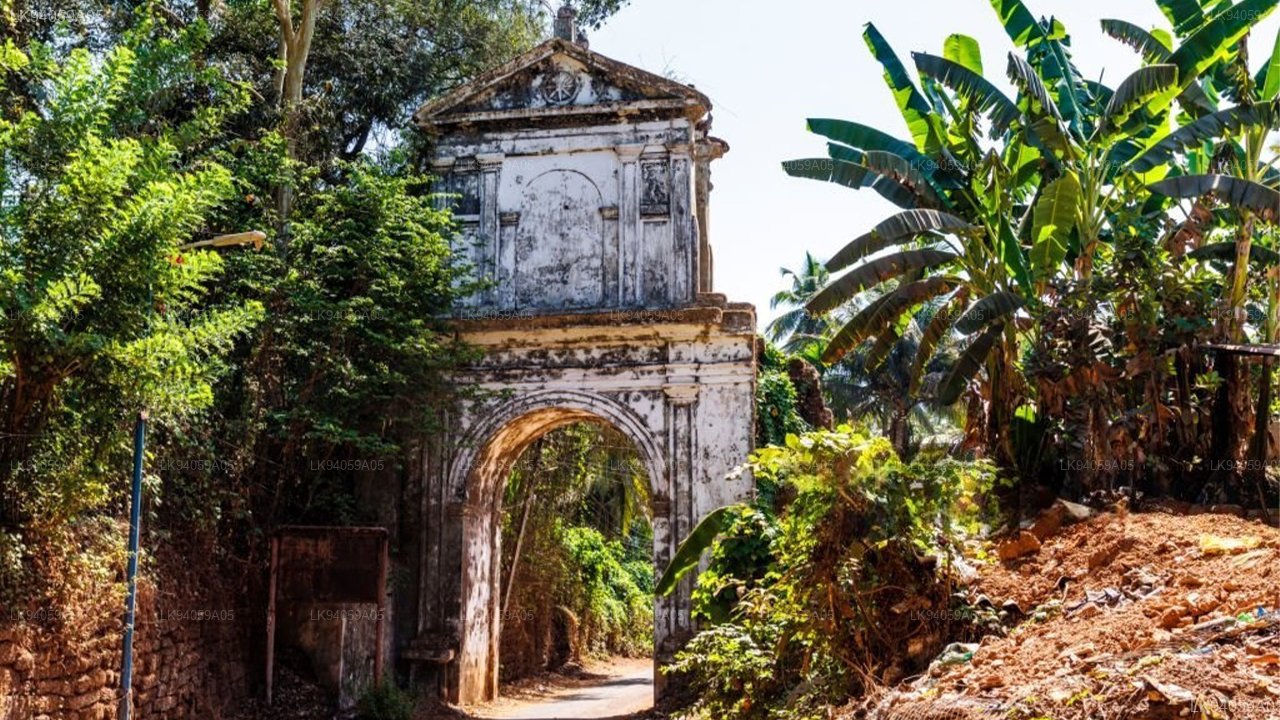
The Dutch Fort in Negombo is a historic site that offers a fascinating insight into Sri Lanka's colonial past. Built in the late 17th century by the Dutch, the fort is located in the coastal town of Negombo, just a short distance from the bustling Negombo Fish Market. Although much of the original structure has been lost to time, the remains of the fort still stand as a testament to the strategic importance of Negombo during the colonial era.
The fort's construction was part of the Dutch effort to control the valuable cinnamon trade and secure the coastal regions of Sri Lanka. The site was originally a Portuguese fortification, which the Dutch captured and expanded upon. The fort's walls were designed to withstand attacks and provide a stronghold for the Dutch settlers.
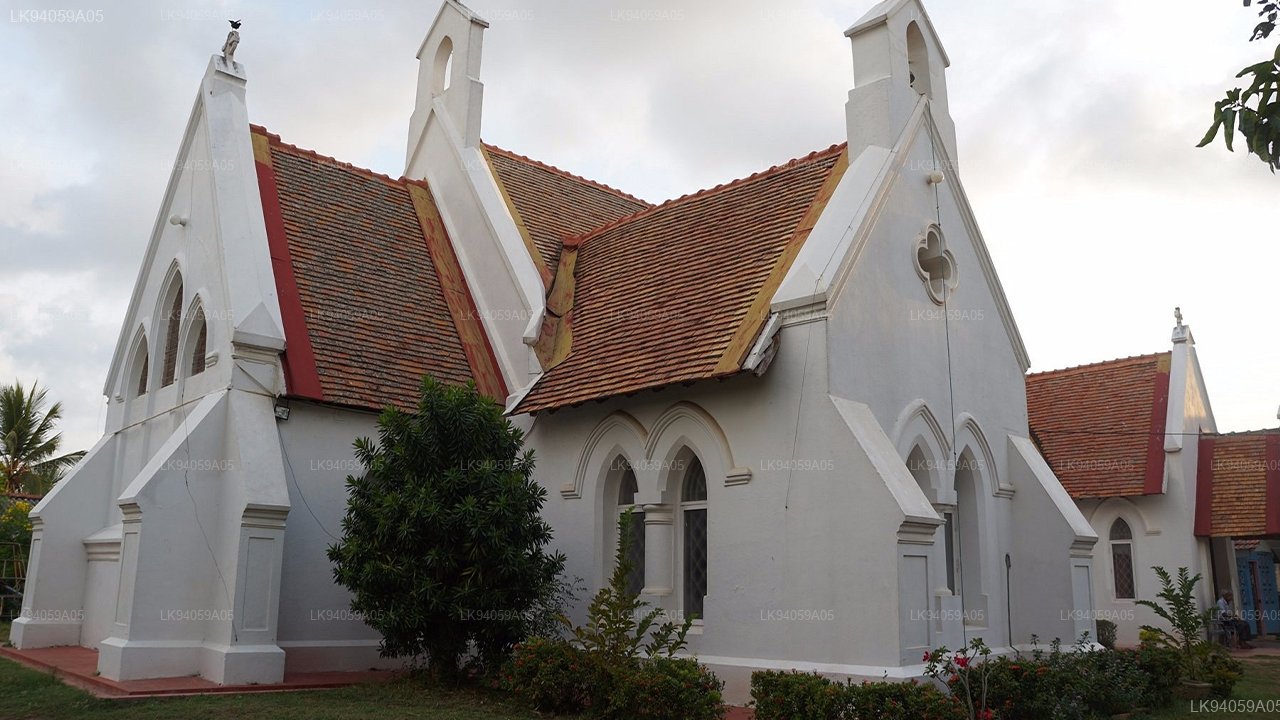
Today, visitors to Dutch Fort Negombo can see the remnants of the walls and gates, as well as a few colonial-era buildings that have survived. One of the most notable structures within the fort's premises is the Dutch Reformed Church, which dates back to 1678. This church, with its simple yet elegant architecture, is a significant landmark that reflects the Dutch architectural influence in the region.
The fort area also offers picturesque views of the Negombo Lagoon and the surrounding landscape. It is a popular spot for tourists who are interested in exploring the rich history of the area and understanding the impact of European colonial powers on Sri Lanka.
While the fort itself may not be as imposing as it once was, the site remains a key attraction in Negombo, drawing visitors who are keen to delve into the past and experience the cultural heritage of this coastal town. A visit to Dutch Fort Negombo provides a unique opportunity to connect with Sri Lanka's layered history, from its colonial encounters to its vibrant present.
District de Gampaha
Gampaha est une ville urbaine du Sri Lanka et la capitale du district de Gampaha, dans la province de l'Ouest, au nord de Colombo. Le district de Gampaha est séparé de Colombo principalement par la rivière Kelani. La ville de Gampaha se trouve à environ 4 km de Miriswatta, sur la route Colombo-Kandy. Gampaha est entourée par les villes de Yakkala, Miriswatta, Weliweriya, Udugampola et Ja-Ela.
Le nom « Gampaha » en cinghalais signifie littéralement « Cinq villages ». Ces cinq villages sont Ihalagama, Pahalagama, Medagama, Pattiyagama et Aluthgama.
Province de l'Ouest
La province de l'Ouest est la plus densément peuplée du Sri Lanka. Elle abrite la capitale législative, Sri Jayawardenapura, ainsi que Colombo, le centre administratif et économique du pays. La province de l'Ouest est divisée en trois districts principaux : Colombo (642 km²), Gampaha (1 386,6 km²) et Kalutara (1 606 km²). Centre économique du Sri Lanka, la ville accueille toutes les grandes entreprises locales et internationales, ainsi que les grands créateurs et les grandes enseignes. Préparez-vous donc à une séance de shopping dans la province de l'Ouest.
Avec la plus forte population de toutes les provinces, la province de l'Ouest regroupe la quasi-totalité des principaux établissements d'enseignement de l'île. Parmi les universités de la province, on compte l'Université de Colombo, l'Université de Sri Jayewardenepura, l'Université de Kelaniya, l'Open University, l'Université bouddhiste et pali, l'Université de la Défense générale Sir John Kotelawala et l'Université de Moratuwa. La province de l'Ouest compte le plus grand nombre d'établissements scolaires du pays, comprenant des écoles nationales, provinciales, privées et internationales.