Lakpura
Lakpura®

Udekkiya

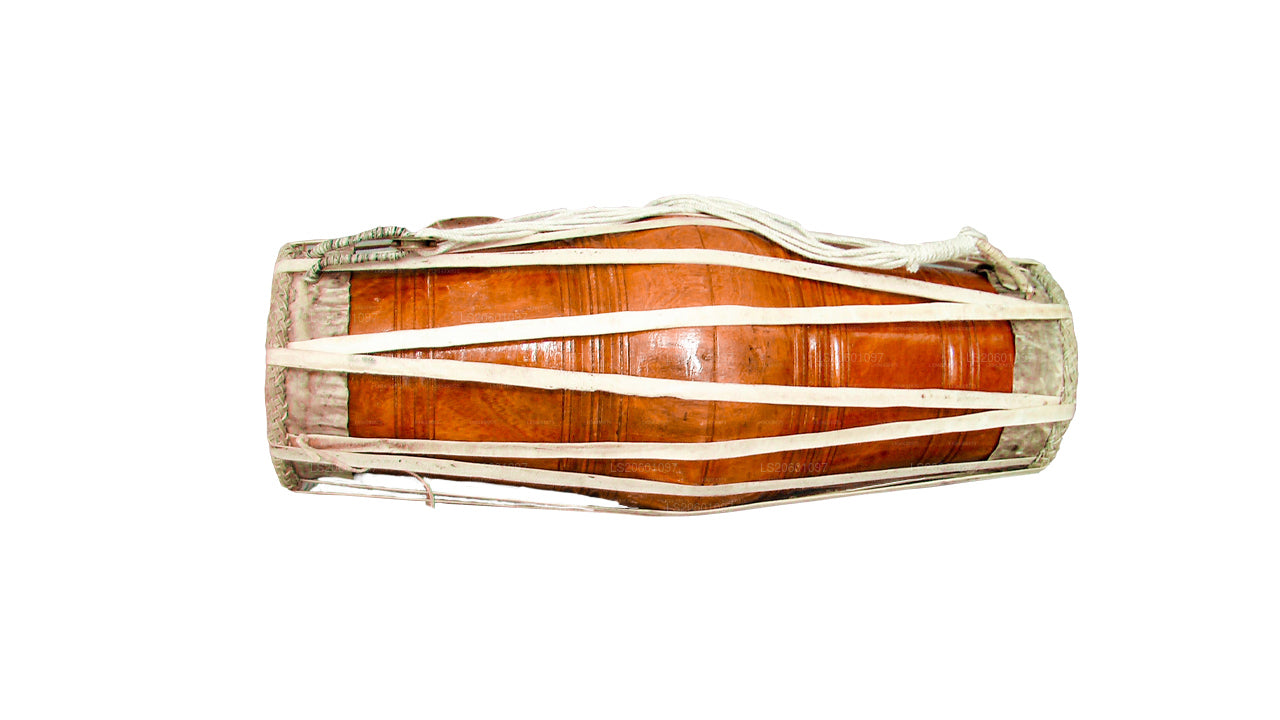
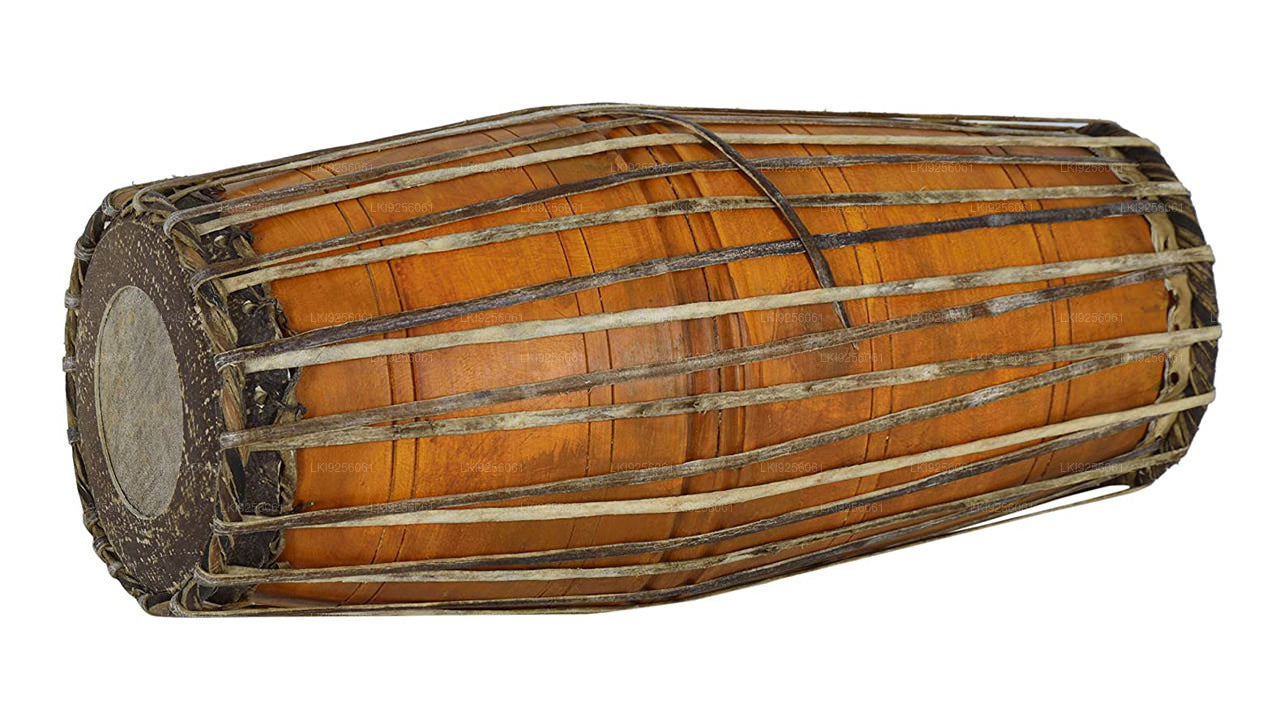
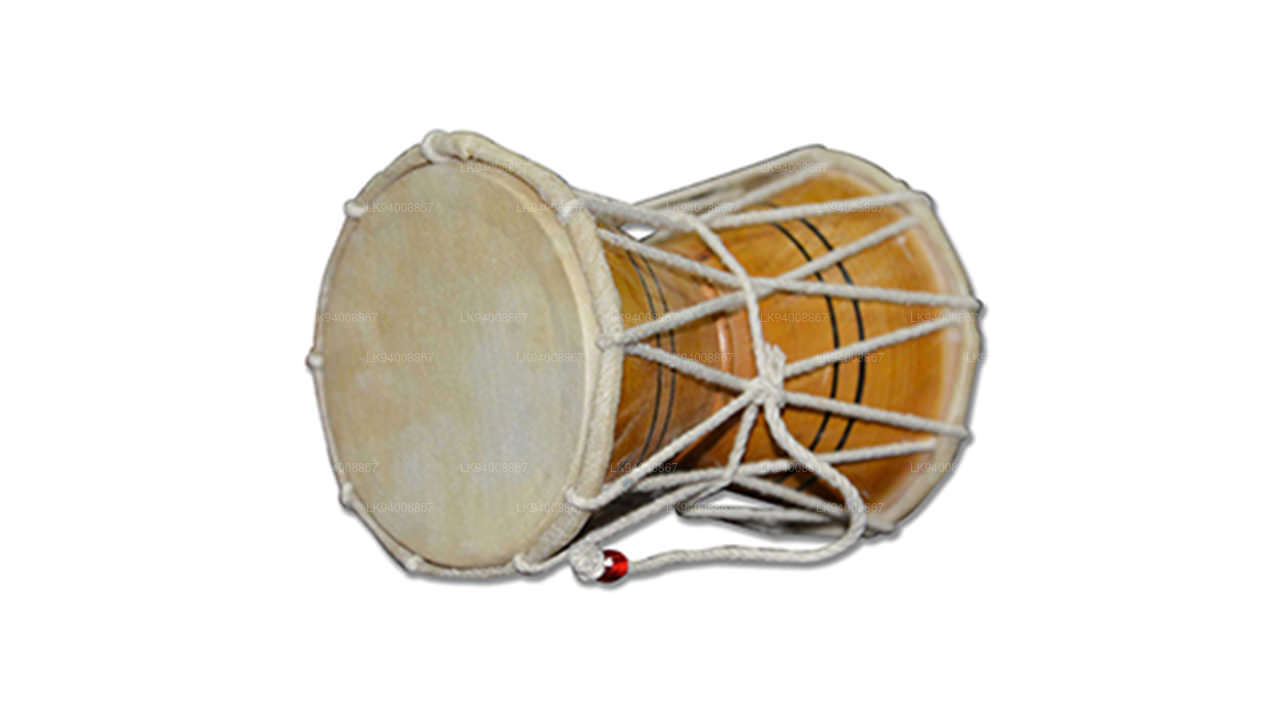
The Udekkiya is one of Sri Lanka's oldest surviving percussion instruments — a small, hourglass-shaped drum with roots that stretch back roughly 1,500 years. While ancient texts record as many as 33 distinct drum types once used across the island, fewer than ten survive in active use today. The rest exist only as names in classical Sinhala literature. The Udekkiya is among the fortunate survivors, still heard in ritual ceremonies, folk performances, and cultural festivals.

What is the Udekkiya and where does it come from?

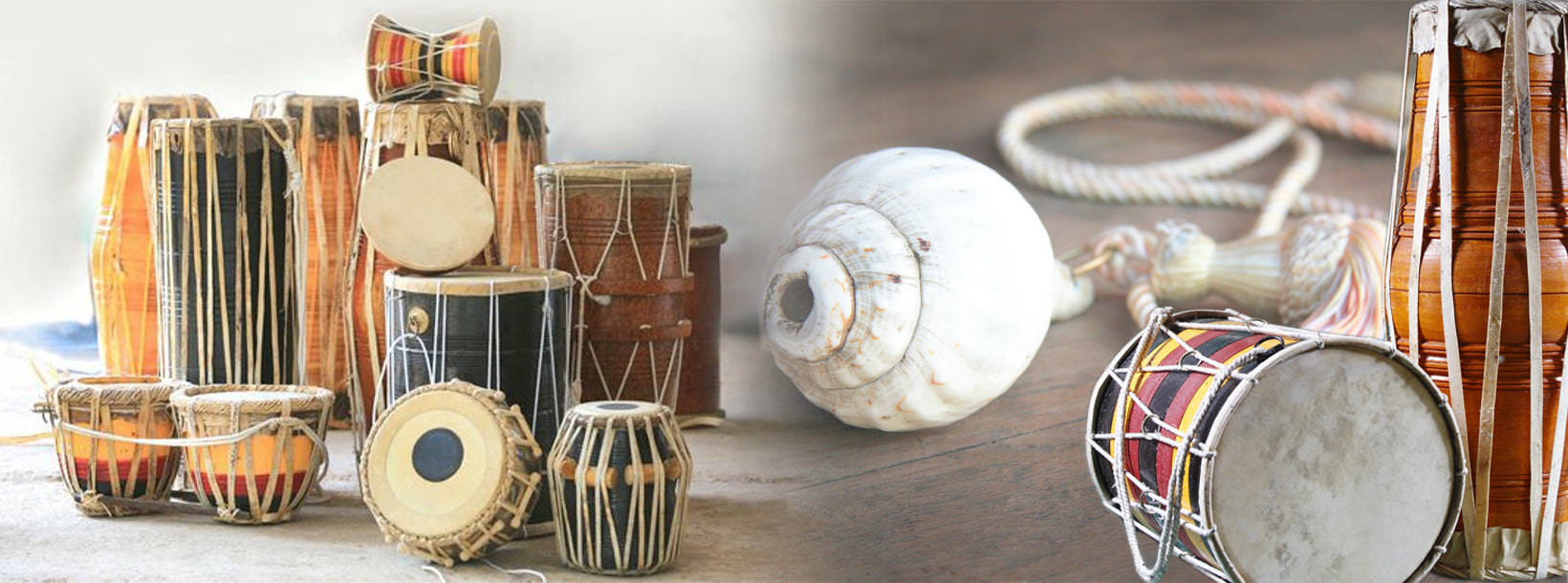
References to drums of this kind appear in revered classical Sinhala texts including Pujawaliya, Thupawansaya, and Dalada Siritha, placing the Sri Lankan drum tradition firmly within a sophisticated and literate musical culture. The Udekkiya belongs to a family of hand drums common across South and Southeast Asia, but the Sri Lankan form has its own distinct construction methods and ceremonial context.

The instrument is closely associated with traditional ritual settings — particularly rites connected to Esala Perahera Festival processions and village-level ceremonies — where its sharp, penetrating tone helps carry rhythm across open spaces.

How is the Udekkiya made?

Crafting an Udekkiya is a skilled process that draws on locally available hardwoods and animal materials. Each instrument is carved from a single piece of either suriya (Maesopsis eminii-type hardwood) or ahala timber, shaped to form two open apertures joined at a narrow waist — the hourglass silhouette that gives the drum its character.

  • Body: Carved from suriya or ahala timber, typically around 30 cm (approximately one foot) in length.
  • Drum heads: Each aperture is covered with leather sourced from the monitor lizard (iguana) or monkey skin, both of which are traditionally prized for their tonal properties.
  • Tension system: The two drum heads are connected by tightly stretched twine that runs along the body of the instrument. A small piece of bound cloth pressed against this twine allows the player to change the pitch mid-performance.

The result is an instrument that is both portable and tonally flexible — qualities that made it practical for itinerant performers and temple musicians alike.

How is the Udekkiya played?

The Udekkiya is struck with two thin sticks called walayan. The player holds the drum horizontally or at a slight angle, striking each head in turn to produce different tones. By squeezing the connecting twine with the bound cloth — typically pressed with the left hand or arm — the tension on the drum heads increases, raising the pitch. Releasing the pressure lowers it. This technique gives the Udekkiya a singing, variable quality that distinguishes it from fixed-pitch drums.

Skilled players can sustain complex rhythmic patterns while simultaneously modulating pitch, making the instrument considerably more demanding than its modest size might suggest. It is typically played solo or alongside other traditional Sri Lankan percussion instruments such as the Gäta Beraya or the Yak Beraya.

What role does the Udekkiya play in Sri Lankan culture?

Sri Lanka's drum traditions are not merely musical — they carry ceremonial weight. Drums have historically signalled the beginning of religious rituals, announced royal processions, and accompanied healing rites. The Udekkiya occupies a specific niche within this ecosystem: it is associated with smaller-scale ritual contexts, street performance, and the expressive folk traditions of rural communities.

Its compact form made it the instrument of travelling performers, and it remains one of the more accessible traditional instruments for cultural demonstrators at heritage villages and craft centres across the island. Visitors to living-culture sites near Kandy can often see the Udekkiya performed alongside dance forms such as Kandyan Ves dance.

Is the Udekkiya still made today?

Traditional instrument making in Sri Lanka has declined significantly over the past century, as imported materials and changing entertainment habits reduced demand. However, a small community of craftspeople — concentrated primarily in the Kandy and Sabaragamuwa regions — continues to produce Udekkiya instruments using methods that have changed little over generations.

Lakpura sources authentic, handcrafted Udekkiya instruments directly from these artisans, making it possible for travellers and collectors worldwide to own a piece of Sri Lanka's living musical heritage. Each instrument is a functional percussion instrument, not a decorative replica.

How does the Udekkiya compare to other Sri Lankan drums?

Drum Shape Playing method Typical context
Udekkiya Hourglass, ~30 cm Two sticks (walayan), twine tension for pitch Ritual, folk, street performance
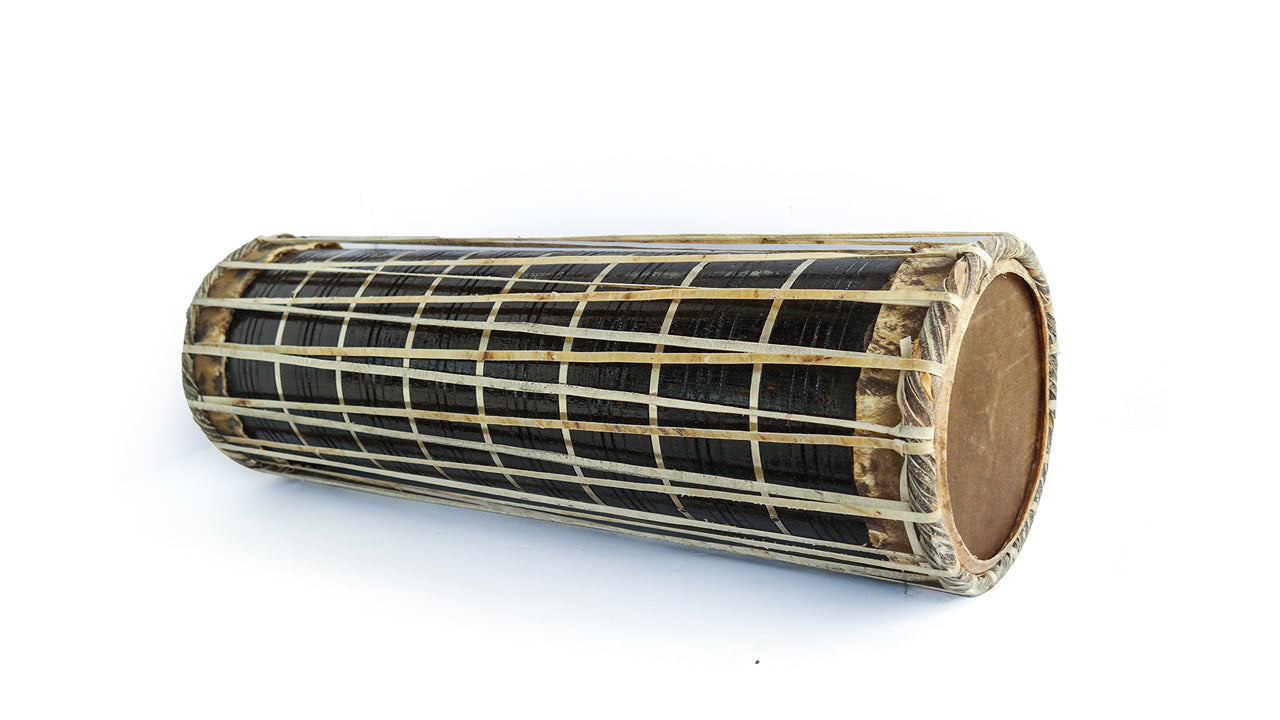
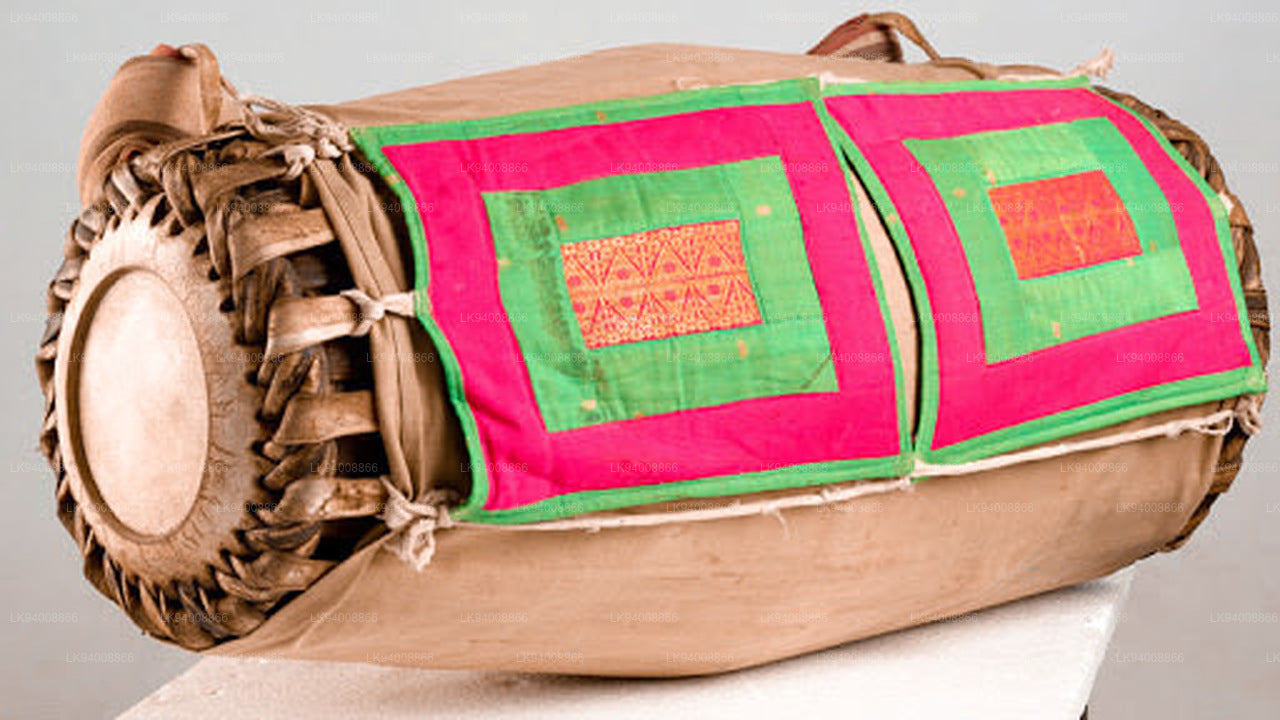
Gäta Beraya Barrel-shaped Hands and fingers Kandyan ceremonial and dance
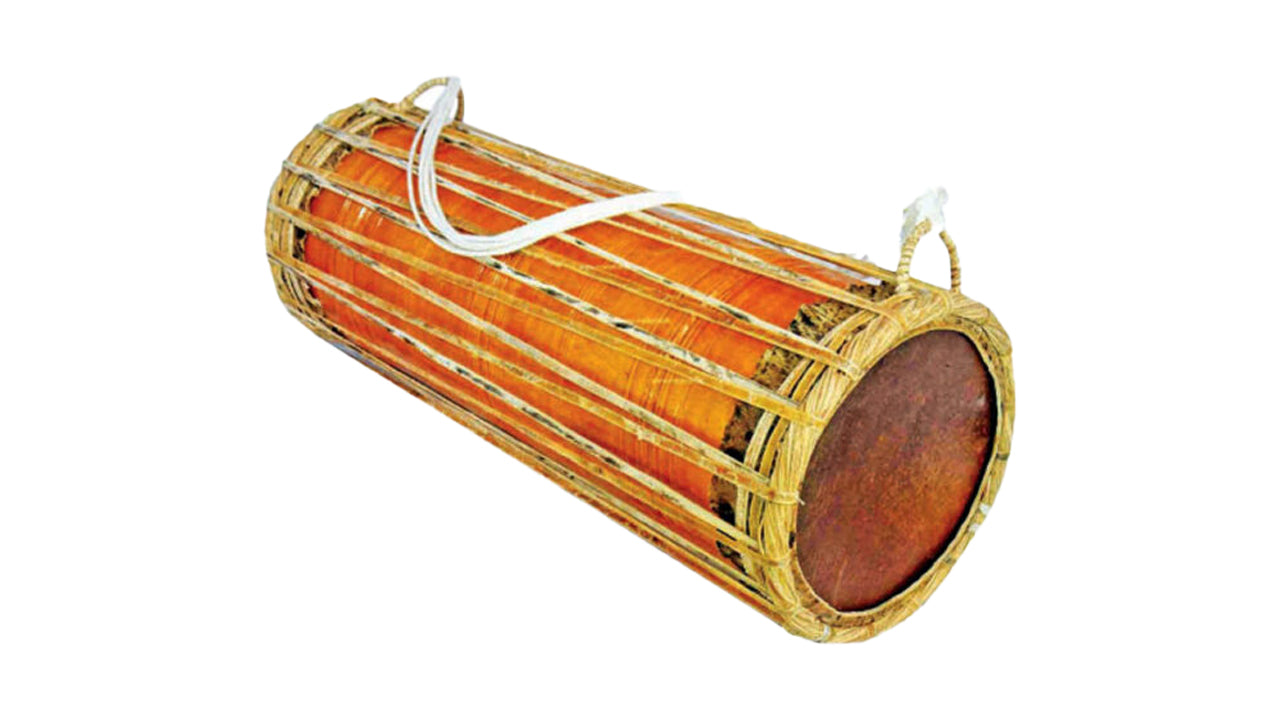
Yak Beraya Cylindrical, large Hands Devil dance (Tovil) rituals
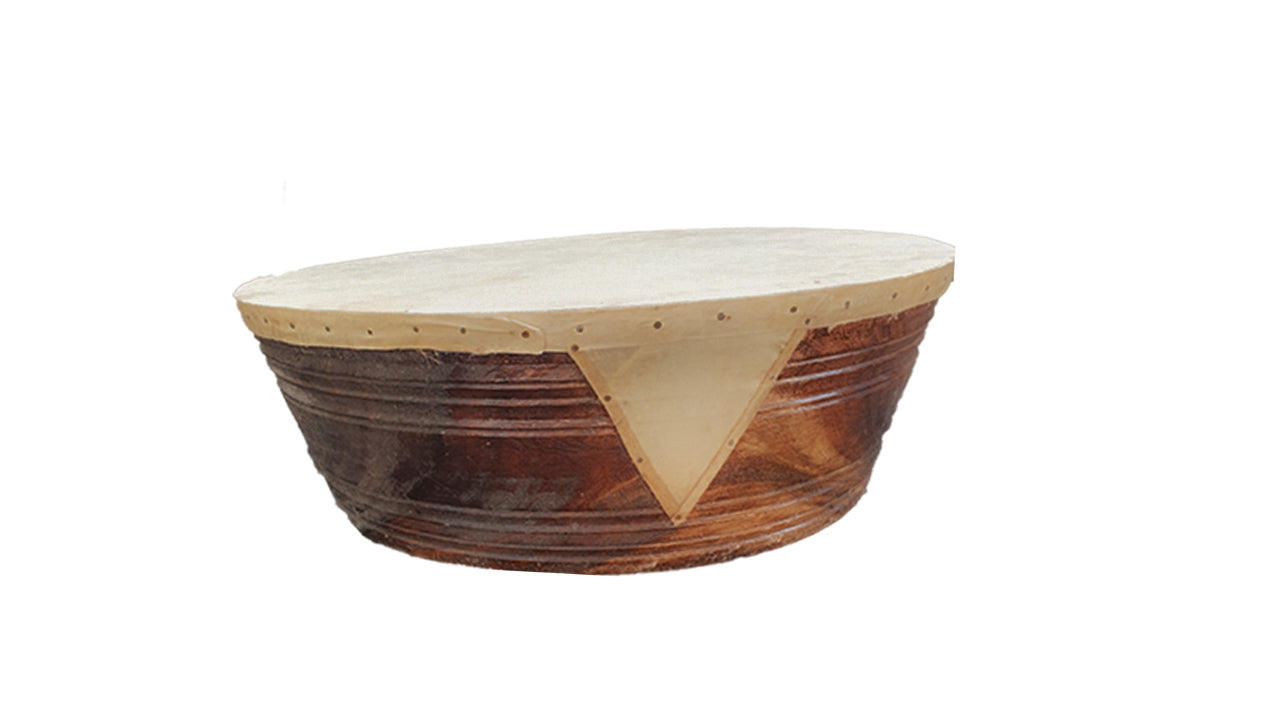
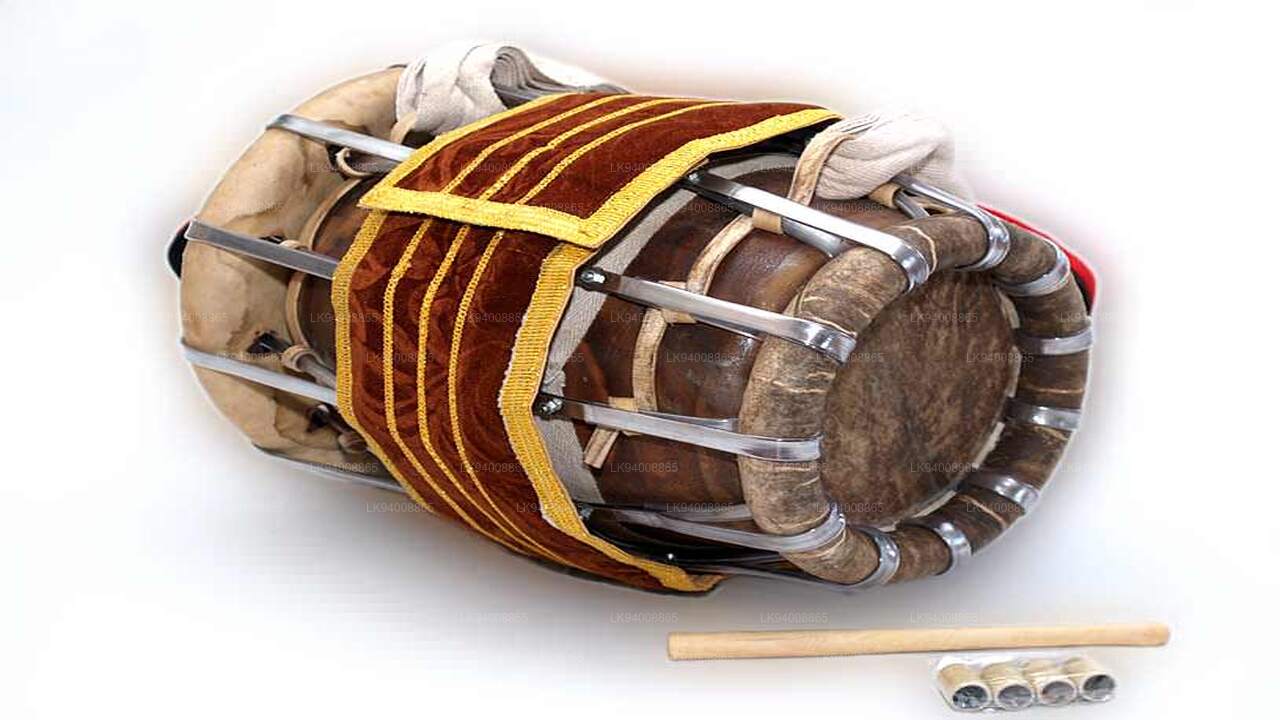
Dawula Double-headed cylindrical One stick, one hand Low-country processions

Where can you hear or learn about traditional Sri Lankan music?

The richest living encounters with traditional Sri Lankan percussion tend to happen around the Kandy region, where temple ceremonies incorporate drumming as an integral and non-optional element — not a tourist add-on. The annual Esala Perahera is the single largest public display of traditional drumming in the country, drawing dozens of drummers in coordinated processions over ten nights each July or August.

Heritage villages near Sigiriya and cultural centres in Colombo also offer demonstrations, though the quality and authenticity of these varies. For the most grounded experience, seek out small temple festivals in rural areas where drumming serves a living ritual function rather than a performance one.

Book this experience with Lakpura

Curated by our local team. Direct booking, instant confirmation.

Ask Lakpura® Agent