Lakpura
Lakpura®

Kalawana City

Kalawana is a small town in Ratnapura District, Sabaragamuwa Province, sitting along the B8 road that connects Kalutara to Nivitagala. Its chief significance for travellers is its role as the northern gateway to the Sinharaja Forest Reserve, a UNESCO World Heritage Site and one of the last remaining patches of lowland tropical rainforest in Sri Lanka. From Kalawana, a 15-kilometre route through Koswatta and Weddagala leads to Kudawa, the main northern entry point to the reserve.

What makes Kalawana worth visiting?

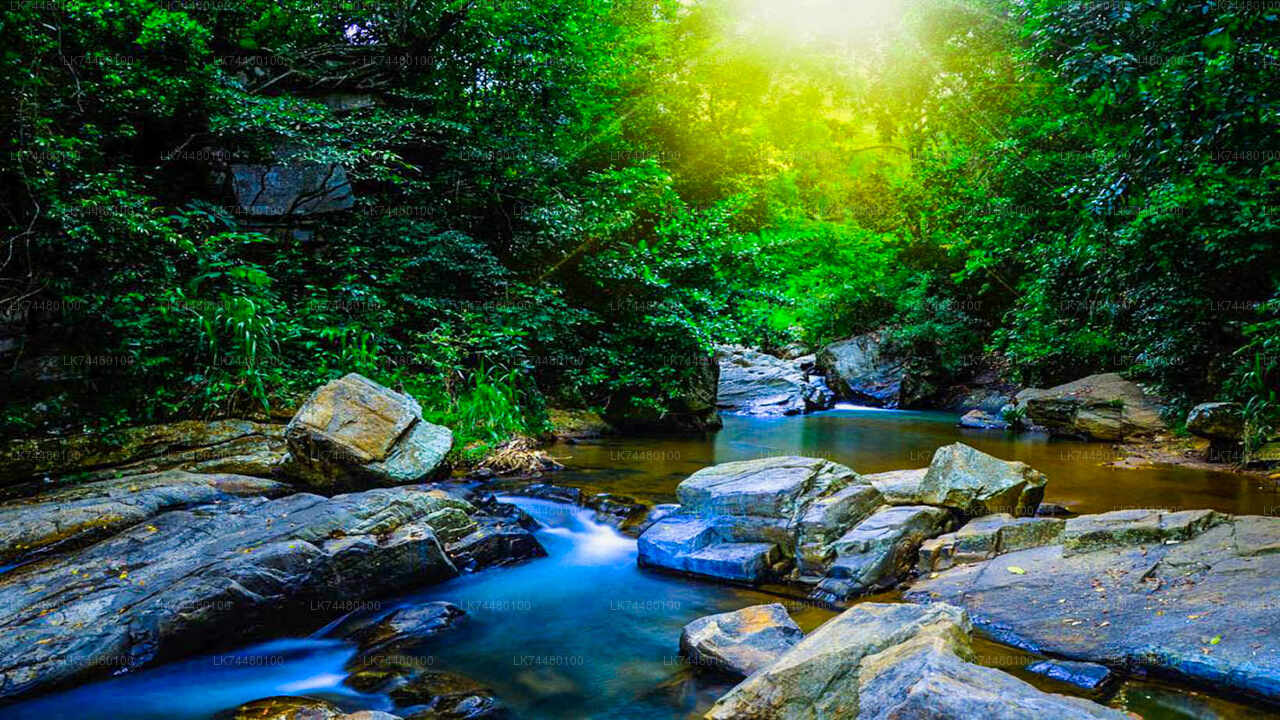
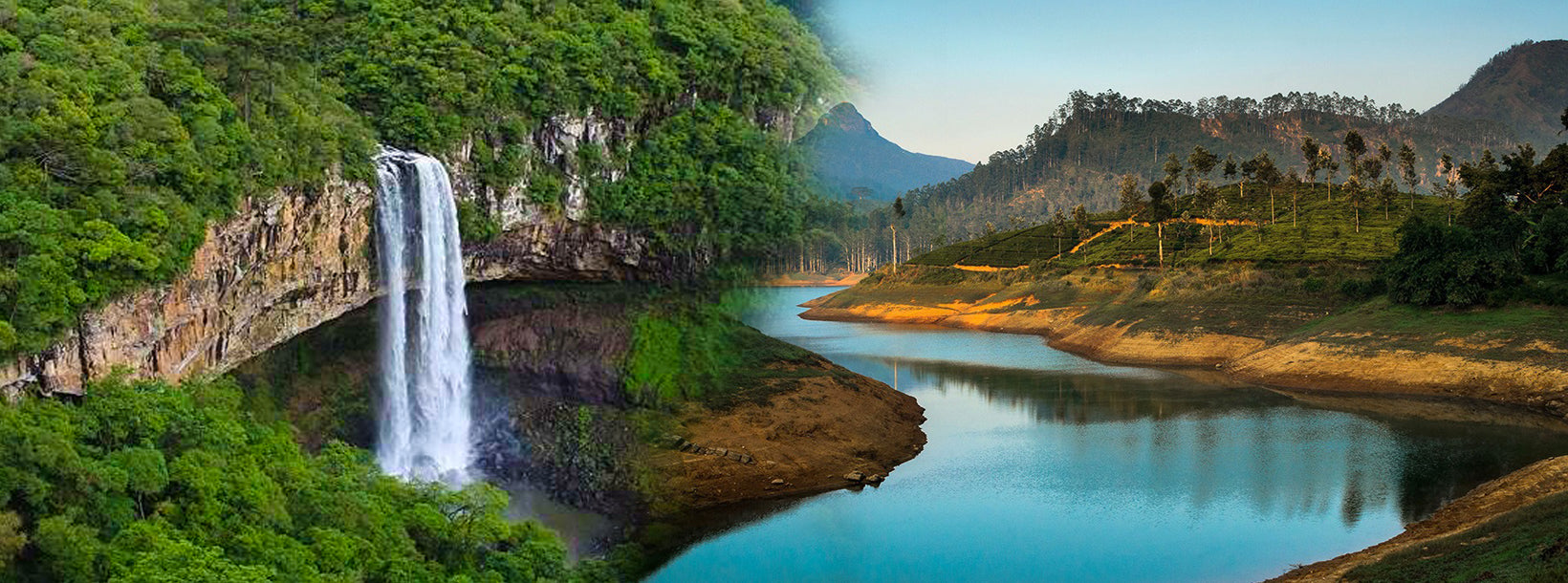
Most visitors pass through Kalawana on their way to Sinharaja, but the town and its surrounding landscape reward those who linger. The terrain is deeply rural — rubber and tea smallholdings checker the hillsides, streams cut through dense secondary forest, and spice gardens produce pepper, cloves, and cinnamon in the traditional low-country style. The pace is quiet and the air noticeably cooler than the coast, even at Kalawana's modest elevation.

Birdwatchers in particular find the corridor between Kalawana and Kudawa productive before they even reach the reserve boundary. Sri Lanka endemics — including the red-faced malkoha, Ceylon blue magpie, and green-billed coucal — are regularly sighted along the forest edges that line the approach road.

How do I get to Kalawana from Colombo?

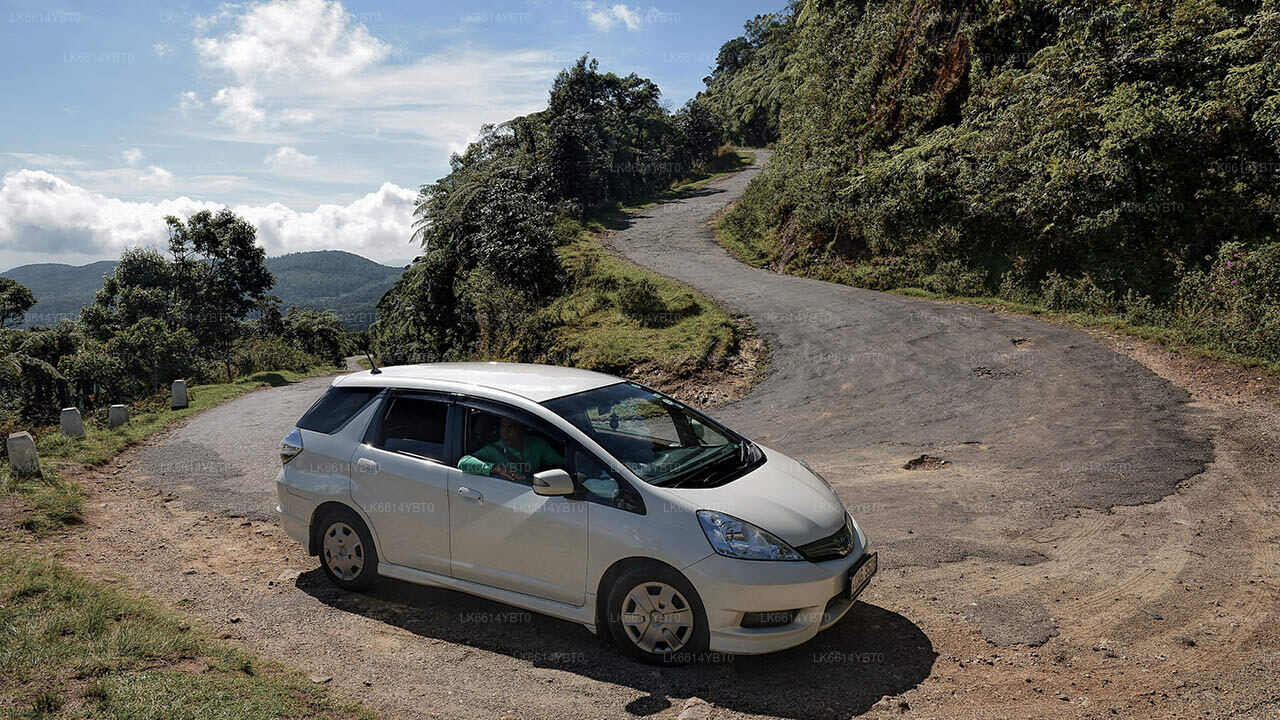
Kalawana lies roughly 130 kilometres south-east of Colombo. The most practical route follows the Southern Expressway (E01) to Kurundugahahetekma, then continues on the A8 towards Ratnapura before turning onto the B8 towards Kalawana. Driving time is typically three to four hours depending on traffic through Ratnapura town. Private transfers from Colombo Bandaranaike International Airport are available directly to accommodation in and around Kalawana, making arrival straightforward even with luggage.

Public buses run from Colombo Fort and from Ratnapura to Kalawana, though onward transport to Kudawa requires a tuk-tuk or private vehicle arranged locally.

What is Sinharaja Forest Reserve and why does it matter?

Sinharaja is Sri Lanka's most significant tract of primary lowland rainforest, covering around 88 square kilometres across Ratnapura and Galle districts. It was inscribed as a UNESCO World Heritage Site in 1988 in recognition of its extraordinary biodiversity: over 60 percent of the endemic trees recorded in Sri Lanka grow here, and the reserve shelters more than 150 bird species, 45 species of reptile, and dozens of endemic amphibians. Kalawana's Kudawa entrance gives access to the northern trails, which are less crowded than the southern Pitadeniya entrance and offer excellent mixed-species bird flocks, especially in the early morning.

Entry to the reserve is managed by the Department of Wildlife Conservation. All visitors must be accompanied by an authorised forest guide, who can be arranged at the Kudawa visitor centre.

Where can I stay near Kalawana?

Accommodation along the Kalawana–Kudawa road ranges from simple guesthouses in Weddagala village to more comfortable eco-lodges and bungalows set within private land bordering the forest. Boulder Garden Hotel and Bandura Holiday Bungalow are two well-regarded options that place guests within easy reach of the Kudawa entrance. Martin's Simple Lodge at Weddagala, operated by a family with deep knowledge of the forest, is a long-standing favourite among birders and naturalists seeking an authentic experience close to the reserve.

Accommodation fills quickly during the dry windows from December to April and June to September, so booking well ahead is advisable, particularly for weekends.

When is the best time to visit Kalawana and Sinharaja?

Sinharaja receives rainfall throughout the year — this is, after all, a rainforest — but two relatively drier periods make visits more comfortable. The inter-monsoon lull from roughly late December through April and a shorter dry spell in July and August tend to bring fewer leeches on the trails and better visibility through the canopy. That said, many naturalists prefer visiting during or just after rain, when amphibians are active and the forest is at its most atmospheric.

Avoid public holidays and long weekends if possible, as the relatively narrow trail network around Kudawa can become congested with day-trippers.

What else can I do in the Kalawana area?

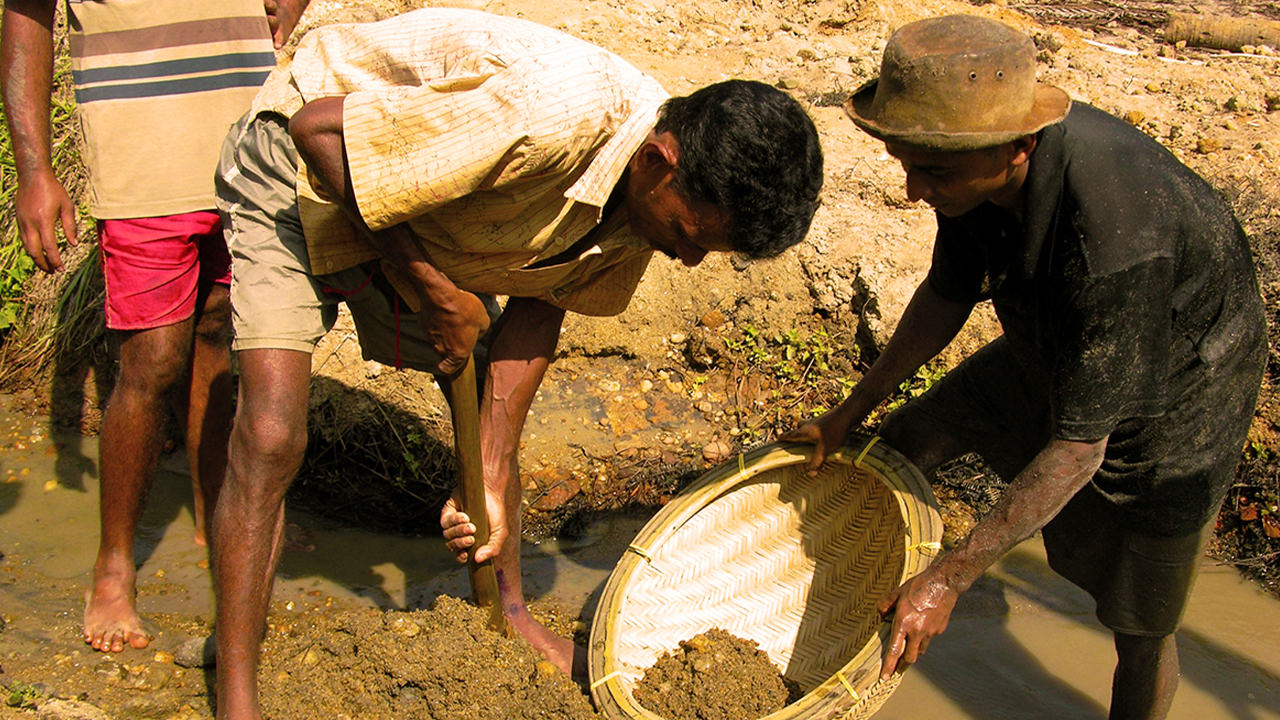
Beyond Sinharaja, the broader Ratnapura District offers several complementary experiences. The gem-trading town of Ratnapura, about 30 kilometres north-east of Kalawana, has operated as Sri Lanka's gem capital for centuries — rubies, sapphires, and cat's eye chrysoberyl are still mined from the alluvial deposits of the Kalu Ganga basin, and informal gem markets and small museums in town explain the trade. Tea estates producing low-grown Ceylon tea surround the district; several accept visitors for tours and tastings.

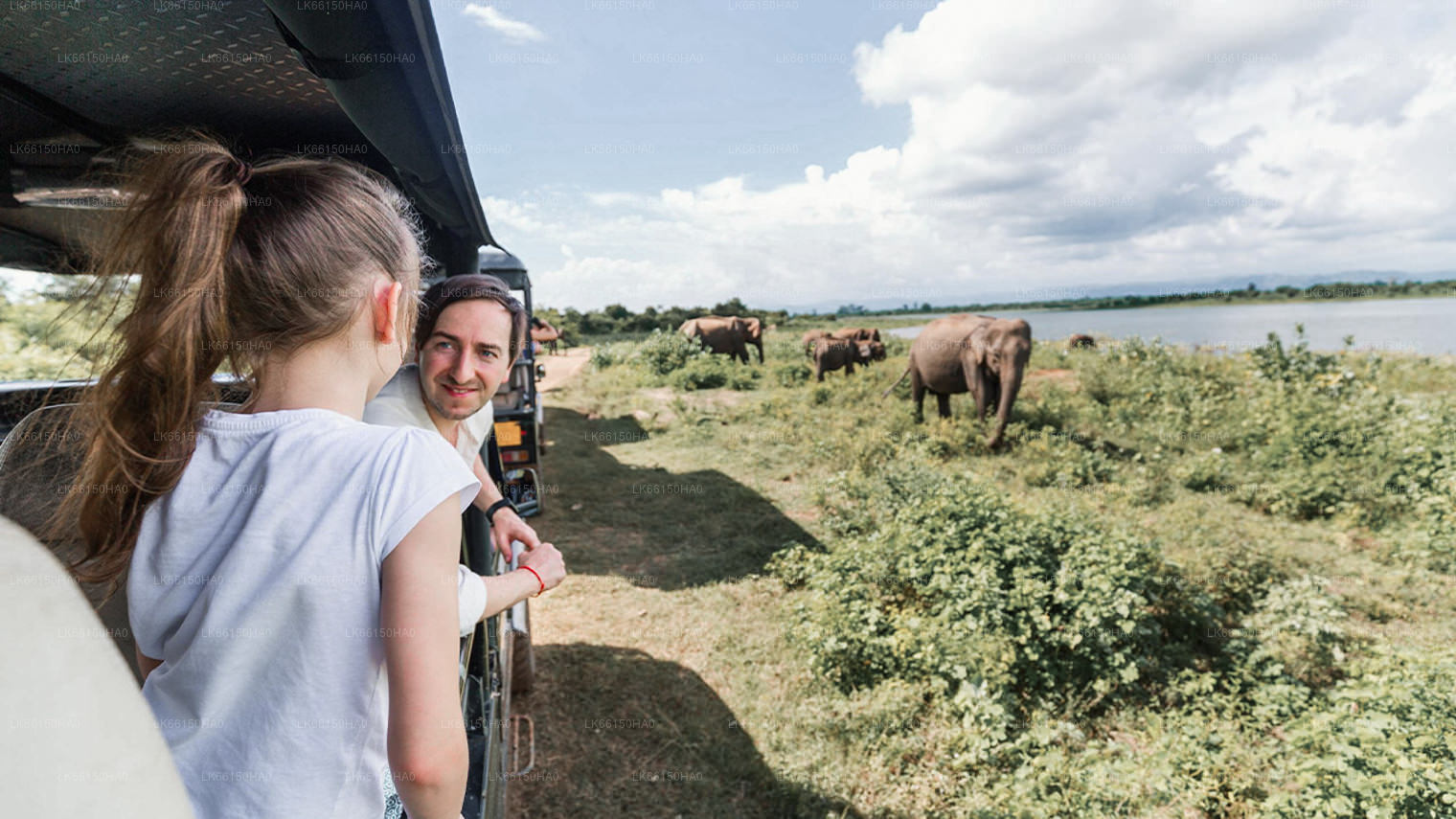
Those extending their journey south can reach Udawalawe National Park in under two hours, making a combined Sinharaja–Udawalawe itinerary one of the most rewarding wildlife circuits in Sri Lanka. The Elephant Transit Home at Udawalawe, where orphaned elephants are rehabilitated before release, is a short detour from that route.

Hikers seeking a higher elevation challenge can head north towards Sri Pada (Adam's Peak), the sacred summit venerated by Buddhists, Hindus, Christians, and Muslims alike, with the pilgrimage season running roughly from December to May.

What local products and food should I look for in Kalawana?

The region around Kalawana is known for its speciality teas. Low-grown Ceylon teas from this elevation have a fuller, bolder character than their high-grown counterparts, and local blends labelled "Kalawana Special" reflect the terroir of the Sabaragamuwa foothills. Spice stalls along the B8 road sell locally grown black pepper, cloves, and cardamom at prices well below Colombo retail. Kithul treacle — a dark, molasses-like syrup tapped from the fishtail palm — is another regional speciality worth seeking out, often sold in roadside bottles alongside local jaggery.

Village eateries in Kalawana town serve straightforward rice-and-curry lunches at modest prices. Expect dishes built around dhal, jackfruit, and whatever vegetables are in season, cooked in the Sabaragamuwa style with generous use of coconut milk and roasted spice.

Book this experience with Lakpura

Curated by our local team. Direct booking, instant confirmation.

Ask Lakpura® Agent