Lakpura
Lakpura®

Asamodagam

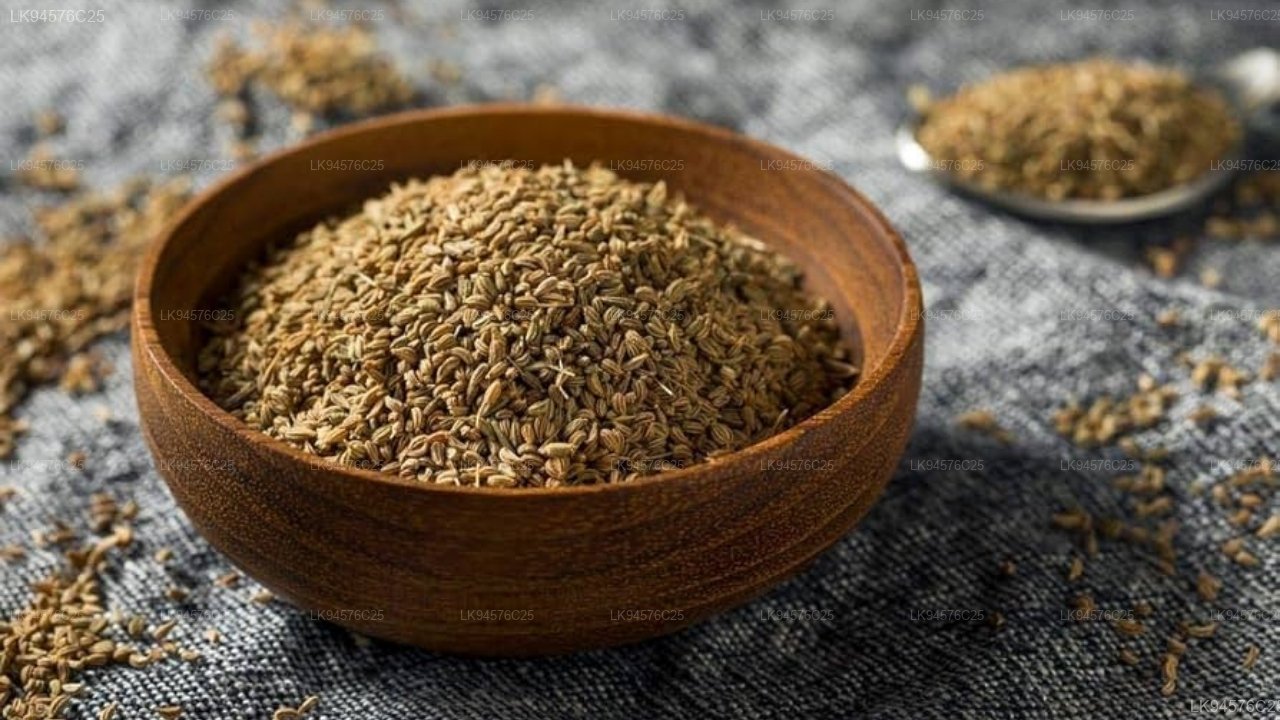
Asamodagam is one of Sri Lanka's most trusted household herbs — a small, pale seed with a sharp, thyme-like aroma that has been used in Ayurvedic practice for centuries. Known botanically as Trachyspermum roxburghianum, it is closely related to ajwain (carom seeds) and shares many of the same therapeutic properties. In Sri Lankan homes, a warm cup of Asamodagam herbal drink is often the first response to indigestion, bloating, or stomach discomfort — a remedy passed down through generations without ever going out of fashion.

What Is Asamodagam and Where Does It Come From?

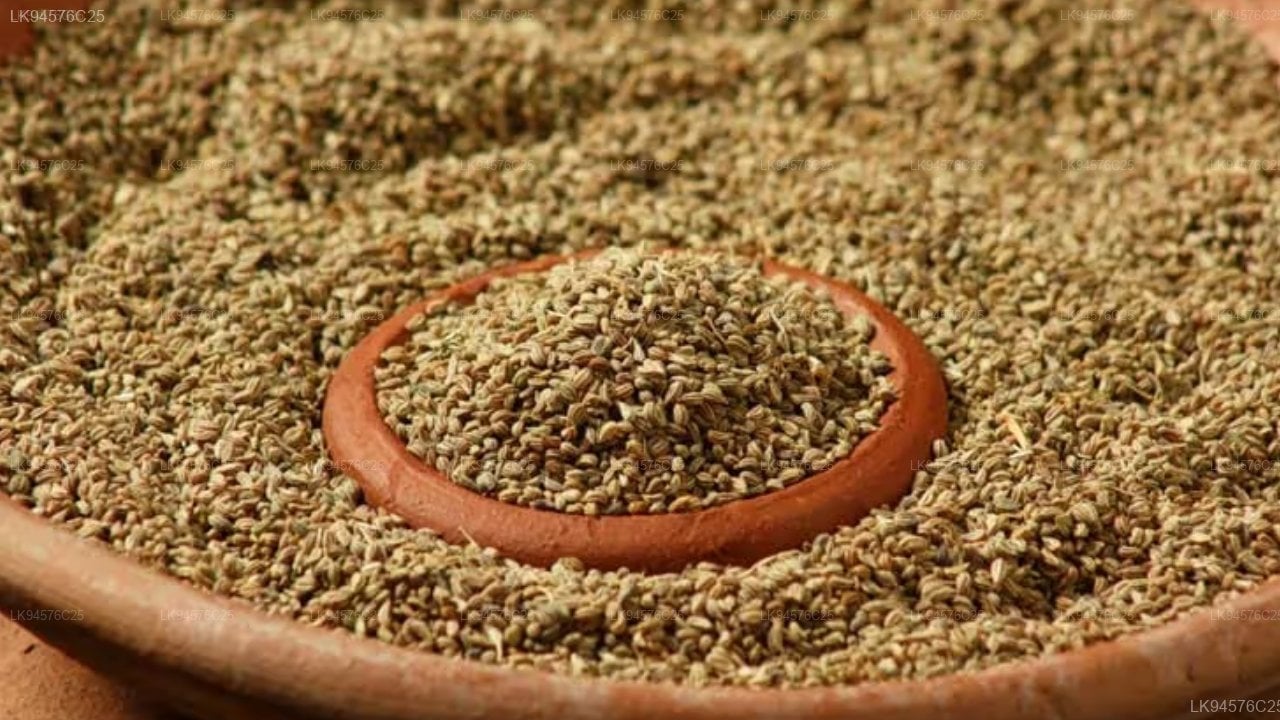
Asamodagam belongs to the Apiaceae (carrot) family and is cultivated across tropical South and Southeast Asia, including Sri Lanka, India, and parts of Southeast Asia. The small, oval seeds are the medicinal part of the plant. They are harvested, dried, and used whole, powdered, or infused in water or alcohol-based spirits. In Sri Lanka, the herb goes by several regional names and has long been part of both domestic cooking and classical Ayurvedic formulation.

The seeds carry a distinctive flavour profile — sharp, slightly spicy, and deeply aromatic — that becomes noticeably milder and more soothing when prepared as a warm herbal drink. This dual character, functional and flavourful, is part of what has kept Asamodagam relevant in modern Sri Lankan wellness culture.

What Are the Traditional Uses of Asamodagam in Ayurveda?

Within Sri Lanka's Ayurvedic tradition, Asamodagam is classified primarily as a deepaniya — an herb that kindles digestive fire and improves appetite. It is also considered a pachana, meaning it helps break down undigested food and reduces the formation of gas in the gastrointestinal tract. Practitioners of Sri Lankan Ayurveda have long recommended it for:

  • Relieving flatulence and bloating after heavy meals
  • Easing mild stomach cramps and indigestion
  • Supporting regular bowel movement
  • Stimulating appetite in children and the elderly
  • Providing warmth during cold or rainy seasons when digestive sluggishness is common

The herb is considered safe for children and adults, which is why it features prominently in family wellness routines rather than being reserved exclusively for clinical use. Herbal formulations such as Yogaraja Guggulu and other classical Ayurvedic preparations sometimes incorporate related digestive spices alongside Asamodagam to compound their effect.

How Is Asamodagam Prepared as a Herbal Drink?

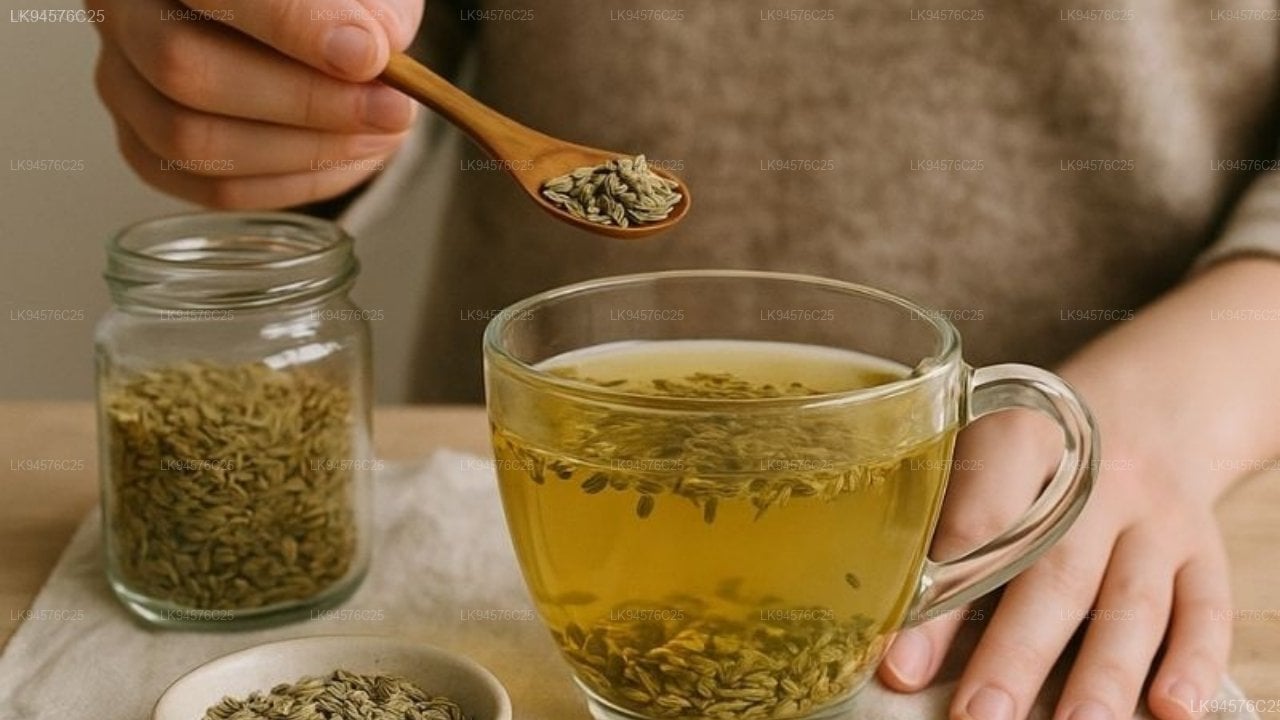
The most common domestic preparation is a simple seed infusion. A small quantity of dried Asamodagam seeds — typically around half a teaspoon — is added to boiling water and allowed to steep for several minutes. The resulting drink is strained and consumed warm, sometimes with a pinch of Ceylon black pepper or a few drops of lime juice to enhance its effect. The taste is robust and savoury rather than sweet, which distinguishes it from most other herbal teas.

In commercial form, Asamodagam is widely available as a ready-to-use spirit (an alcohol-based extract) sold in small bottles at pharmacies, herbal shops, and supermarkets across Sri Lanka. A few drops of this extract are typically diluted in warm water before drinking. Brands such as Siddhalepa, Pasyale, Vendol, and Wickramarachchi Labs produce Asamodagam spirits that have become trusted names in Sri Lankan households. Dried seeds are also sold loose or in convenient tea-bag formats for those who prefer to brew from scratch.

How Does Asamodagam Differ from Ajwain?

The question comes up often because the two seeds look and smell remarkably similar. Ajwain (Trachyspermum ammi) and Asamodagam (Trachyspermum roxburghianum) are closely related species within the same genus, and their medicinal uses overlap considerably. Both contain thymol as a key active compound, which accounts for their shared antimicrobial and carminative (gas-relieving) properties.

The practical differences are subtle. Asamodagam seeds are generally smaller and slightly less pungent than ajwain, and their flavour is considered somewhat milder and more complex in Sri Lankan culinary and Ayurvedic contexts. Sri Lankan practitioners often regard Asamodagam as the locally adapted variant with properties tuned to the regional body constitution and climate.

Is There Scientific Evidence Supporting Asamodagam's Benefits?

Research into Trachyspermum roxburghianum and its close relative T. ammi has identified several bioactive compounds, particularly thymol and carvacrol, which have demonstrated carminative, antispasmodic, and antimicrobial properties in laboratory studies. While large-scale clinical trials on Asamodagam specifically are limited, its longstanding use in traditional medicine systems across South Asia is consistent with the mechanisms identified in phytochemical research.

It is worth noting that herbal remedies, however well-regarded traditionally, are not a substitute for medical advice when symptoms are persistent or severe. Asamodagam is best understood as a gentle, preventative aid for everyday digestive wellness rather than a treatment for clinical conditions.

Where Can You Buy Asamodagam in Sri Lanka and Online?

Dried Asamodagam seeds and spirits are sold at virtually every Ayurvedic pharmacy, herbal shop, and supermarket in Sri Lanka. Major brands are also available through online platforms, including Lakpura's own catalogue, which stocks seeds as well as several bottled spirit formats from established Sri Lankan manufacturers. For travellers visiting Sri Lanka, picking up a small packet of Asamodagam makes for an authentic and practical souvenir — lightweight, aromatic, and genuinely useful at home.

When buying seeds, look for pale, evenly dried specimens with a strong, clean aroma. Spirits should come sealed in clearly labelled bottles from reputable producers. Avoid any product with an off or rancid smell, as the essential oils in the seeds degrade over time if stored poorly.

How Should Asamodagam Be Stored?

Dried seeds keep well in an airtight glass or ceramic container, away from direct sunlight and moisture. Under these conditions, they typically retain their potency for up to a year. Bottled spirits should be stored upright in a cool, dark cupboard and used within the period indicated on the label. Exposure to heat or light accelerates the breakdown of the active aromatic compounds and reduces the herb's effectiveness.

Book this experience with Lakpura

Curated by our local team. Direct booking, instant confirmation.

Ask Lakpura® Agent