Sri Lanka rewards those who move through it slowly and with curiosity. Its attractions — ancient dagobas rising above the jungle canopy, high-altitude tea gardens, coastal lagoons, and wildlife reserves — are scattered across an island that takes most visitors by surprise in its variety. Navigating all of this confidently takes local knowledge that no app can reliably replicate. A professional chauffeur guide bridges that gap, combining safe, experienced driving with on-the-ground cultural expertise.
What does a chauffeur guide actually do?
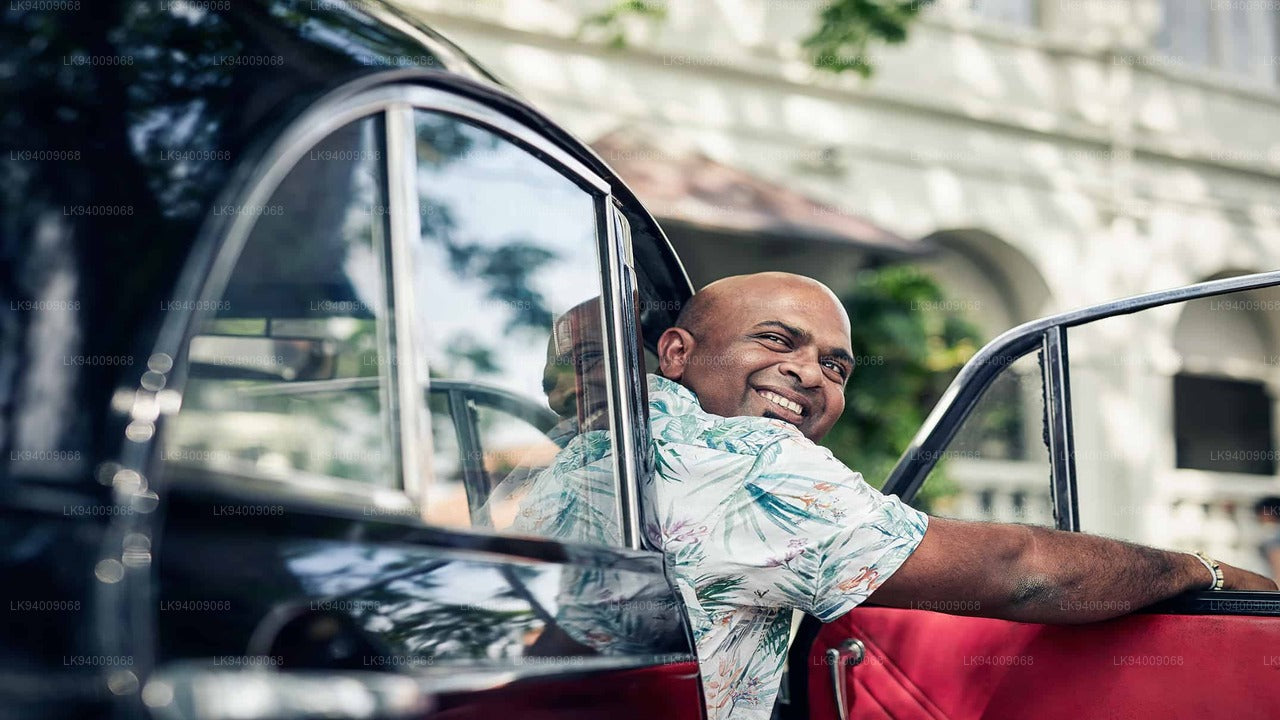
A chauffeur guide is not simply a driver who happens to know the roads. In Sri Lanka, the role blends two functions that are traditionally separate elsewhere. On one hand, your guide manages the practical logistics of every transfer: choosing the most time-efficient route, handling parking at busy sites, and keeping the vehicle in good condition throughout the trip. On the other hand, they act as an informed companion — explaining the meaning of a temple ritual, pointing out a species of bird perched in a roadside tree, or steering you toward a small family-run restaurant that no review site has yet discovered.
The best chauffeur guides are licensed by the Sri Lanka Tourism Development Authority and have passed assessments on the island's history, geography, and cultural practices. Many speak two or more languages fluently, and a number of operators — including Lakpura — can arrange Spanish-speaking drivers and guides for non-English-speaking travellers.
Why is a chauffeur guide more practical than self-driving in Sri Lanka?
Self-driving in Sri Lanka is legally permitted for visitors holding an international driving permit, but the practical reality is more challenging than the paperwork suggests. Traffic moves on the left, road markings are inconsistent outside of major highways, tuk-tuks and pedestrians share carriageways freely, and mountain routes in the Hill Country can be narrow and hairpin-heavy. Add in the need to navigate to a site like Sigiriya while simultaneously watching for wildlife crossing the road, and the case for professional assistance becomes clear.
A chauffeur guide allows you to spend journey time looking outward at the landscape rather than inward at a phone screen. That matters considerably on scenic routes through the Horton Plains highlands or along the coastal road south of Colombo.
What types of vehicle are available?
Lakpura offers chauffeur-guided travel across a range of vehicle categories to suit different group sizes and budgets.
| Vehicle type | Typical capacity | Best suited for |
|---|---|---|
| Standard car (saloon/hatchback) | 1–3 passengers | Couples, solo travellers |
| Standard van | 4–7 passengers | Small families, small groups |
| Large van | 8–12 passengers | Larger families, small group tours |
| Standard bus | 13–25 passengers | Group tours, corporate travel |
| Large bus | 26+ passengers | Conferences, incentive groups |
| SUV | 2–5 passengers | Off-road access, wildlife zones |
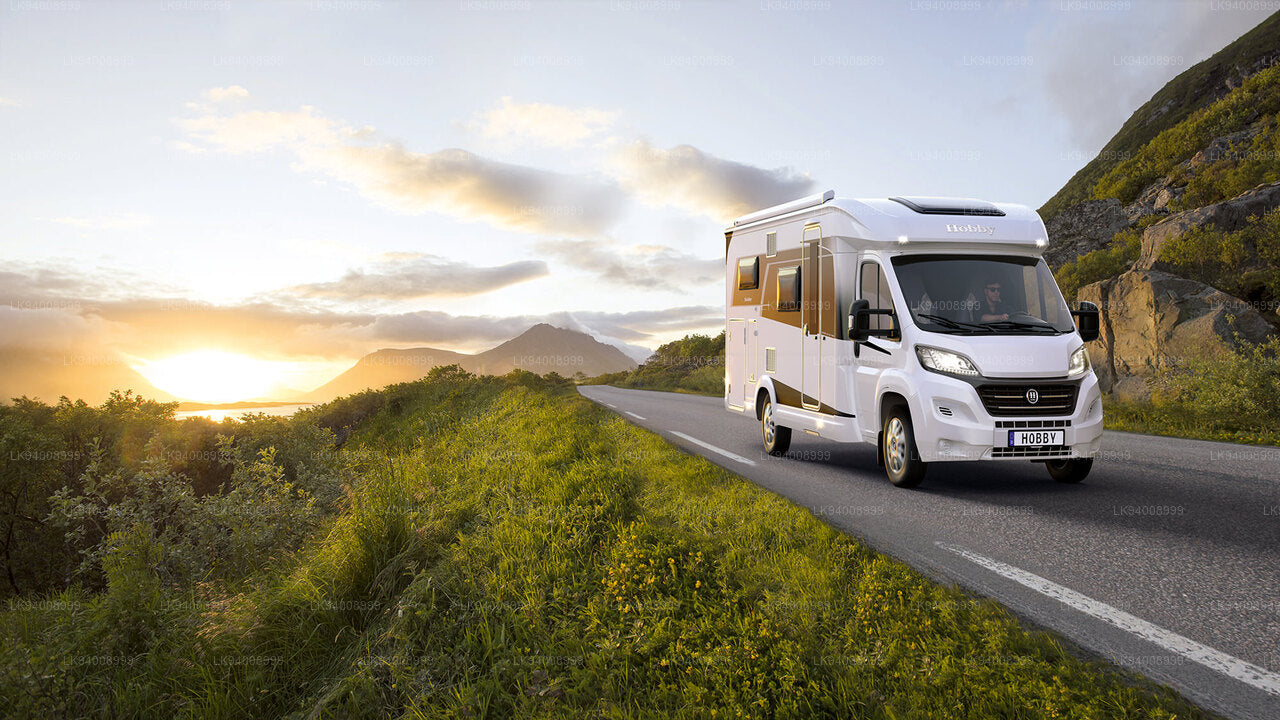
| Motorhome | 2–6 passengers | Extended self-contained tours |
Vehicles can be booked on a per-day basis for multi-day itineraries, or by the hour for city excursions. Both options come with the same standard of driver training and vehicle maintenance.
What kind of itinerary does a chauffeur guide enable?
The practical impact of having a reliable chauffeur guide is most visible when an itinerary spans multiple regions in a short period. A typical ten-day circuit might take in the colonial architecture of the Colombo city tour, the sacred city of Kandy and its historic landmarks, the ancient ruins of Polonnaruwa, a morning game drive at Udawalawe National Park, and a few days on the southern coast. Covering this ground confidently, on time, and without the anxiety of unfamiliar roads requires a driver who knows when to leave early to beat the traffic approaching Kandy, and which approach road to Udawalawe avoids the unmarked speed tables that flatten tyre sidewalls.
Beyond the logistics, a chauffeur guide can also incorporate genuinely local experiences that rarely appear on mainstream itineraries — a visit to Sinharaja Forest Reserve with a guide who knows the forest trails, a stop at a working Ceylon tea estate rather than a tourist-facing factory, or an unplanned detour to a village festival if the timing happens to coincide.
How do chauffeur guides handle cultural and religious sites?
Sri Lanka has a high density of active religious sites — Buddhist temples, Hindu kovils, mosques, and colonial-era churches all feature along most itineraries. Protocols at these sites vary and are not always clearly signed in English. A chauffeur guide ensures that visitors are dressed appropriately before entering (shoulders and knees covered at most Buddhist and Hindu sites), removes footwear correctly, and understands when photography is and is not acceptable. This is not simply etiquette — it reflects genuine respect for communities whose places of worship happen to also be tourist attractions.
At a site like the Esala Perahera Festival in Kandy, local knowledge about crowd movement and viewing positions makes a significant difference to the quality of the experience.
What should I look for when choosing a chauffeur guide service?
- Licensing: Confirm the guide holds a valid Sri Lanka Tourism Development Authority registration and a Sri Lankan driving licence appropriate to the vehicle class.
- Language ability: Request a brief call or message exchange with your assigned guide before travel to assess communication fluency.
- Vehicle condition: Air conditioning is standard on reputable services. Ask about the age of the vehicle and whether it carries a first-aid kit and roadside emergency equipment.
- Flexibility: A good chauffeur guide will accommodate reasonable changes to the day's plan without charging punitive amendment fees.
- Transparency on costs: Entry fees to national parks and historical sites are the passenger's responsibility; parking and toll costs should be confirmed in advance.
Are site guides different from chauffeur guides?
Yes. A chauffeur guide travels with you throughout the trip and provides broad contextual knowledge across many destinations. A site guide is stationed at a specific location — Sigiriya Rock Fortress, for example, or the ancient city of Polonnaruwa — and provides deep specialist commentary at that site alone. The two services complement each other well: a chauffeur guide handles the journey and broad orientation, while a site guide adds a layer of scholarly detail that enhances the visit to a single monument. Lakpura offers both services, and combining them is straightforward when booking a multi-day itinerary.
How far in advance should I book a chauffeur guide in Sri Lanka?
For travel during peak season — roughly December through March on the west and south coasts, and July through September in the Hill Country and Cultural Triangle — booking four to eight weeks in advance is advisable. For the Esala Perahera period in July or August, the entire Kandy region experiences very high demand and early booking is essential. Outside peak periods, two to three weeks is generally sufficient, though earlier is always better for groups requiring larger vehicles or specialist language guides.