Dorawaka Kanda

Dorawaka kanda Dorawaka kanda Dorawaka kanda

Dorawaka kanda

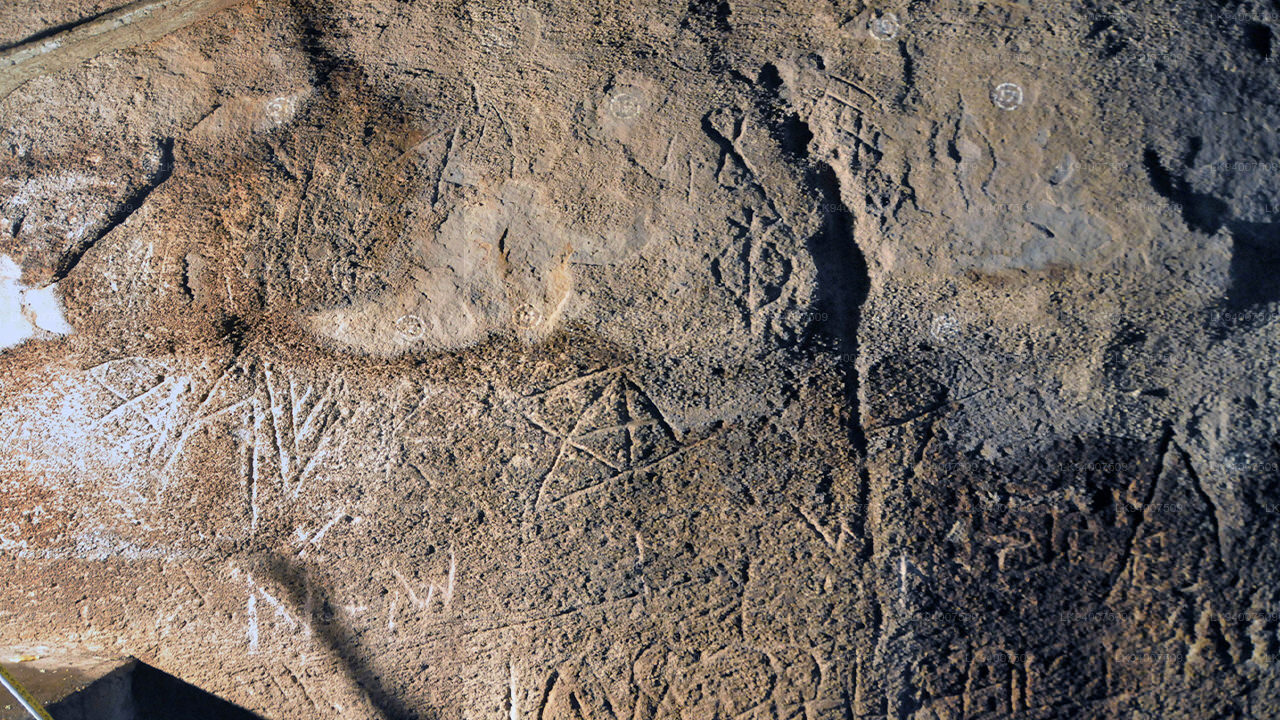
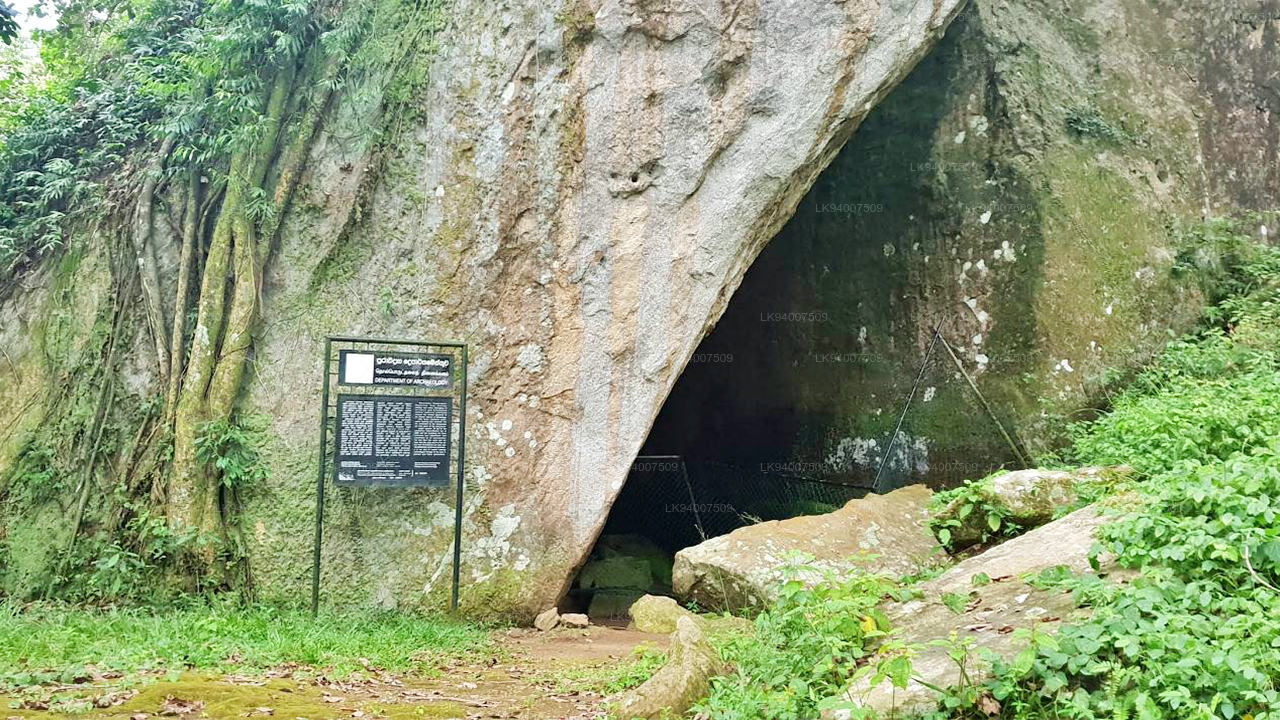
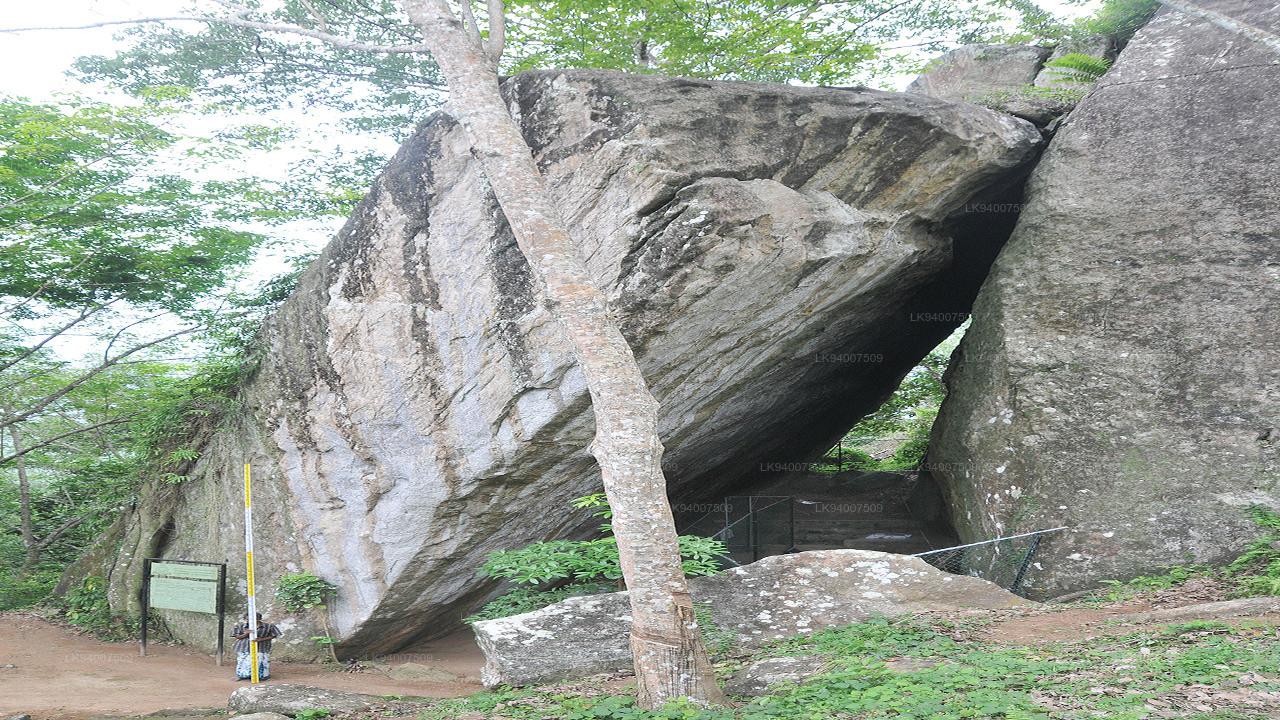
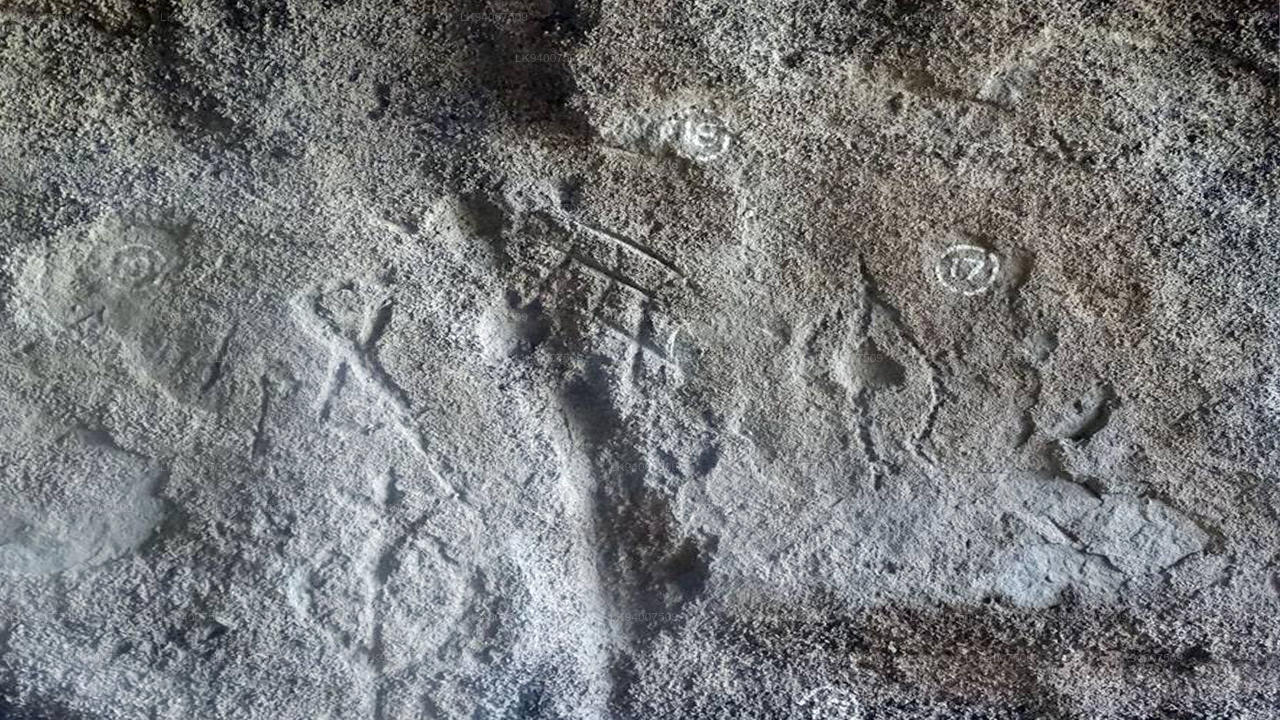
Die Dorawaka-Kanda-Höhle in der Nähe von Warakapola ist eine wichtige prähistorische archäologische Stätte. Diese Höhle, auch Athabandi Lena genannt, enthält primitive Felsmalereien, die Tiere, die Sonne und den Mond sowie einige nicht identifizierbare Objekte darstellen. Studien hier haben die Besiedlung dieser Höhle auf das Jahr 2500 v. Chr. datiert und sie damit in die Übergangszeit vom Mittelsteinzeitalter zum Frühgeschichtlichen eingeordnet. In der Nähe von Warakapola gelegen, ist dies eine wichtige prähistorische archäologische Stätte. Diese Höhle, auch Athabandi Lena genannt, enthält primitive Felsmalereien, die Tiere, die Sonne und den Mond sowie einige nicht identifizierbare Objekte darstellen. Studien hier haben die Besiedlung dieser Höhle auf das Jahr 2500 v. Chr. datiert und sie damit in die Übergangszeit vom Mittelsteinzeitalter zum Frühgeschichtlichen eingeordnet.

Archäologen sind fest davon überzeugt, dass Ausgrabungsuntersuchungen in den Höhlen des Dorawaka-Felsens in Warakapola Informationen über das Mesolithikum, die dritte Phase der Steinzeit, liefern.

Ihnen zufolge haben die Höhlen von Dorawakkanda und Uragala in der Nähe von Warakapola im Kegalle-Distrikt einige der aufsehenerregendsten archäologischen Funde der letzten Zeit hervorgebracht, darunter Brahmi-Inschriften, eine Kommunikationsart innerhalb von Andeutungen und Attribute einer anderen Sprache vor der Ankunft von Vijaya.

Brahmi-Schriftzüge finden sich typischerweise in Felsinschriften in Steinhöhlen. Die Wurzeln dieser Wissenschaft sollen in Indien entstanden sein. Die Chroniken, insbesondere die Mahawansa, gehen davon aus, dass die Kommunikationsart im gleichen Zeitraum nach Sri Lanka eingeführt wurde, als Arahant Mahinda in Sri Lanka ankam. Dies ist daher die älteste Schriftform, die es auf der Insel gibt.

Dorawaka Kanda Dorawaka kanda Dorawaka Kanda

【LK94007509: Text von Lakpura™. Bilder von Google, Urheberrechte liegen bei den Originalautoren.】

About Kegalle District

Kegalle District, located in the Sabaragamuwa Province of Sri Lanka, is known for its lush landscapes and historical significance. The district is home to scenic hills, rubber plantations, and paddy fields, contributing to its rich agricultural economy. Kegalle is also famous for the Pinnawala Elephant Orphanage, a popular tourist attraction that provides care for rescued elephants.

The district has a diverse cultural and historical heritage, with ancient temples, colonial-era architecture, and traditional industries such as spice cultivation and handicrafts. Kegalle town serves as the administrative and commercial hub, offering essential services and transport links to major cities like Colombo and Kandy.

Nature lovers can explore the region’s waterfalls, caves, and forests, making it an ideal destination for eco-tourism. The district’s close proximity to major highways enhances accessibility, attracting both tourists and investors to this picturesque part of Sri Lanka.

About Sabaragamuwa Province

Sabaragamuwa Province, situated in southwestern Sri Lanka, comprises the districts of Ratnapura and Kegalle. It is renowned for its rich natural resources, including tea, rubber, and precious gemstones. Ratnapura, the capital, is famously known as the "City of Gems," playing a central role in the country's gem trade. The province also features vast agricultural lands, contributing significantly to Sri Lanka’s economy.

In addition to its economic importance, Sabaragamuwa is a region of great natural beauty and biodiversity. The Sinharaja Rainforest, a UNESCO World Heritage Site, is partially located within the province, offering a sanctuary for rare flora and fauna. Waterfalls, mountains, and wildlife reserves make it a prime destination for eco-tourism and adventure seekers.

Culturally, Sabaragamuwa is home to numerous ancient temples, traditional dance forms, and historical sites. Its well-connected road network ensures easy access to major cities, enhancing trade, tourism, and regional development.