Lakpura
Lakpura®

Wattala City

Wattala sits on the A3 highway between Colombo and Negombo, roughly 9 kilometres north of Colombo city centre and within the Gampaha District of the Western Province. It is one of the closest coastal suburbs to Bandaranaike International Airport, making it a practical first or last stop for travellers — and increasingly a place worth exploring in its own right.

What kind of place is Wattala?

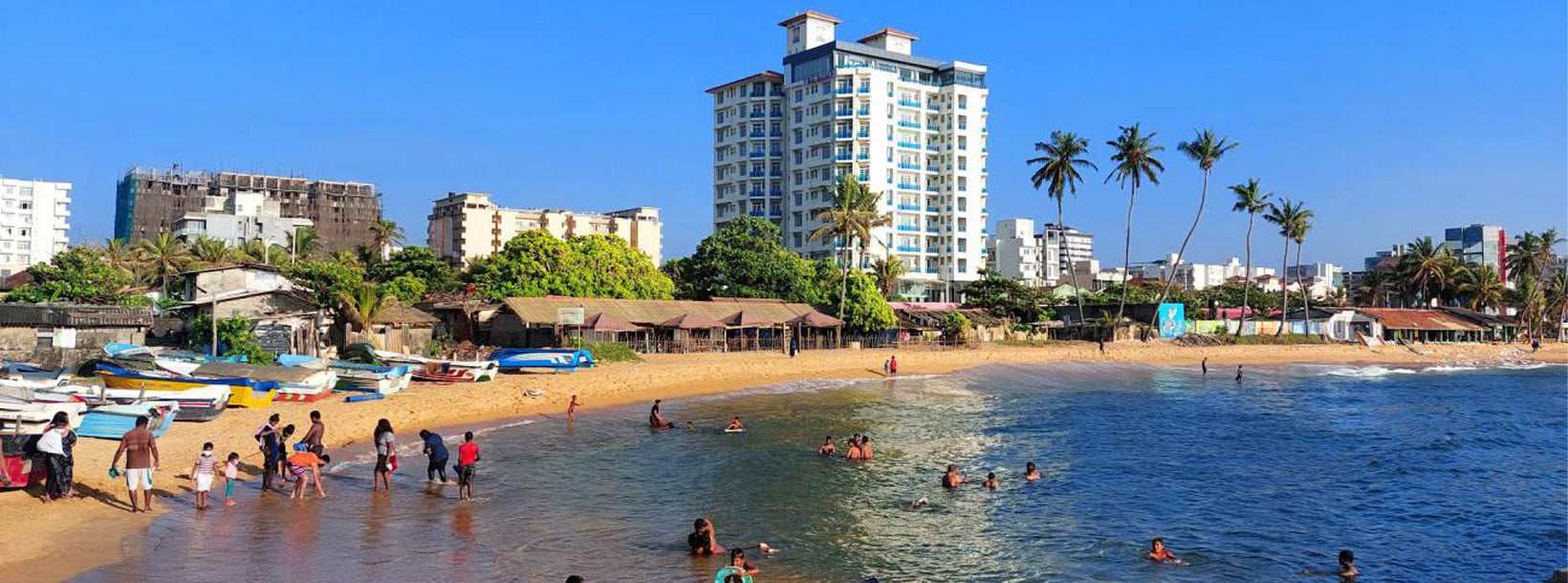
Wattala is a densely populated, culturally mixed suburb that has grown steadily from a fishing settlement into a busy residential and commercial corridor. Its shoreline — anchored by Uswetakeiyawa beach to the north — faces the Indian Ocean, and the estuary of the Kelani River forms part of its southern boundary.

The population is notably diverse. Sinhalese Roman Catholics make up the majority and their influence shows in the number of historic churches along the coastal strip, some dating to the Portuguese colonial era. Tamil and Muslim communities have long been established here as well, and all three traditions coexist in the same neighbourhood streets. Buddhist temples, Hindu kovils, mosques, and churches stand within short distances of each other — an everyday snapshot of Sri Lanka's multi-religious character.

What can you see and do in Wattala?

Wattala is not a purpose-built tourist destination, and that is part of its appeal. A short walk through the town reveals a working Sri Lankan suburb at close range: fish markets, roadside kade (small shops), and the kind of neighbourhood restaurants that rarely appear in guidebooks.

  • Uswetakeiyawa Beach — A long, relatively undeveloped stretch of coast popular with local families, particularly in the early morning and at dusk. The beach is not set up for swimming due to currents, but it offers wide views of the ocean and is a good place to watch outrigger fishing canoes head out at dawn.
  • Colonial-era churches — Several Catholic churches in the area have origins in the Portuguese and Dutch colonial periods. St Mary's Church and the Church of Our Lady of Madhu (the local patronal chapel) attract regular pilgrimages and are architecturally worth a brief stop.
  • Kelani River estuary — The southern boundary of Wattala's administrative area brushes the Kelani, one of Sri Lanka's major rivers. The estuary zone supports mangroves and birdlife, and small boat operators offer informal river trips from nearby jetties.
  • Local food scene — Wattala has a strong tradition of street food and small family restaurants. Wattalappam — a spiced coconut-milk and jaggery custard of Malay origin — is commonly sold here, reflecting the area's historical connections to Sri Lanka's Sri Lankan Malay community.

How do I get to Wattala from Colombo?

The most direct route is via the A3 highway, which runs north from Colombo through Peliyagoda and into Wattala before continuing to Negombo. By road the journey from central Colombo typically takes 25–45 minutes depending on traffic; morning and evening rush hours on this corridor can be congested.

From Bandaranaike International Airport (CMB) in Katunayake, Wattala is around 20–25 kilometres south along the A3 and usually takes 30–40 minutes outside peak hours. This proximity makes Wattala hotels a practical alternative to Colombo city-centre accommodation for travellers with early departures.

Public buses on the Colombo–Negombo route stop throughout Wattala. Metered taxis and app-based ride services (PickMe, Uber) are widely available from Colombo and the airport.

When is the best time to visit Wattala?

Wattala lies on the west coast and follows the same seasonal pattern as Colombo. The most comfortable period for travel is from December through April, when the southwest monsoon has passed and skies are generally clear. The southwest monsoon brings rain and rougher seas from May through September, though the town remains fully functional and accommodation prices tend to be lower. October and November see inter-monsoonal showers.

Why are people moving to and buying property in Wattala?

Over the past decade Wattala has become one of the more sought-after residential addresses within commuting distance of Colombo. Land prices are lower than in Colombo 3 or 4, and the highway access is good. Property search data from LankaPropertyWeb has listed Wattala among the top locations for house searches in the country, driven partly by Sri Lankans returning from overseas employment who invest in housing here.

The suburb's social fabric is also a draw. International schools, private medical clinics, and a wide range of places of worship are distributed throughout the area, making it functional for families of varied backgrounds.

What is the local food culture like in Wattala?

Wattala's culinary identity is shaped by its multicultural population. Seafood is central — the proximity to active fishing communities means fresh catch is available daily at local markets. Ambul thiyal (sour fish curry), isso vadai (prawn fritters), and freshly caught crab cooked in a range of styles are common finds.

The area's historical connection to the Sri Lankan Malay community gives it a particular association with wattalappam, a dense steamed pudding made with coconut milk, eggs, and kithul (palm) jaggery, fragrant with cardamom and cloves. It is one of Sri Lanka's most distinctive desserts and a good souvenir to take home in packaged form.

Is Wattala safe for tourists?

Wattala has a long record of communal harmony despite its ethnic and religious diversity. The town is a regular transit corridor for travellers between the airport and Colombo, and it functions without incident as a busy suburban area. Standard city-travel awareness applies — keep valuables secure in busy market areas — but there are no particular safety concerns specific to Wattala.

Book this experience with Lakpura

Curated by our local team. Direct booking, instant confirmation.

Ask Lakpura® Agent