Lakpura
Lakpura®

Laksala

Laksala is Sri Lanka's government-run craft and souvenir retailer, established in 1964 under the Sri Lanka Handicrafts Board. Its founding purpose was straightforward: give the island's rural artisans a reliable, fairly compensated route to market while ensuring visitors can buy authentic, ethically sourced goods without guesswork. More than six decades later, it remains the most trusted name in Sri Lankan craft retail.

What products does Laksala sell?

The product range at Laksala spans the full breadth of Sri Lanka's craft traditions. Core categories include:

  • Handloom textiles — sarees, sarongs, and table linens woven on traditional looms, often in cotton or a cotton-silk blend.
  • Batik clothing and fabric — hand-wax-resist printed pieces ranging from lightweight scarves to full garments, in both contemporary and traditional patterns.
  • Wooden carvings — masks, figurines, and decorative panels crafted from jak wood and ebony, reflecting both ceremonial and everyday artistic motifs.
  • Brassware and metalwork — oil lamps, ceremonial bowls, and decorative items modelled on forms used in temple ritual for centuries.
  • Ceramics and lacquerware — locally fired pottery and the distinctive turned-wood lacquerware from the Kandy region.
  • Gemstone jewellery — set pieces and loose stones, with Sri Lanka being one of the world's leading sources of sapphires, rubies, and cat's eye.
  • Coir and reed products — baskets, mats, and home accessories made from coconut fibre and locally harvested reeds.

Every item is sourced directly from artisan communities, so the quality control and provenance are a step above what street markets typically offer. Sri Lanka's craft heritage runs deep — many of these techniques, from brass casting to batik dyeing, are linked to traditions that pre-date colonial influence by several centuries.

Where are the Laksala outlets located?

Laksala operates several retail outlets across Sri Lanka, with the main concentration in Colombo. Key locations include:

  • Independence Arcade, Colombo 7 — the flagship-style outlet in a colonial-era building, convenient when combining a Colombo city tour.
  • Thummulla, Colombo 5 — a well-stocked branch popular with resident expatriates and repeat visitors.
  • National Museum premises, Colombo 7 — a compact outlet ideally positioned for visitors exploring the museum quarter.

Branches also operate in other major destinations across the island. Hours are generally in line with standard Sri Lankan government-affiliated retail (typically morning to early evening, Monday to Saturday, with reduced hours on Sundays and public holidays). Confirm current opening times directly with the outlet before visiting, as schedules can shift around national festivals.

How is Laksala different from ordinary souvenir shops?

Several features distinguish Laksala from private gift shops or market stalls. First, the Sri Lanka Handicrafts Board vets and certifies the artisans and workshops that supply the chain, providing a documented supply chain. Second, pricing is fixed — there is no haggling, which is either a relief or a mild disappointment depending on your shopping preference, but it does mean the displayed price is genuinely what a local artisan received a fair proportion of. Third, the selection is curated regionally: items sourced from weaving communities in Kandy, gem-cutting workshops in Ratnapura, and lacquerware ateliers across Matale all find their way onto the same shelves, making Laksala one of the few places you can buy representatively across Sri Lanka's craft geography in a single visit.

Laksala also operates within a fair-trade ethos that predates the modern fair-trade movement. The Handicrafts Board was explicitly set up to prevent middlemen from capturing the bulk of the value that artisan work generates — a structural problem that still affects craft markets in many countries today.

What crafts reflect Sri Lanka's cultural heritage most closely?

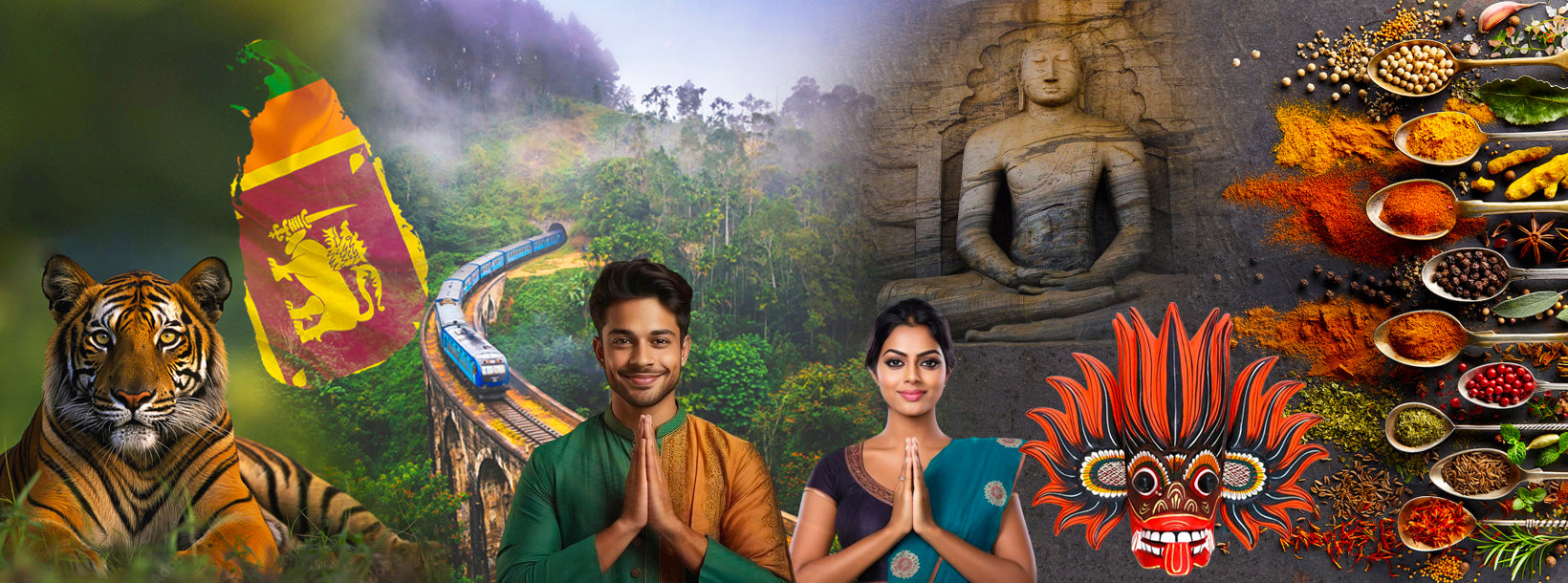
Several of the craft categories at Laksala are directly linked to specific cultural and religious traditions. The dumbara mats woven in the Kandy district, for instance, use patterns that appear in royal Kandyan court records. Wooden devil masks from the southern coastal tradition — used in folk healing rituals known as thovil — are carved using techniques that have changed little in generations. Kandyan-style jewellery, with its characteristic honeycomb settings for gems, echoes the aesthetic of the Esala Perahera Festival regalia. Batik, though it arrived via Southeast Asian trade routes, has been so thoroughly adapted to Sri Lankan tastes and motifs over the past century that it is now considered a local art form in its own right.

Brassware tells a particularly layered story. The oil lamps and ornamental vessels at Laksala are shaped after the Magul Pahana (ceremonial lamps) found in Buddhist and Hindu temples across the island — objects that have carried ritual significance for over a millennium.

Is Laksala worth visiting as a tourist?

For visitors who want genuinely made-in-Sri-Lanka souvenirs without spending time verifying provenance, Laksala is a practical first stop. The fixed-price model means you spend time choosing rather than negotiating. The range is broad enough that most travellers find something in their budget, from small lacquerware trinkets to elaborate gem-set pendants. Gift-buyers in particular tend to find Laksala straightforward: the packaging is designed with export in mind, and staff at the main Colombo outlets are accustomed to advising on carry-on versus checked luggage restrictions for fragile items.

That said, Laksala is a retail store, not a craft village experience. If you want to watch artisans at work — which is rewarding in its own right — pairing a Laksala visit with a trip to a production community gives you both the understanding and the souvenir. Several craft workshops operate around Kandy, Galle, and the Cultural Triangle and can be incorporated into a broader itinerary.

How does Laksala support Sri Lankan artisan communities?

The Sri Lanka Handicrafts Board, which oversees Laksala, runs training programmes for young artisans in traditional crafts that are at risk of dying out. By providing a guaranteed retail channel through Laksala outlets, the Board gives participating workshops the commercial certainty to invest in the next generation of craft workers. For many rural communities — particularly in the handloom weaving villages of the Uva and Sabaragamuwa provinces — Laksala contracts represent a meaningful portion of household income. The organisation has also exported Sri Lankan craft goods under the Laksala brand to international buyers, giving artisans indirect access to foreign markets they could not reach independently.

This model sits within a longer Sri Lankan tradition of state support for artisanal heritage. The crafts represented at Laksala are not curio reproductions; they are live traditions practised by communities whose livelihoods depend on continued demand. Shopping at Laksala is, in a modest but concrete way, participating in that support structure.

Ask Lakpura® Agent
