Riding an elephant through the tank-dotted wetlands of Sri Lanka's Cultural Triangle is unlike any other wildlife experience the island offers. Unlike a jeep safari, where you observe animals from a distance, an elephant back safari places you at eye level with the landscape — moving quietly through scrub forest, wading shallow rivers, and passing the fringes of villages that have coexisted with elephants for centuries. The mahout guides the elephant along routes that vehicles simply cannot reach, opening up perspectives that remain otherwise inaccessible.
What does an elephant back safari involve?
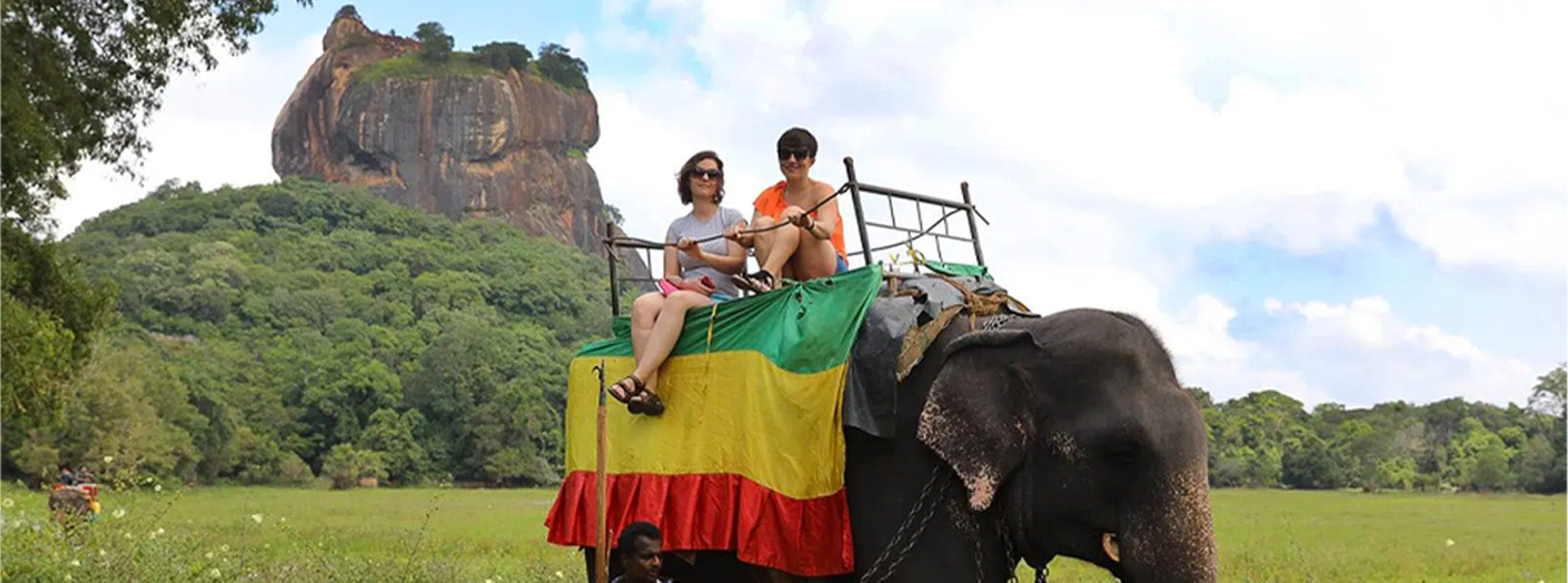
Each safari is led by a trained mahout — the elephant's long-term caretaker — who manages the animal throughout the ride. Guests sit in a wooden howdah, a basket-like platform secured to the elephant's back and large enough to seat up to four passengers. The ride is unhurried: expect a swaying, measured pace as the elephant moves along jungle paths, across open grassland and through shallow waterways.
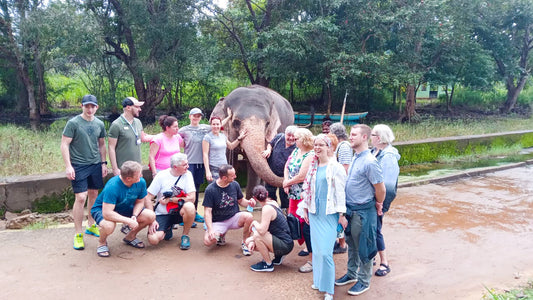
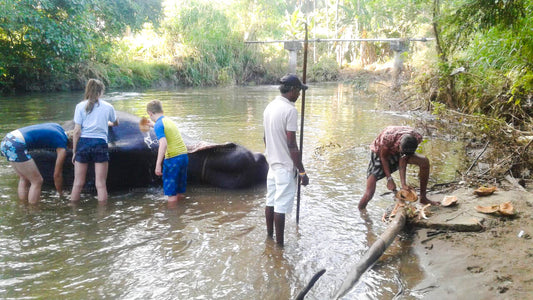
Beyond the ride itself, many operators offer guests the chance to interact more closely with the elephant. Options typically include feeding, grooming, and accompanying the elephant to a river or tank for its daily bath — a highlight that lets you understand something of the daily rhythm of these working animals. Picnicking in the bush in the shade of the elephant is another popular addition. One practical note: riders need to duck periodically to avoid low-hanging branches along forest paths.
Where are elephant back safaris available in Sri Lanka?
The most established locations are in the north-central Cultural Triangle, where the landscape combines ancient irrigation reservoirs, scrub jungle and open paddy lowlands. Habarana is the primary hub, followed by Sigiriya and the area around Kaudulla. Each setting has a slightly different character.
Habarana
Habarana sits roughly 210 km north-east of Colombo and serves as the transit point for large herds of wild elephants migrating between Minneriya and Kaudulla national parks. Its irrigation reservoirs and river channels create a distinctive riverine terrain where domesticated safari elephants wade through water to reach far banks — a feature that makes the Habarana safari particularly memorable. The route typically crosses the main road, village tracks, jungle paths, swamp and river sections.
The best window for river-crossing safaris at Habarana is March to July, when water levels are high enough to make wading meaningful. From August to November the river runs shallower; December to February brings the north-east monsoon and the river flows again but conditions are wetter underfoot.
Sigiriya
Safaris departing from Sigiriya village move through the mixed forest and agricultural land at the base of the famous rock fortress. The terrain here is slightly drier than Habarana and the routes pass through traditional farming communities, offering a glimpse of rural life alongside the wildlife encounter. Because Sigiriya combines the safari with one of Sri Lanka's most visited heritage sites, this location suits travellers who want to combine culture and nature in a single day.
Kaudulla
Kaudulla National Park lies around 15 minutes north-east of Habarana by road and is best known for its large congregations of wild elephants around the ancient tank, particularly between August and December. The ecosystem here — open water, tall grass and surrounding jungle — gives elephant back safaris a particularly wild feel, with the chance of sighting wild herds at a respectful distance from the back of your own elephant.
What wildlife can I expect to see?
The north-central zone is one of Sri Lanka's most productive wildlife corridors. Beyond elephants, the wetlands and forest edges support painted storks, spot-billed pelicans, open-billed storks and a range of kingfisher species. Mugger crocodiles are often visible basking along tank margins. Axis deer, water buffalo and the occasional mongoose are common sightings along the forest paths. The diversity of birdlife alone — particularly around the irrigation reservoirs — makes the region worthwhile for naturalists even outside of dedicated safari programmes.
For those interested in observing wild elephant herds rather than riding domesticated ones, the nearby Elephant Transit Home in Udawalawe offers a contrasting experience: a rehabilitation centre where orphaned wild elephants are cared for before release.
How do elephant back safaris compare with jeep safaris?
| Factor | Elephant Back Safari | Jeep Safari |
|---|---|---|
| Terrain access | Jungle paths, rivers, swamp | Motorable tracks within park |
| Wildlife impact | Quieter approach; animals less disturbed | Engine noise can disturb some animals |
| Group size | Up to 4 per elephant | Typically 4–6 per jeep |
| Duration | Typically 1–3 hours | Half-day or full-day |
| Best for | Close nature immersion, families, photography | Wide-area coverage, spotting large herds |
Is elephant back safari suitable for children and families?
Yes, provided children are old enough to sit securely in the howdah and follow basic safety instructions from the mahout. The steady, slow pace of the elephant is generally far less jarring than a jeep on rough park tracks. Most operators set a minimum age — confirm this when booking. The interactive elements (feeding and bathing the elephant) tend to be the most engaging part for younger visitors. Parents should ensure sunscreen and hats are packed, as the howdah offers limited shade on open sections of the route.
How do I get to Habarana from Colombo?
Habarana is approximately 210 km from Colombo, reachable in around three to four hours by road depending on traffic. The most convenient option for most travellers is a private transfer or hired driver, which also allows stops at Dambulla Cave Temple en route. Intercity buses and the Colombo–Trincomalee rail line (alighting at Habarana station) are slower but lower-cost alternatives. Most visitors to the area combine Habarana with nearby cultural sites including Polonnaruwa, forming part of the wider Cultural Triangle itinerary.
What should I know before booking?
- Responsible operators matter: Choose providers whose elephants show signs of good care — appropriate body condition, access to water and shade between rides, and mahouts who do not use sharp implements. Ask the operator directly about the elephant's welfare programme.
- Seasonality affects the experience: River-wading sections at Habarana are best from March to July. Plan accordingly if that element is important to you.
- What to wear: Light, long-sleeved clothing in neutral colours, closed shoes or sandals with secure straps, and a hat. Avoid loose jewellery that could catch on branches.
- Photography: A wide-angle lens or smartphone is easier to manage from the howdah than a long telephoto. Secure any equipment with a strap — the elephant's movement can be unpredictable when navigating obstacles.
- Combining activities: Habarana is well-positioned for a morning elephant back safari followed by an afternoon jeep safari at Minneriya or Kaudulla, or a visit to Sigiriya Rock Fortress — a logical full-day itinerary that many Lakpura guests favour.