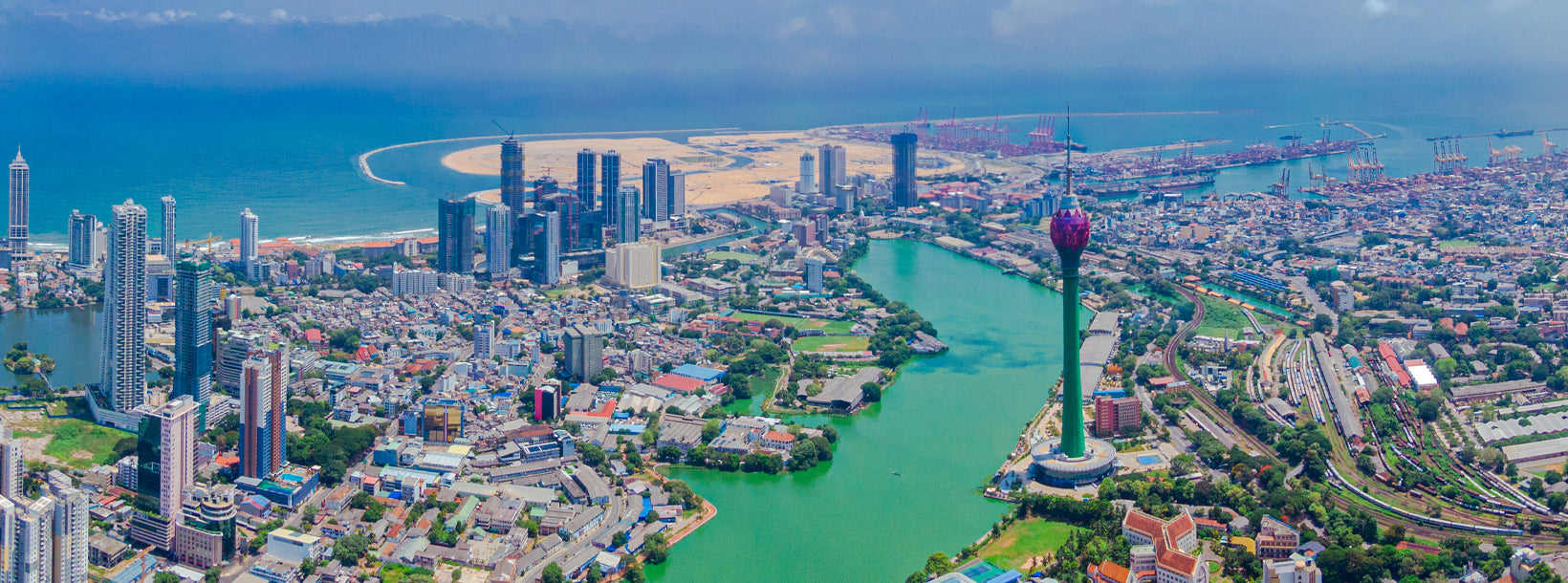
Beira-søen


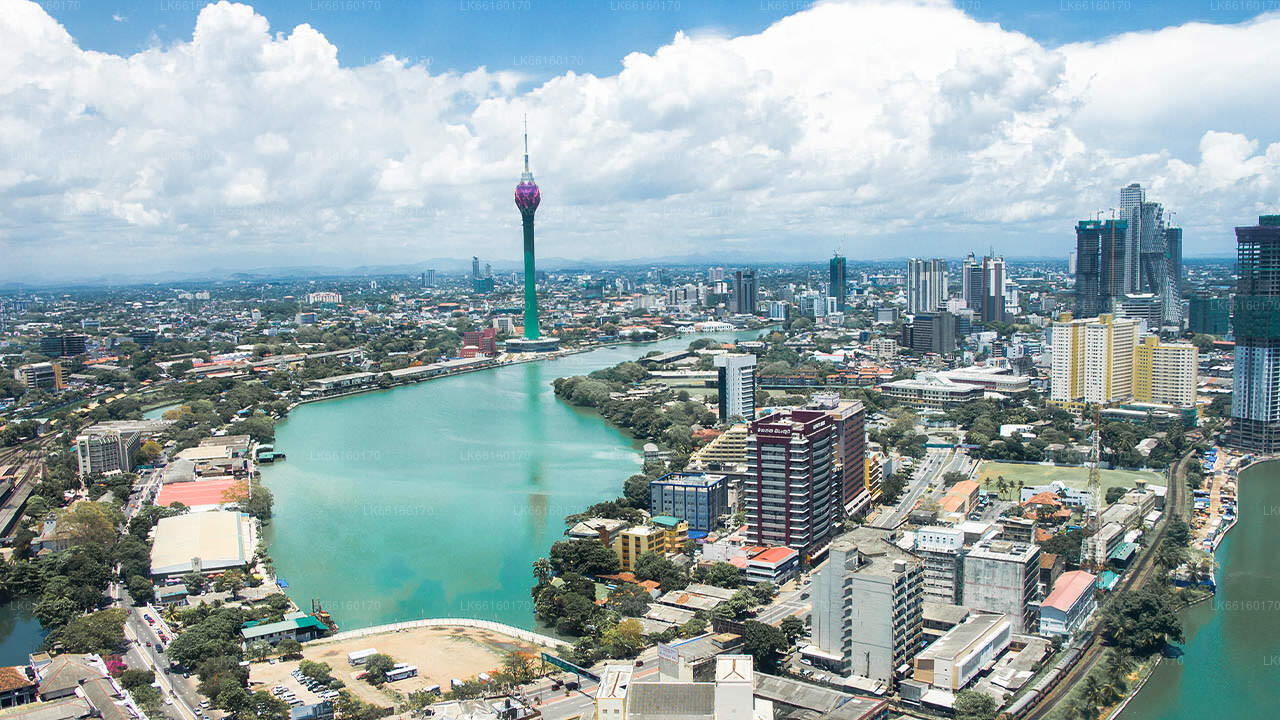
Beira-søen er en af de mest berømte vartegn i Colombo. Den ligger lige i centrum af hovedstaden og er et af de få steder for afslapning og skønhed inden for byens grænser. Området omkring søen har mange attraktioner, for ikke at nævne søens egen historie.
Beira-søen begyndte som en meget større sø, der dækkede et område på 410 hektar for mere end et århundrede siden. Men med den hurtige kommercialisering af området er det blevet reduceret til cirka 160 hektar.
Historie
Beira blev oprettet af de portugisiske erobrere i det 1500. århundrede for at fungere som en gravgrav, der beskyttede deres base i Colombo mod de fjendtlige lokale. De tilføjede mange skjulte farer i søen, som store krokodiller osv.
Beira viste sig at være en stor hindring for lokale herskere som Mayadunne fra Sitawaka, da de forsøgte at befri området fra udenlandsk styre. Det var Mayadunnas søn, Rajasingha I, der lykkedes med at dræne søen i 1587 og dermed komme tættere på at genvinde området fra portugiserne. Han skar kanalerne, der forsyner søen med vand, men kunne ikke håndtere de ekstra forstærkninger, som portugiserne havde bragt ind fra Indien.
Efter at hollænderne havde erobret og taget kontrol over søen, blev den udvidet, og flere kunstige øer blev dannet på den. Nogle af dem, såsom Slave Island, var store nok til at have landsbyer eller kokosplantager. Folk begyndte at bosætte sig på øerne, og trafikken på vandet steg. Det blev dog for det meste brugt til politiske fanger, som det var tilfældet på Slave Island, eller til landbrug; især på grund af de krokodiller, der stadig huserede i søen.
Efter at briterne overtog kontrollen, fjernede de krokodillerne og udviklede området omkring søen. De nu græsklædte bredder blev populære for fester, og der blev endda afholdt en stor bal for at fejre Storbritanniens sejr i slaget ved Waterloo. Beira-søen blev kendt for en række rekreative aktiviteter som roning og sejlads. Slave Island blev renset for sine fængselsbygninger, og Ceylons første botaniske have, Kew Gardens, blev åbnet der i 1810. De første planter blev leveret af Royal Botanic Gardens i London. I det 19. århundrede begyndte landvinding til udvikling, og søens areal blev reduceret, samtidig med at forureningen begyndte at stige.
Vækst af Beira
For omkring et årti siden blev situationen værre, så meget at området primært var omgivet af slumområder; mens vandet i søen var rent spildevand fra disse hytter og huse, der ikke havde penge til ordentlig affaldshåndtering. Det lugtede dårligt, og kun de fattigste mennesker boede i området. Langs vandkanten stod mange store lagerbygninger, der var mindelser om Kolombos tehandel; hvor te blev transporteret på pramme via havnekanalen. Disse lagerbygninger stod rundt som en spøgelsesby; mørkt af snavs over et århundrede, og de ødelagte vinduer gav en uhyggelig stemning. Den eneste grund til, at folk gik til Beira-søen, var at tilbede ved Gangarama-templet eller besøge en af de vigtige steder som Colombo Rowing Club, SLECC, St. Joseph’s College eller Lake House.