Lakpura
Lakpura®

Temple Sri Kailawasanathan Swami Devasthanam

Sri Kailawasanathan Swami Devasthanam — also known among devotees as Kapikaawatha Shivan Temple — holds the distinction of being the oldest Hindu temple in Colombo. Founded in 1783 and dedicated primarily to Lord Shiva, with a significant presence of Lord Ganesha, the temple has served the city's Hindu community for well over two centuries. It stands today as one of the few temples in Sri Lanka built strictly according to classical Vedic architectural principles, drawing both devout worshippers and curious visitors.

What is the history of Sri Kailawasanathan Swami Devasthanam?

The temple's origins trace back to a community of South Indian traders known as the Thiruvilanga Nakarathar — a group of Chetti merchants who travelled to Sri Lanka primarily for trade during the late eighteenth century. At the time, the Kandyan kingdom was under the rule of King Kirthi Sri Rajasingha, while the Dutch colonial administration controlled the coastal regions and managed the flourishing maritime trade.

These Chetti traders found a small Sivalingam that had long been placed under a tree by earlier Hindu settlers in the area, but no formal place of worship existed in Colombo. Feeling that the absence of a properly consecrated Hindu temple was unacceptable, the community resolved to build one according to Vedic scripture and tradition.

In 1783, the foundation stone was laid on land belonging to a senior Chetti trader named Sri Veerapathran, who also assumed personal responsibility for financing and overseeing construction. Being the wealthiest merchant community in Colombo at the time, the Thiruvilanga Nakarathar completed the project without major difficulty. The temple was consecrated through proper ritualistic ceremonies and quickly became the focal point of Hindu religious life in the city.

The temple was originally known as the Captain Gardens Temple — a name derived from the Dutch officer who administered trade in the surrounding area. His rank gave the locality its common name, Captain Gardens, which eventually attached itself to the newly built temple. That colonial-era nickname gradually gave way to its present name, though older residents of Maradana still recall the earlier designation.

Where exactly is the temple located?

The temple is situated in the Maradana neighbourhood of Colombo, a historically dense and culturally layered district close to the city centre. Maradana has long been home to a mix of Sinhalese, Tamil, and Muslim communities, making it one of Colombo's most ethnically textured neighbourhoods. The temple sits comfortably within this fabric, accessible by public bus, three-wheeler, or taxi from most parts of the city. If you are already planning a Colombo city tour, the temple makes a natural and worthwhile addition to the itinerary.

What architectural features make this temple distinctive?

Unlike many Hindu temples found elsewhere in Sri Lanka — which are often modest in scale or built in a simplified style — Sri Kailawasanathan Swami Devasthanam was constructed by skilled temple architects and sculptors brought directly from South India. The result is a structure that closely resembles the classical Dravidian temple tradition seen across Tamil Nadu.

  • Gopuram (main tower): The colourful entrance tower is covered in sculpted figures from Hindu mythology, rendered in the detailed polychrome style characteristic of South Indian temple architecture.
  • Main doorway: The entrance features an intricately carved lotus motif, a symbol of purity and divine knowledge in Hindu iconography.
  • Stone sculptures: Several solid stone statue works are distributed throughout the complex, crafted to a standard rarely encountered in Sri Lanka.
  • Main sanctum: The central shrine is consecrated to Lord Shiva, housing the presiding Sivalingam as its primary sacred object.

Encircling the main sanctum is a series of satellite shrines dedicated to a wide range of Hindu deities and cosmic forces. These include shrines to Ganesha, Skanda (Murugan), Dhurga, Vairavar, Ambaal, Kali, Brahma, Sandeswarar, and the Navagraha — the nine planetary bodies that play a central role in Hindu astrological tradition. This arrangement reflects the comprehensive cosmological vision of classical Hindu temple design, where the presiding deity sits at the spiritual centre and is surrounded by the full pantheon.

What should visitors know before arriving?

Sri Kailawasanathan Swami Devasthanam is an active place of worship, not a museum or monument. The following points will help visitors show appropriate respect and make the most of their time there.

  1. Remove footwear: All visitors — regardless of faith — are required to remove their shoes before entering the temple premises and to wash their feet at the designated washing area near the entrance.
  2. Photography restrictions: Photography inside the temple is not permitted without prior written approval from temple authorities. The exterior and gopuram may generally be photographed freely, but always confirm with staff on the day.
  3. Dress code: Modest clothing is expected. Both men and women should ensure shoulders and knees are covered. Sarongs are sometimes available at the entrance for those who need them.
  4. Timing: The temple holds regular puja (prayer) sessions throughout the day. Visiting during a puja offers a more immersive experience but can be crowded, particularly on Fridays and during festival periods.
  5. Festival visits: The temple is particularly active during major Hindu festivals such as Maha Shivaratri and Thai Pongal, when the atmosphere becomes more ceremonial and the number of devotees significantly increases.

How significant is the temple within Colombo's religious landscape?

Over two centuries after its founding, Sri Kailawasanathan Swami Devasthanam remains one of the most visited Hindu temples in the country, with a congregation numbering in the tens of thousands. Its survival through colonial rule, waves of urban development, and the broader political changes of the twentieth century speaks to its deep roots in the community that built it.
The temple also occupies a meaningful place in the story of Colombo itself. It predates Sri Lankan independence by over 150 years, and its founding reflects the cosmopolitan mercantile history of the city — a place where South Indian traders, Dutch colonial administrators, and Kandyan-era politics all intersected in a single neighbourhood. For visitors interested in the layered history of Colombo, the temple offers a tangible connection to that past.

Sri Lanka's religious geography is unusually diverse for a relatively small island. Buddhist stupas, Hindu kovils, mosques, and colonial-era churches often stand within a few hundred metres of one another in the same city block. Sri Kailawasanathan Swami Devasthanam is one of the oldest surviving examples of that diversity in Colombo — and one of the best preserved.

How does the temple fit into a broader Colombo itinerary?

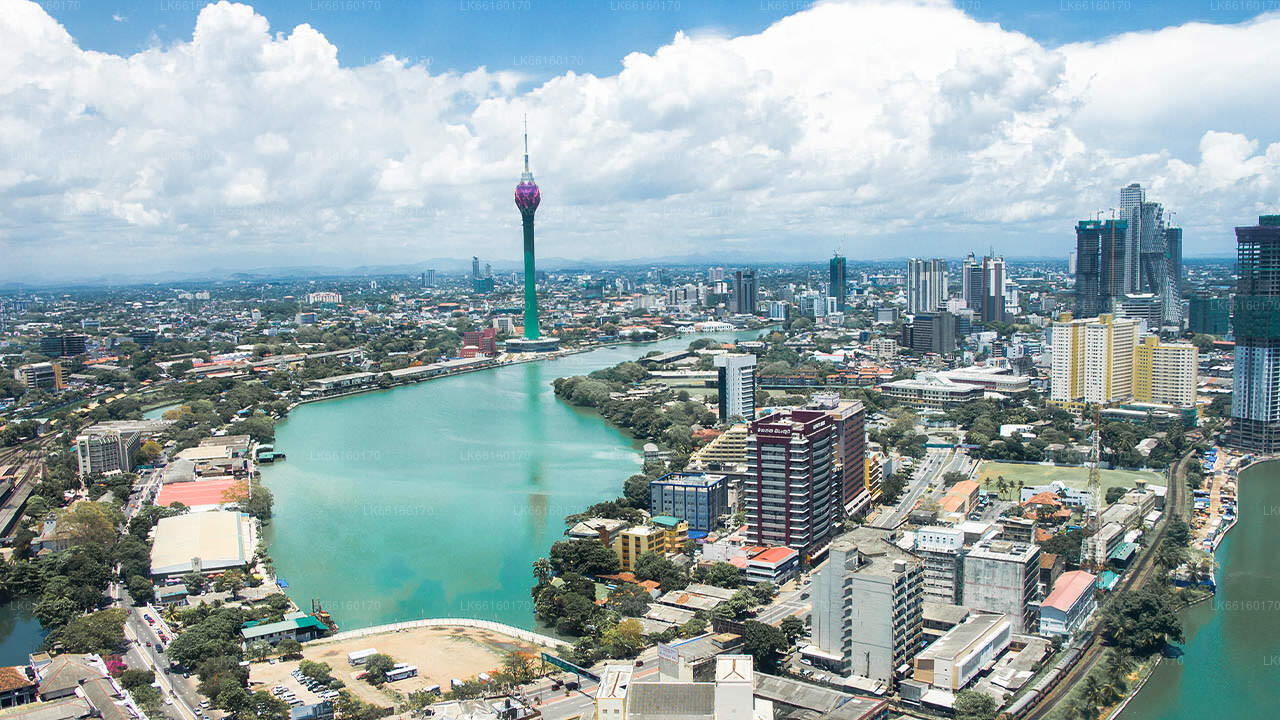
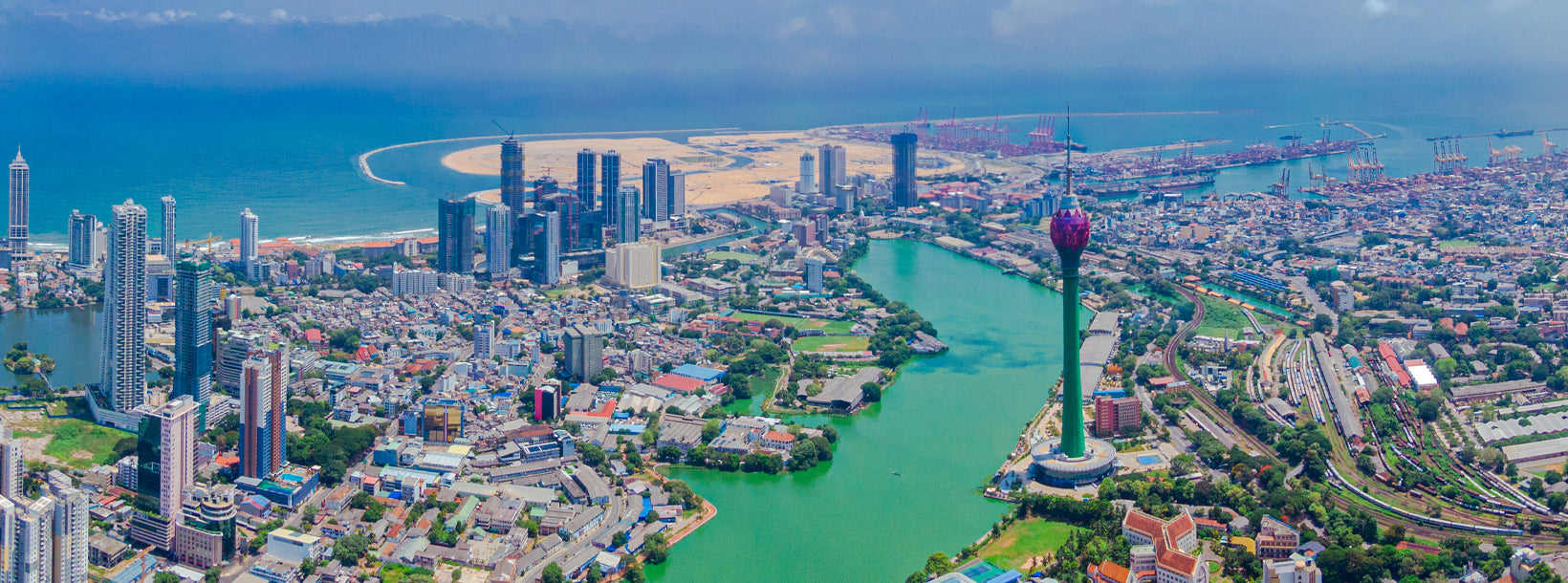
Maradana and the surrounding districts contain several other sites of historical and architectural interest. The temple pairs well with a walk through the older commercial quarters of Colombo, a visit to the nearby Pettah market area, or a stop at the Colombo Lotus Tower for a wider view of the city's contemporary ambitions alongside its heritage. Those with a particular interest in Sri Lanka's religious architecture may also wish to explore Hindu temples in other regions of the country, where distinct regional traditions and styles are represented.

Book this experience with Lakpura

Curated by our local team. Direct booking, instant confirmation.

Ask Lakpura® Agent