Lakpura
Lakpura®

Old Colombo Dutch Hospital

In the heart of Colombo Fort, wedged between modern bank towers and the working harbour, stands one of the oldest surviving colonial structures in Sri Lanka. The Old Dutch Hospital is a low-slung, courtyard-centred building that carries more than three centuries of history in its thick walls and heavy teak rafters. Since its sensitive restoration in 2011, it has become one of the most atmospheric places in the city to spend an afternoon — part living museum, part dining destination.

What is the history of the Old Dutch Hospital in Colombo?

The building was constructed in the late 17th century by the Dutch East India Company (VOC) to serve as a hospital for its soldiers, sailors, and administrative personnel. Its position close to the harbour was deliberate: ships arriving after long voyages could discharge sick crew quickly, and supplies could be moved in and out with ease. Historical paintings from the period show a canal running alongside what is now Canal Row lane — a waterway that the British filled in after they took control of Colombo in 1796.

For its era, the hospital was well-equipped. Beds were scarce in 17th-century Ceylon; most patients rested on reed mats, while the critically ill and senior officials received straw mattresses, considered a considerable luxury at the time. Patient clothing was sourced from Thoothukudi (then called Tuticorin by the Dutch) on the southern tip of India, reflecting the VOC's wide trading network.

Two surgeons stand out in the building's records. A physician named Alleman served the longest and worked consistently to improve provisions and conditions. Far more celebrated, however, was Paul Hermann, who was based at the hospital from 1672 to 1679. Hermann catalogued an enormous number of Sri Lankan plant species and is widely regarded as the founding figure of systematic botany in the country. His herbarium specimens, preserved in European collections, influenced taxonomists for generations.

When British rule replaced Dutch administration, the hospital fell into disuse as a medical facility. Over the following two centuries the building served various civic functions — most notably as the Colombo Apothecaries and, from the early 1980s to the 1990s, as the Colombo Fort Police Station. The Civil War era left it structurally compromised, and for a period it sat largely abandoned. A full restoration completed in 2011 returned the building to sound structural condition and opened it to the public as a commercial and cultural destination.

What makes the architecture of the Dutch Hospital distinctive?

The design reflects a clear adaptation to tropical conditions rather than a direct transplant of European building conventions. The hospital has five wings arranged around two open central courtyards, a layout that channels prevailing breezes and prevents heat from building up inside. Wide, overhanging eaves shade the interior corridors throughout the day, making the building naturally cool even during Colombo's hottest months.

The walls are roughly half a metre thick — a building technique common to Dutch-era construction in Ceylon — which provides both structural strength and thermal mass. Massive teak beams support the roof, and the characteristic red clay roof tiles that cap the structure are immediately recognisable as a hallmark of the Dutch colonial style found across the island. The Dutch Fort in Negombo shares several of these architectural features, as do remnants of Dutch-era fortifications in Galle.

Unlike European hospital buildings of the same period — which typically relied on stone vaulting and enclosed interior rooms — the Colombo Dutch Hospital keeps its spaces open and cross-ventilated. The result is a building that feels surprisingly airy despite its age and solidity.

What can visitors do at the Old Dutch Hospital today?

The restored complex now operates as a leisure and dining precinct, with the original layout largely intact. Visitors can walk freely through the colonnaded corridors and central courtyards, which give the best sense of the building's original proportions. A range of restaurants and cafés occupy the wings, offering cuisine from Sri Lankan to international. Several boutique retail outlets sell jewellery, fashion, and craft items from local designers.

The atmosphere shifts markedly after dark: the courtyards are lit in a way that emphasises the texture of the old walls, and the restaurants fill with a mix of Colombo professionals, expatriates, and travellers — a crowd that reflects the building's Fort address better than almost anywhere else in the city.

How do I get to the Old Dutch Hospital from central Colombo?

The building sits on Hospital Street in the Colombo Fort district, a short walk from the Fort railway station and well within the main business precinct. From most city hotels a taxi or tuk-tuk ride takes under 20 minutes during off-peak hours, though Colombo traffic can extend that considerably at rush hour. For visitors using a pre-arranged Colombo city tour, the Dutch Hospital is a natural stop alongside nearby Fort landmarks. Parking within the Fort area is limited; arriving by taxi or rideshare is more practical than self-driving.

When is the best time to visit the Old Dutch Hospital?

The complex is accessible throughout the year and is not subject to seasonal closures. Mornings are quieter and cooler, making them better for unhurried exploration of the architecture. Evenings — particularly from around 6 p.m. — are when the dining precinct comes to life, and the courtyard lighting makes the atmosphere considerably more evocative. Avoid peak lunch hours on weekdays if you want to move through the corridors without navigating large office crowds from the surrounding Fort buildings.

Is the Old Dutch Hospital part of a wider heritage trail in Colombo?

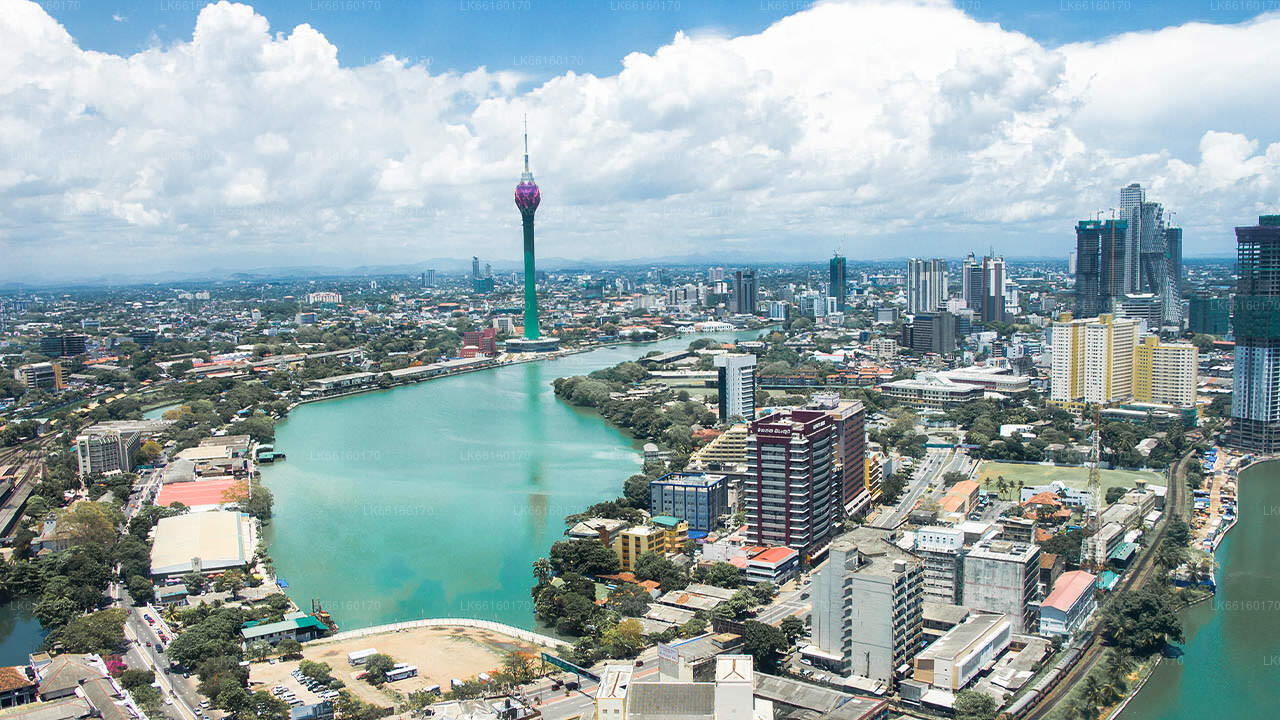
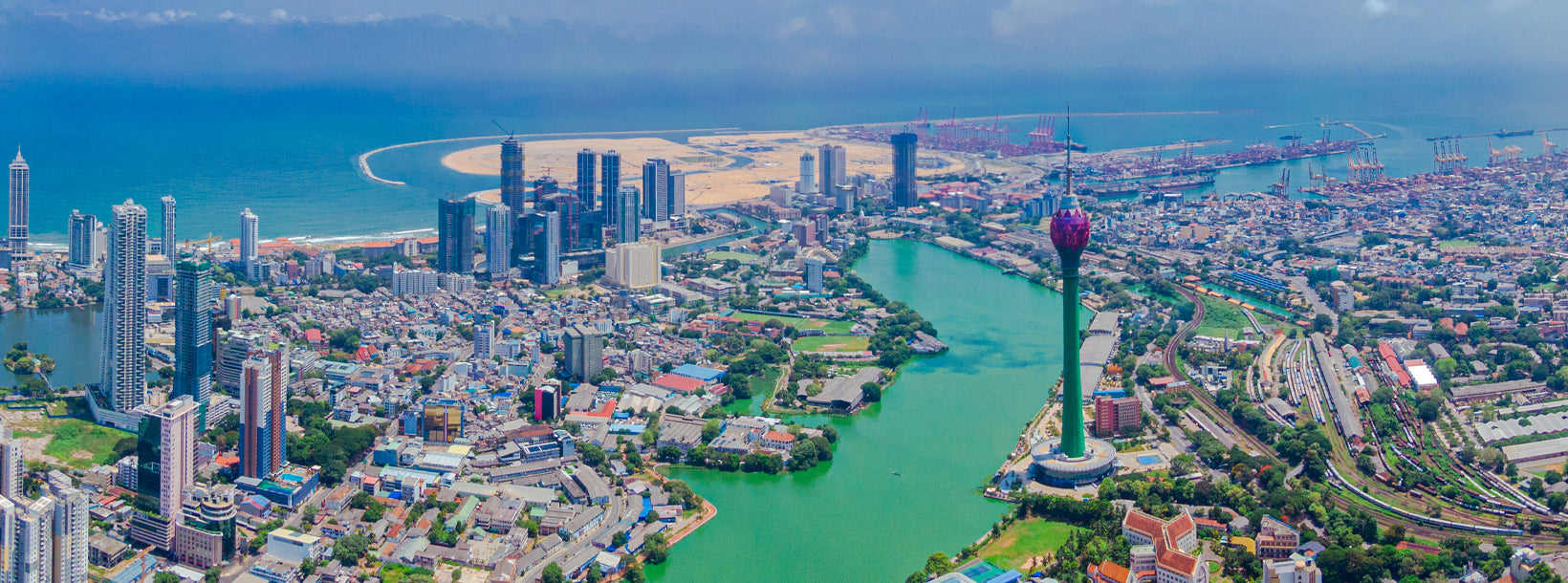
The Fort precinct concentrates several layers of colonial history within a compact area. The Old Dutch Hospital sits near the President's House, the old Customs building, and the Colombo Lotus Tower, which offers a contrasting modern landmark visible from the Hospital's courtyard. A short distance to the south, the Galle Face Green and its promenade mark the edge of the old British-era seafront. Taken together, the Fort area offers a walkable half-day heritage loop that requires little more than comfortable shoes and a willingness to look past the financial institutions now occupying many of the old colonial shells.

What is the significance of Paul Hermann's work at the Dutch Hospital?

Hermann's seven years in Colombo produced one of the most comprehensive early surveys of Sri Lankan flora. He collected, pressed, and described hundreds of plant specimens, many of which were new to European science. His manuscript collection eventually reached Carl Linnaeus, who used Hermann's Ceylonese specimens as a reference when developing his binomial classification system. The connection between a 17th-century VOC hospital and the foundations of modern botanical taxonomy is one of the less-known but genuinely remarkable chapters in Sri Lanka's intellectual history.

Book this experience with Lakpura

Curated by our local team. Direct booking, instant confirmation.

Ask Lakpura® Agent