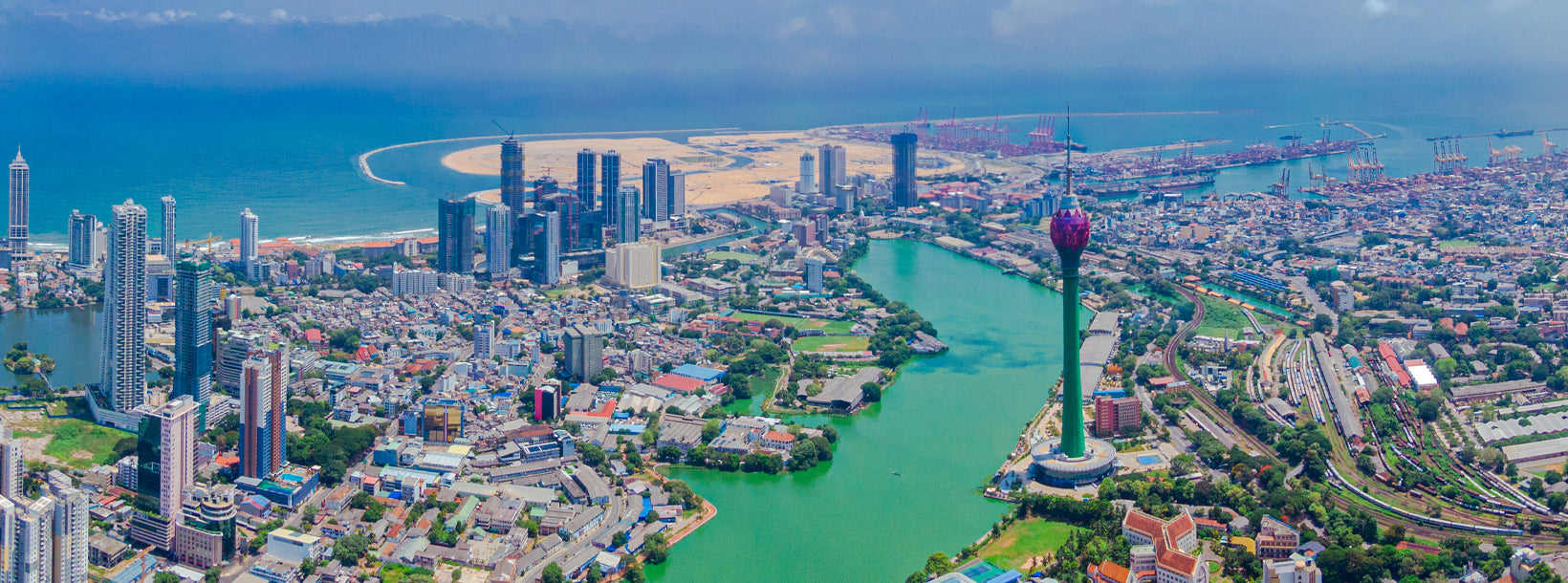
Jezero Beira


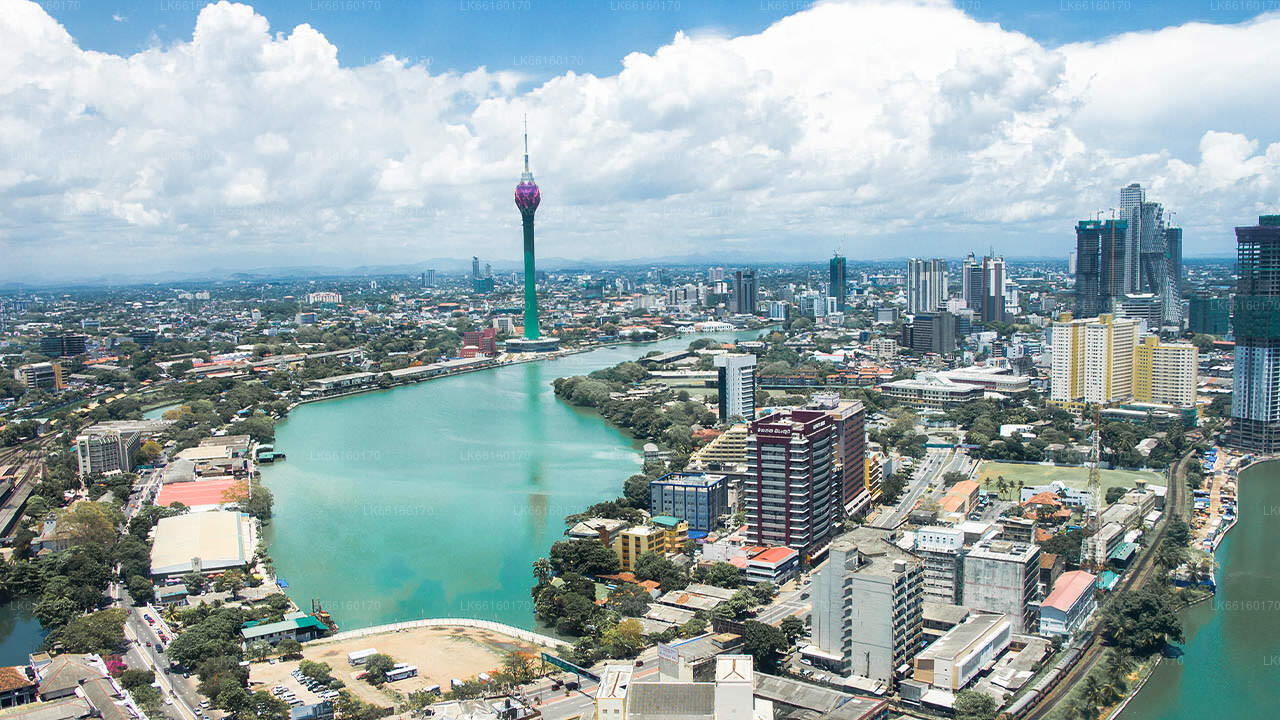
Jezer Beira je jedním z nejslavnějších památek Colomba. Leží přímo uprostřed hlavního města a je jedním z mála míst k odpočinku a kráse v městských hranicích. Oblast kolem něj má mnoho atrakcí, nemluvě o historii samotného jezera.
Jezero Beira začalo jako mnohem větší jezero, které před více než stoletím zabíralo plochu 410 akrů. S rychlou komercializací oblasti bylo postupně zredukováno na přibližně 160 akrů.
Historie
Beira bylo vytvořeno portugalskými dobyvateli v 1500. letech, aby sloužilo jako příkop, který chránil jejich základnu v Colombu před nepřátelskými místními obyvateli. Do jezera přidali mnoho skrytých nebezpečí, jako jsou velcí krokodýli a podobně.
Beira byla obrovskou překážkou pro místní panovníky, jako byl Mayadunne z Sitawaky, kteří se pokusili osvobodit oblast od cizího vládnutí. Mayadunneho syn, Rajasingha I, byl tím, kdo v roce 1587 jezero vysušil, čímž se přiblížil k osvobození oblasti od Portugalců. Uřízl kanály, které jezero zásobovaly vodou, ale nemohl se vypořádat s posilami, které Portugalci přivedli z Indie.
Po dobytí jezera Nizozemci bylo rozšířeno a uměle vytvořeny některé ostrovy. Některé z nich, jako například Slave Island, byly dostatečně velké na to, aby na nich byly vesnice nebo plantáže kokosových ořechů. Lidé začali osídlovat ostrovy a doprava po vodě se zvýšila. Bylo však využíváno především pro politické vězně, jako to bylo v případě Slave Island, nebo pro zemědělství; zejména kvůli krokodýlům, kteří jezero stále osídlovali.
Po převzetí oblasti Brity byly krokodýli odstraněni a okolí jezera bylo vyvinuto. Trávníky kolem jezera se staly oblíbeným místem pro oslavy, dokonce se zde konal velký ples na oslavu britského vítězství v bitvě u Waterloo. Jezero Beira se stalo známým pro různé rekreační aktivity, jako je veslování a jachting. Slave Island bylo očištěno od vězeňských zařízení a v roce 1810 byla otevřena první botanická zahrada Cejlonu, Kew Gardens. Sazenice byly poskytnuty Královskými botanickými zahradami v Londýně. V 19. století začal proces získávání půdy pro rozvoj a plocha jezera byla zredukována, rovněž došlo k nárůstu znečištění.
Růst Beiry
Před zhruba deseti lety se situace zhoršila natolik, že oblast byla téměř úplně obklopena slumy; zatímco voda v jezeře byla čistě odpadní voda z těchto chat a domů, které neměly prostředky na správu odpadu. Místo smrdělo a žili tam pouze nejchudší lidé. Přímořské skladiště bylo lemováno velkými skladišti, které připomínaly čajový obchod v Kolombu; čaj byl přepravován na bárkách přes přístavní kanál. Tato skladiště stála kolem jako město duchů; znečištěná prachem přes více než století, a okna byla poškozená, což dodávalo děsivou atmosféru. Jediný důvod, proč lidé do oblasti jezera Beira chodili, byla modlitba v chrámu Gangarama nebo návštěva jedné z významných lokalit, jako je Kolombský klub pro veslování, SLECC, St. Joseph's College nebo Lake House.