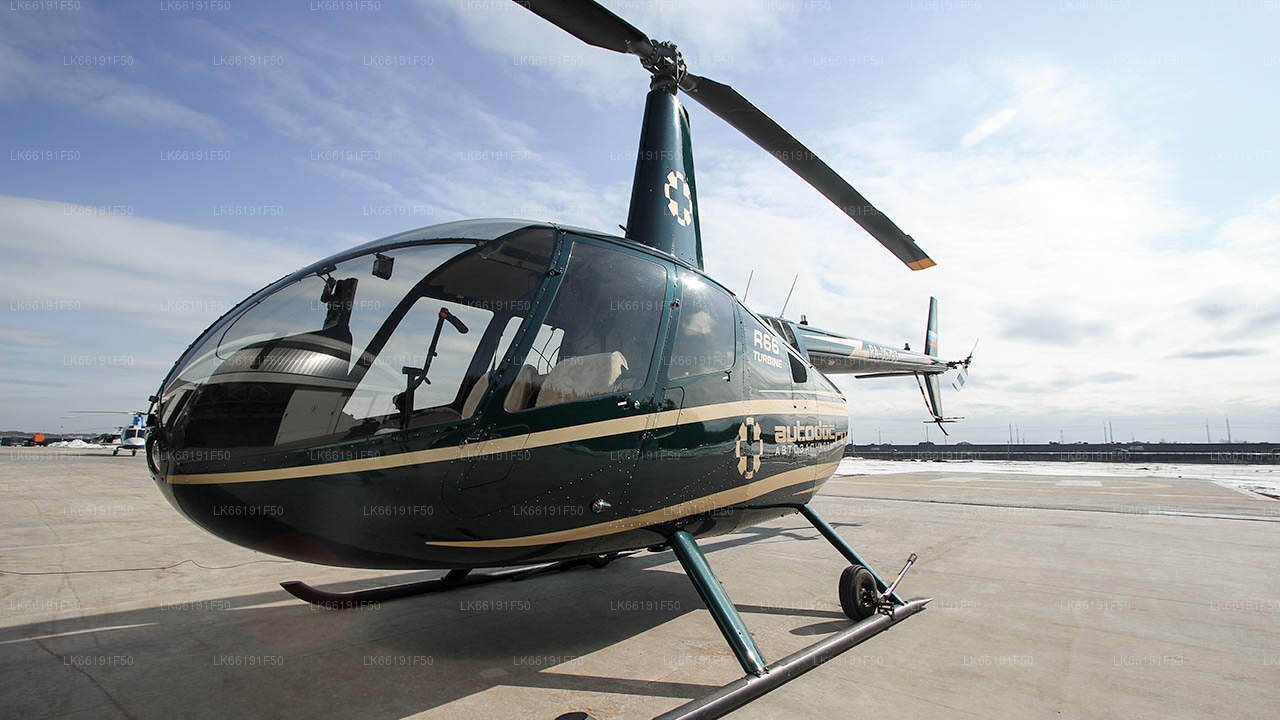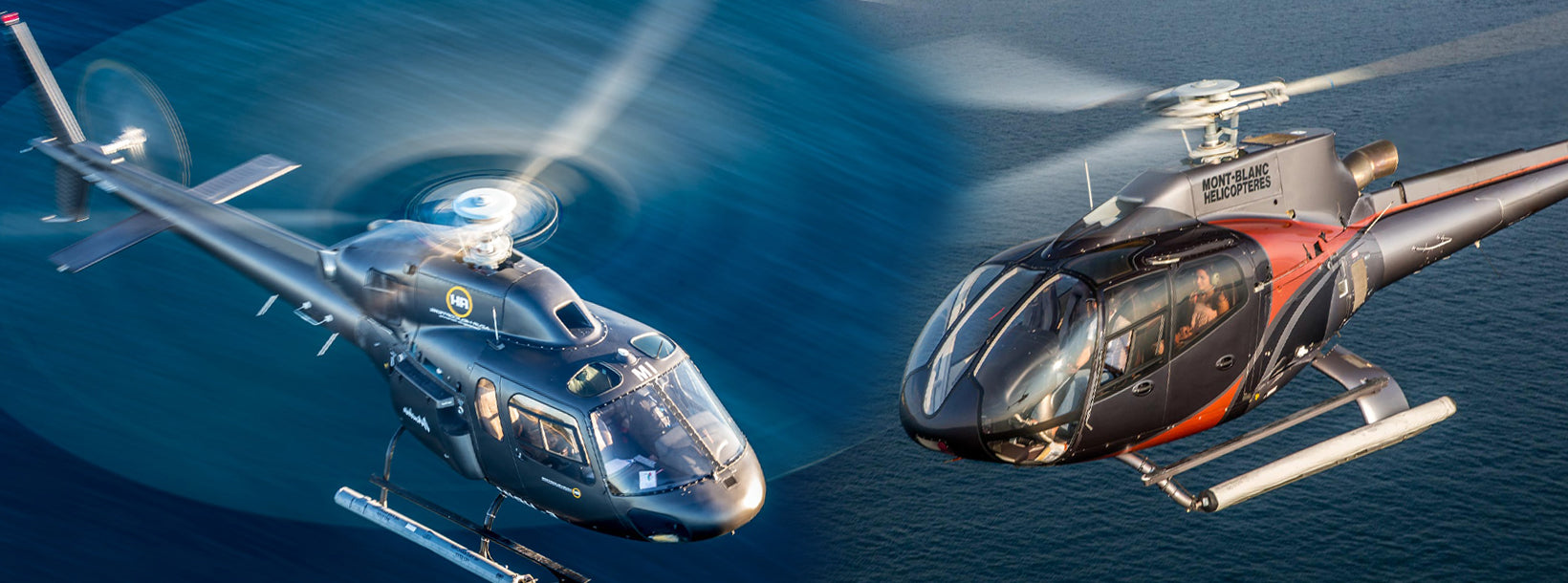

The Robinson R66 is one of the most capable light turbine helicopters available today, striking a balance between performance, passenger comfort, and operating economy that few aircraft in its class can match. Originally designed as a step up from the piston-powered R44, the R66 incorporates a Rolls-Royce turboshaft engine and a refined airframe that opens the door to a wider range of missions — from private travel and aerial photography to wildlife monitoring and charter tourism.
What engine does the Robinson R66 use, and why does it matter?
The R66 is powered by a Rolls-Royce RR300 turboshaft engine, a purpose-built turbine unit that delivers significantly more power than a conventional piston engine of comparable weight. Turbine power translates into better performance at higher altitudes, more consistent output in hot or humid conditions, and a notably smoother power delivery — all of which matter when flying over varied terrain.
Compared with piston-engine helicopters, turbine engines generally require less frequent overhaul on a per-hour basis and are considered more reliable in demanding environments. The RR300's integration into the R66 keeps overall weight low, preserving the efficiency advantage Robinson is known for.
What are the key specifications of the Robinson R66?
| Specification | Detail |
|---|---|
| Engine | Rolls-Royce RR300 turboshaft |
| Seating capacity | 5 (pilot + 4 passengers) |
| Maximum cruise speed | 140 knots (approx. 260 km/h) |
| Range | Up to 350 nautical miles (approx. 648 km) |
| Maximum takeoff weight | 2,700 lbs (1,224 kg) |
| Fuel capacity | 73.6 US gallons (278.5 litres) |
These figures position the R66 firmly in the light turbine segment — powerful enough for demanding work, compact enough to keep operating costs within reach of private owners and smaller charter operators.
How does the R66 perform in different environments?
The R66's turbine engine gives it a meaningful edge at altitude. In mountainous terrain — such as the highland regions found in central Sri Lanka around Horton Plains National Park — the aircraft maintains reliable lift where a piston-powered helicopter would begin to struggle. At sea level the extra headroom simply translates into faster cruise speeds and the ability to carry a fuller payload.
Its streamlined fuselage reduces aerodynamic drag, contributing to the fuel efficiency that operators cite as one of the main reasons they choose the R66 over older or heavier alternatives. A dedicated cargo compartment — larger than what competitors in the same weight class typically offer — adds further flexibility for equipment-heavy missions such as aerial survey work or photography.
What comfort and safety features does the R66 offer passengers?
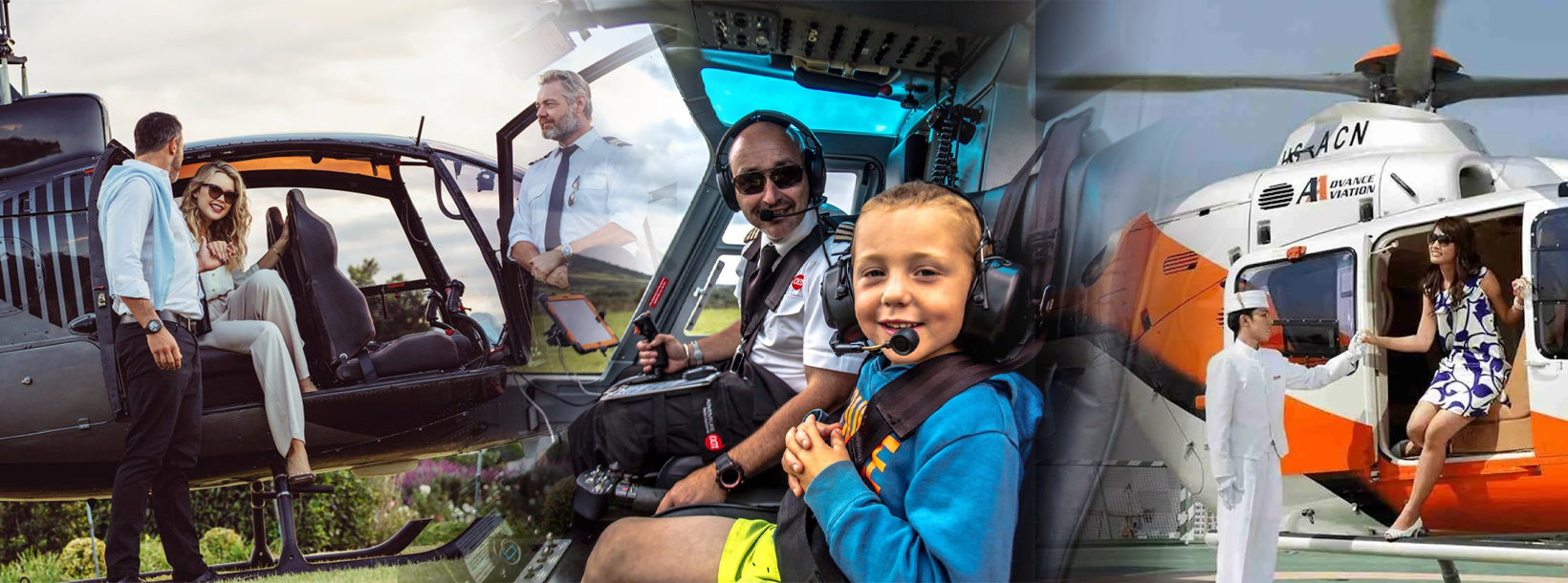
Four passengers sit in a well-proportioned cabin with generous legroom by light-helicopter standards. The seating layout and large windows make the R66 particularly well suited to scenic charter flights, where visibility is as important as comfort.
Safety and pilot workload are addressed through a hydraulic control system that reduces the physical effort needed to fly, especially on longer routes. Optional glass cockpit avionics and autopilot systems are available for operators who want enhanced situational awareness or intend to fly in instrument meteorological conditions. These upgrades bring the R66's flight deck closer to the standard found in significantly heavier, more expensive aircraft.
Who is the Robinson R66 designed for?
- Private owners seeking a turbine step-up from the R44 without the operating costs of a larger twin-engine helicopter.
- Charter and tour operators who need a five-seat aircraft capable of covering meaningful distances efficiently.
- Aerial photography and survey crews who benefit from the cargo space and stable flight characteristics.
- Law enforcement and government agencies running observation or light logistics missions.
- Wildlife conservation teams conducting aerial counts or monitoring in remote areas.
How does the R66 compare to chartering a larger helicopter?
For groups of up to four passengers, the R66 offers a cost-per-seat that larger twin-engine helicopters cannot match. Fuel burn per nautical mile is relatively low for a turbine machine, and the simplified single-engine design keeps scheduled maintenance straightforward. Robinson's global support network means that parts and certified technicians are available in most markets, including Sri Lanka, reducing the risk of prolonged downtime.
The trade-off is payload — the R66 is a light aircraft and cannot carry heavy freight or large groups. For missions requiring more capacity, operators typically step up to medium-twin helicopters. For most private and leisure charter flights, however, the R66 hits an effective sweet spot.
How is the Robinson R66 used for charter flights in Sri Lanka?
Sri Lanka's compact geography makes helicopter charter particularly practical. The island measures roughly 430 km from north to south, well within the R66's range, meaning a single aircraft can connect Colombo's airports with the Cultural Triangle, the southern coast, or the hill country without a fuel stop. Charter clients typically use the R66 for point-to-point transfers that would otherwise take four to six hours by road, as well as for scenic circuits over the coast, wildlife reserves, and ancient monuments.
Lakpura operates R66 charter departures from both Ratmalana Airport (RML) and Bandaranaike International Airport (CMB), allowing guests to choose the departure point that best suits their itinerary.
What should I know before booking an R66 charter?
- Weather windows matter — helicopters fly under visual flight rules in most charter contexts, so clear conditions are required.
- Weight and balance calculations are performed before every flight; passengers should be prepared to provide accurate weight information.
- Luggage is limited by the available cargo hold and total payload; soft bags are easier to stow than rigid suitcases.
- Flight duration depends on routing and payload; your operator will confirm expected block times at booking.
- Noise-cancelling headsets are typically provided, allowing in-flight communication between crew and passengers.