Beira Lake

Beira Lake Beira Lake Beira Lake

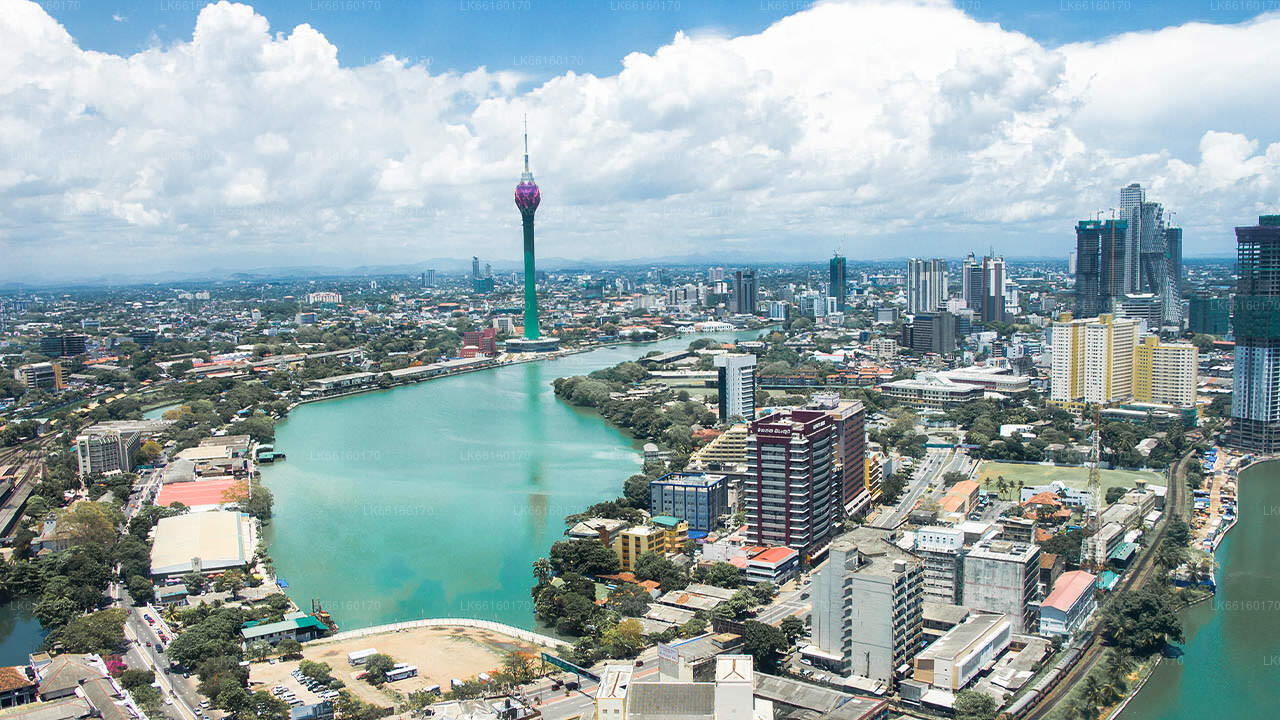
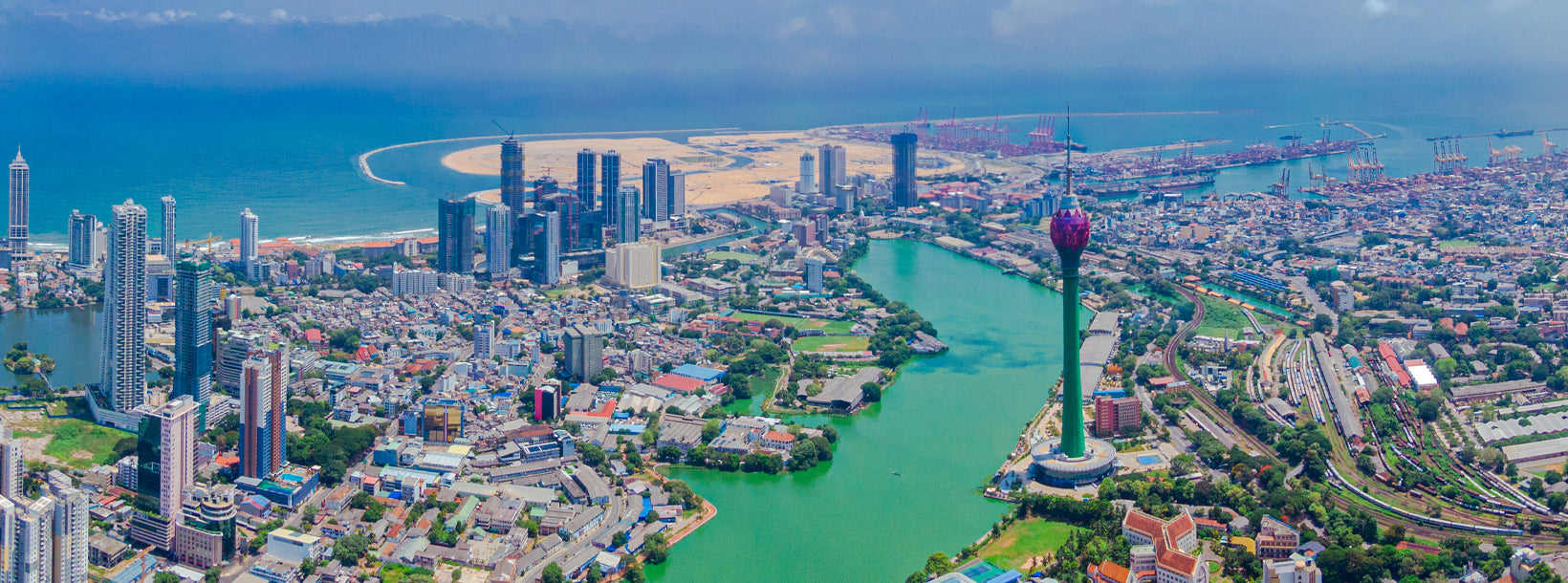
Beira Lake is one of Colombo’s most famous landmarks. It lies right in the middle of the capital and is one of the few places of relaxation and beauty within the city limits. As such the area on and around it has many attractions; not to mention the history of the lake itself.

Beira Lake started out as a much bigger lake occupying an area of 410 acres over a century ago. But with the rapid commercialization of the area, it has since been reduced to approximately 160 acres.

History

Beira was created by the invading Portuguese in the 1500s, in order to serve as a moat that protected their base in Colombo from the hostile locals. They added many hidden dangers within the lake, such as large crocodiles and etc.

Beira proved to be a huge roadblock to local sovereigns such as Mayadunne of Sitawaka when they attempted to free the region from foreign rule. It was Mayadunne’s son, Rajasingha I, who succeeded in draining the lake in 1587, hence coming close to recovering the area from the Portuguese. He cut off the canals that fed the lake but were unable to deal with the additional reinforcements that the Portuguese brought in from India.

After the Dutch laid siege and captured the lake; it was expanded and several islands were formed on it artificially. Some of them, such as Slave Island, were large enough to have a village and/or coconut plantations. People started inhabiting the islands and traffic over the water increased. However, it mostly used for political prisoners, as was the case in Slave Island, or agriculture; mainly due to the crocodiles that still infested the lake.

After the British took control they removed the crocodiles and developed the area surrounding the lake. The now grassy banks became popular for parties and even hosted a grand ball that was held in celebration of Britain’s victory in the battle of Waterloo. Beira lake became famous for a number of recreational activities, such as rowing and yachting. Slave Island was cleared of its prison fixings; and Ceylon’s first botanical garden, the Kew Gardens, was opened there in 1810. The seedlings were provided by the Royal Botanic Gardens in London. By the 19th-century land reclamation for development began and the land area of the lake was reduced, pollution also began to increase.

The Growth of Beira

About a decade ago the situation worsened to the extent that it was mostly surrounded by slums; while the water in the lake was purely wastewater from these huts and houses, that didn’t have the funds to deal with proper waste management. The place stank and only the poorest people lived in the area. The waterfront was lined with many large warehouses, reminiscent of Colombo’s tea trade; where tea was transported on barges via the port access canal. These warehouses stood around like a ghost town; blackened with the dirt of over a century; the gaping mouths of broken windows giving the haunted air. The only reason people went to the Beira lake region was to worship at the Gangarama Temple or to visit one of the locations important; such as the Colombo Rowing Club, SLECC, St Joseph’s College, or Lake House. These places had been created in the heyday of Beira Lake and were wa

Colombo Bölgesi Hakkında

Kolombo, Sri Lanka'nın en büyük şehri ve ticari başkentidir. Adanın batı kıyısında, Sri Lanka'nın başkenti Sri Jayewardenepura Kotte'nin bitişiğinde yer alır. Kolombo, modern yaşam ile sömürge dönemi binaları ve kalıntılarının bir karışımı olan hareketli ve canlı bir şehirdir ve şehir nüfusu 647.100'dür. Kolombo, Gampaha ve Kalutara ilçelerinden oluşan Kolombo Metropol Bölgesi'nin tahmini nüfusu 5.648.000'dir ve 3.694,20 km²'lik bir alanı kaplar. Kolombo, çok etnikli ve çok kültürlü bir şehirdir. Şehir sınırları içinde yaşayan 642.163 kişiyle Sri Lanka'nın en kalabalık şehridir. Kolombo'nun nüfusu, çoğunlukla Sinhalese, Mağribi ve Tamil olmak üzere çok sayıda etnik grubun bir karışımıdır. Şehirde ayrıca Çinli, Portekizli, Hollandalı, Malay ve Hint kökenli küçük toplulukların yanı sıra çok sayıda Avrupalı ​​göçmen de yaşıyor. Sri Lanka şirketlerinin büyük çoğunluğunun merkez ofisi Kolombo'da bulunuyor. Bazı sektörler arasında kimyasallar, tekstil, cam, çimento, deri ürünleri, mobilya ve mücevher yer alıyor. Şehir merkezinde, Güney Asya'nın en yüksek ikinci binası olan Dünya Ticaret Merkezi yer alıyor.

Batı Bölgesi Hakkında

Batı Bölgesi, Sri Lanka'nın en yoğun nüfuslu bölgesidir. Yasama başkenti Sri Jayawardenepura Kotte'nin yanı sıra ülkenin idari ve iş merkezi olan Kolombo'ya da ev sahipliği yapar. Batı Bölgesi, Kolombo (642 km²), Gampaha (1.386,6 km²) ve Kalutara (1.606 km²) olmak üzere 3 ana bölgeye ayrılmıştır. Sri Lanka'nın ekonomik merkezi olan şehirde, tüm büyük yerel ve uluslararası şirketlerin yanı sıra tüm büyük tasarımcı ve ana cadde perakendecileri de bulunmaktadır. Bu nedenle, Batı Bölgesi'nde alışverişin tadını çıkarmaya hazır olun. Tüm eyaletler arasında en yüksek nüfusa sahip olan Batı Bölgesi'nde, adanın neredeyse tüm önde gelen eğitim kurumları bulunmaktadır. Eyaletteki üniversiteler arasında Kolombo Üniversitesi, Sri Jayewardenepura Üniversitesi, Kelaniya Üniversitesi, Sri Lanka Açık Üniversitesi, Sri Lanka Budist ve Pali Üniversitesi, General Sir John Kotelawala Savunma Üniversitesi ve Moratuwa Üniversitesi bulunmaktadır. Batı eyaleti, ulusal, il, özel ve uluslararası okulları içeren ülkedeki en fazla okula sahiptir.