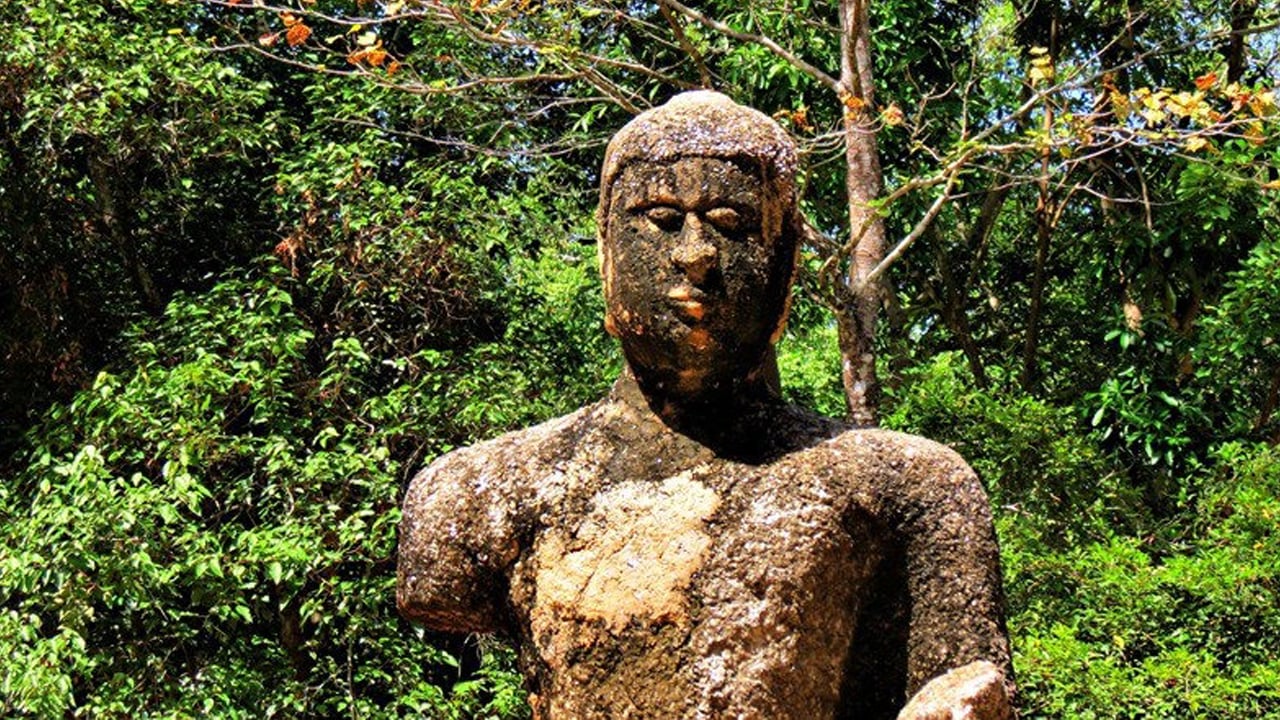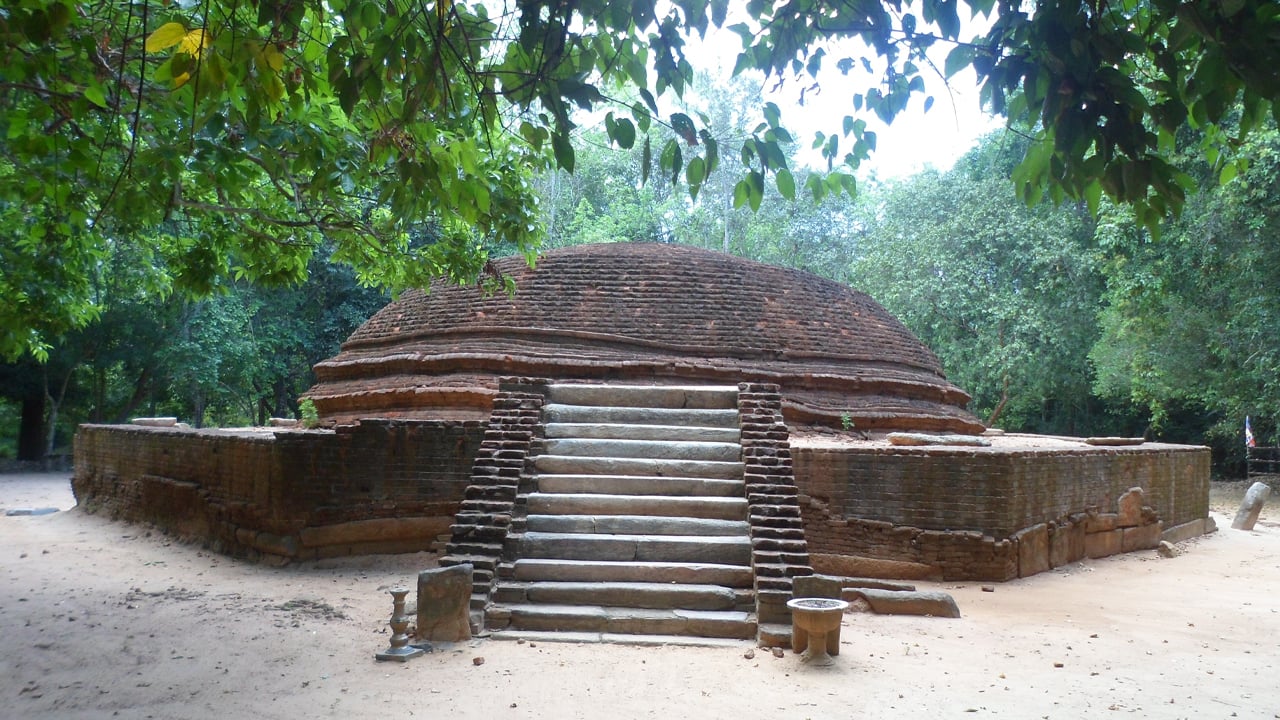
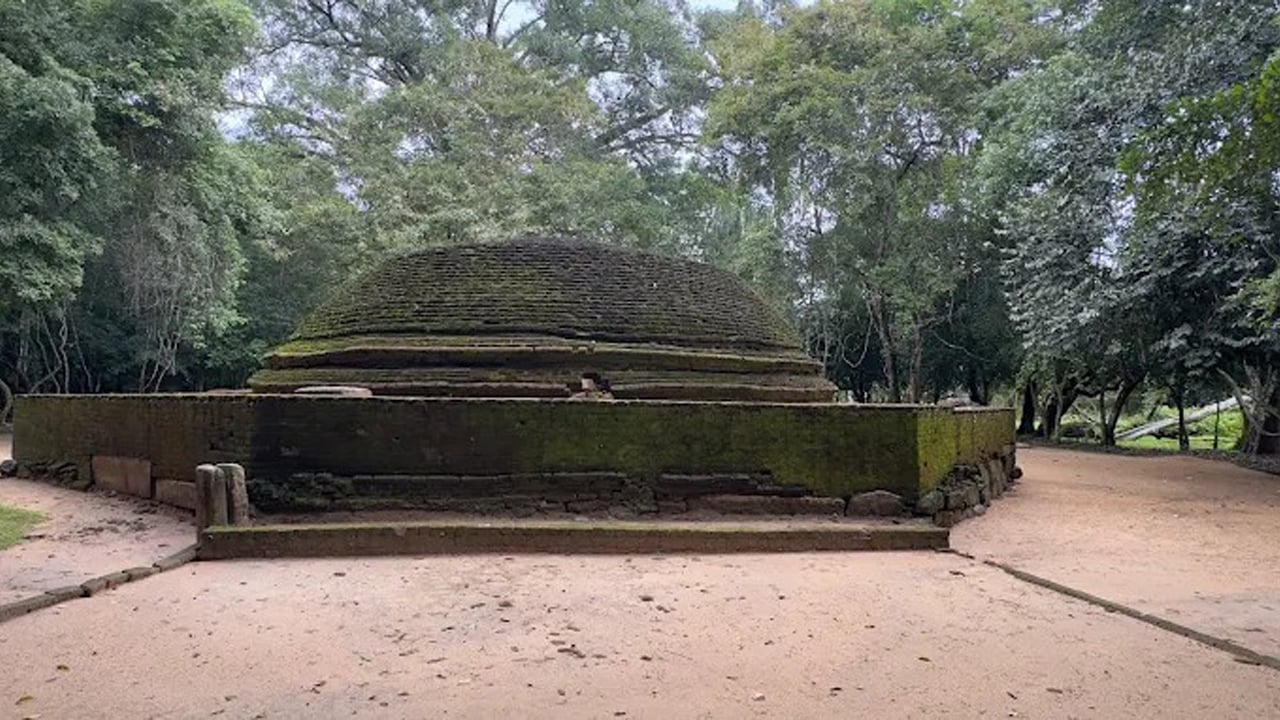
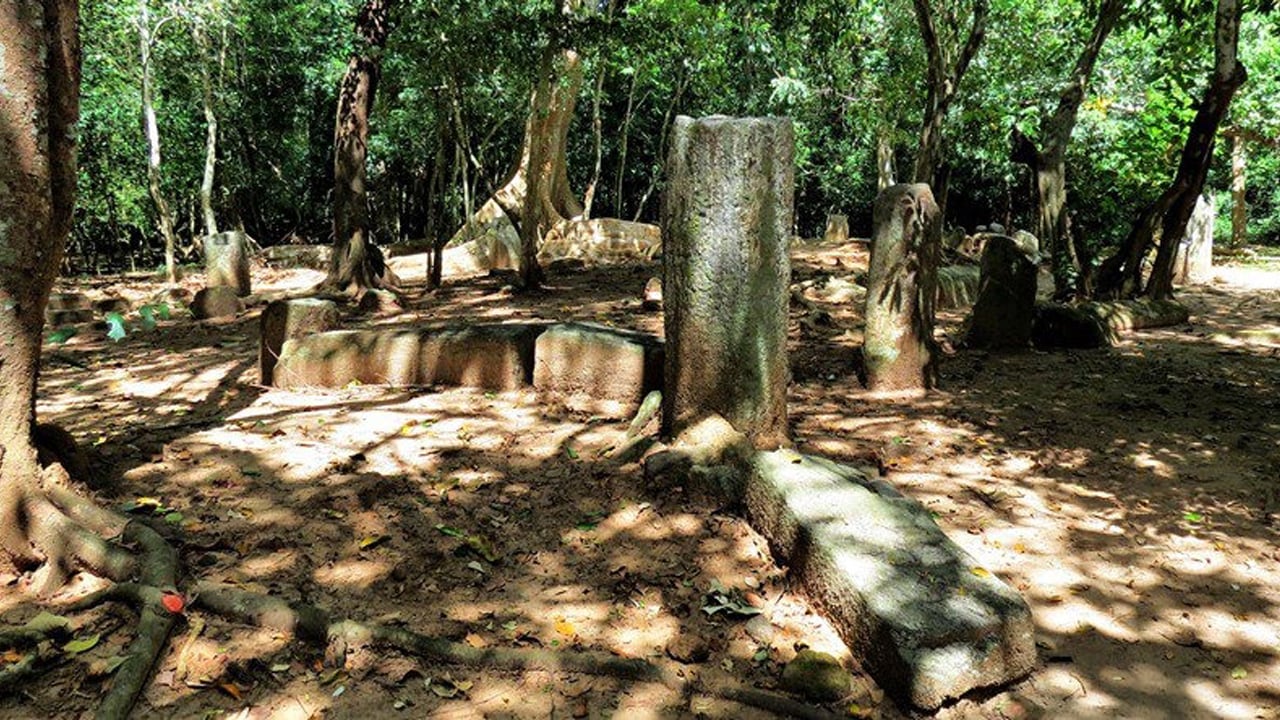
Tucked into the forested interior of Sri Lanka's Eastern Province, the ruins at Inginiyagala Ovagiriya are one of the region's least-visited yet most historically layered archaeological sites. Located near the town of Ampara, the site preserves the physical traces of a settlement that flourished during the Anuradhapura and Polonnaruwa periods — two of the most formative eras in the island's Buddhist civilisation. For travellers willing to venture off the well-worn heritage trail, Ovagiriya offers a quieter, more reflective encounter with ancient Sri Lanka.
What can you see at Inginiyagala Ovagiriya?
The ruins are spread across a landscape that blends archaeological remains with secondary forest, giving the site an atmosphere of gradual rediscovery. Visitors typically encounter:
- Temple and monastery foundations — stone platforms and wall remnants that indicate structures once used for both worship and monastic residence.
- Ancient pillars and carved stonework — fragments that reflect the architectural conventions of the Anuradhapura period, including rounded pillar capitals associated with early Buddhist assembly halls.
- Rock inscriptions — epigraphic records carved into boulders and stone surfaces, some of which shed light on the religious patronage and social organisation of the community that occupied this site.
- Scattered artifact deposits — potsherds, stone tools, and other material remains that indicate sustained habitation over several centuries.
The density and variety of remains suggest that Ovagiriya was not a minor outpost but a meaningful centre of religious activity during its period of occupation. Comparing it with the better-documented ruins at Polonnaruwa helps contextualise how Buddhist monastic culture spread and adapted across different ecological zones of the island.
What is the historical significance of the site?
Sri Lanka's Eastern Province contains numerous sites connected to the island's early Buddhist kingdoms, many of which remain underexplored compared to the famous monuments of the Cultural Triangle. Inginiyagala Ovagiriya is thought to represent a regional expression of the same monastic traditions that produced the great stupas and image houses of Anuradhapura. The rock inscriptions found here are particularly valuable to epigraphers: early Brahmi-script inscriptions from across Sri Lanka have been instrumental in reconstructing the social history of Sinhalese Buddhist communities, recording donations, land grants, and the names of local patrons.
The site's association with the Anuradhapura period places it within a tradition of forest hermitages — monasteries deliberately sited away from urban centres to provide conditions conducive to meditation. The surrounding terrain, with its proximity to forests and a river environment, is consistent with this monastic planning principle.
How do you get to Inginiyagala Ovagiriya from Ampara?
The site is accessible from Ampara town, which is the main service hub for this part of the Eastern Province. The Inginiyagala area lies to the south and west of Ampara along roads that pass through agricultural land and forest. A private vehicle is the most practical option for reaching the ruins, as public transport connections to the immediate site are limited. The roads are generally passable in a standard car during dry conditions, though a higher-clearance vehicle may be preferable in or around the wet season.
Ampara itself is reachable from Colombo by road in roughly four to five hours via the A4 highway, or via Kandy and then eastward through the hill country. Travellers combining this site with the east coast — Arugam Bay, Pottuvil, or Batticaloa — will find Ampara a logical staging point.
When is the best time to visit Inginiyagala Ovagiriya?
The Eastern Province operates on a different monsoon cycle from the south and west coasts. The northeast monsoon brings heavy rainfall between October and January, which can make unpaved access tracks muddy and difficult. The dry season for this region runs roughly from May to September, when conditions are most favourable for outdoor exploration. A secondary window exists between December and April if rainfall is light in a given year, but conditions vary. Visiting during early morning hours is advisable year-round to avoid heat and to experience the site before the surrounding forest becomes active with midday insects.
What makes this site different from other Sri Lankan ruins?
Most visitors to Sri Lanka's archaeological heritage concentrate on the well-signposted, ticket-gated sites of the Cultural Triangle — Sigiriya, Polonnaruwa, Anuradhapura. Inginiyagala Ovagiriya occupies a very different register. There are no crowds, minimal infrastructure, and no polished interpretive boards. The experience is correspondingly raw and more demanding — but for travellers with genuine historical curiosity, that is precisely its value. Walking among undisturbed ruins in a forest clearing, reading the landscape for clues about how people lived and worshipped more than a thousand years ago, requires patience and imagination that organised heritage sites rarely call for.
The site also sits within a broader zone of archaeological interest. The Ampara district and the Inginiyagala reservoir area contain several other lesser-known historical remains, and a single day in the region can encompass multiple sites for those travelling with a knowledgeable guide.
Is Inginiyagala Ovagiriya suitable for all travellers?
The site is most rewarding for travellers with an interest in archaeology, Buddhist history, or off-the-beaten-path exploration. It is not a developed tourist attraction in the conventional sense: facilities are minimal, shade can be limited in open sections, and the terrain requires comfortable walking footwear. Families with young children, or travellers with limited mobility, should assess access conditions in advance. Independent travellers are advised to confirm local access routes before arriving, as conditions and site management can change. Engaging a local guide familiar with the Ampara district adds considerably to the experience, providing context that the physical remains alone cannot supply.
What else can you combine with a visit to this site?
The Eastern Province offers a range of complementary experiences that pair naturally with a visit to Ovagiriya. The coastline near Arugam Bay and Pigeon Island draws snorkellers and surfers, while the interior forests and reservoirs support wildlife encounters — elephant sightings around the Ampara and Inginiyagala reservoirs are relatively common. Travellers interested in extending their archaeological itinerary can head west toward the Cultural Triangle, where the medieval capital at Polonnaruwa provides a richly documented counterpart to Ovagiriya's more fragmentary remains.