Meditation
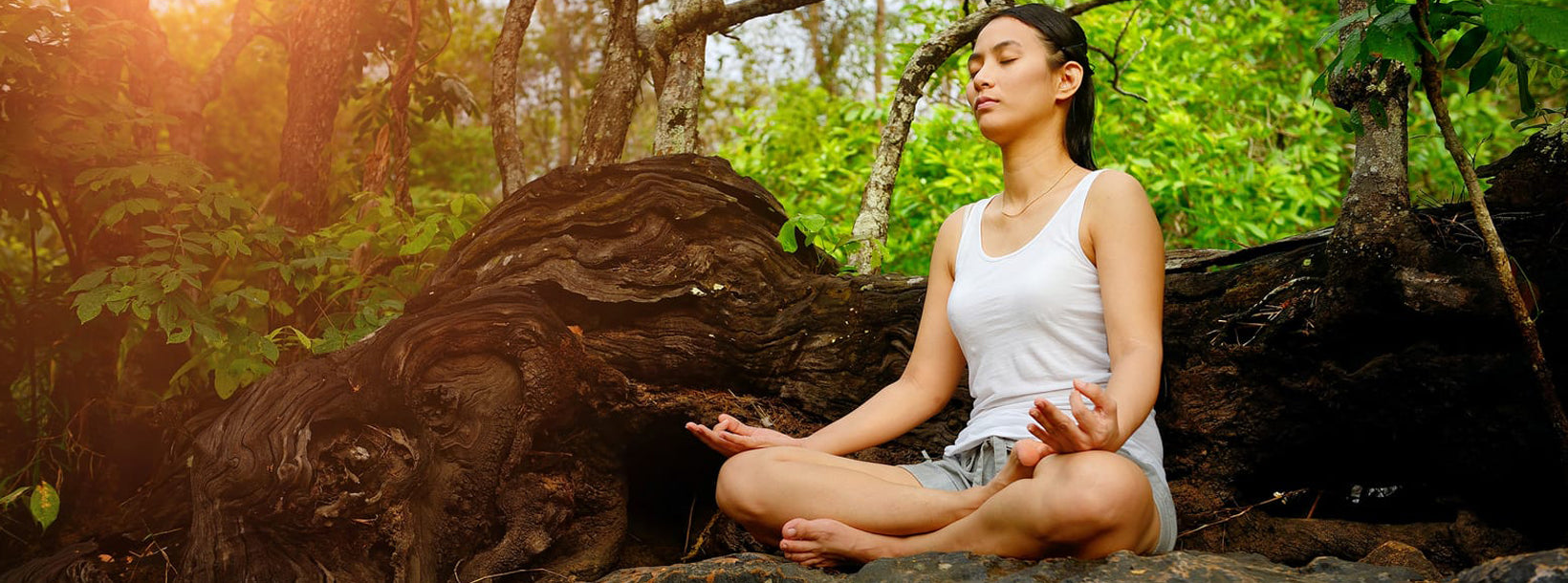
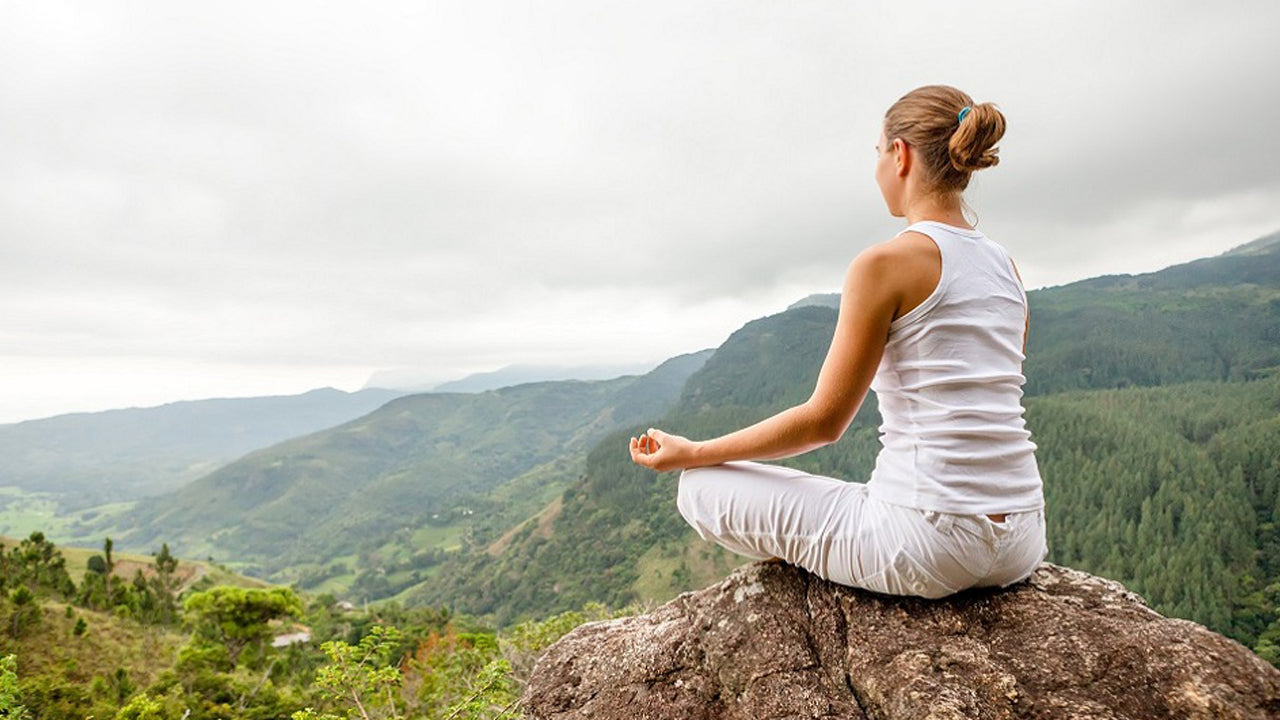
Meditation involves the exercise of psychological discipline in order to transcend from the automatic, "thinking" mind into a deeper state of relaxation or consciousness, which entails focusing on one single point of reference.Meditation in Sri Lanka.
Meditation can help you to lead a more productive, satisfying, healthy and comfortable life. Scientific studies reveal that relaxation, concentration and maintenance of a self-observing attitude help alter metabolism, heart rate, respiration, blood pressure and brain chemistry. The wisdom that develops through meditation brings a happiness that surpasses all others. Through meditation, your life will become more meaningful and harmonious. Your mental condition can be developed. Students can improve their memory and will be able to do their studies well. Many patients suffering from stress and pain have turned to meditation to obtain relief. Physical and mental conditions can be transformed with a more peaceful mind; you will be able to have a very restful sleep.
Meditation is a recognized component of many religions, and has been practiced for centuries.
Meditation: Varied meditative disciplines include a wide range of spiritual and psychophysical practices that emphasize different goals such as increasing focus, creativity or self-awareness, relaxation and tranquility.
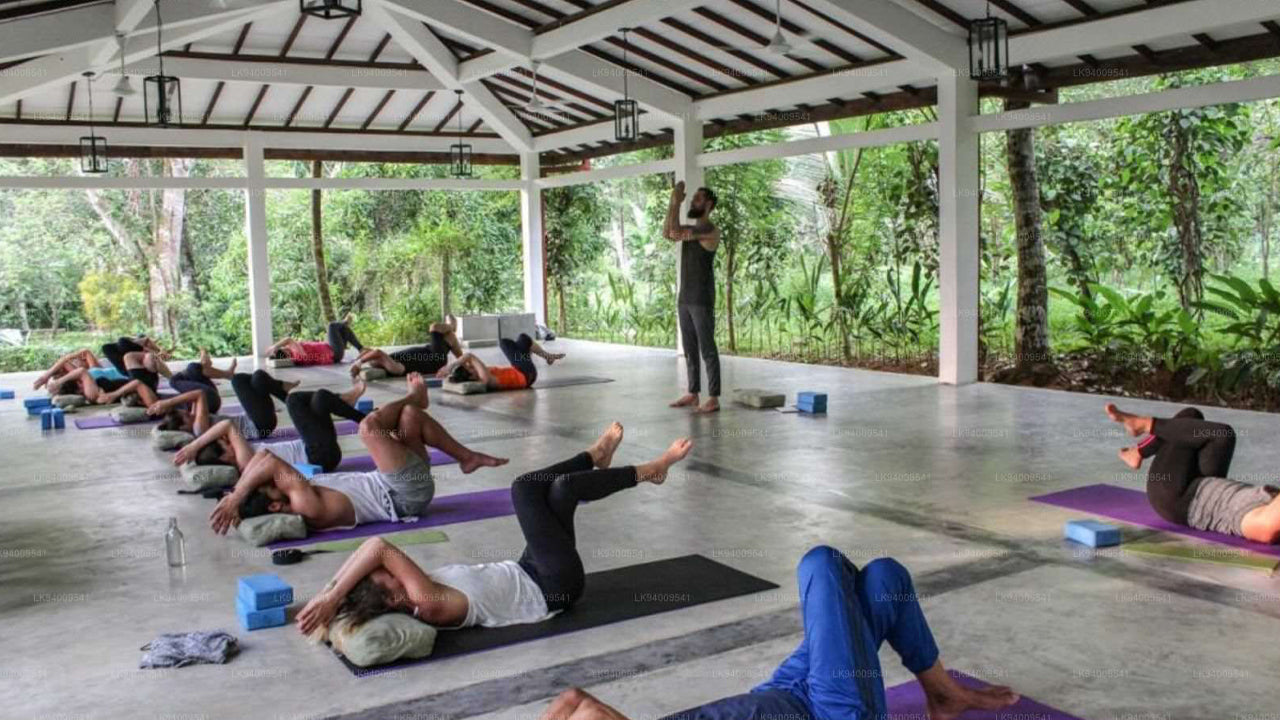
In Sri Lanka meditation is popular, particularly amongst the Buddhist devotees. Buddhist meditation aids in transforming the mind. The country has many meditation centers located in various parts. The 2 main forms of meditation practiced at the centers are Theravada Buddhism, which emphasises the meditative development of mindfulness and concentration, and the Vipassana style of meditation, which concentrates on the rising and falling breath and then on some simple symbol, body part or concept.
Meditation Centers in Sri Lanka
International Vipassana Meditation Centre
This meditation centre was established with an aim to Lord Buddha’s noble teachings to human beings of all races and religions. With about 50 years of experience in meditation, this center specializes in Vipassana meditation – a technique that allows a person to see the reality of life as it is.
Address: No 108, Wijerama Mawatha,
Colombo 07.
Office Hours: Everyday
8.00 am – 10.30 am
1.30 pm – 5.30 pm
8.00 pm – 8.30 pm
Phone : 0612 694100
Web : www.lankavipassana.org
Damrivi Foundation
Buddhism provides a great philosophy and teachings for a way of life that promotes welfare of humans and environmental harmony. With the inspiration of this conviction a group of academic professionals established this foundation in 2003, guided by Buddhist insights and philosophy. Through these insights, they aim to enrich lives of individuals and society. Activities and programs are customized towards nurturing values, attitudes and ideas of people to ensure wellbeing in all states of mind, equality and social justice, ultimately to diminish all sufferings.
Prana Lounge
Prana Lounge is a solid platform that offers solutions catering to wellbeing as well as treatment options for prevention, healing and cure. This property is located amidst a beautiful heritage building – Colombo Cinnamon Gardens, a peaceful atmosphere indeed. The ultimate goal of this institute is to provide evolving concepts of health management solutions with an aim to grow and glow from your inner self. In addition to yoga, meditation, health related therapies, events, seminars and workshops; Prana Lounge also has a delicious Café Kumbuk that caters to healthy food lovers.
Nilambe Meditation Centre
Nilambe Meditation Centre is an authentic Buddhist