Lakpura
Lakpura®

Kolam Masks

Kolam is one of Sri Lanka's most distinctive low-country performance traditions, rooted in the southern coastal communities that have kept it alive for centuries. At its core, Kolam is folk theatre — a loosely plotted dramatic form in which elaborately carved masks give each character an instantly recognisable identity. Unlike purely ritual performance traditions, Kolam occupies a middle ground: it carries traces of ancient ceremony and even trance, yet it is shaped by narrative, humour, and social commentary in ways that feel accessible to any audience.

What is Kolam and where does it come from?

The word Kolam refers both to the theatrical form and to the masks that define it. Its origins are difficult to pin down with certainty, and the tradition itself offers several legendary explanations for its birth. Scholars have proposed that Kolam grew out of ancient pregnancy rites, and the prominent role of animal characters strongly suggests roots in animistic, animal-spirit rituals that predate Buddhism on the island. Over time, Buddhist Jataka stories — tales of the Buddha's previous lives — became the dominant narrative framework, weaving together these older folk layers with the island's dominant religious tradition.

The result is a cultural fusion: Kolam reflects multiple phases of Sri Lankan society, from pre-Buddhist animism through the spread of Theravada Buddhism to the popular culture of later centuries. Its dance technique is closely related to the sanni tradition, another low-country ritual form from the same coastal communities, and the two share deep structural similarities in footwork, rhythm, and the use of masks.

What are the main characters in a Kolam performance?

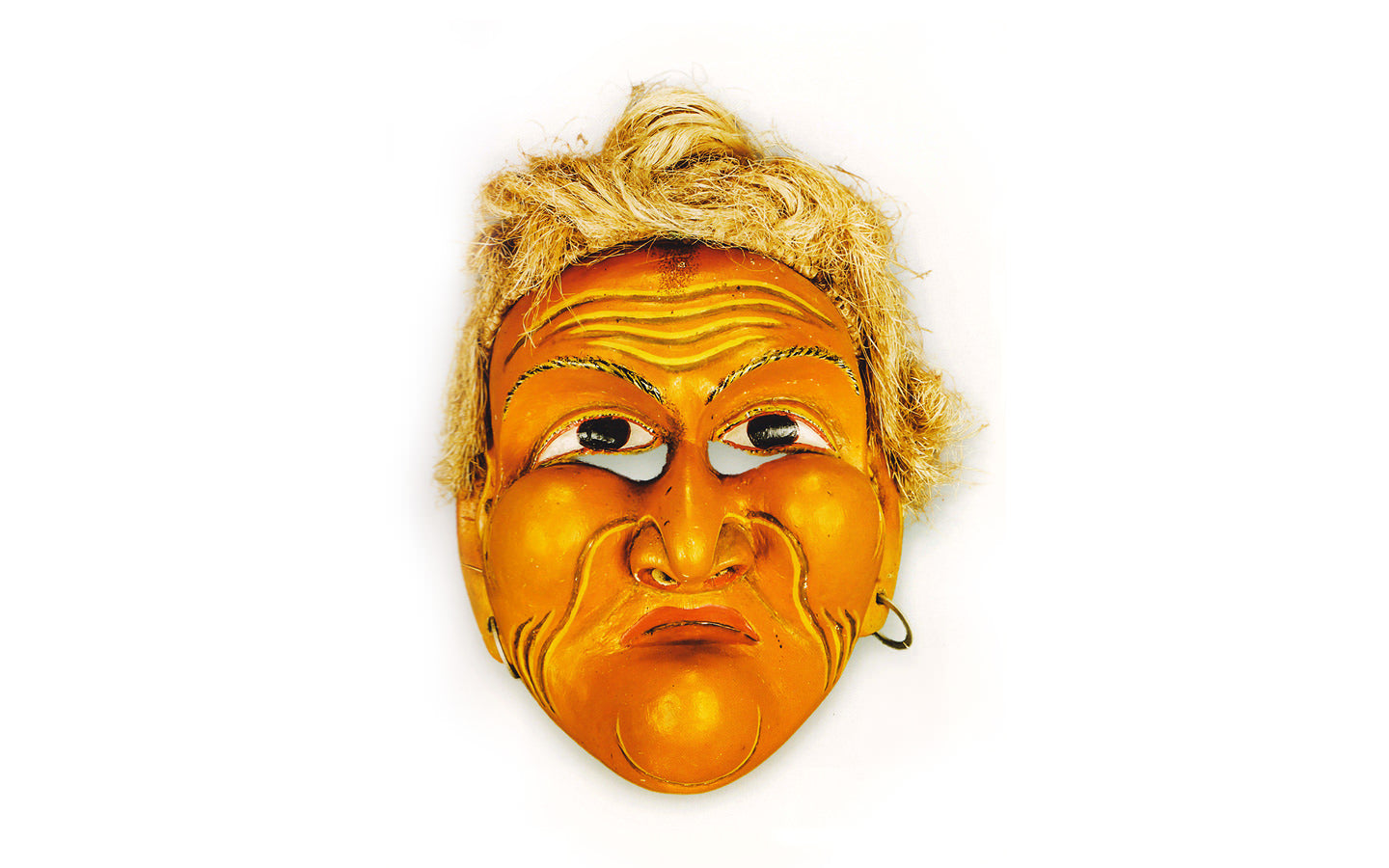
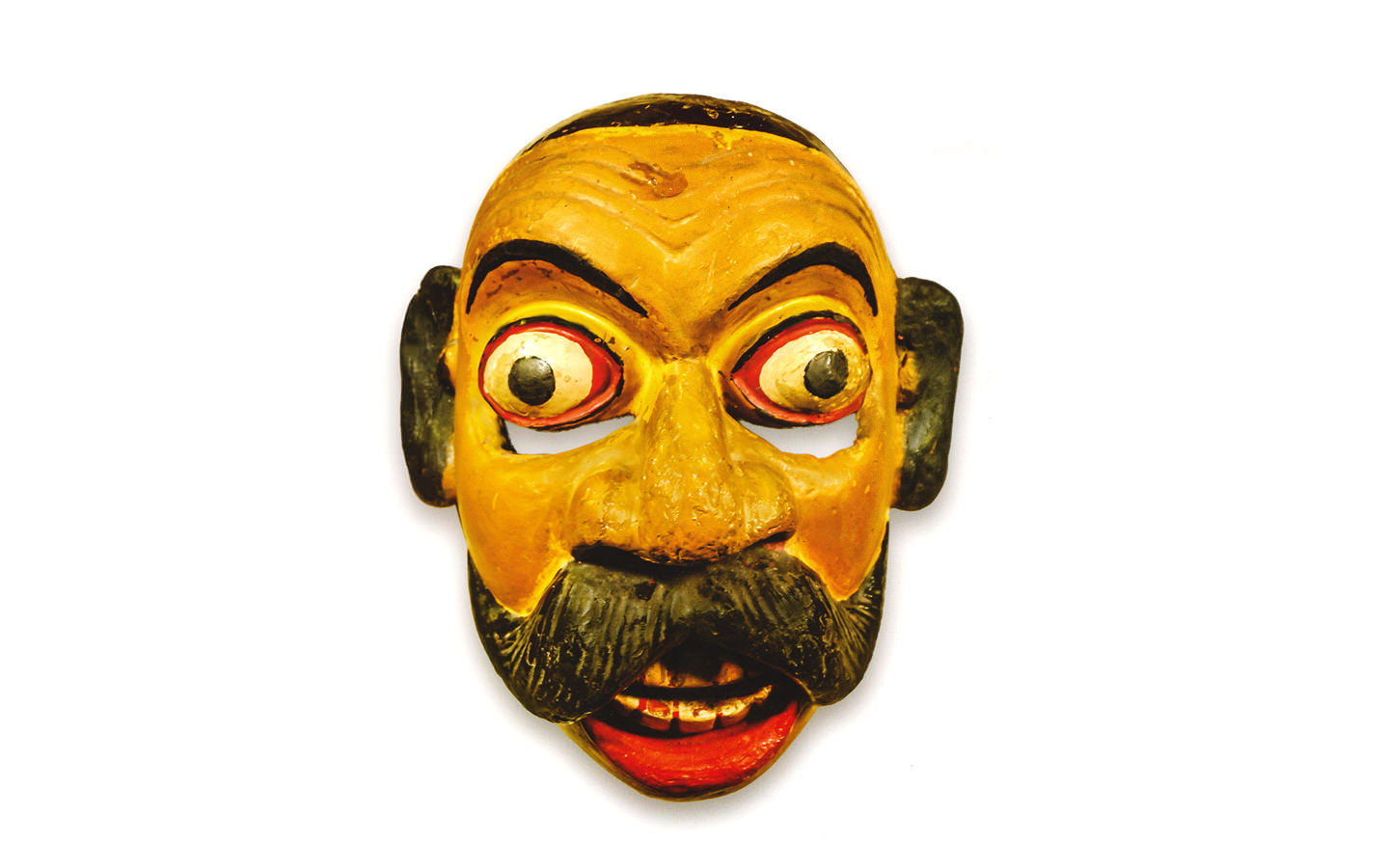
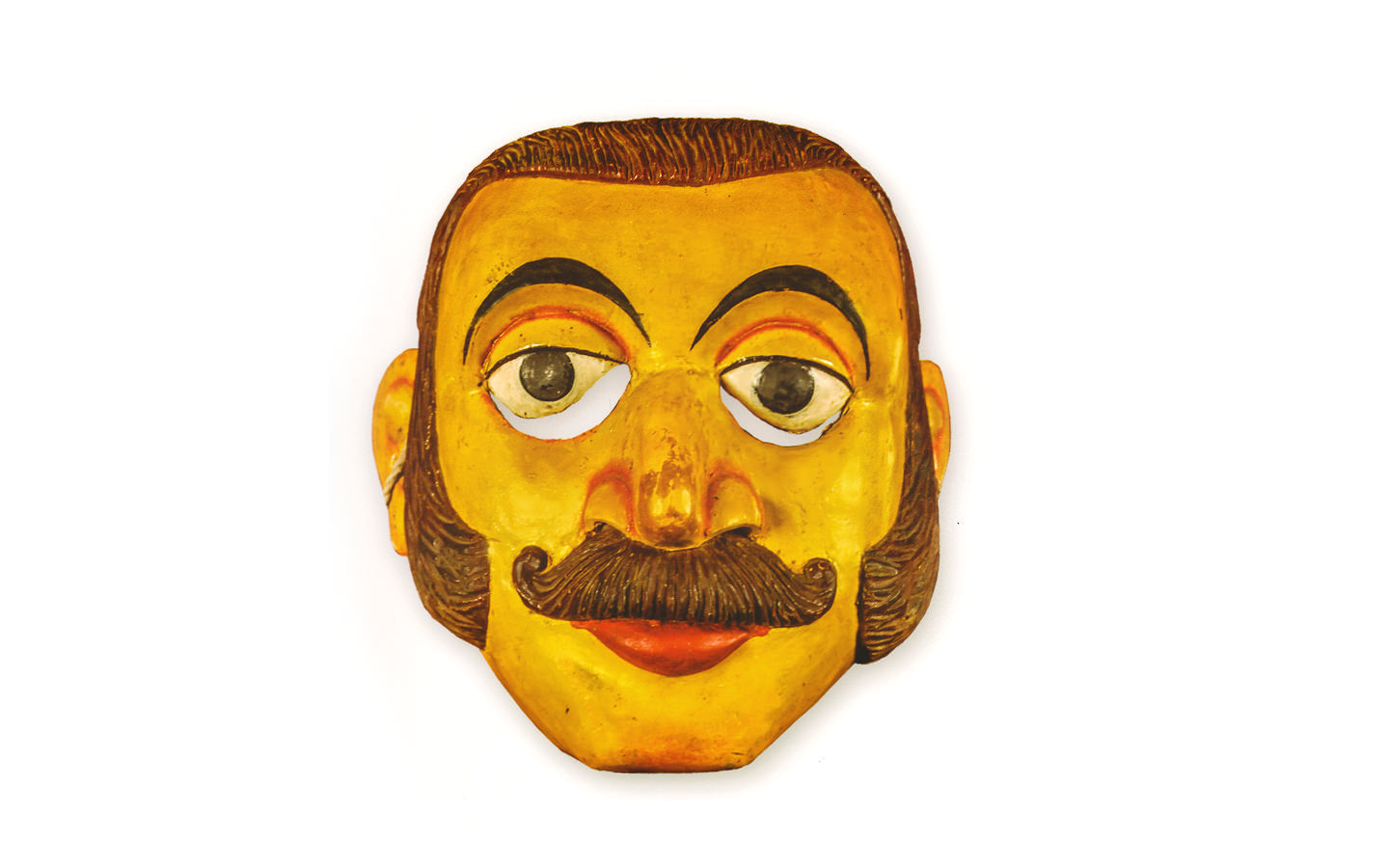
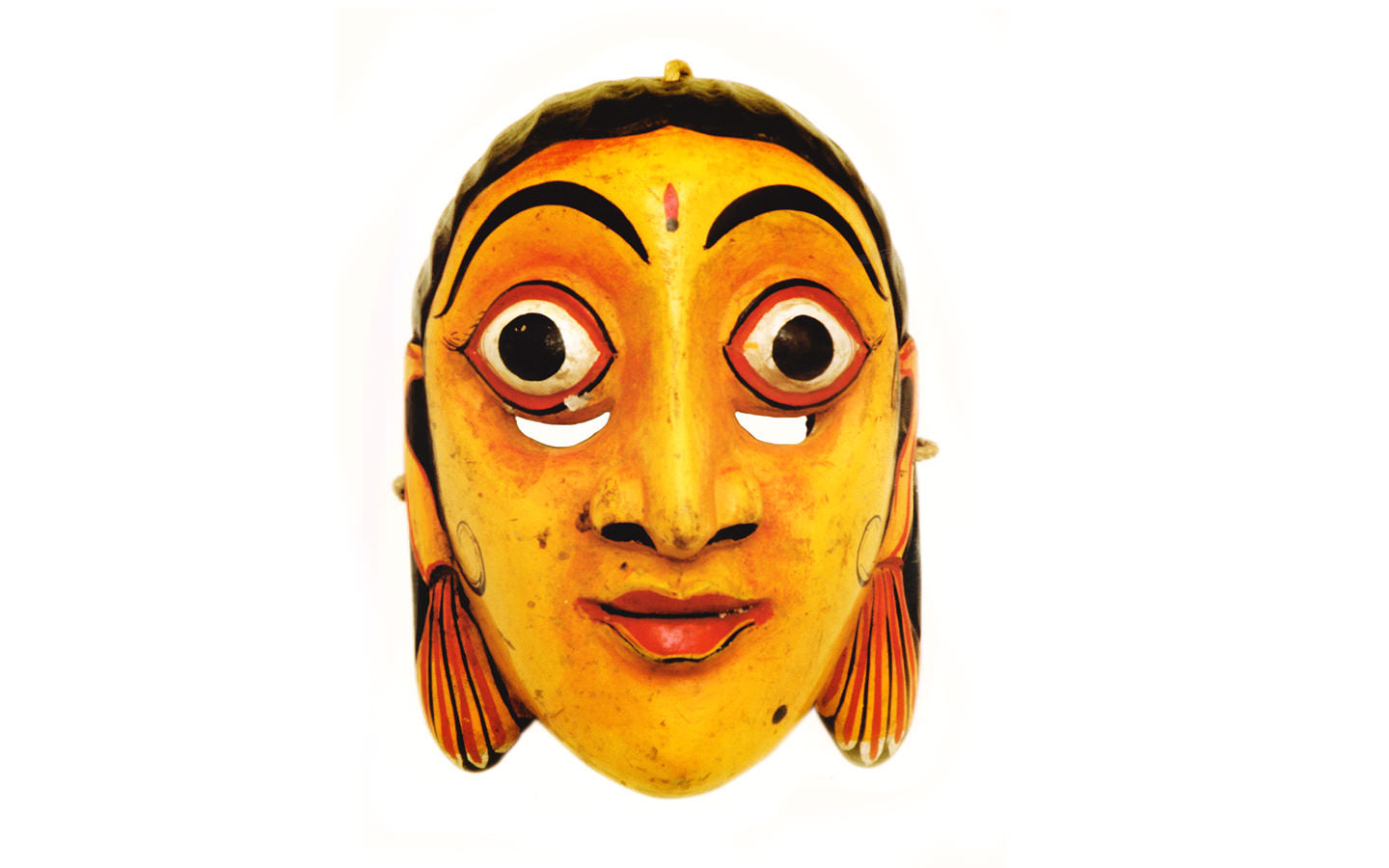
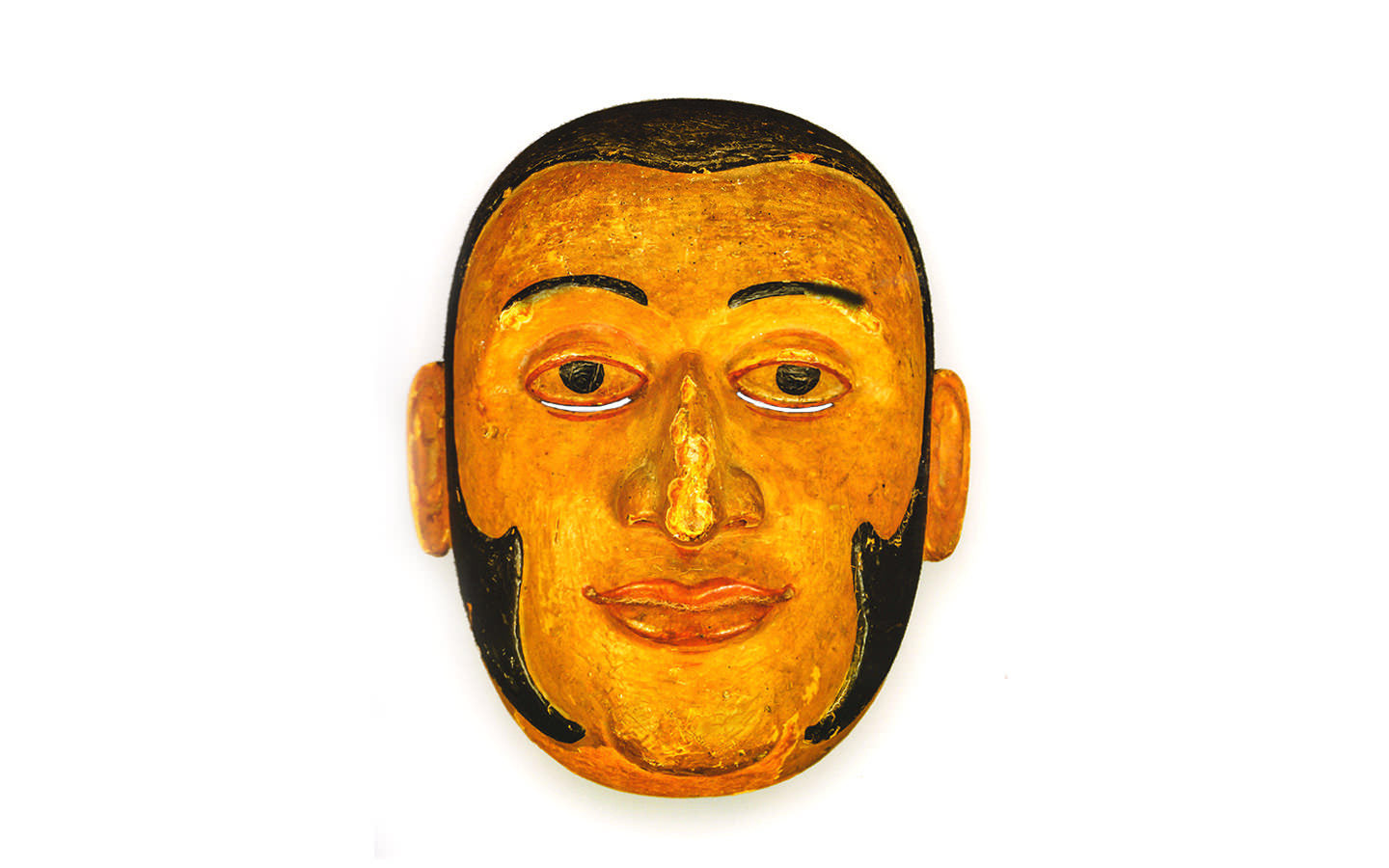
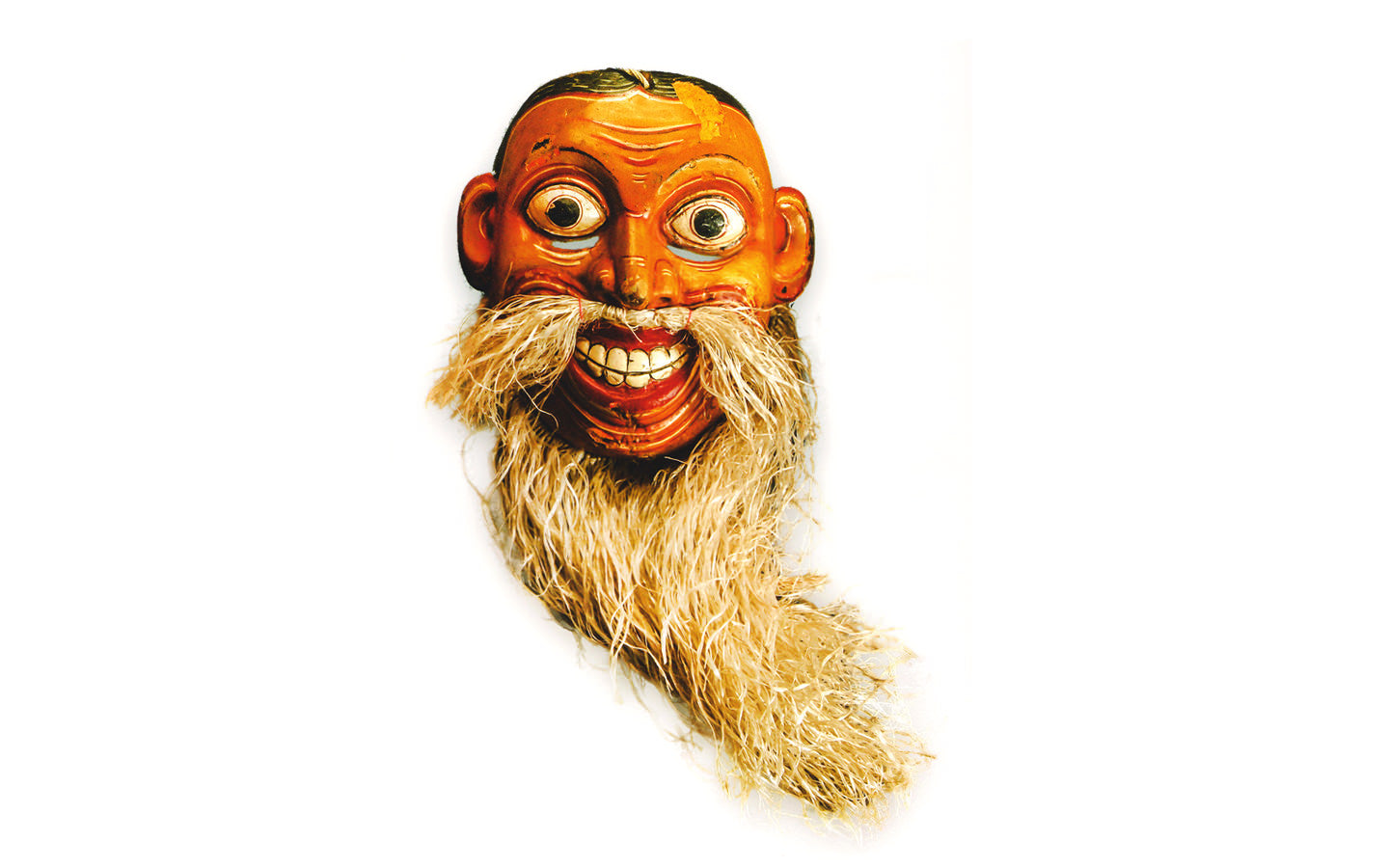
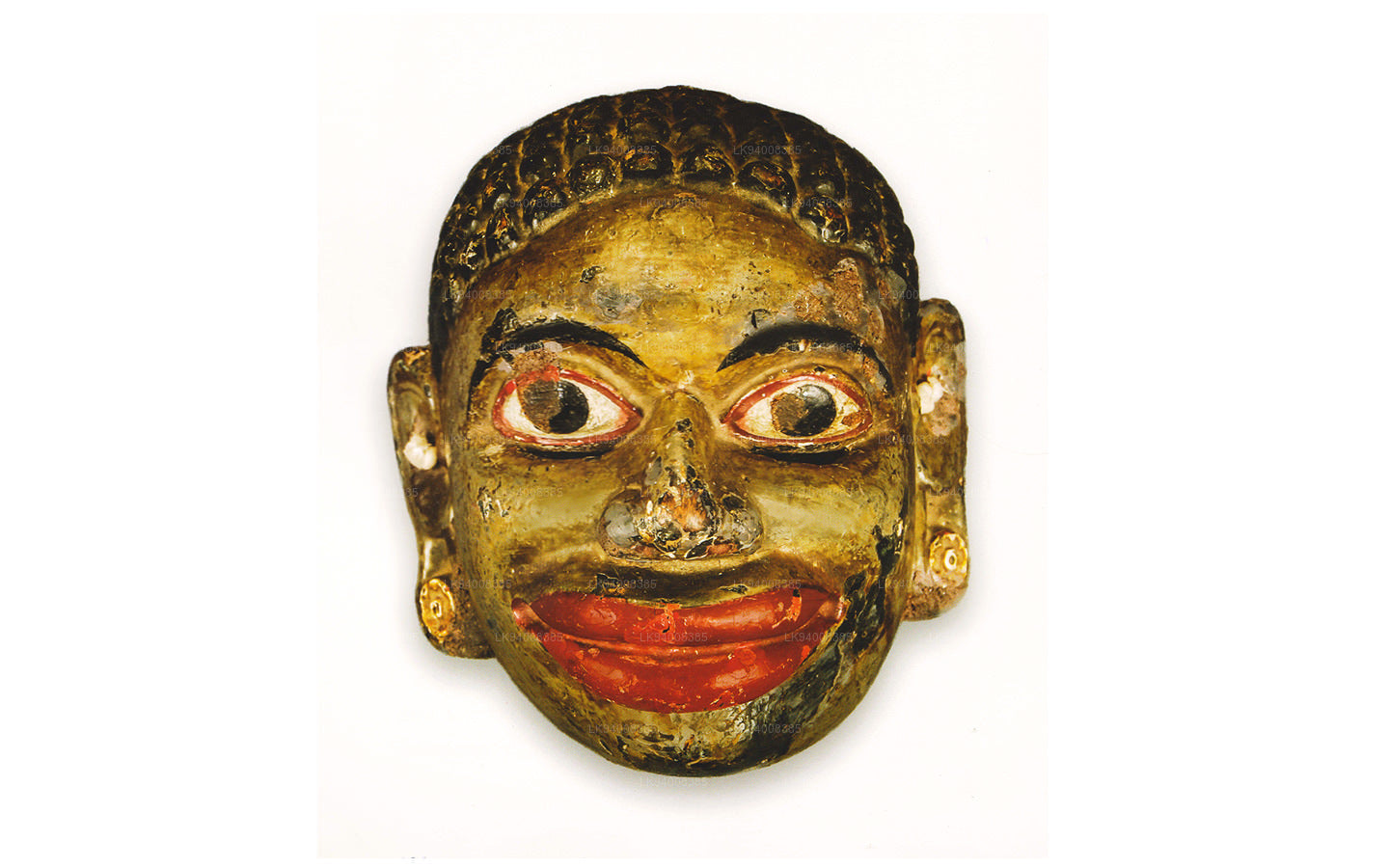
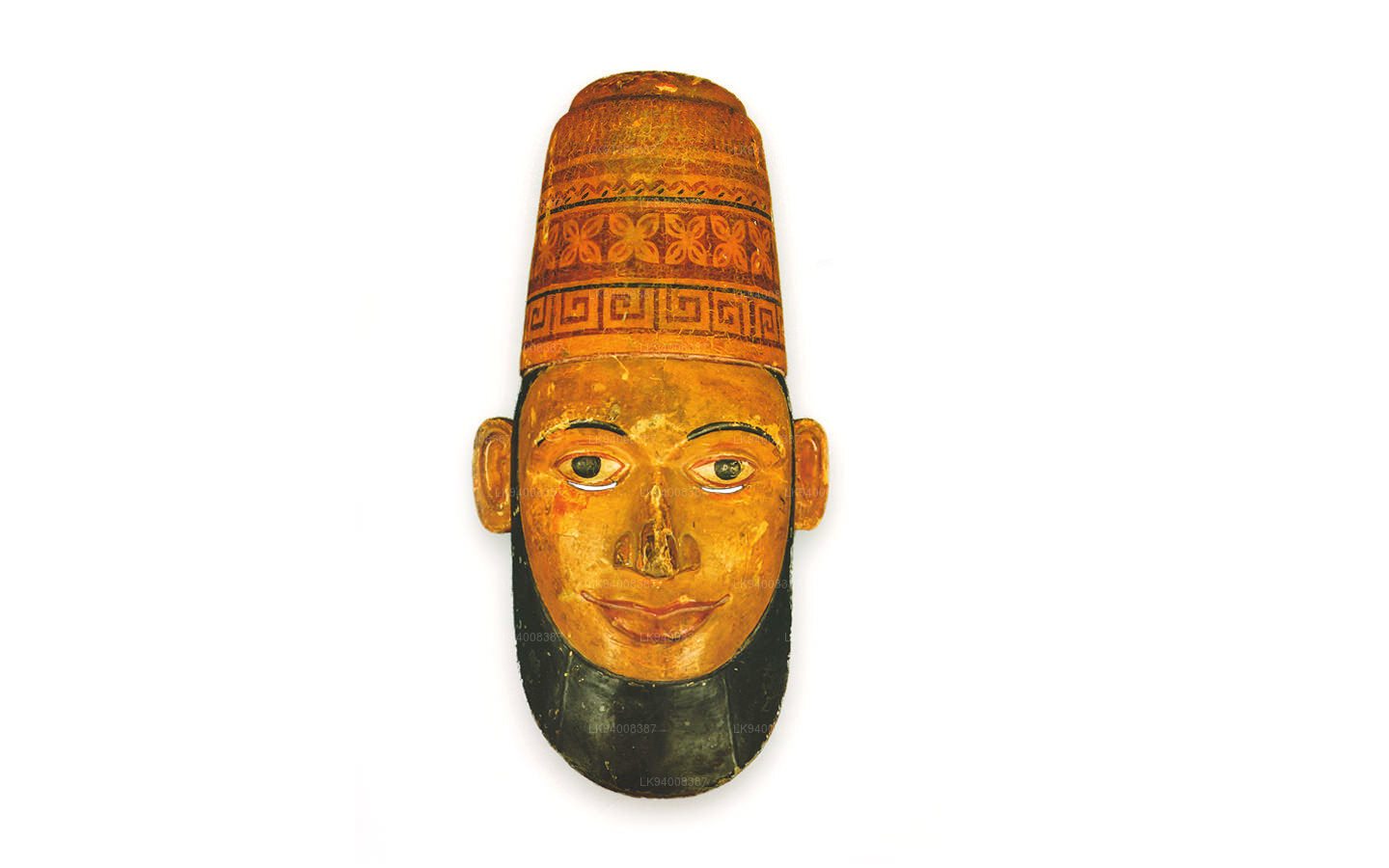
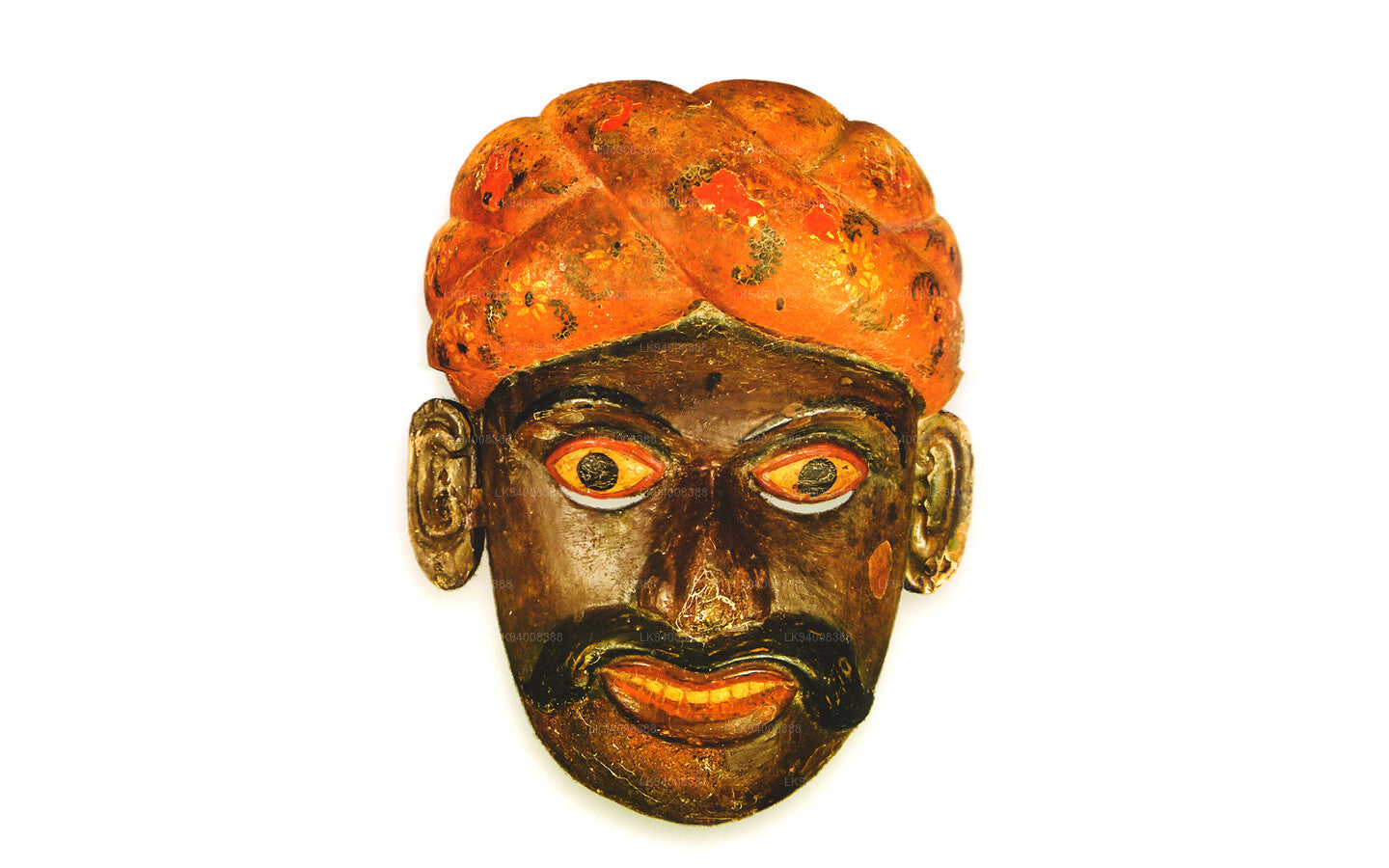
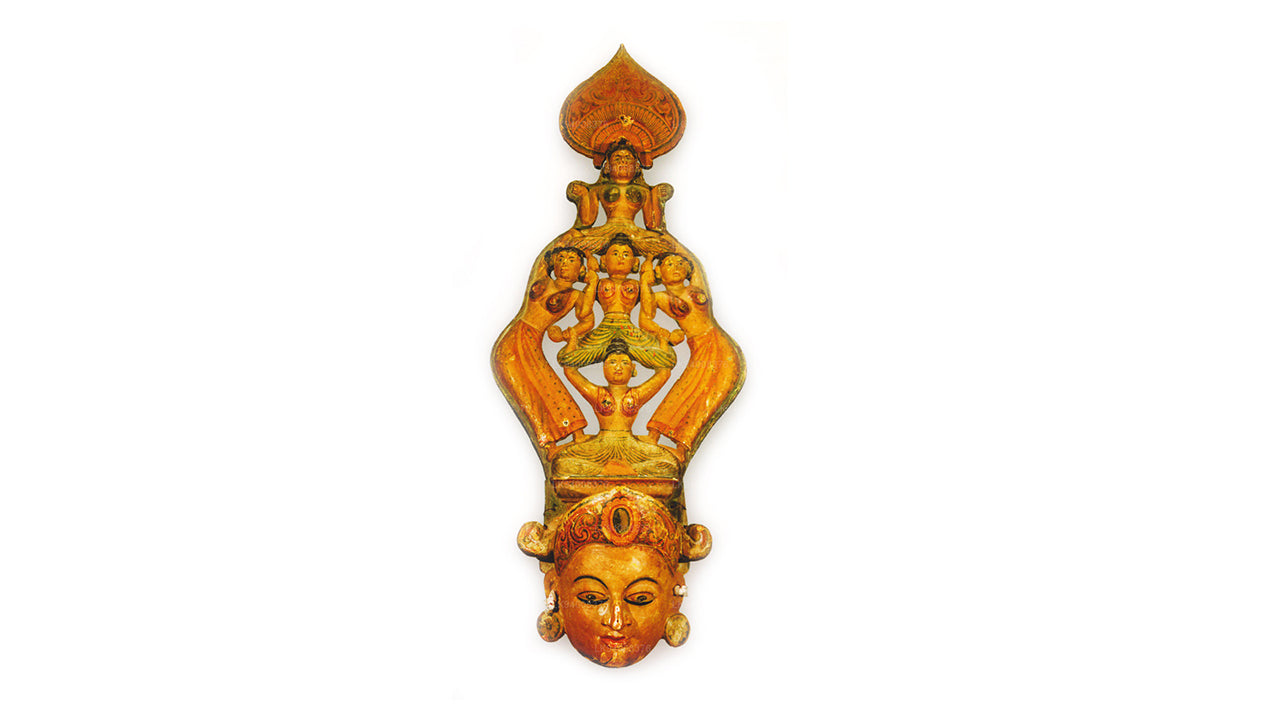
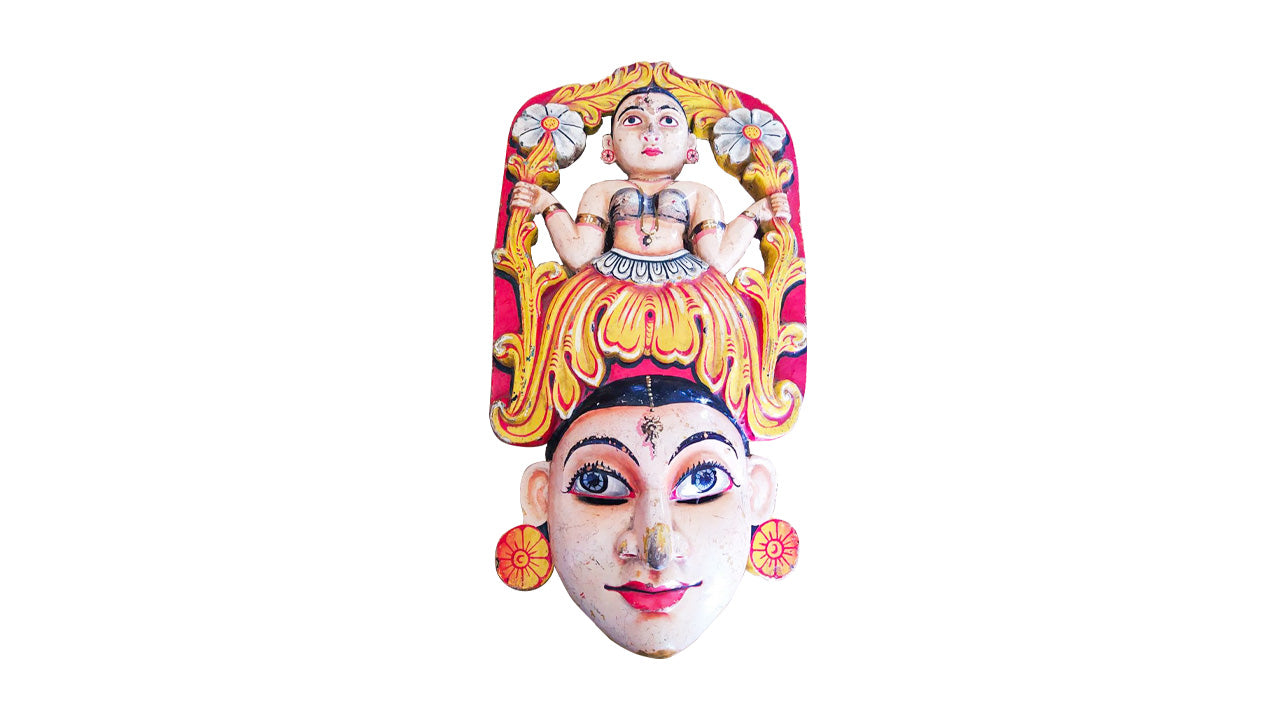
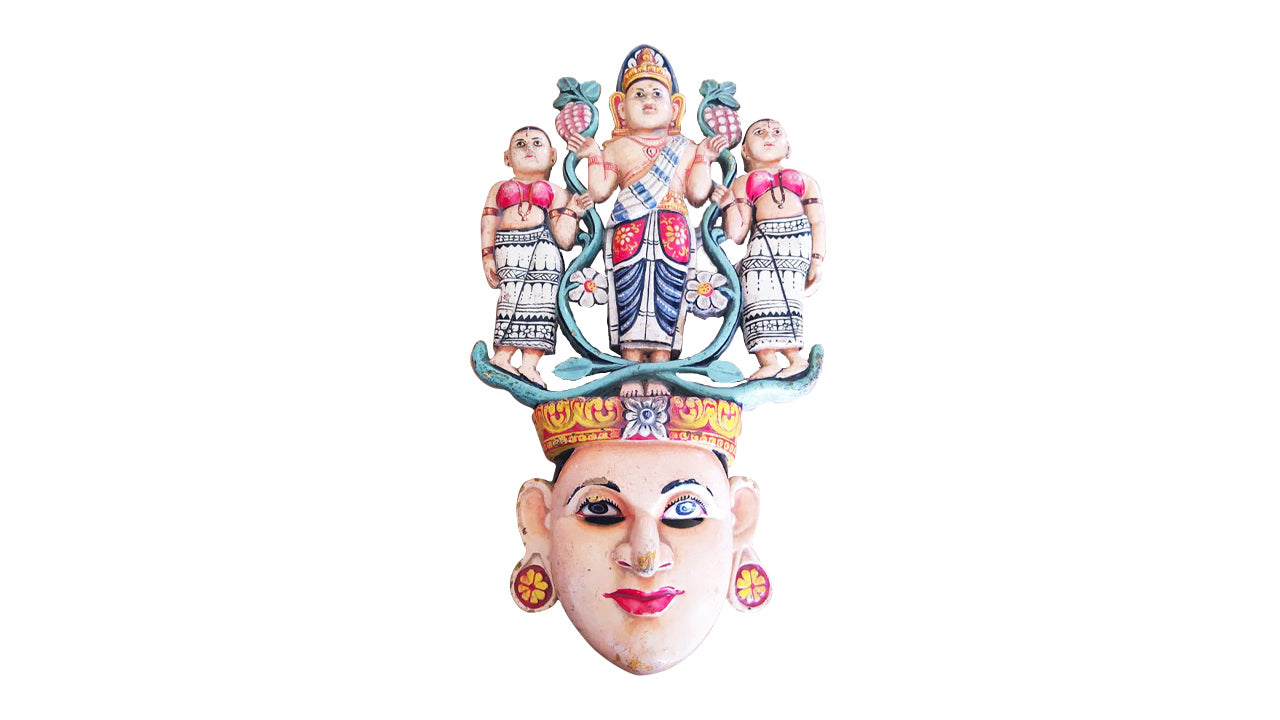
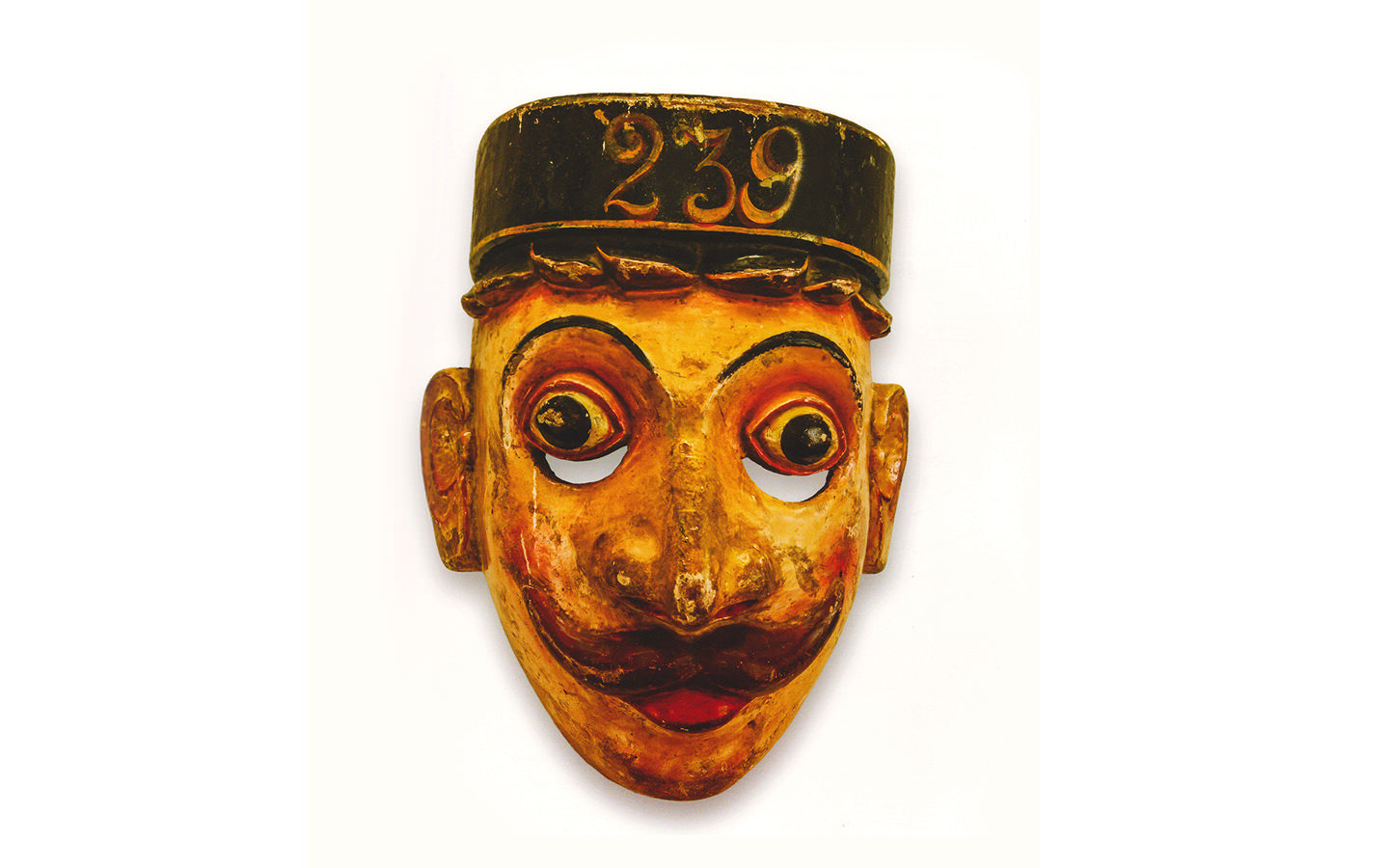
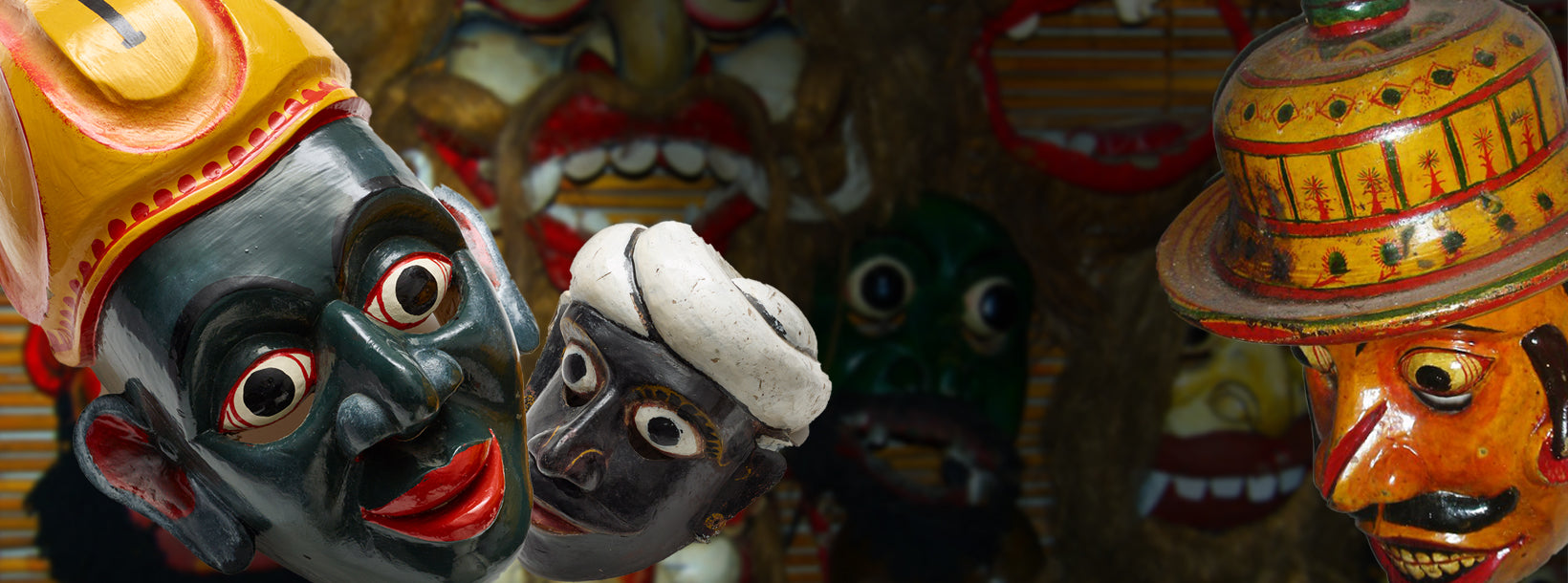
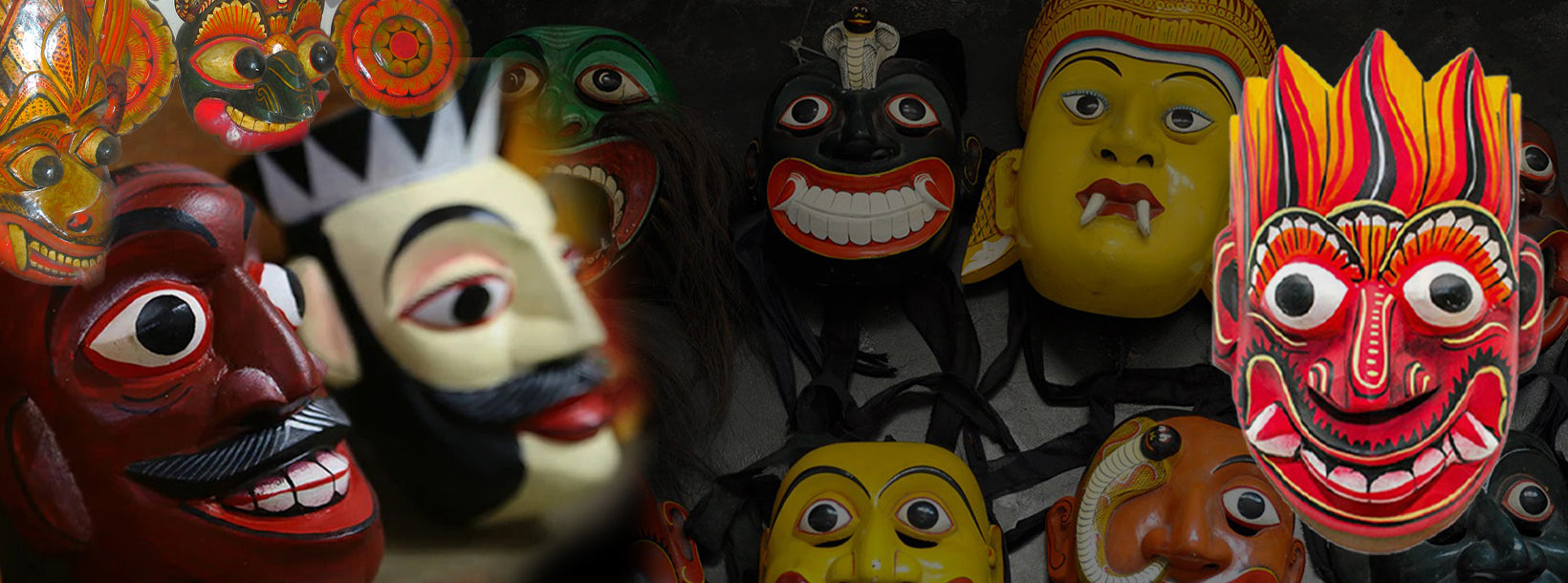
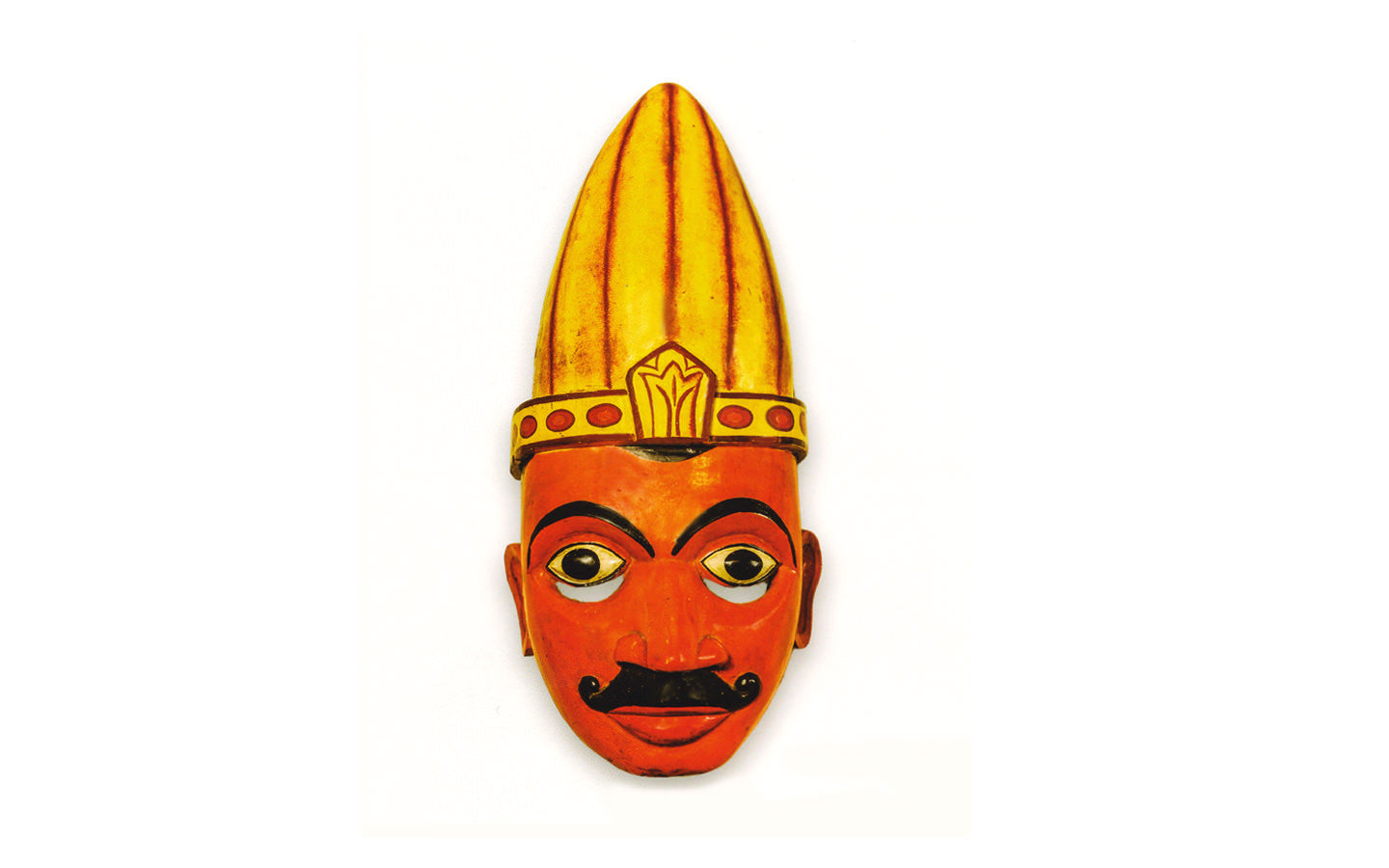
Kolam draws on a cast of stock characters, each represented by a specific mask type. These include royalty — a king (Raja) and queen — as well as figures of authority such as soldiers and officials. Comic characters, animal spirits, demons, and tricksters are equally central, giving performances a broad tonal range that shifts between the ceremonial and the satirical.

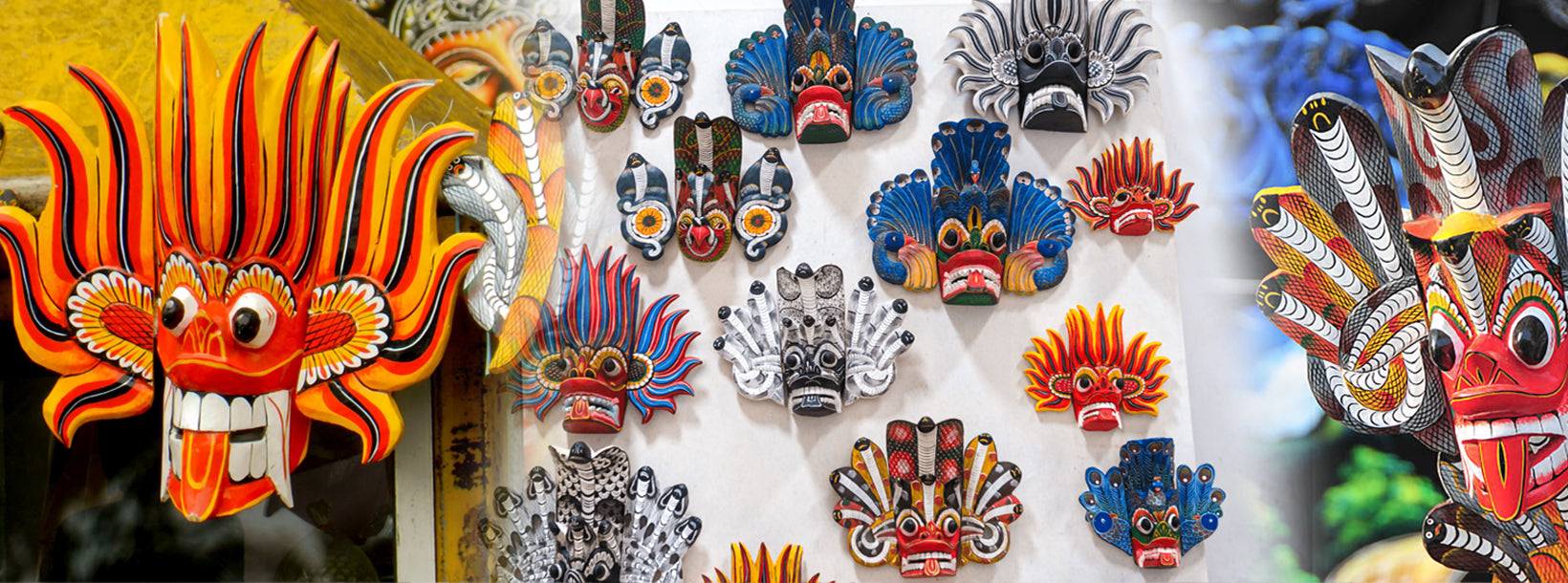
Animal masks — representing creatures such as the peacock, cobra, and bear — are among the most visually dramatic and speak directly to the tradition's animistic origins. Human character masks tend to be more naturalistic in proportion, though still stylised, with exaggerated expressions that read clearly from a distance across an open performance arena. The southern coastal region around Galle and the town of Ambalangoda in particular became the centre of Kolam mask carving, a craft that continues today.

How is a Kolam performance structured?

The performance takes place in a round arena, open to the sky, with the audience seated on three sides. A narrator — sometimes called the master of ceremonies — opens the show, introduces each character, and steers the plot forward. He may speak a character's lines directly, engage in dialogue with performers on stage, or hand over entirely to the actors themselves.

The characters' lines can be sung, spoken, or a combination of both, and a dedicated singer positioned near the stage often carries the melodic portions. At least two drummers provide rhythmic accompaniment throughout, using the low-country drum styles also heard in sanni and devil-dancing ceremonies. In earlier generations, a full Kolam performance would run through the night. Contemporary performances are typically two to three hours, making them far more accessible for visitors attending a single evening.

How are Kolam masks made?

Traditional Kolam masks are carved from a lightweight wood known as kaduru (Strychnos nux-vomica), which is easy to work and durable once sealed and painted. A skilled carver begins with a rough block and works inward, hollowing the back and shaping the face in a single piece rather than assembling separate parts. Painting follows carving: bright mineral-based pigments — reds, yellows, blacks, and whites — are applied in bold, flat tones that make expressions legible at performance distance.

Today, Kolam mask carving in Ambalangoda has evolved into both a living craft and a collector's tradition. Workshops produce masks for performance use, for cultural export, and as decorative art. Visitors to the southern coast can observe carvers at work and purchase pieces directly, with quality ranging from tourist-grade replicas to museum-worthy heirloom pieces.

How does Kolam differ from Raksha and Sanni masks?

Sri Lanka's low-country mask tradition encompasses three main categories: Kolam, Raksha, and Sanni. While all three originate from the same southern coastal communities and share broad craft techniques, they serve different purposes and carry different visual vocabularies.

  • Kolam masks are theatrical, tied to folk drama, and cover the widest character range — from kings and demons to animals and comic figures.
  • Raksha masks are protective and ceremonial, traditionally used in processions to ward off evil spirits. They are typically larger and more fearsome in expression.
  • Sanni masks are used in healing rituals intended to propitiate the eighteen demons believed to cause specific illnesses. They form a set of eighteen distinct character types, each associated with a named ailment.

Understanding this distinction helps a visitor choose meaningfully when buying a mask, attending a performance, or visiting a mask museum.

Where can visitors experience Kolam in Sri Lanka today?

Ambalangoda, a coastal town roughly midway between Colombo and Galle, is the best single destination for anyone seriously interested in Kolam. The town hosts mask museums, working carving studios, and occasional live performances. The broader southern province continues to host Kolam performances during village festivals, temple events, and cultural programmes, though these are not always on a fixed public calendar.

Cultural shows in Kandy sometimes incorporate Kolam elements alongside other traditional dance forms, offering a more condensed introduction for travellers on a shorter itinerary. For a deeper experience, a specialist cultural tour arranged in advance is the most reliable way to witness a full Kolam performance in its natural setting.

What should you look for when buying a Kolam mask?

Authenticity in a Kolam mask comes down to material, carving quality, and paint application. Genuine pieces are carved from a single block of kaduru wood; the hollow at the back should be smooth and even, not rough or unfinished. Paint on a quality mask is applied in clean, deliberate layers with no cracking or bleeding between colour zones. The character portrayed should be identifiable — a knowledgeable vendor will be able to name the character and explain its role in the tradition.

Mass-produced resin or composite masks are common in tourist markets and are not carved by hand. They are significantly lighter than wood and often have an unnaturally uniform surface texture. If you intend to purchase a mask as a serious cultural object or investment piece, buying directly from a recognised Ambalangoda workshop is strongly advisable.

Book this experience with Lakpura

Curated by our local team. Direct booking, instant confirmation.

Ask Lakpura® Agent