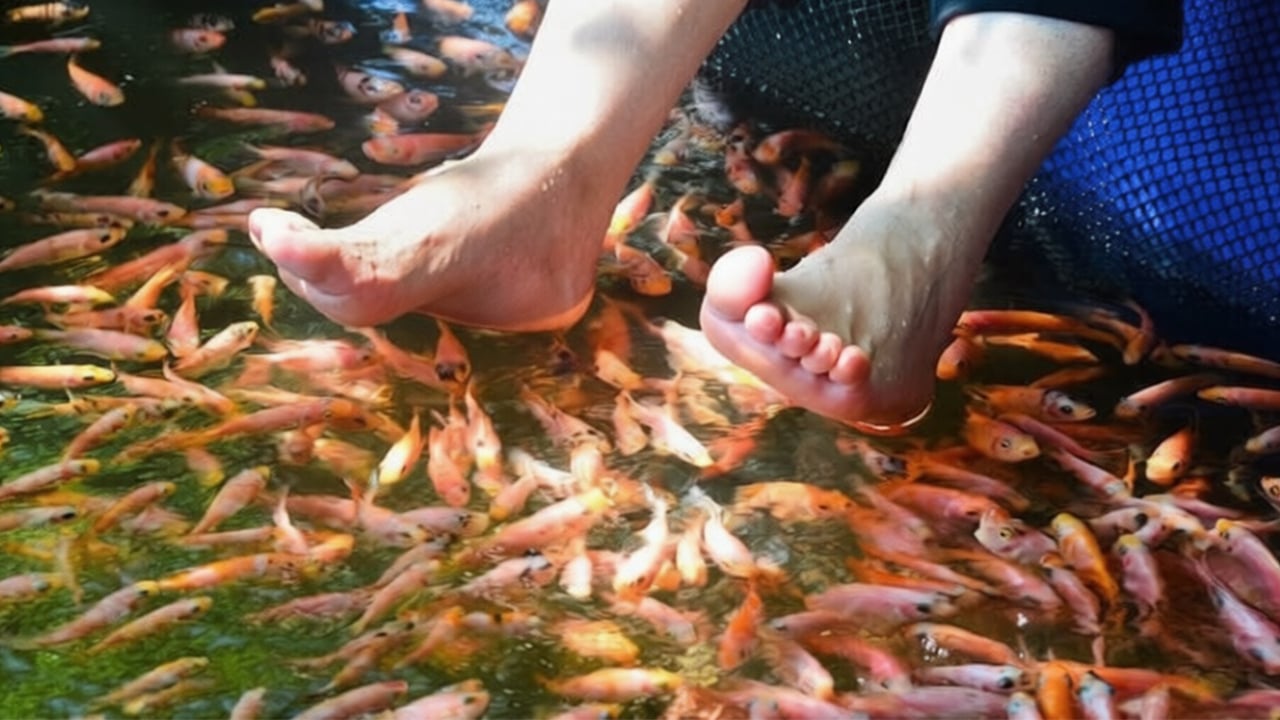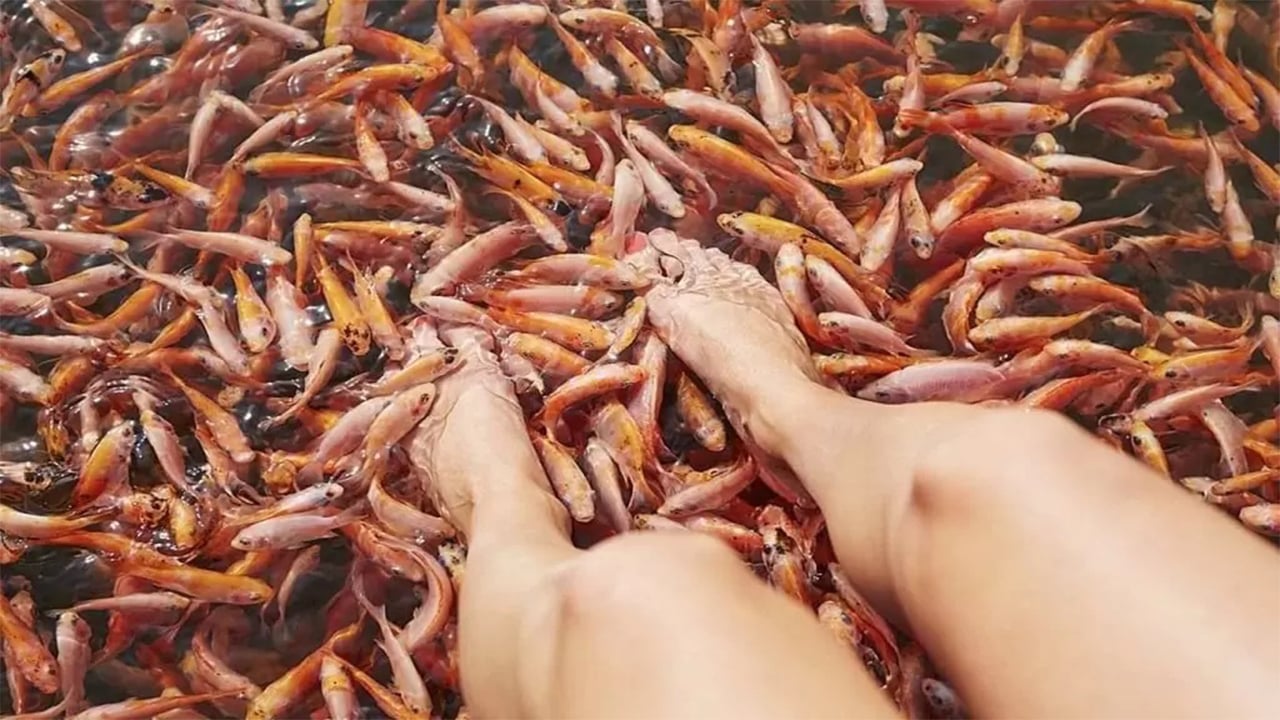
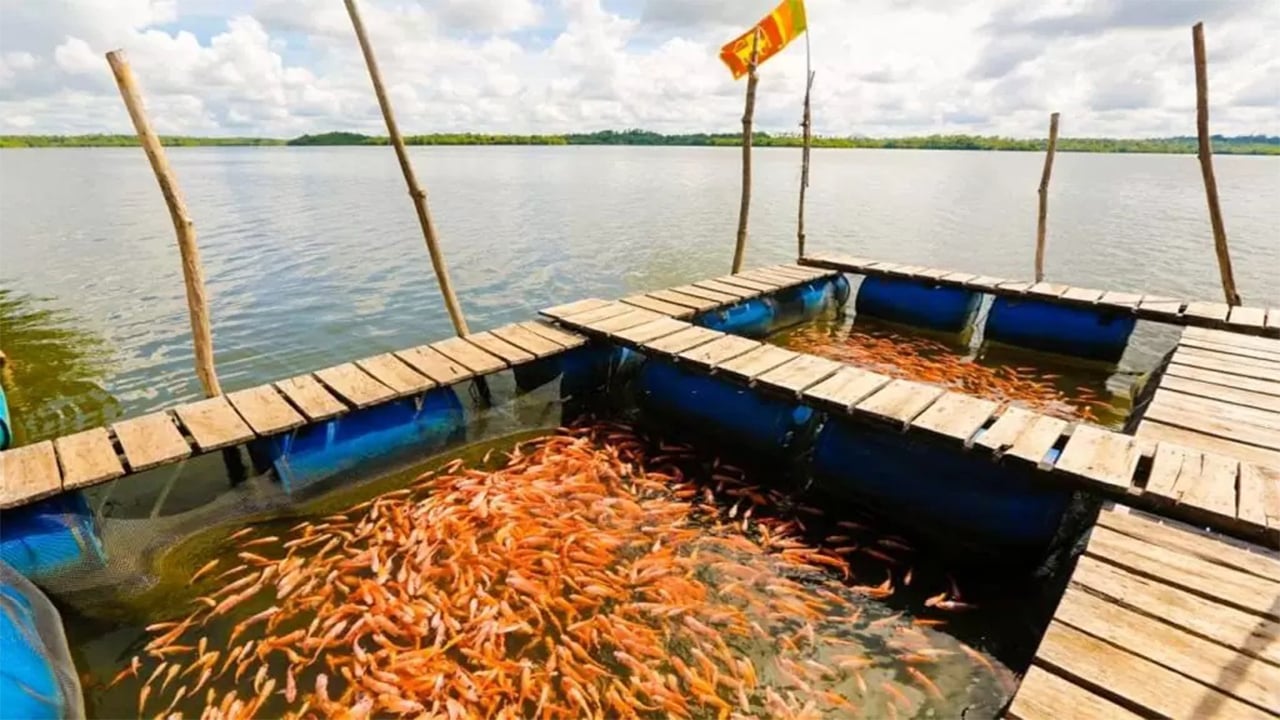
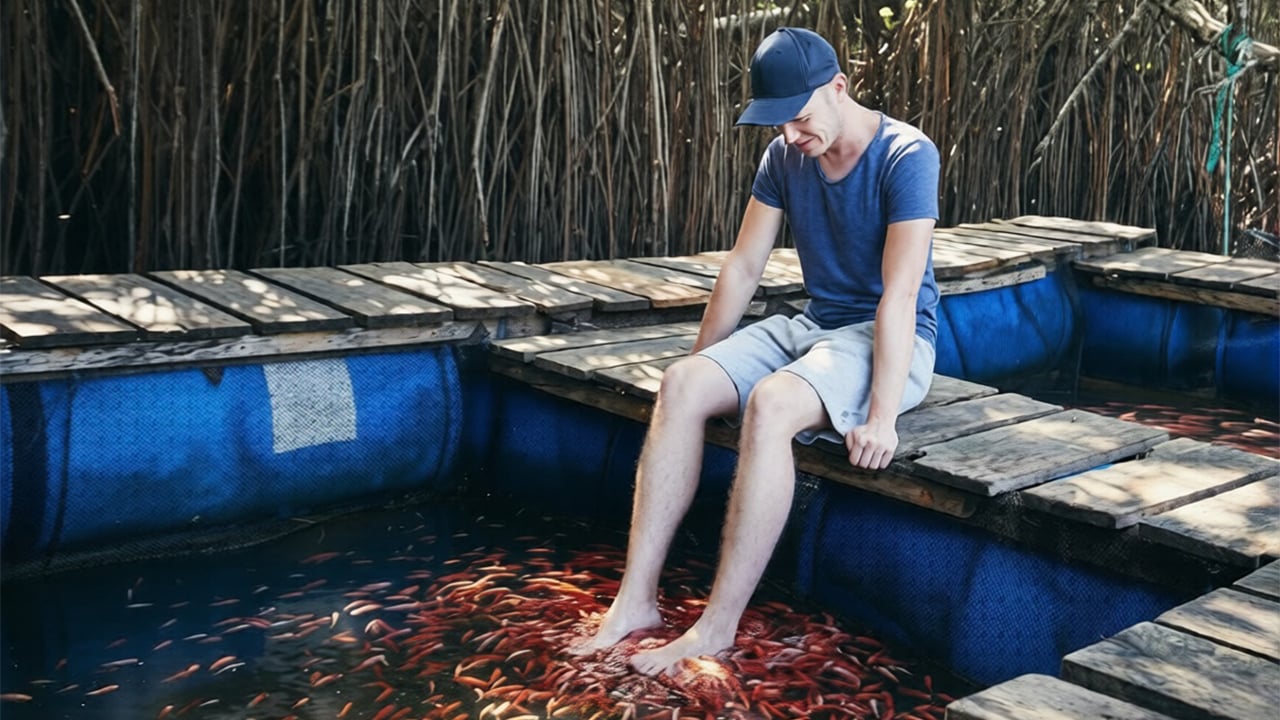
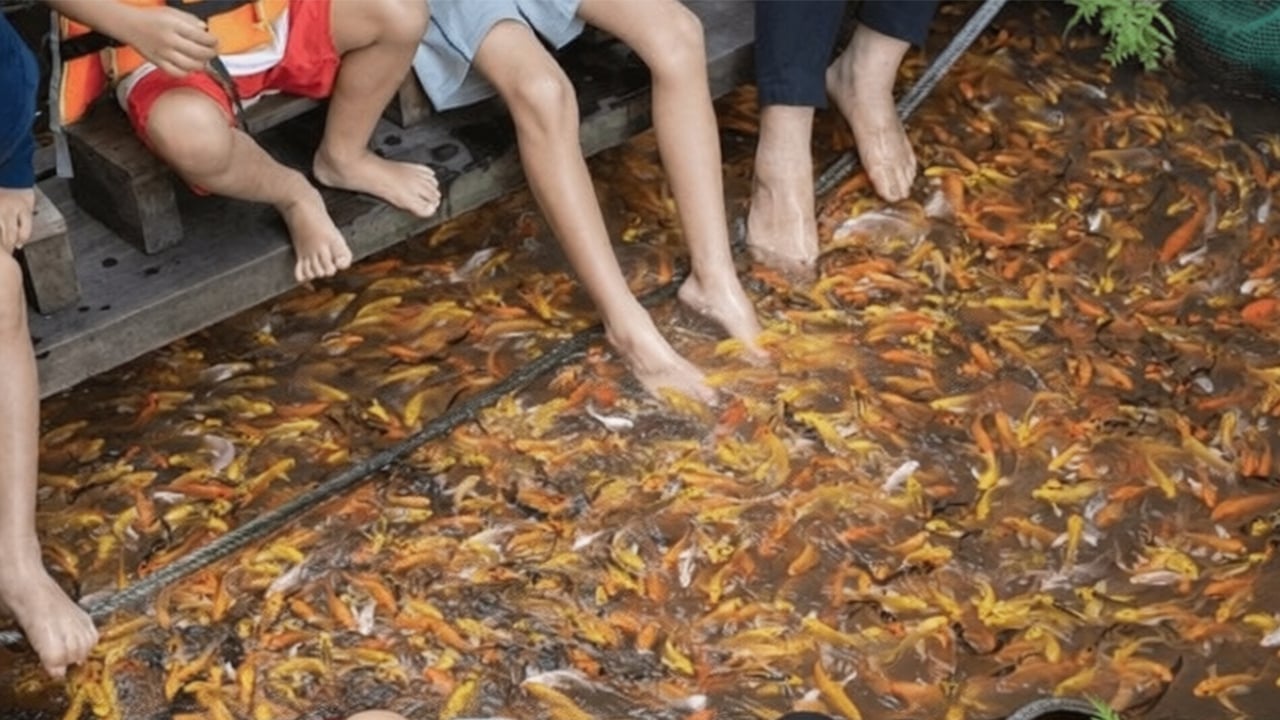
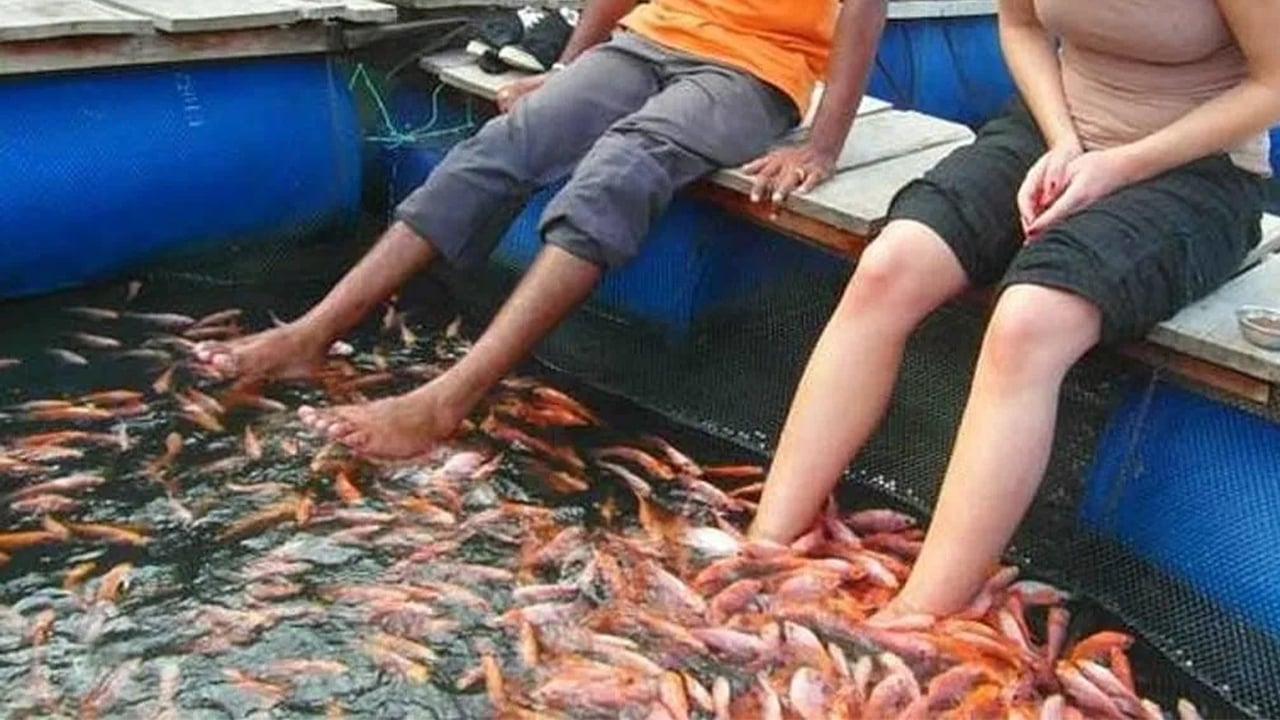
Fish spas have become a popular stop on the Sri Lanka leisure circuit, offering a low-key and slightly quirky experience that suits travellers looking for something a little different between temple visits and beach days. The concept is simple: you lower your feet into a shallow tank, and small freshwater fish — most commonly Garra rufa — gather around and nibble at the surface of your feet. For most people the result is an oddly pleasant tingling sensation and a memorable few minutes of novelty.
What Happens During a Fish Spa Session?
Sessions typically last between 15 and 30 minutes. You'll be asked to wash your feet before entering the tank — a standard hygiene measure observed at reputable venues. Once your feet are immersed, the Garra rufa fish swim in and cluster around them. The nibbling sensation is mild, ticklish at first for most visitors, and settles into something closer to a light vibrating feeling after the first minute or two.
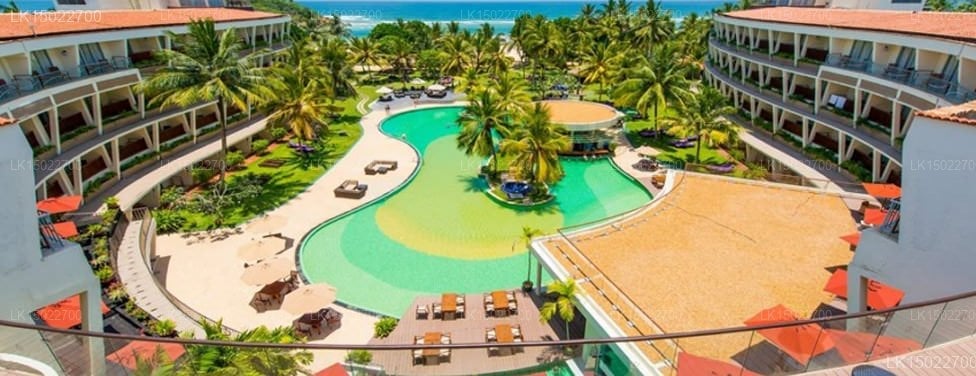
Many fish spa venues in Sri Lanka pair the session with a reclining chair, calming background music, and occasionally a cool drink. Some locations along the southern coast are set in open-air settings facing gardens or the sea, which adds to the overall sense of calm. The session does not use chemicals or abrasives, which appeals to travellers who prefer a simple, natural setting.
Where Can You Find Fish Spas in Sri Lanka?
Fish spa counters and dedicated spa rooms are distributed unevenly across the island, clustering wherever visitor footfall is highest. You'll encounter them most reliably in the following areas:
- Colombo and the western coast: Mall-based fish spa kiosks and hotel spa centres are the most common format here, catering mainly to short-session visitors.
- Negombo: Several beach resorts and independent spa shops around the lagoon area offer fish spa as a standalone or add-on experience.
- Hikkaduwa and the south coast: The strip running from Hikkaduwa toward Mirissa has a number of casual fish spa setups, often attached to souvenir shops or small hotels, reflecting the beach-resort character of the area.
- Kandy and the hill country: Spa centres in Kandy typically position fish spa within broader Ayurvedic or spa menus rather than as a standalone attraction. If you are planning a Kandy city tour, it is worth checking whether your hotel offers the experience in-house.
- Bentota and Beruwala: Resort spas along this stretch of coast — historically associated with Ayurvedic wellness tourism — frequently include fish spa among their offering.
Why Do Travellers Enjoy a Fish Spa?
Much of the appeal is the novelty: few people have sat with a shoal of small fish circling their feet, and the ticklish first moments usually bring laughter and a story to tell. It is also a chance to sit down and rest after long days of walking on uneven terrain — a common experience when visiting archaeological sites or hiking trails.
Sitting still, in a quiet space, watching fish move around your feet for 20 minutes is a relaxing pause that many travellers enjoy mid-trip. If you are looking to add other leisure activities of this kind, yoga tours are another option available through Lakpura that pairs well with a spa-focused itinerary.
Is a Fish Spa Safe?
Reputable venues follow a few straightforward precautions:
- Avoid the session if you have open cuts, wounds or sores on your feet or lower legs.
- If you have any skin or other health condition, consult a qualified doctor before trying it. This page describes a leisure experience, not medical advice.
- Check that the venue changes or properly filters the water between clients. At established hotel spas and dedicated fish spa centres, hygiene protocols are generally in place; at informal kiosk setups, it is reasonable to ask before committing.
- The fish themselves are not harmed by the session — Garra rufa naturally feed on algae and organic material in the wild and do not have teeth capable of breaking human skin.
How Does a Fish Spa Fit Into a Sri Lanka Wellness Trip?
Sri Lanka has a long tradition of Ayurveda, and a fish spa sits easily alongside the island's spa culture as an accessible, light-hearted experience. For travellers who are curious about spas but not ready to book a full Ayurvedic programme, a 20-minute fish spa session is a low-stakes way to try something new.
Many visitors combine a fish spa with other relaxation activities during their southern coast or hill-country legs. Resort spas — particularly those in Bentota, Weligama, and Galle — often include fish spa as part of a broader half-day or full-day spa package that might also include hot stone sessions, herbal steam baths, or traditional massages drawn from Sri Lankan and Indian Ayurvedic practice.
What Should You Bring and How Should You Prepare?
Preparation is minimal, which is part of the appeal. A few practical notes:
- Wear or bring clothing that allows easy access to your lower legs — loose trousers or a sarong work well.
- Avoid applying heavy moisturisers or foot creams on the day of your appointment; venues prefer clean, uncoated feet in the tank.
- Remove nail polish if possible, as most venues prefer bare nails to avoid any chemicals entering the tank water.
- Plan your session before rather than after activities involving strong sunscreen on the feet — the same reasoning applies.
- Most sessions at established venues run between 15 and 30 minutes. Budget an extra 10 minutes for the foot wash and briefing at the start.
How Much Does a Fish Spa Cost in Sri Lanka?
Pricing varies considerably by location and venue type. Informal kiosks at tourist markets tend to charge less than hotel spa centres, where the session is typically offered as part of a curated menu with higher overhead. If value is a priority, the southern coastal towns generally offer the most competitive standalone pricing. Hotel and resort spas command a premium but typically offer a noticeably more comfortable environment and more rigorous hygiene standards — a worthwhile trade-off for many visitors.
Related reading
2 pages on closely related subjects.