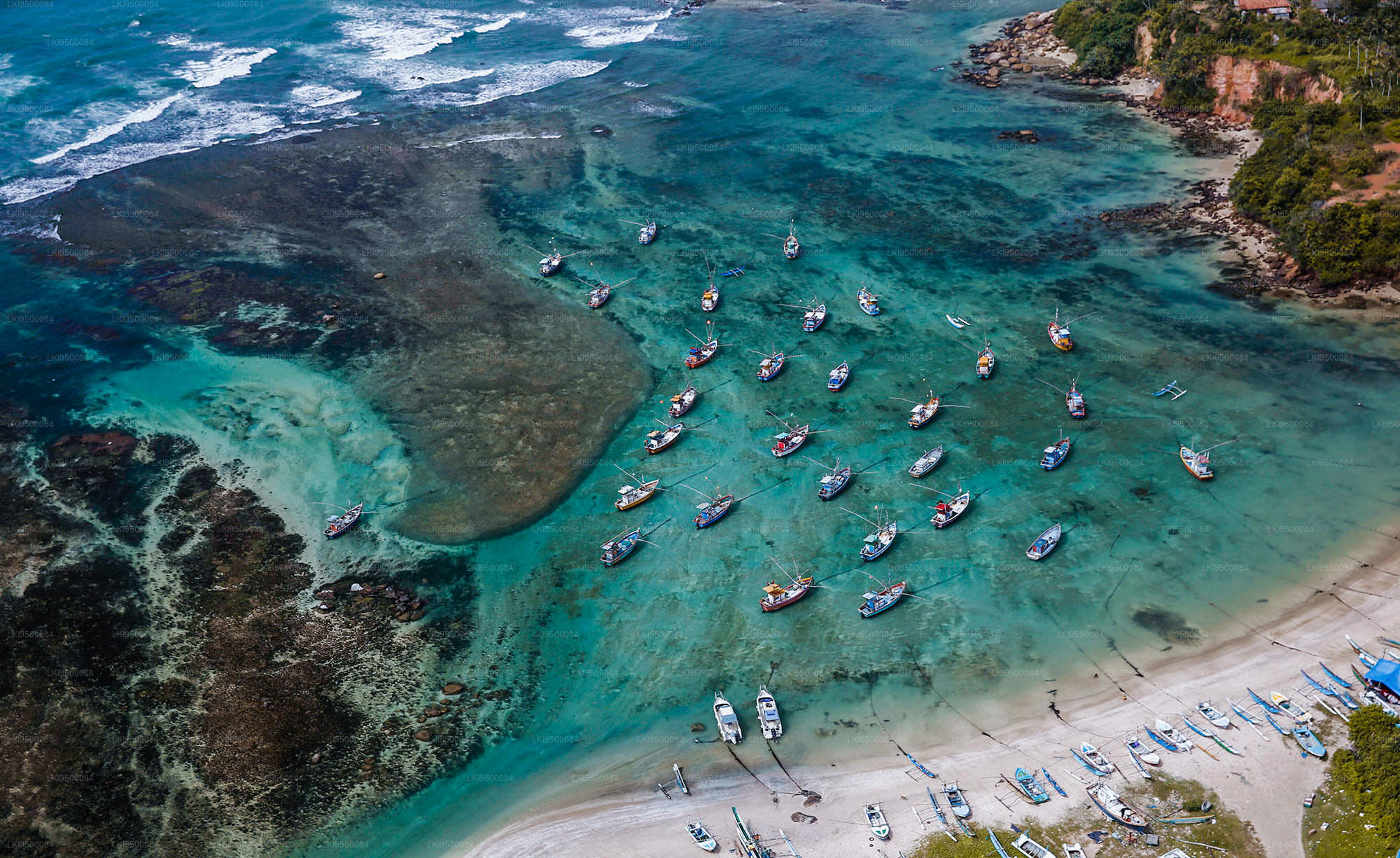
Weligama sits on Sri Lanka's Southern Coast roughly 144 km from Colombo, tucked into a wide, sheltered bay that has shaped the town's identity for centuries. Fishermen still launch their outrigger catamarans from the shore each morning; surfers queue for the same gentle rollers that beginners have learned on for decades; and just offshore, a tiny private island frames every sunset. The town is unhurried, genuinely local, and well-placed for day trips along the coast in either direction.
How do I get to Weligama from Colombo?
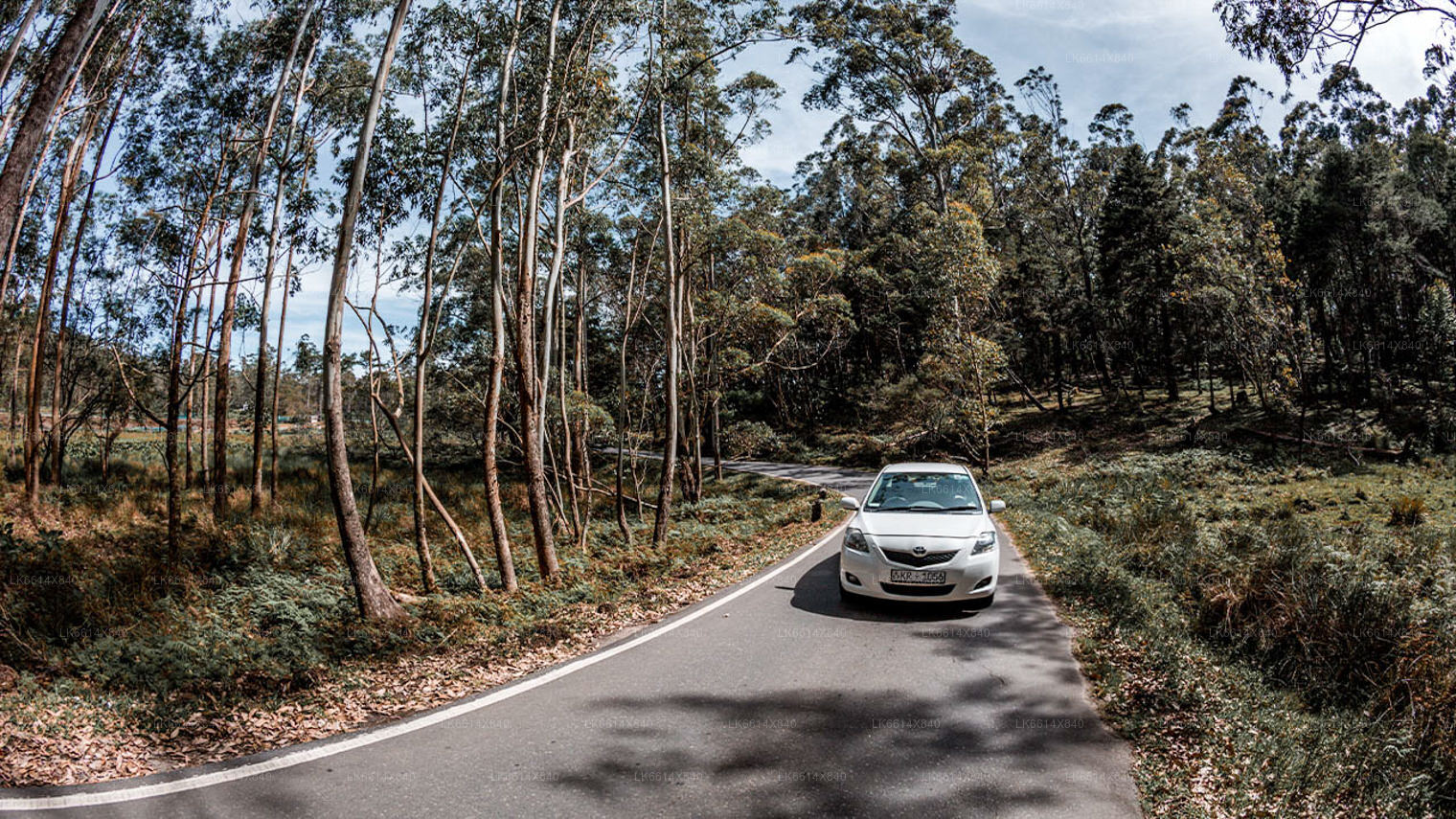
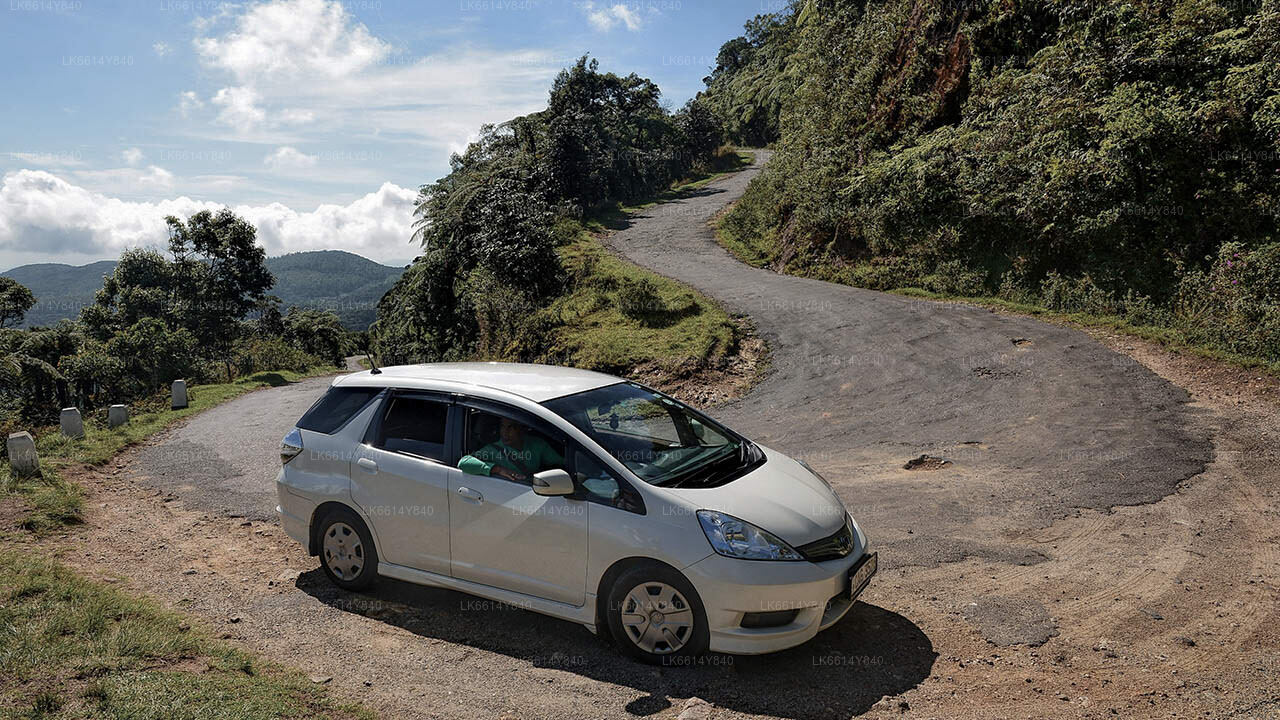
The most direct route is the A2 highway, which runs south from Colombo through Galle and continues to Matara — Weligama lies between those two towns. Driving typically takes around two to two-and-a-half hours depending on traffic. The southern railway line also serves Weligama, with scenic views of the coast for much of the journey. Trains depart from Colombo Fort Station, and the ride is one of the more memorable ways to arrive. From Galle, Weligama is around 30 km further east.
What is Weligama Bay known for?
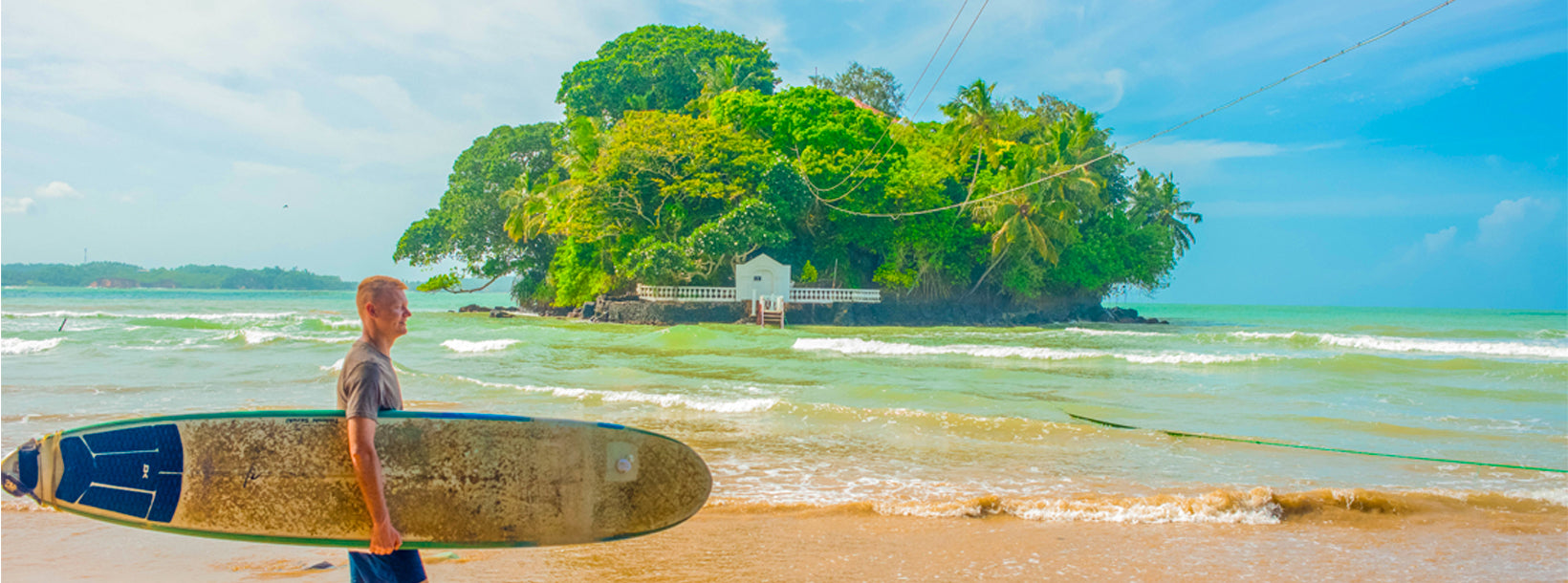
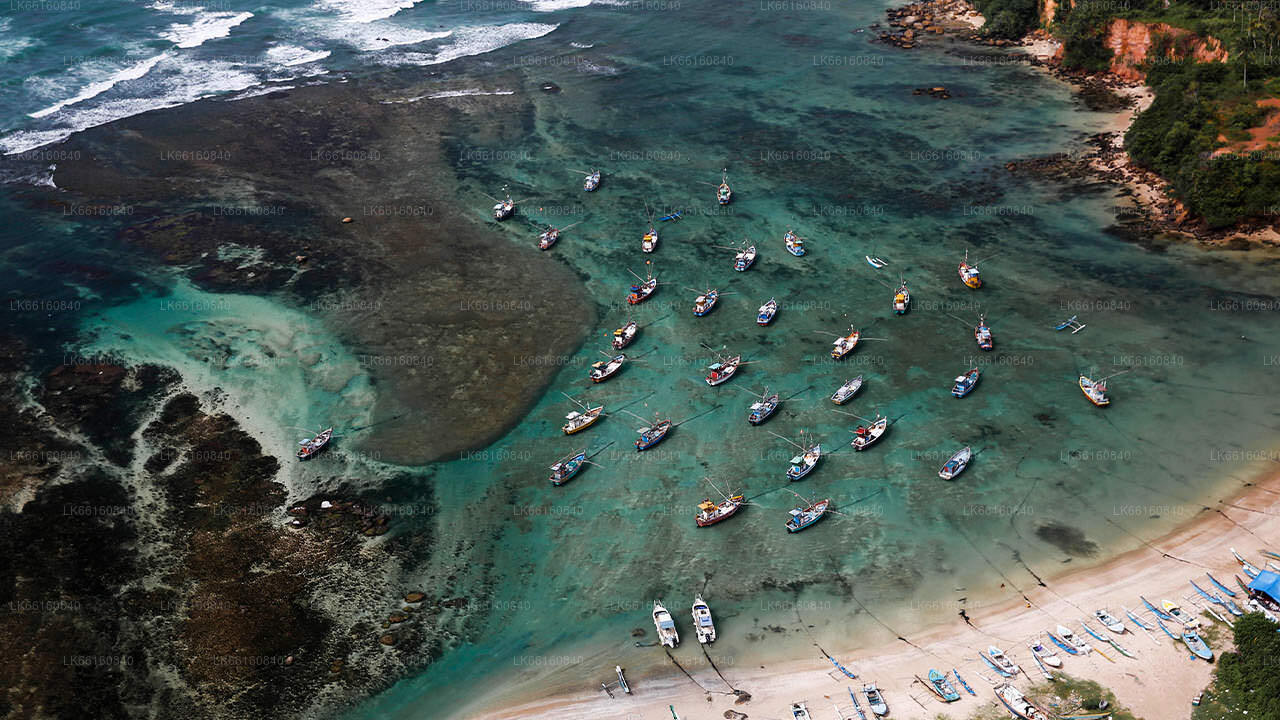
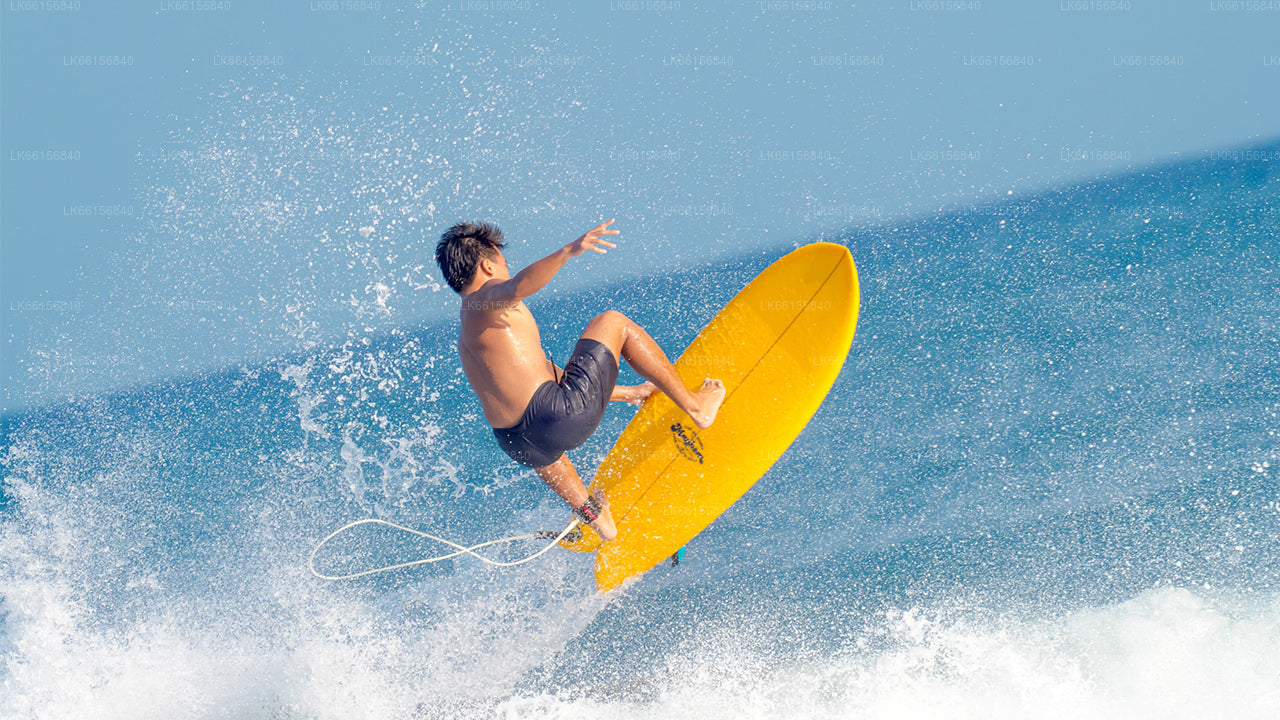
The bay's gently curving beach is wider and calmer than many stretches of the Southern Coast, making it one of the more approachable spots for swimming. The low, long waves that roll in consistently have made it a well-regarded location for learning to surf; several local schools operate along the beachfront. Fishing is still a working part of life here: colourful outrigger catamarans line the southern end of the beach, and stilt fishermen — a practice historically associated with this stretch of coast — can occasionally still be seen perched above the shallows.
Snorkelling is possible in calmer conditions, and the bay's relatively flat sea floor means currents are gentler than at more exposed beaches further along the coast. Deep sea fishing excursions also depart from the area for those wanting to head further offshore.
What is Taprobane Island?
Taprobane is a small private island sitting just off the southern end of Weligama Bay, close enough to wade to at low tide. Dense tropical trees cover most of its surface, and at the centre stands a white colonial-era villa that has attracted literary and artistic visitors since the 1930s — the writer Paul Bowles famously spent time here. The island is privately owned and available as an exclusive rental property, meaning it cannot be visited independently, but it forms one of the most distinctive views on the entire Southern Coast.
Can I go whale watching from Weligama?
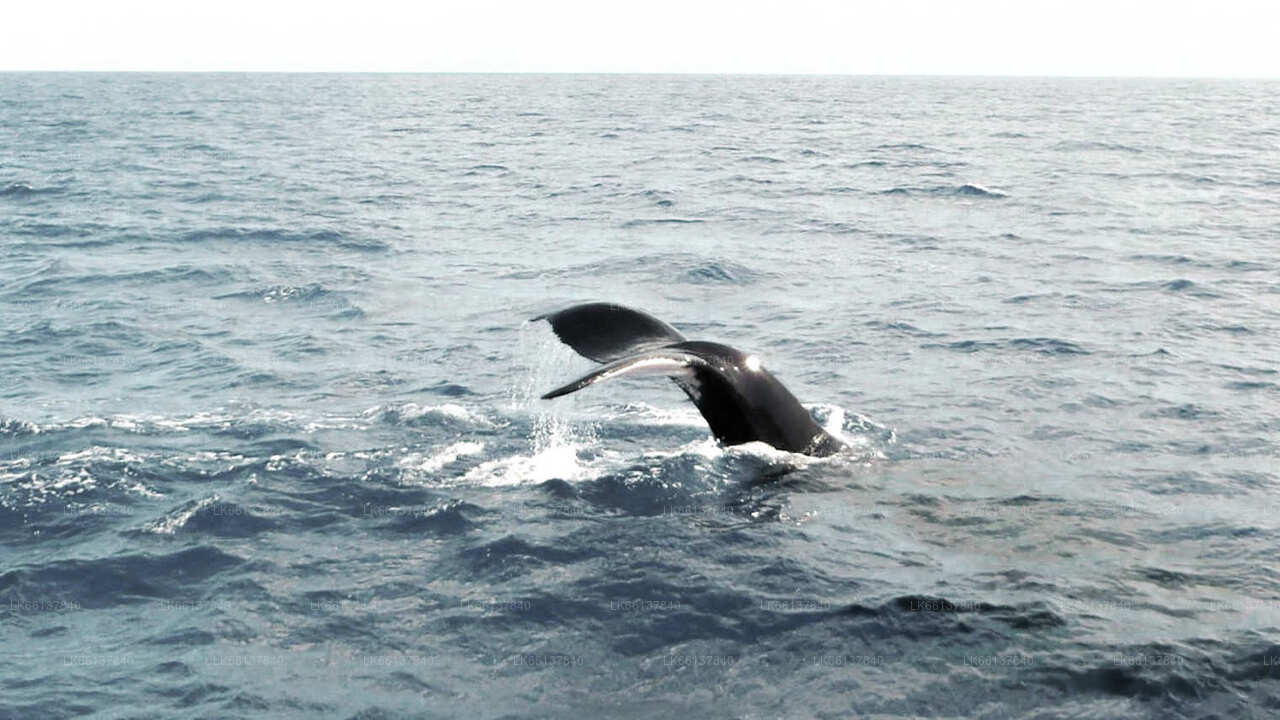
Yes — Weligama is one of the main departure points for whale watching along the Southern Coast. Blue whales pass through the waters south of Sri Lanka during certain months, typically between November and April, when sea conditions are generally calmer. Sperm whales and dolphins are also regularly sighted. Excursions leave from the bay in the early morning to maximise sighting chances and return before midday.
What day trips can I do from Weligama?
Weligama's location makes it a practical base for exploring a wide stretch of the Southern Coast and the inland areas behind it.
- Galle Fort: Around 30 km west, the 17th-century Dutch fortification is a UNESCO World Heritage Site and easily reached in under an hour. The Galle city tour covers the fort's highlights in half a day.
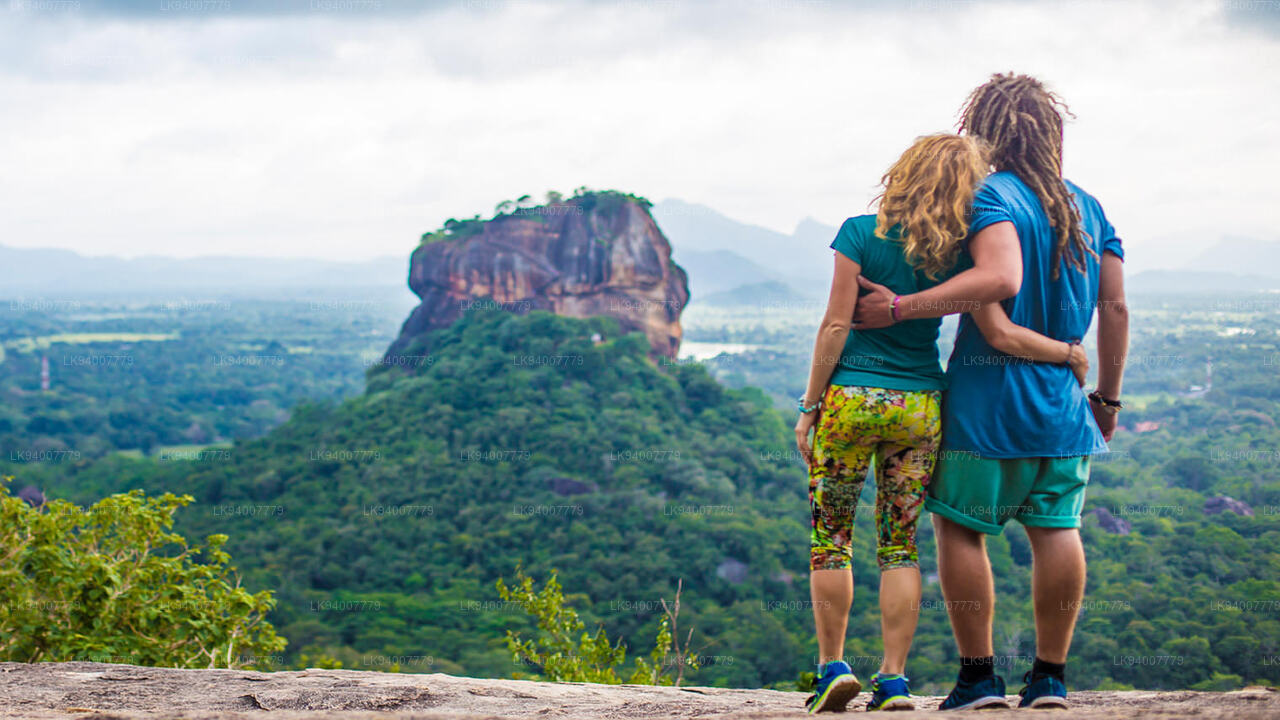
- Yala National Park: Sri Lanka's most visited national park lies roughly 90–100 km to the east and is a half-day drive from Weligama. Jeep safaris run in the early morning and late afternoon.
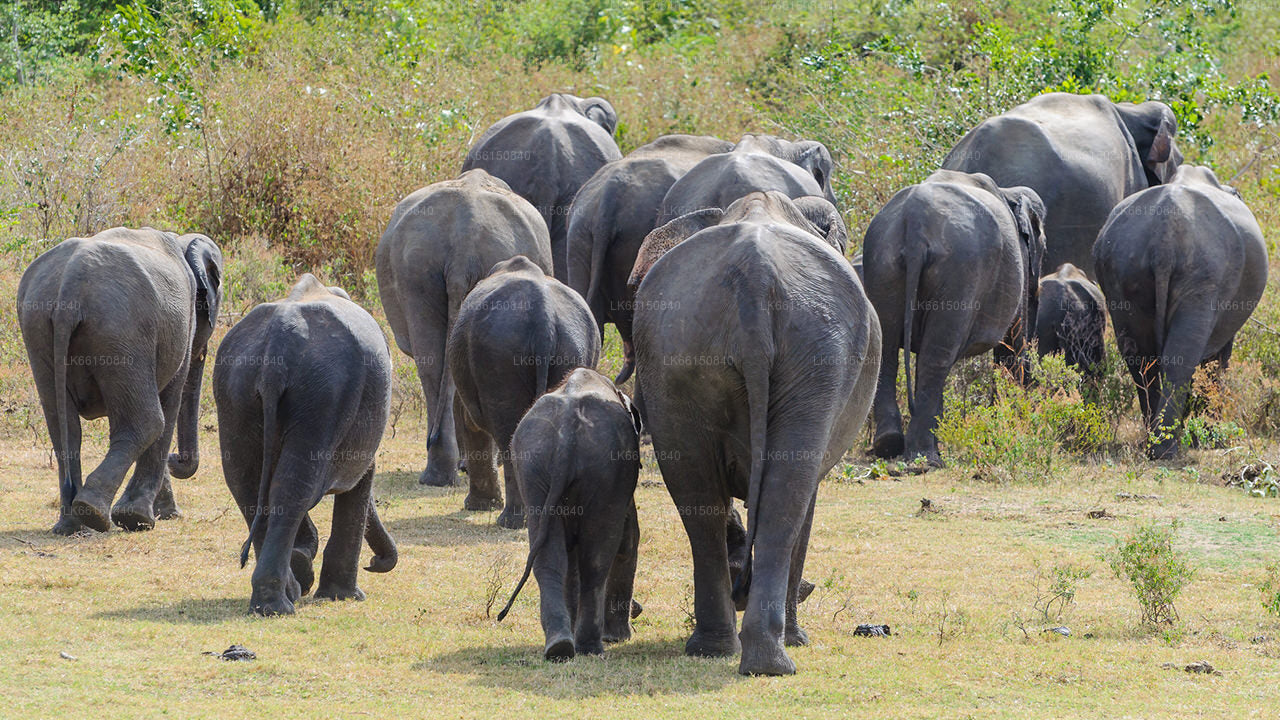
- Udawalawe National Park: Slightly closer than Yala and well known for reliable elephant sightings, Udawalawe can be combined with an inland drive through tea and rubber country.
- Sinharaja Forest Reserve: The Sinharaja rainforest, a UNESCO-listed biodiversity hotspot, is accessible from Weligama via a longer inland drive — best paired with a guided forest walk.
- Koggala Sea Turtle Conservation Project: Just west of Weligama, this hatchery protects nesting sea turtles and allows visitors to observe hatchlings. The Koggala Sea Turtle Conservation Project is a straightforward half-morning visit.
- Midigama Fruit Farm: A short distance east, the Midigama Fruit Farm offers an easy introduction to tropical agriculture between beach days.
What experiences can I book in Weligama itself?
Beyond the beach, Weligama has a small but genuine craft tradition. The town is associated with lace-making — an intricate craft introduced during the colonial period — and local mask carving workshops offer hands-on introductions to a craft more widely practised in the Ambalangoda area nearby. Pottery workshops run in the town for those interested in traditional clay work. Ayurvedic retreats and wellness centres have grown up around the resort hotels, and several operators offer cinnamon estate tours that connect the coastal landscape to the spice plantations just inland.
Where should I stay in Weligama?
Weligama has a broad range of accommodation, from family-run guesthouses near the beach to internationally branded resort hotels along the bay. The Weligama Bay Marriott is one of the larger properties on the seafront. Smaller boutique options and Ayurvedic retreat properties are also available for those seeking a quieter stay. Most of the main hotels are clustered along or just behind the beachfront road, keeping the bay within easy reach. For a truly singular experience, Taprobane Island itself is available for private rental — transfers are arranged by the property directly.
Is Weligama suitable for families with children?
The bay's calm, low surf makes it more family-friendly for swimming than many parts of the Sri Lankan coast. Surf lessons are generally straightforward for older children and teenagers. Baby turtle releases — where hatchlings are set free on the beach at dusk — are run from conservation projects in and around Weligama and tend to be a memorable experience for younger visitors. The town itself is compact and easy to navigate on foot or by tuk-tuk.
What is the best time of year to visit Weligama?
The Southern Coast's dry season runs roughly from November through April, when the sea is at its calmest and whale watching conditions are most reliable. This period also corresponds with Sri Lanka's peak tourism season, so accommodation books up quickly. The months of May through October bring the south-west monsoon, which can produce heavy swells — conditions that experienced surfers seek out but that make swimming less safe and whale watching trips less predictable. Weligama receives fewer visitors during this period, and rates at many properties reflect that.