Хани-Ривер

Madu River Madu River Madu River

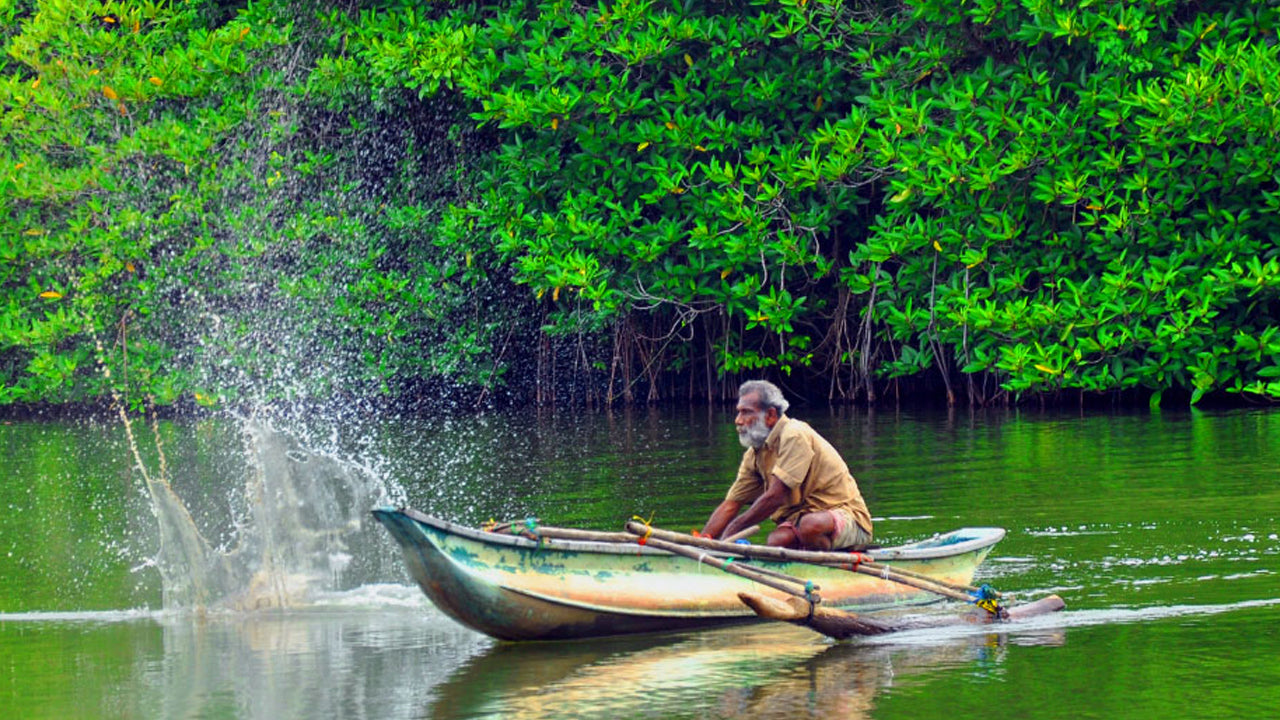
Река Маду — это живописный водный путь, расположенный в юго-западной части Шри-Ланки недалеко от Балапитии. Известная своими спокойными водами и богатым биоразнообразием, река является частью сложной экосистемы водно-болотных угодий, состоящей из мангровых зарослей, небольших островов и взаимосвязанных водных каналов.

Река и окружающие её водно-болотные угодья поддерживают разнообразный мир дикой природы, включая рыбу, рептилий, птиц и водные растения. Мангровые леса играют важную роль в защите прибрежной среды, одновременно обеспечивая укрытие для множества видов, которые процветают в этой хрупкой экосистеме.

Посетители реки Маду могут исследовать этот район во время расслабляющих лодочных сафари, проходящих через мангровые туннели и небольшие острова. Эти туры дают возможность наблюдать местную дикую природу, посетить традиционные места обработки корицы и насладиться спокойной природной красотой водно-болотной среды.

Лучшее время для посещения реки Маду — сухие месяцы с декабря по апрель, когда погодные условия идеально подходят для прогулок на лодке и активного отдыха на природе. До реки легко добраться из прибрежных городов, таких как Балапития и Бентота, где можно насладиться спокойным природным отдыхом вдоль Шри-Ланки на её южном побережье.

Madu River Madu River Madu River

About Galle District

Galle is a city situated on the southwestern tip of Sri Lanka, 119 km from Colombo. Galle is the best example of a fortified city built by Europeans in south and Southeast Asia, showing the interaction between European architectural styles and south Asian traditions. The Galle fort is a world heritage site and the largest remaining fortress in Asia built by European occupiers.

Galle is the best example of a fortified city built by Europeans in south and Southeast Asia, showing the interaction between European architectural styles and south Asian traditions. The Galle fort is a world heritage site and the largest remaining fortress in Asia built by European occupiers.

Galle is a sizeable town, by Sri Lankan standards, and has a population of 91,000, the majority of whom are of Sinhalese ethnicity. There is also a large Sri Lankan Moor minority, particularly in the fort area, which descend from Arab merchants that settled in the ancient port of Galle.

About Southern Province

The Southern Province of Sri Lanka is a small geographic area consisting of the districts of Galle, Matara and Hambantota. Subsistence farming and fishing is the main source of income for the vast majority of the people of this region.

Important landmarks of the Southern Province include the wildlife sanctuaries of the Yala and Udawalawe National Parks, the holy city of Kataragama, and the ancient cities of Tissamaharama, Kirinda and Galle. (Although Galle is an ancient city, almost nothing survives from before the Portuguese invasion.) During the Portuguese period there were two famous Sinhalese poets called Andare who was from Dickwella and Gajaman Nona who was from Denipitiya in Matara District, composing poems on common man.