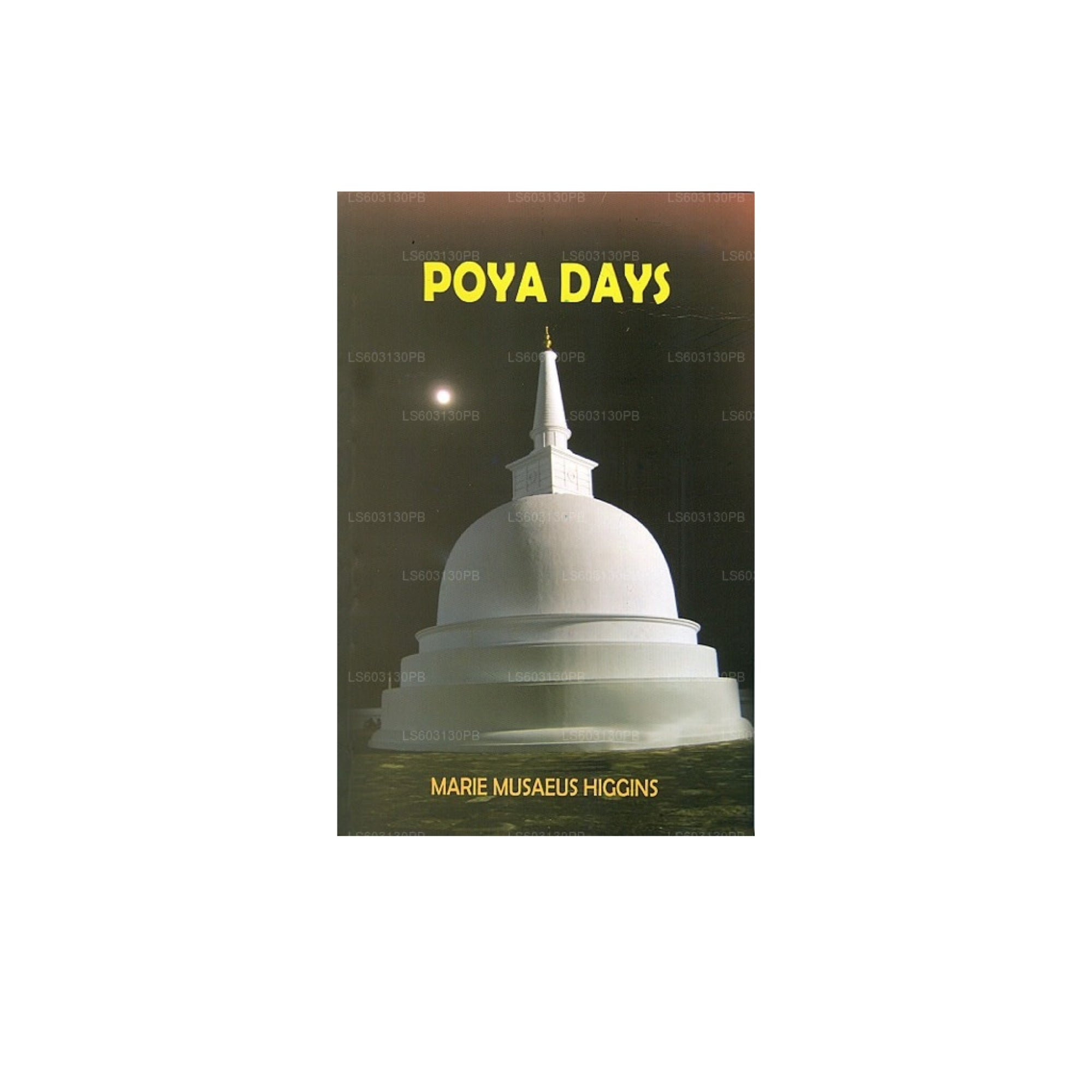
Il Poya — the November full moon — holds a quiet but meaningful place in Sri Lanka's Buddhist calendar. Falling near the end of the year, it closes out the rainy season and brings to a formal end the three-month monastic retreat known as Vassana Samaya. For practicing Buddhists across the island, it is a day of pilgrimage, reflection, and renewed resolve.
What is the significance of Il Poya?
Il Poya commemorates two distinct events in Buddhist tradition. The first is the granting of Vivarana — the assurance of future Buddhahood — to the Bodhisatta Maitreya, the Buddha who is prophesied to arise in a future age. The second is the Buddha's commissioning of 60 of his most accomplished disciples to travel in all directions and spread the Dhamma, one of the earliest recorded missions in Buddhist history.
Together, these events give Il Poya a forward-looking quality: it looks toward the continuation of the teaching beyond the lifetime of any single teacher. The conclusion of Vassana on this day also means that monks who have observed the retreat may once again travel freely, and lay communities hold special ceremonies to offer robes and requisites to the Sangha — a custom known as Kathina.
What is the connection between Il Poya and Thuparamaya?
According to Mahavamsa chronicles, the foundation stone for the Thuparamaya was laid on an Il Poya day — making the occasion deeply significant for Sri Lankan Buddhists specifically, not just the broader Theravada world. Thuparamaya, located in the ancient capital of Anuradhapura, is widely regarded as Sri Lanka's first stupa following the introduction of Buddhism to the island in the 3rd century BCE. Its bell-shaped dagoba enshrines the collarbone relic of the Buddha.
Every November, thousands of devotees make the journey to Anuradhapura to offer flowers, light oil lamps, and circumambulate the stupa in a tradition that has continued across many centuries. The atmosphere around the stupa during Poya evenings — oil lamps lining the paths, white-clad worshippers, the scent of jasmine and incense — is unlike anything found on an ordinary day.
How does Il Poya relate to the end of Vassana?
Vassana Samaya is the annual rains retreat observed by Theravada Buddhist monks, typically running for three lunar months from Esala Poya through to Il Poya. During this period monks remain within their monastery, intensifying their meditation practice and study. The retreat has roots in the earliest years of the Sangha, when the Buddha asked monks to refrain from travelling during the monsoon to avoid harming crops and small creatures in the wet fields.
The formal conclusion of Vassana on Il Poya is celebrated in monasteries with Pavaran — a ceremony in which monks invite their peers to point out any faults observed during the retreat, reinforcing communal accountability. Lay communities gather at temples across Sri Lanka to observe Sil (precepts), listen to Dhamma talks, and support the monks as they re-enter active ministry.
What happens across Sri Lanka on Il Poya day?
As with all Poya days, Il Poya is a public holiday in Sri Lanka. Shops and most businesses close, and the sale of alcohol and meat is prohibited island-wide. Public transport to major pilgrimage sites often becomes busy from the evening before the full moon.
- Anuradhapura — Thuparamaya and the wider sacred city draw large crowds of devotees. The ancient ruins are illuminated at night and the atmosphere is reflective rather than festive.
- Kandy — The Temple of the Tooth Maligawa holds special puja (offerings) throughout the day. Visitors can observe the ceremonies, though the inner shrine hall is for worshippers.
- Local temples island-wide — Smaller neighbourhood temples organise all-day Sil programmes, dana (almsgiving) and evening pirith chanting sessions. These local gatherings are often the most intimate way to experience the day.
If the full moon falls on a weekend, the public holiday is not moved to a weekday — a point worth noting for travellers planning around a work-free day.
When does Il Poya fall each year?
Il Poya follows the lunar calendar and therefore shifts relative to the Gregorian calendar each year, but it consistently falls in November. The exact date is determined by the Sri Lanka government almanac, which calculates the precise moment of full moon and may occasionally schedule the public holiday on the day before or after when the fullness peaks in the small hours.
| Poya Month | Approximate Gregorian Month | Key Observance |
|---|---|---|
| Esala | July | Esala Perahera, Kathina preparation |
| Binara | September | Descent of the Dhamma from Tavatimsa |
| Wap | October | Wap Poya, marking the approach of Il |
| Il | November | End of Vassana, Thuparamaya anniversary |
| Unduvap | December | Arrival of the Bodhi sapling in Sri Lanka |
How should travellers approach Il Poya?
For visitors to Sri Lanka, Poya days offer a rare window into everyday Buddhist practice rather than the curated performances of cultural shows. A few practical points:
- Dress modestly when entering temple grounds — shoulders and knees covered, shoes removed at the entrance.
- Stock up on food and essentials the evening before, as supermarkets and restaurants may have limited hours on Poya day.
- Plan travel time carefully. Roads to Anuradhapura can be slow in the hours before and after the full moon.
- Photography is generally acceptable in open-air stupa precincts, but always ask before photographing worshippers at close range.
The Dhamma School (Daham Pasala) system means many Sri Lankan children attend religious education on Poya mornings, and some temple programmes welcome curious visitors to sit quietly and observe. Il Poya, arriving at the cusp of the cooler north-east monsoon season, also happens to coincide with some of the island's more comfortable travelling weather in the Cultural Triangle.
What is the Kathina robe-offering ceremony?
In the weeks immediately following Il Poya, Buddhist communities across Sri Lanka organise Kathina ceremonies — formal occasions on which laypeople offer robes and monastery supplies to the Sangha in gratitude for the monks' completion of the Vassana retreat. Kathina is permitted only once per year at each monastery, making each ceremony a significant community event. Witnessing or participating in a Kathina offering can be one of the more moving cultural experiences available to a visitor travelling in November or early December.