Pettah Floating Market


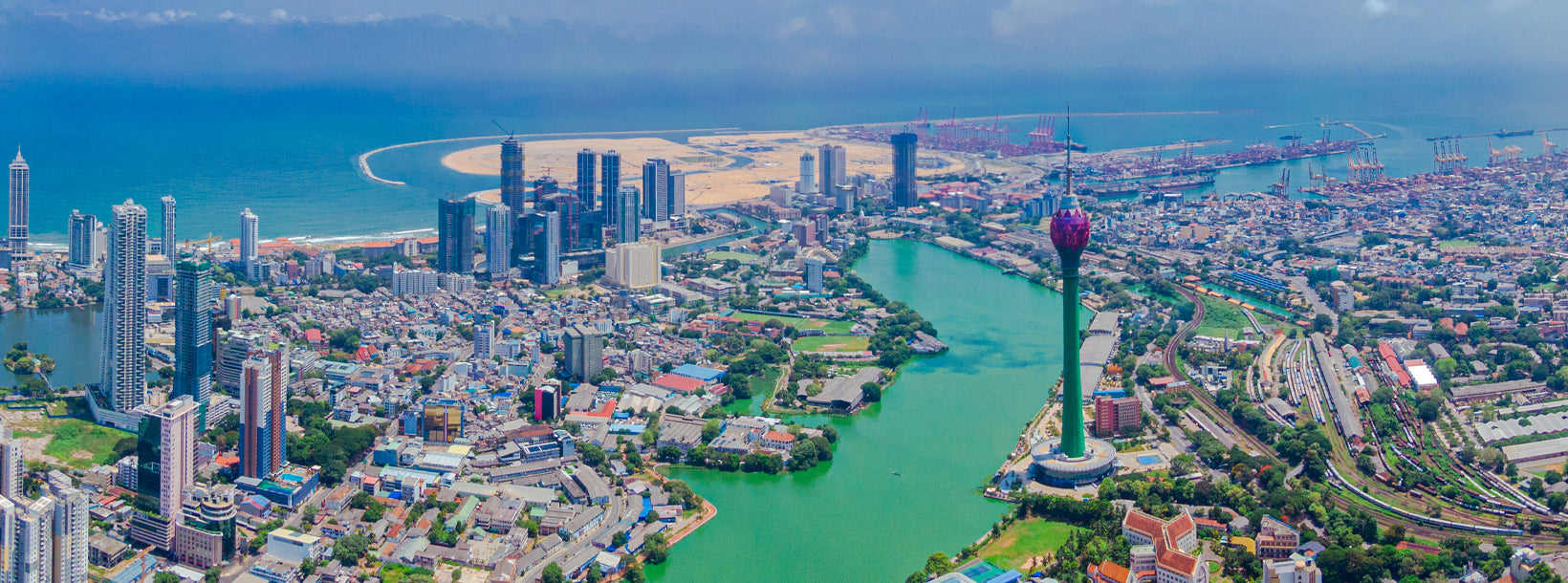
Just off the busy main streets of Pettah in Colombo, is a veritable oasis of calm water, dark wood and smooth cement walkways. The Pettah Floating Marketing may not actually float over the water, but it definitely floats over the hustle and bustle of the dirty streets in Colombo busiest trade zone.
Located on Bastian Mawatha, a short one-way street that cuts through to connect a curved section of Olcott Mawatha like a bow, the Floating Market lies right opposite the Pettah Private Bus Station. This is the central depot where all the private bus routes into, within and out of Colombo connect. Right next to the Bus Station is the Pettah Fruit and Vegetable Market, a goldmine of fresh produce brought in from all around the island. As such the street is extremely busy, despite it’s being one-way only.
Therefore coming up on the calm piece of beauty amongst all the noisy hubbub of the city always is quite a pleasant shock.
The Creation of the Pettah Floating Market
Approximately twenty years ago, in the late 1990s, the space where the Floating Market is on Bastian Mawatha was one of the worst areas in Pettah; filled with abandoned age-blackened factories and warehouses, a stinking canal from from the colonial era, shifty looking men lurking in shadowed corners and much illegal activity. In the meantime, along some of the other streets in Pettah, street sellers crowded the sidewalks with small illegal stalls, overflowing with wares, forcing the pedestrians to use middle of the road to travel. This caused several dangerous accidents causing the Urban Council of Colombo to break their heads over it. However with the civil war going on at that time in Sri Lanka, resources were scarce and nothing was done.
In the first decade of the new millennium the situation became worse, with even more street sellers blocking the streets and some even spilling into the road. The shady warehouses near the city’s main private bus depot became even more threatening, a haunt of drug dealers, criminals and other lowlife, the place stank and the ground was spattered with all sorts of unspeakable filth. Most decent people tried to avoid going down that way, trying to catch buses from other halts or buy produce elsewhere. With the war at an end the resources used in the war lay idle.
Then the Colombo Urban Council came to the decision that this could not go on. They decided to kill several birds with one stone. They engaged the Urban Development Authority (UDA) on a beautification project that would end up costing Rs 150 Million. The UDA contacted the Ministry of Defense and requested the assistance of the Engineering Units from the Sri Lanka Army and units from the Sri Lanka Navy, who were both at the time finding themselves at a quandary with nothing to do.
The military units went to work cleaning up the surroundings of Bastian Mawatha. The canal was dredged and cleaned. Broken and abandoned warehouses were demolished and their lands used as space for the floating market. Trees were plant