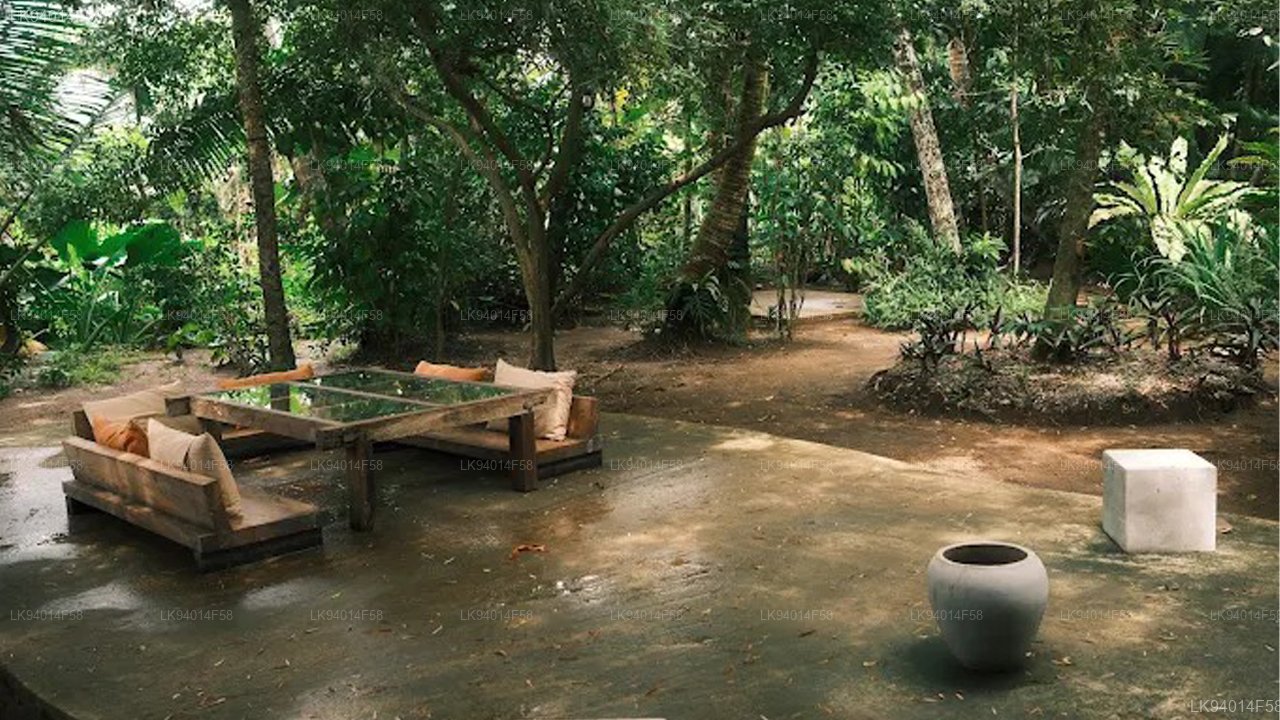
Folklor Ahangama

Folklore Ahangama Folklore Ahangama Folklore Ahangama

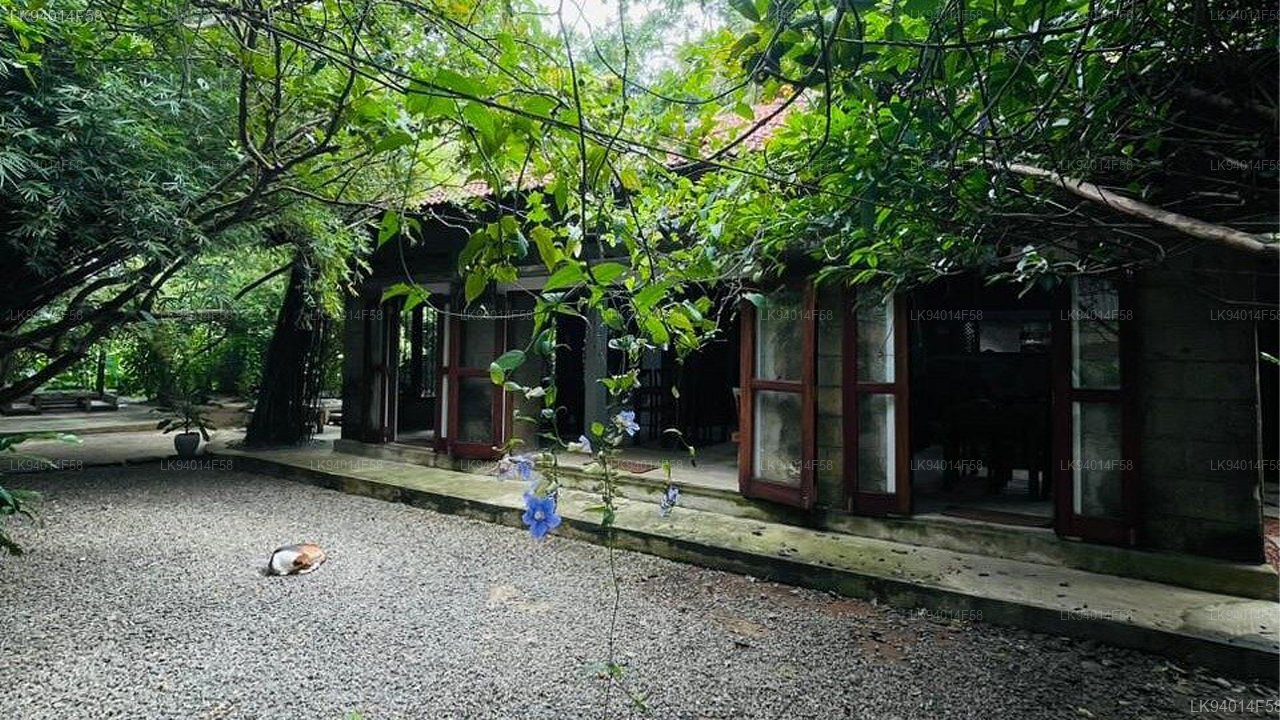
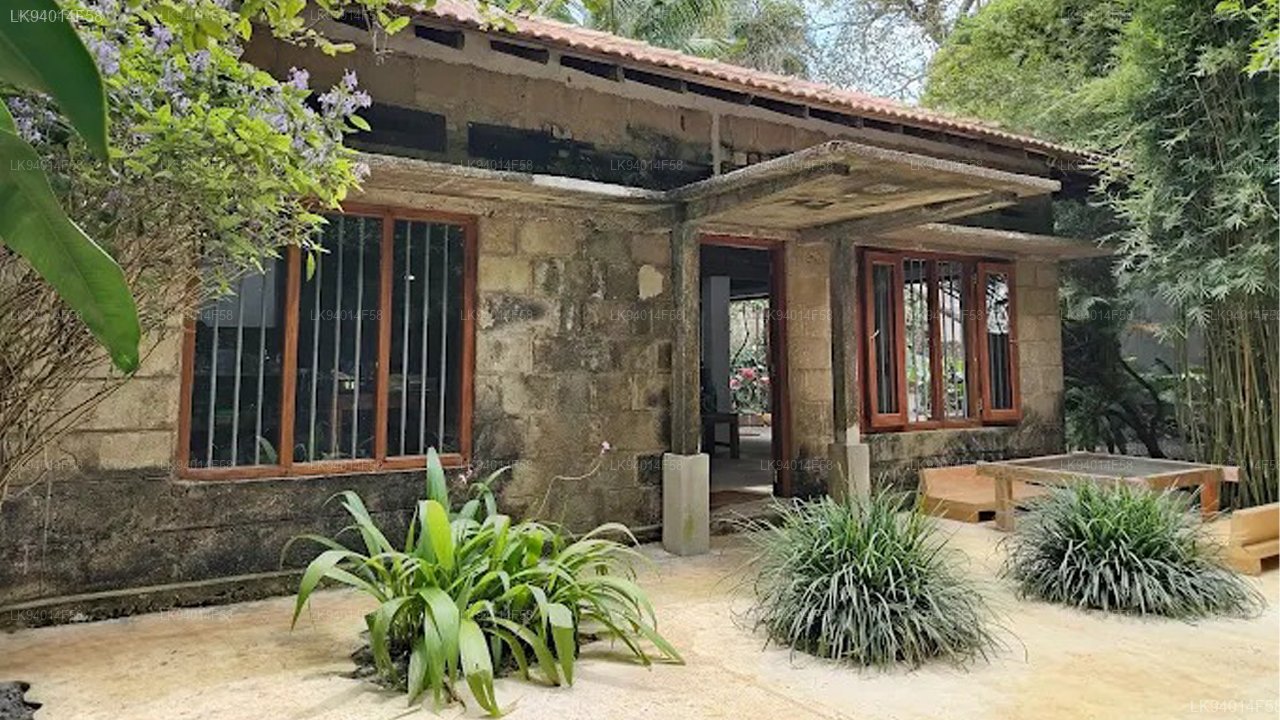
Folklor Ahangama to kulturalne doświadczenie, które znajduje się w nadmorskiej miejscowości Ahangama na Sri Lance, znane ze swoich bogatych tradycji i żywego dziedzictwa. To centrum kultury celebruje muzykę ludową, taniec i opowiadanie historii wyspy, oferując odwiedzającym wgląd w unikalne kulturalne praktyki tego regionu.

Miasto Ahangama jest znane ze swojego związku z tradycyjnym sri lankijskim folklorem, który jest głęboko związany z lokalnym stylem życia. Odwiedzający mogą doświadczyć występów ludowych, w tym lokalnych form tańca, takich jak *taniec Kandyan*, a także muzyki i teatralnego opowiadania historii, które odzwierciedlają głęboko zakorzenioną kulturalną historię i religijne wierzenia Sri Lanki.

Oprócz występów kulturalnych Folklor Ahangama oferuje także wystawy sztuki, tradycyjne rzemiosła i warsztaty, które oferują praktyczne doświadczenia w tworzeniu lokalnych wyrobów rzemieślniczych. To miejsce służy jako centrum zachowywania i promowania bogatych tradycji ludowych Sri Lanki, co czyni je popularnym celem podróży dla osób zainteresowanych kulturalną różnorodnością i historią wyspy.

Najlepszy czas na wizytę w Folklorze Ahangama to okres suchego sezonu, od grudnia do kwietnia, kiedy pogoda jest idealna do występów na świeżym powietrzu i kulturalnych aktywności. Jest łatwo dostępne z pobliskich miast, takich jak Weligama i Galle, a doświadczenie to oferuje znaczącą okazję do połączenia się ze sztuką i kulturalnym dziedzictwem Sri Lanki.
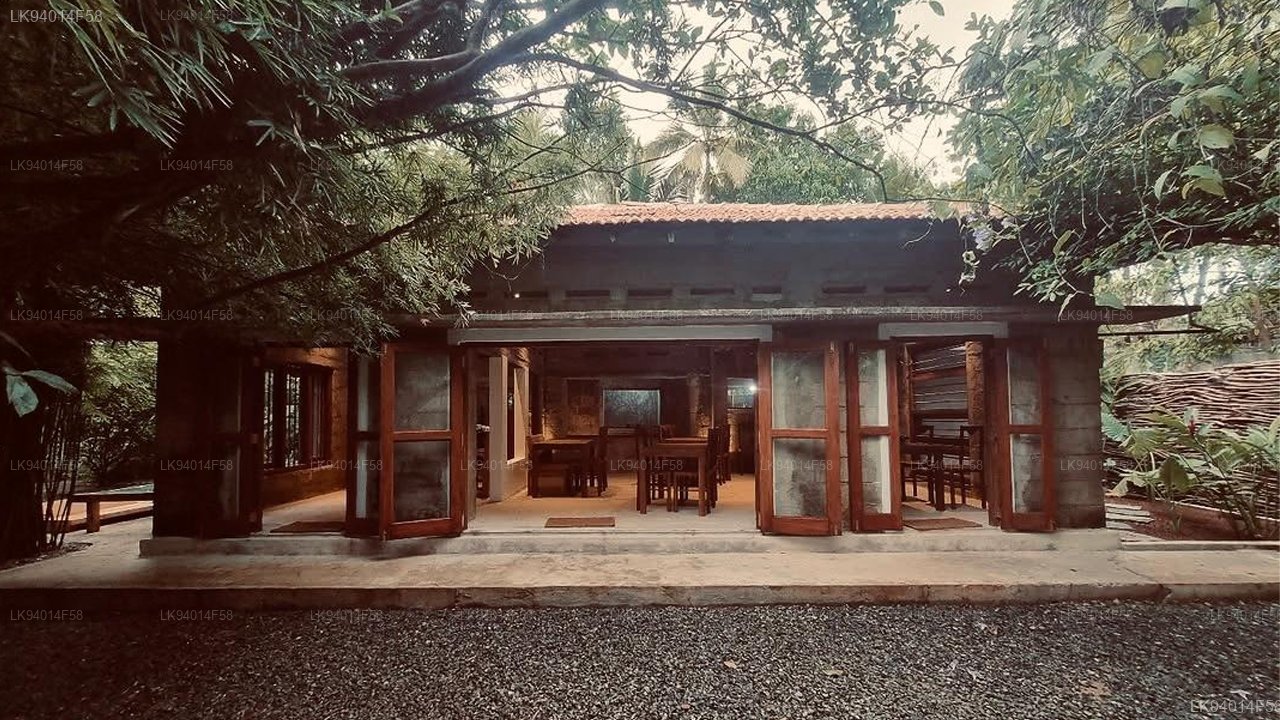
Folklore Ahangama Folklore Ahangama Folklore Ahangama

About Galle District

Galle is a city situated on the southwestern tip of Sri Lanka, 119 km from Colombo. Galle is the best example of a fortified city built by Europeans in south and Southeast Asia, showing the interaction between European architectural styles and south Asian traditions. The Galle fort is a world heritage site and the largest remaining fortress in Asia built by European occupiers.

Galle is the best example of a fortified city built by Europeans in south and Southeast Asia, showing the interaction between European architectural styles and south Asian traditions. The Galle fort is a world heritage site and the largest remaining fortress in Asia built by European occupiers.

Galle is a sizeable town, by Sri Lankan standards, and has a population of 91,000, the majority of whom are of Sinhalese ethnicity. There is also a large Sri Lankan Moor minority, particularly in the fort area, which descend from Arab merchants that settled in the ancient port of Galle.

About Southern Province

The Southern Province of Sri Lanka is a small geographic area consisting of the districts of Galle, Matara and Hambantota. Subsistence farming and fishing is the main source of income for the vast majority of the people of this region.

Important landmarks of the Southern Province include the wildlife sanctuaries of the Yala and Udawalawe National Parks, the holy city of Kataragama, and the ancient cities of Tissamaharama, Kirinda and Galle. (Although Galle is an ancient city, almost nothing survives from before the Portuguese invasion.) During the Portuguese period there were two famous Sinhalese poets called Andare who was from Dickwella and Gajaman Nona who was from Denipitiya in Matara District, composing poems on common man.