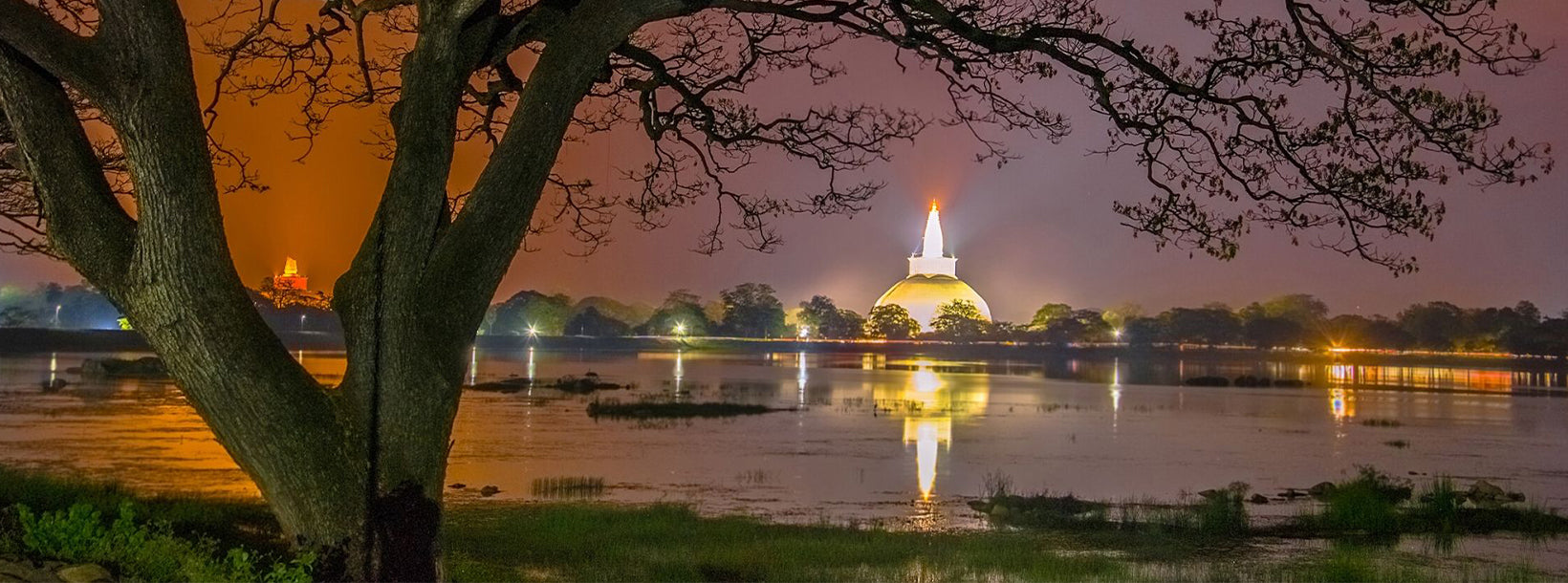
Every full moon in May, Sri Lanka pauses to mark Vesak Poya — the day that commemorates the birth, enlightenment, and passing of the Buddha. Among all the observances that mark this occasion, the dansala stands out as one of the most visible and moving: community-run stalls that offer free food, drinks, and refreshments to anyone who passes by, with no expectation of anything in return. This practice of unconditional giving, known in Buddhist teaching as dana, transforms entire streets and neighbourhoods into spaces of shared generosity.
What is a Dansal and how does it work?
A dansal (sometimes spelled dansala) is a temporary charitable food stall set up by families, businesses, religious organisations, or community groups during Vesak. Volunteers prepare and serve everything — from simple rice and curry to sweets, short eats, ice cream, fruit juice, and hot beverages — entirely free of charge. No queue ticket, no identity check, no condition of any kind. The idea is simply that anyone who is hungry or thirsty should be able to eat and drink during the festival.
Stalls are staffed almost entirely by volunteers, many of whom donate both their time and the cost of ingredients. For many Sri Lankan families, contributing to or running a dansal is considered an act of spiritual merit, directly connected to the Buddhist value of generosity toward all beings.
Where are Dansals held across Sri Lanka?
In Colombo, the largest concentrations of dansals appear in designated Vesak Zones — typically along major arterial roads and around prominent temples. Neighbourhoods in Kelaniya, Maradana, Borella, and around the Colombo city centre are particularly well known for the scale and variety of their stalls. Beyond the capital, major towns including Kandy, Negombo, Galle, and Kurunegala host active dansal circuits that draw thousands of visitors over the Vesak weekend.
Rural villages also participate quietly but earnestly. A single family may set up a small table outside their gate, offering plain tea and biscuits. The scale differs; the spirit does not.
What is typically served at a Dansal?
The menu at any given stall reflects whatever the organisers choose to offer, so variety is considerable. Common offerings include:
- Rice and curry (often vegetarian in keeping with the day's spirit)
- Kiribath (milk rice), a traditional celebratory food
- Traditional sweets such as kokis, kavum, and pani kadju
- Fruit juice, cordials, plain water, and hot tea
- Ice cream and flavoured drinks, especially popular among children
- Essentials packed into Vesak buckets — small containers of dry goods or staple items distributed to those in genuine need
Wealthier sponsors sometimes fund stalls that serve full cooked meals to hundreds or even thousands of people over the course of a single day. It is not unusual to see queues stretching a considerable distance outside a well-regarded dansal, with visitors choosing to wait because the food is known to be good.
How does a Dansal fit into the wider Vesak celebration?
The dansal rarely stands alone. Stalls are typically positioned near Vesak pandals (large illuminated dioramas that depict stories from the Buddha's life) and Vesak thorana (elaborately decorated archways strung with lights). The streets around them are hung with Vesak koodu — traditional paper lanterns in geometric shapes — and coloured flags. The ambient sound is often devotional music, known as bakthi gee, played softly from speakers mounted near the stalls or at nearby temples.
Volunteers sometimes distribute printed Vesak cards, small devotional images, or slips of paper carrying Vesak verses and Buddhist reflections. These small gestures add a personal dimension to an act that could otherwise feel purely transactional. Observing sil — the eight precepts taken by devout Buddhists on Poya days — is another parallel practice that many visitors to the dansals will have undertaken before heading out for the evening.
What is the cultural significance of Dana in Buddhist practice?
Dana is the first of the ten meritorious actions (dasa kusala) in Theravada Buddhist teaching, which is the tradition practised in Sri Lanka. It encompasses not just the giving of material things but the intention behind the gift — specifically, the absence of any desire for personal gain or recognition. A dansal is considered an unusually pure expression of dana precisely because the food is given to strangers, anonymously, with no record kept of who gave what.
This makes Vesak dansals quite different from organised charity programmes or sponsored events in the commercial sense. Even when a large company funds a stall and puts its name on a banner, the act of serving is carried out by individual volunteers, and the recipient owes nothing. The exchange is understood by all parties in spiritual terms.
How have Dansals changed in recent years?
Contemporary dansals have adapted to urban realities without abandoning their core character. Some organisers now use digital display boards to share Vesak greetings in Sinhala, Tamil, and English. Eco-conscious groups have moved toward compostable or reusable packaging to reduce the volume of plastic waste generated on a day when tens of thousands of people are eating in the street. A few stalls have begun offering dishes from Sri Lanka's minority communities alongside Sinhalese Buddhist staples, reflecting the festival's broader message of unity.
Social media has also changed how dansals are discovered. Visitors now share locations and photographs in real time, and well-regarded stalls can attract far larger crowds than their organisers anticipated. Despite these changes, the fundamental gesture — a stranger offering food to another stranger, expecting nothing — remains intact.
Tips for visiting a Dansal during Vesak
- Timing: Most dansals are most active in the evening hours, typically from around 6 pm onward, when the pandal lights and lanterns are also best appreciated. Some stalls operate throughout the day.
- Dress modestly: Vesak is a religious observance. Light, conservative clothing is appropriate, particularly near temples.
- Be patient: Popular stalls draw long queues. Treat the wait as part of the experience rather than an inconvenience.
- Travel on foot where possible: Major Vesak Zones in Colombo and other cities often have restricted vehicular access on Vesak night. Walking or using a tuk-tuk is practical for navigating the lanes.
- Reciprocate the spirit: If you are able, consider contributing to a dansal fund or volunteering at a stall. The experience of serving is considered as meaningful as receiving.
Can visitors from outside Sri Lanka participate?
Absolutely. Dansals are open to everyone without exception — that is the point. International visitors who happen to be in Sri Lanka around Vesak Poya (which falls on the full moon of May in the Gregorian calendar, though the exact date shifts each year) are warmly welcomed at any stall. No invitation is needed; simply joining the queue is sufficient. The Esala Perahera is Sri Lanka's other great public Buddhist festival, but Vesak — and the dansals that fill its streets — offers something more intimate and participatory for visitors who encounter it for the first time.