Lakpura
Lakpura®

Sri Lankan Traditional Medicine

Sri Lanka's traditional medicine system is one of the oldest continuous healing traditions in the world, drawing on thousands of years of empirical knowledge passed down through families, temple physicians, and ola leaf manuscripts. Far from being a historical curiosity, it remains a living practice — shaping everything from rural home remedies to internationally recognised wellness retreats that draw visitors from across Europe, Asia, and beyond.

What is Sri Lankan traditional medicine?

Three principal systems underpin Sri Lanka's indigenous medical heritage: Ayurveda, Siddha, and Unani. Of these, Ayurveda is the most widely practised and the most thoroughly documented. Its foundational texts arrive in Sri Lanka from the Indian subcontinent, but Sri Lankan physicians — called veda mahattayas — developed their own formulations, preparations, and diagnostic refinements over centuries, encoding them in verse that could be memorised and transmitted orally, or preserved in ola leaf manuscripts such as the Gedi Vana Vedapotha.

At its philosophical core, Ayurveda holds that human beings and the universe share the same five elemental building blocks — the Pancha Maha Bhuta: Akasha (space/ether), Vayo (air), Thejo (fire), Apo (water), and Pruthuvi (earth). Health is understood as a state of harmony between these elements within the body, and illness as a disruption of that harmony.

How does the Tridosha system work?

Just as wind, sun, and moon maintain balance in the natural world, three biological forces — collectively called the Tridosha — govern the body's internal equilibrium. These are Vata (governing movement and the nervous system), Pitta (governing metabolism and digestion), and Kapha (governing structure and fluid balance). Every individual is born with a unique ratio of these three doshas, known as their Prakriti or constitutional type.

Prakriti determines not only how a person is likely to fall ill, but also which treatments, foods, herbs, and daily routines will restore and maintain their health. This is why Ayurvedic treatment is highly personalised: two people presenting with similar symptoms may receive entirely different therapeutic plans.

How does diagnosis work in Sri Lankan Ayurveda?

Traditional diagnosis in Sri Lankan Ayurveda goes well beyond surface symptoms. Practitioners typically use one of three systematic examination frameworks:

  • Trividha Pariksha — three-method examination covering visual inspection, patient interview, and physical palpation
  • Ashtavidha Pariksha — an eight-method protocol that adds pulse reading (nadi), urine analysis, stool examination, examination of the tongue, eyes, and skin
  • Dashavidha Pariksha — a ten-method framework that incorporates an assessment of the patient's habitat, climate, and seasonal context

Pulse diagnosis (nadi pariksha) is particularly central to Sri Lankan practice and requires years of clinical training to master. A skilled practitioner can detect imbalances in all three doshas through variations in the rhythm, depth, and quality of the radial pulse.

What are the main treatment stages?

Therapeutic protocols in traditional Sri Lankan medicine typically follow a three-stage sequence that prepares, cleanses, and then strengthens the body:

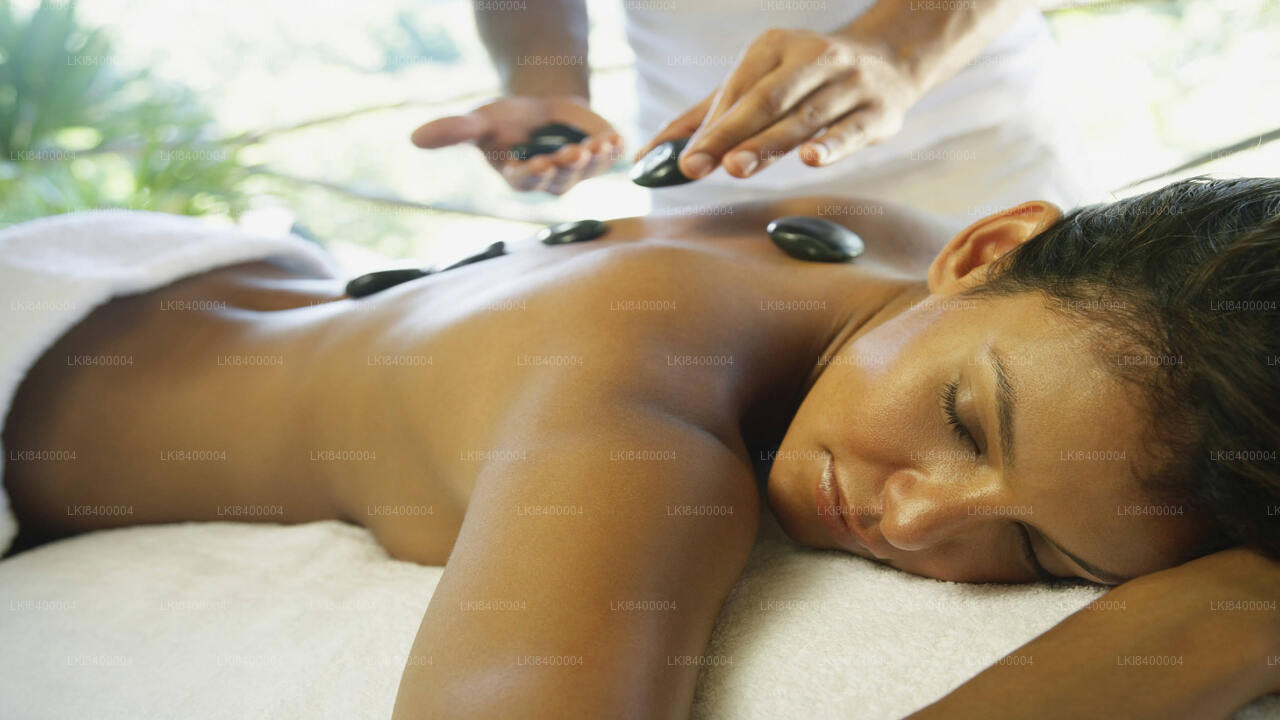
  1. Purva Karma (preparatory therapies): The body is readied for deeper cleansing through oil applications (snehana) and heat therapies (swedana). These techniques loosen accumulated toxins (ama) and move them towards the body's elimination channels.
  2. Pradhana Karma (primary pacification): One or more major purification therapies are administered. These may include Virechana (therapeutic purgation), Vamana (emesis), Basti (medicated enema), or Nasya (nasal administration of medicated oils). The specific method is selected based on the patient's Prakriti and the nature of the imbalance.
  3. Paschath Karma (nourishment and rejuvenation): Once the system has been cleansed, a carefully managed programme of diet, herbal tonics, and restorative therapies rebuilds strength. Rasayana — rejuvenation therapy — belongs to this stage and is among the most sought-after elements in contemporary wellness tourism.

What plants and ingredients are central to Sri Lankan herbal medicine?

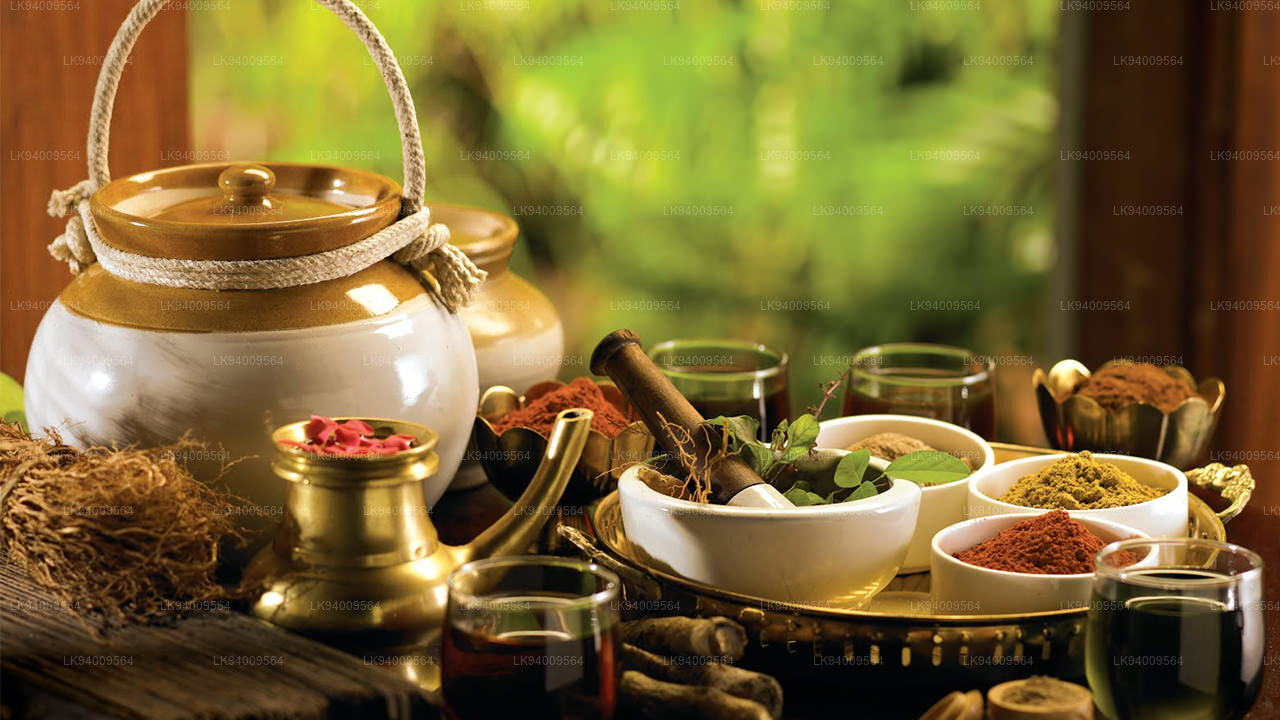
Sri Lanka's biodiversity makes it an extraordinary source of medicinal plants. The island's wet zone forests, highland gardens, and dry-zone scrubland collectively yield hundreds of species used in traditional formulations. Several have gained significant scientific attention in recent decades.

  • Ceylon black pepper (Piper nigrum) — a warming spice used to stimulate digestion and enhance the bioavailability of other herbal compounds. Learn more on our Ceylon black pepper page.
  • Cloves (Syzygium aromaticum) — antimicrobial and analgesic, used in dental preparations, digestive formulas, and respiratory treatments. Read more about Syzygium aromaticum and its uses in Sri Lanka.
  • Coconut (Cocos nucifera) — oil, water, and kernel flesh all feature in traditional therapies, from topical oil treatments to dietary prescriptions. See our page on Cocos nucifera.
  • Acacia chundra — the heartwood of this dry-zone tree yields astringent compounds used in formulations for wound healing and inflammatory conditions. More detail is available on the Acacia chundra page.
  • Pongamia pinnata (karanja) — seed oil from this coastal tree is used in preparations for skin conditions and rheumatic complaints. See our Pongamia pinnata overview.

Compound formulations such as Yogaraja Guggulu, Kaishore Guggulu, and Pushyanuga Churna combine multiple plant ingredients to address specific conditions — joint disorders, inflammatory skin disease, and gynaecological imbalances respectively. These are among the classical polyherbal preparations that remain in active clinical use.

Where can travellers experience traditional medicine in Sri Lanka?

Wellness tourism built around Ayurveda and traditional medicine has grown rapidly over the past two decades. Several distinct types of experience are now available to visitors:

  • Dedicated Ayurvedic resorts: A number of specialist centres — particularly in the hill country and along the southwest coast — offer residential programmes ranging from a few days to several weeks. Programmes typically combine consultation with a resident physician, daily treatments, a prescribed diet, and yoga or meditation sessions.
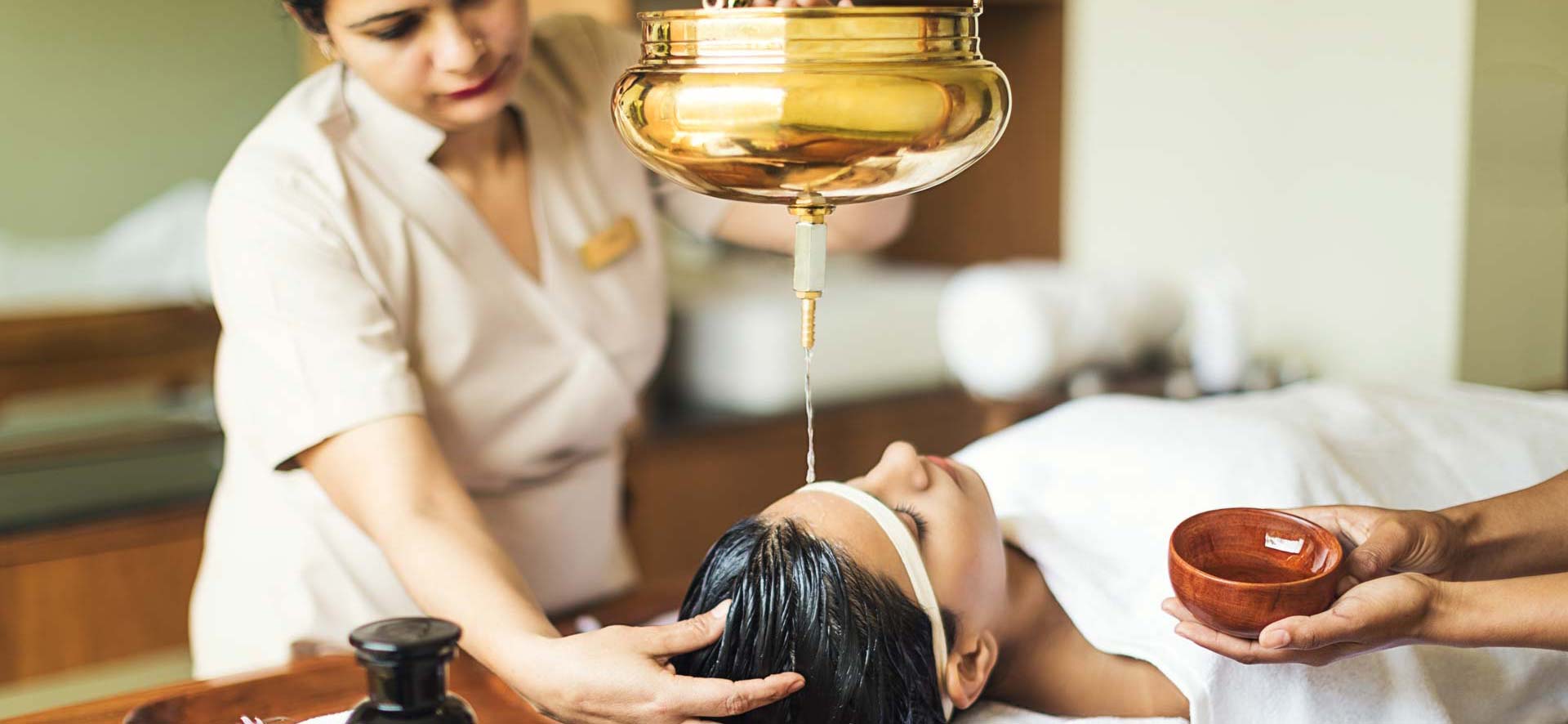
  • Day treatment experiences: Many Colombo and Kandy-area hotels offer day spa treatments rooted in Ayurvedic practice, including Shirodhara (a warm oil stream directed at the forehead), Abhyanga (full-body oil massage), and Pizhichil (medicated oil bath).
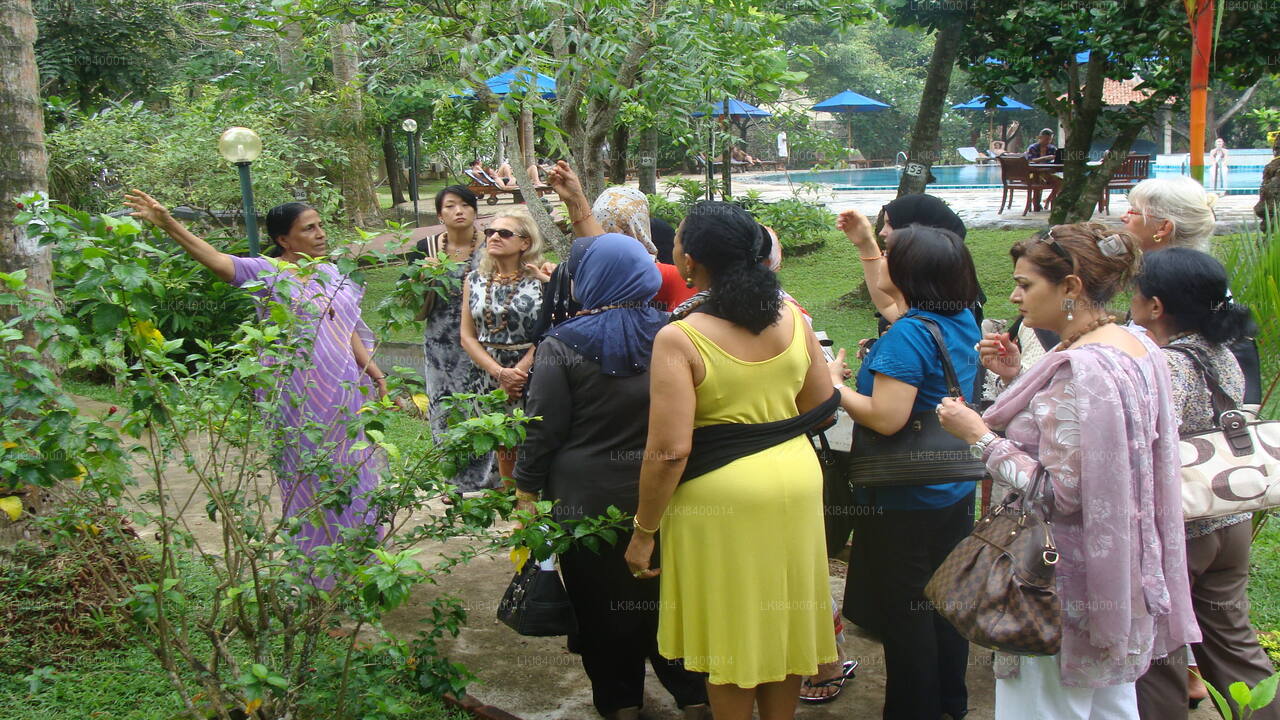
  • Village herb garden visits: In the countryside around Matale and in the Sinharaja buffer zone, community-run herb gardens offer guided walks where local practitioners explain the medicinal use of plants in situ. These visits pair naturally with a broader tour of the Sinharaja Forest Reserve and its extraordinary plant biodiversity.
  • Yoga and wellness retreats: Several operators combine Ayurvedic therapies with structured yoga programmes. Lakpura's Yoga Tours can incorporate visits to traditional medicine centres on request.

How is traditional medicine regulated in Sri Lanka?

Sri Lanka's government formally recognises indigenous medicine through the Ministry of Indigenous Medicine, and practitioners must register with the Sri Lanka Ayurvedic Medical Council. The government-run Ayurvedic Teaching Hospital in Colombo provides both clinical care and professional training. This institutional framework gives visitors a reasonable degree of assurance when choosing a registered practitioner or a resort affiliated with a qualified physician — a useful check before booking any therapeutic programme.

What is the connection between traditional medicine and Sri Lankan daily life?

For a significant portion of the Sri Lankan population, traditional medicine is not a tourist attraction but a routine part of managing health. Herbal decoctions brewed at home, dietary adjustments made according to seasonal and constitutional logic, and consultation with a local veda mahattaya remain common in rural communities. Specific foods — including Ceylon green tea and a range of fermented preparations — straddle the boundary between culinary tradition and therapeutic practice. This continuity gives Sri Lankan traditional medicine a cultural authenticity that is relatively rare in commercially marketed wellness destinations.

Book this experience with Lakpura

Curated by our local team. Direct booking, instant confirmation.

Ask Lakpura® Agent