Lakpura
Lakpura®

Sithaka Tea Estate

Tucked into the hills near Kuruvita in Sri Lanka's Sabaragamuwa province, Sithaka Tea Estate is one of the region's most respected single-origin producers. The estate sits within a landscape shaped by equatorial warmth and consistent rainfall — conditions that drive the slow, steady leaf growth responsible for Sithaka's distinctively sweet, honey-edged character. For tea enthusiasts seeking a genuine low-country Ceylon experience, this estate offers a compelling alternative to the more widely promoted high-grown gardens of Nuwara Eliya or Ella.

What makes Sithaka Tea Estate's tea distinctive?

Sithaka specialises in Orange Pekoe 1 (OP1) grade tea — a whole-leaf classification that sits at the upper end of the orthodox grading scale. OP1 leaves are long, wiry, and largely unbroken, which means the cell structure remains intact during processing. The result in the cup is a light-bodied, bright infusion with a naturally sweet finish and a delicate, floral aroma that avoids the astringency common in broken-grade teas.

The Sabaragamuwa growing region produces what the industry classifies as low-grown Ceylon tea — harvested at elevations generally below 600 metres. Low-grown teas tend to be stronger and more full-bodied than their high-grown counterparts, yet Sithaka's OP1 grade bucks that tendency, leaning toward elegance over intensity. This is partly a function of the estate's specific microclimate and partly a reflection of deliberate processing choices made during manufacture.

Sithaka's teas are sold through local and international retailers, and the estate's single-estate identity is increasingly sought after by buyers who want full traceability — knowing exactly which hillside produced the leaves in their cup. Ceylon Tea as a category commands global respect, and single-estate expressions like Sithaka's represent its most transparent form.

What awards has Sithaka Tea Estate received?

The estate was recognised as second runner-up in the Sabaragamuwa region at the Tea Exporters Association's "Outstanding Tea Producers" event — a credible industry benchmark that evaluates quality, consistency, and production standards across Sri Lanka's estates. For a relatively young estate, established in 1991, that level of recognition signals a serious commitment to craft rather than volume.

Awards of this kind matter in the Ceylon tea trade because buyers — particularly those sourcing for specialty retail or premium blending — use them as a proxy for quality assurance. Sithaka's placement in the Sabaragamuwa category puts it in company with estates that have decades more history.

How does Sithaka approach sustainable production?

The estate operates with an awareness of both environmental responsibility and social ethics — areas that have become central to how premium Ceylon tea is marketed internationally. Sustainable practices in Sri Lankan tea production typically encompass water management, waste reduction during the withering and rolling stages, fair treatment of estate workers, and careful use of agrochemicals.

While Sithaka does not yet carry widely publicised third-party certifications (such as Rainforest Alliance or Fairtrade), its operational ethos aligns with the direction the Sri Lankan industry is moving under pressure from European and North American buyers who increasingly require evidence of responsible sourcing.

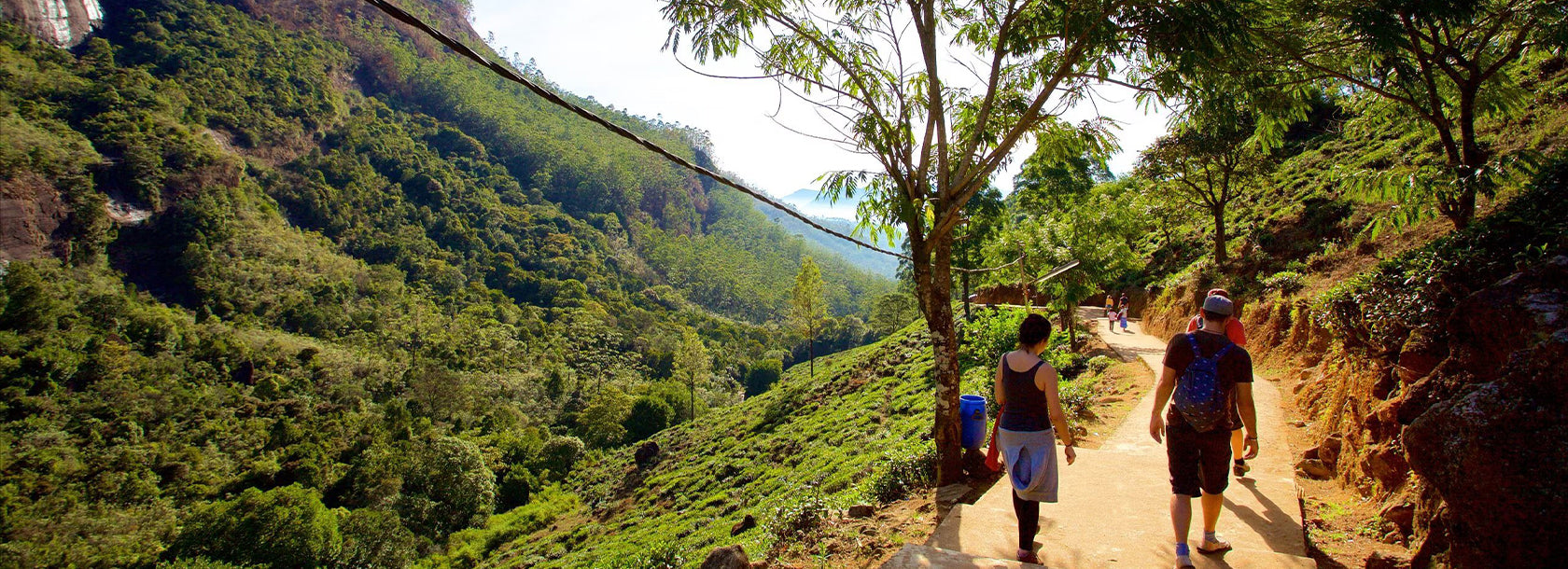
The surrounding Sabaragamuwa landscape is ecologically rich — the Sinharaja Forest Reserve, Sri Lanka's last viable tract of primary lowland rainforest and a UNESCO World Heritage Site, lies within the same general province. Estates in this zone operate with an implicit responsibility to the wider ecosystem, and Sithaka's emphasis on sustainable practices reflects that context.

Where is Sithaka Tea Estate and how do I get there?

The estate is located near Kuruvita, a small town in the Ratnapura District of Sabaragamuwa Province. Ratnapura — Sri Lanka's gem-trading capital — lies roughly 100 kilometres southeast of Colombo by road and is reachable in around two to three hours depending on traffic. Kuruvita sits a short distance beyond Ratnapura on the road toward the hill country.

Public transport options include buses from Colombo's Bastian Mawatha terminal toward Ratnapura, with onward connections to Kuruvita. For a more comfortable journey with flexibility to stop along the way, a private car or taxi is the practical choice — the road passes through rubber plantations, spice gardens, and the fringes of forested hills, making it a worthwhile drive in its own right.

What can visitors expect at the estate?

Sithaka is a working production estate rather than a purpose-built tourist attraction, so visits are best arranged in advance. A typical estate visit covers the key stages of orthodox tea manufacture:

  • Withering — freshly plucked leaves are spread on troughs where controlled airflow reduces moisture content over 12–18 hours.
  • Rolling — the withered leaf is twisted and broken to initiate oxidation and develop the leaf's chemical character.
  • Oxidation (fermentation) — rolled leaf is spread in a cool, humid environment until it reaches the desired colour and aroma profile.
  • Drying (firing) — the oxidised leaf passes through hot-air dryers to halt further chemical change and fix the final flavour.
  • Grading and sorting — finished tea is sieved and sorted into size grades, with OP1 representing the longest, most intact pieces.

Understanding these stages in a real factory — rather than through a diagram — gives tea considerably more meaning the next time you brew a cup. Many visitors also find the aroma of a working tea factory — warm, slightly toasty, with a green, grassy undertone during oxidation — to be unexpectedly evocative.

What other experiences pair well with a visit to Sithaka?

The Kuruvita and Ratnapura area offers more than tea. The Ratnapura Gem Museum introduces visitors to the sapphire and ruby trade for which the district is internationally known. The river systems of Sabaragamuwa feed into lowland wetlands that support diverse birdlife. And for those extending their journey further south, the Sinharaja Forest Reserve offers guided rainforest walks through one of Asia's most biodiverse ecosystems.

Combining a tea estate visit with a broader Sabaragamuwa or hill-country itinerary is straightforward. The route between Colombo and the Ratnapura area can also include a stop at the Makandawa Rainforest near Kithulgala, which sits along the main highway and provides an accessible introduction to Sri Lanka's lowland forest environment.

For those interested in exploring the full spectrum of what Ceylon's single-estate teas offer, the Bluefield Tea Gardens near Nuwara Eliya provides a high-grown counterpoint to the low-country character of Sithaka — an instructive comparison for anyone serious about understanding regional tea variation.

Book this experience with Lakpura

Curated by our local team. Direct booking, instant confirmation.

Ask Lakpura® Agent