Lakpura
Lakpura®

Rangiri Dambulla International Stadium (Dambulla)

The Rangiri Dambulla International Stadium occupies a distinctive place in Sri Lankan cricket: a ground carved from dry-zone scrubland in under six months, leased from a temple, and eventually trusted with some of the sport's most important regional tournaments. Sitting in the North Central Province near the ancient town of Dambulla, the stadium offers an atmospheric setting where the Dambulla Tank reservoir and the dramatic silhouette of Dambulla Rock form a natural backdrop beyond the boundary rope.

What is the history of the Rangiri Dambulla Stadium?

The stadium was conceived as a dedicated venue for one-day cricket, capable of hosting matches throughout the year regardless of weather patterns affecting grounds in the south and west. Construction was funded by the Board of Control for Cricket in Sri Lanka (BCCSL) and championed by its then-president, Thilanga Sumathipala. The build was completed in a remarkable 167 days, and the ground officially opened in 2000.

The inaugural One Day International (ODI) was played between Sri Lanka and England in March 2001. After that opening fixture the ground fell largely idle due to complications involving the lease agreement with the Rangiri Dambulla Temple and ongoing contractor disputes. International cricket did not return until May 2003, when the venue stepped in to host all seven matches of that year's limited-overs tournament after persistent monsoon rains made play impossible at grounds further south. Floodlights were installed the same year, extending the ground's usefulness into the evening.

The stadium rose to wider prominence when it hosted all matches of the Asia Cup 2010, a decision driven by the extensive renovation work being carried out at other Sri Lankan venues ahead of the 2011 ICC Cricket World Cup. Between 2013 and late 2016 the ground reverted to hosting only day matches before resuming its fuller programme.

Where exactly is the stadium located?

The ground sits on roughly 60 acres of land leased from the Rangiri Dambulla Temple in the heart of Sri Lanka's dry zone. The North Central Province location gives it a climate quite different from the wetter coastal and highland venues: lower annual rainfall, high temperatures through much of the year, and minimal disruption from the south-west monsoon that regularly curtails play in Colombo and Galle.

Dambulla itself is a well-connected town on the A9 highway, roughly midway between Colombo and Trincomalee, and within easy reach of the Cultural Triangle's major sites. Visitors combining a match day with broader sightseeing can pair the stadium with a visit to the nearby Sigiriya rock fortress, which lies around 20 km to the north-east.

What makes the pitch unique?

The playing surface at Dambulla has earned a reputation among players and analysts for offering something to virtually every type of bowler. In the morning session the pitch behaves like a seamer's ally: a high water table beneath the dry-zone soil keeps the surface moist at the start of play, giving the ball consistent movement off the surface. As the day progresses and the equatorial sun bakes the top layer, the surface tends to crumble, producing variable bounce and turn that rewards patient finger spinners. The result is a pitch that rarely produces a flat, featureless game.

What is the stadium's capacity and infrastructure?

The ground can accommodate a substantial crowd for international fixtures, with covered stands arranged around most of the playing surface. The floodlight installation completed in 2003 made it one of the earlier day-night venues outside the main urban centres. The 60-acre footprint gives the facility space for practice pitches and support infrastructure that most comparable grounds of the era lacked.

  • Location: Dambulla, North Central Province
  • Land area: approximately 60 acres
  • Opened: 2000
  • First ODI: Sri Lanka vs England, March 2001
  • Floodlights installed: 2003
  • Notable tournament: Asia Cup 2010 (all matches)
  • Pitch character: seam-friendly mornings, spin-friendly afternoons

How do I get to Rangiri Dambulla Stadium from Colombo?

Dambulla is around 148 km north of Colombo, typically a three-to-four-hour journey by road depending on traffic and the route taken. The A6 highway via Kurunegala or the A9 via Kandy are the two main options; both are sealed roads with reasonable facilities along the way. Private transfers are the most comfortable choice, particularly on match days when public transport becomes congested. Inter-city coaches from the Colombo Central Bus Stand serve Dambulla regularly, and the journey by rail is possible via Habarana with a connecting road leg.

What else can I see near the stadium?

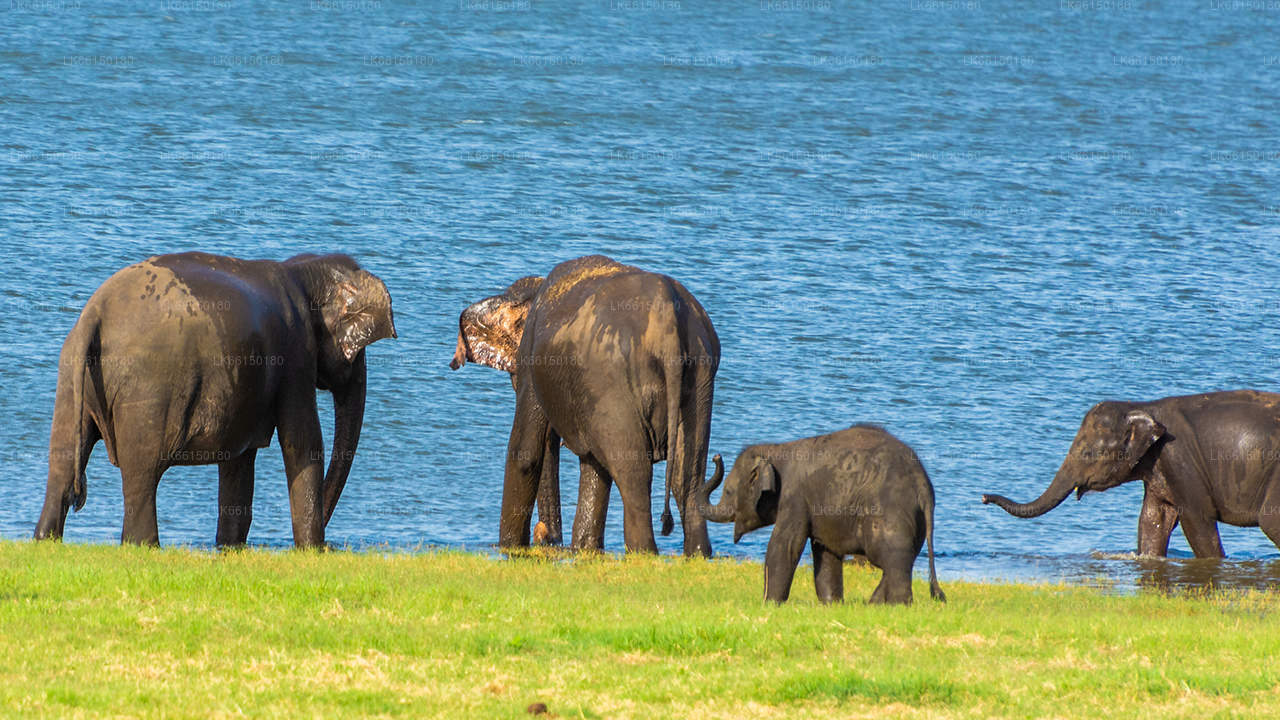
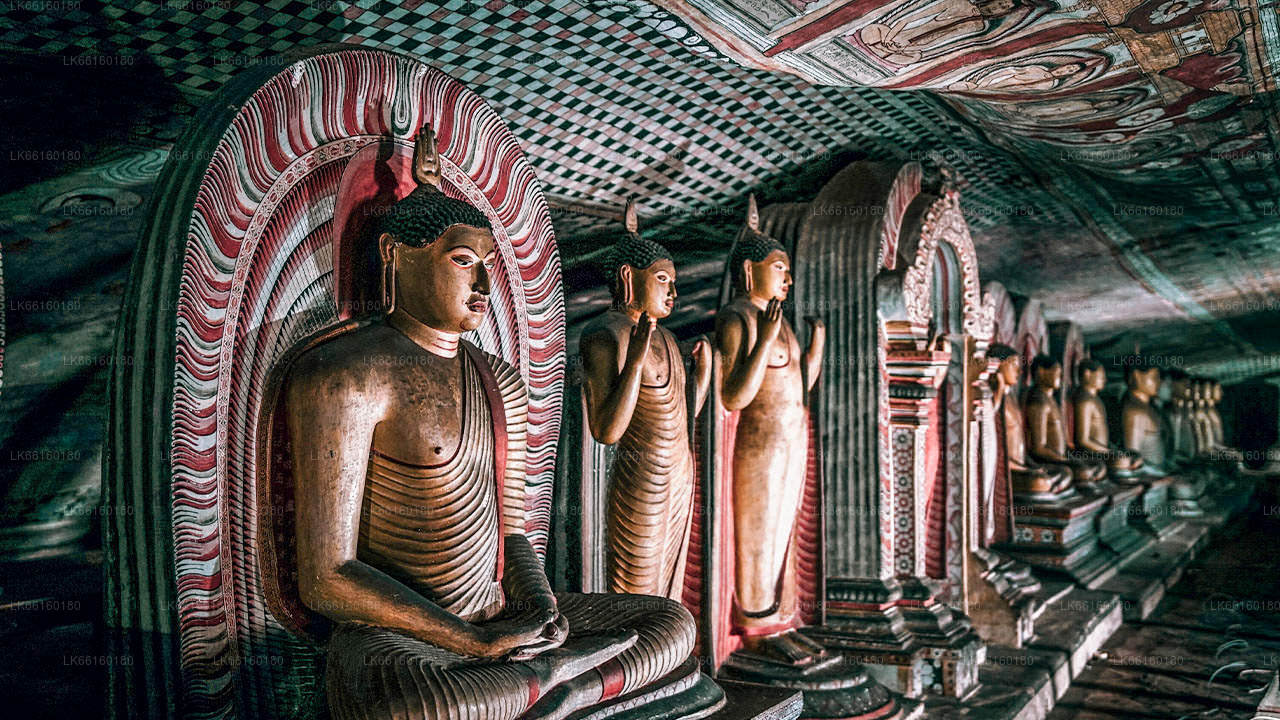
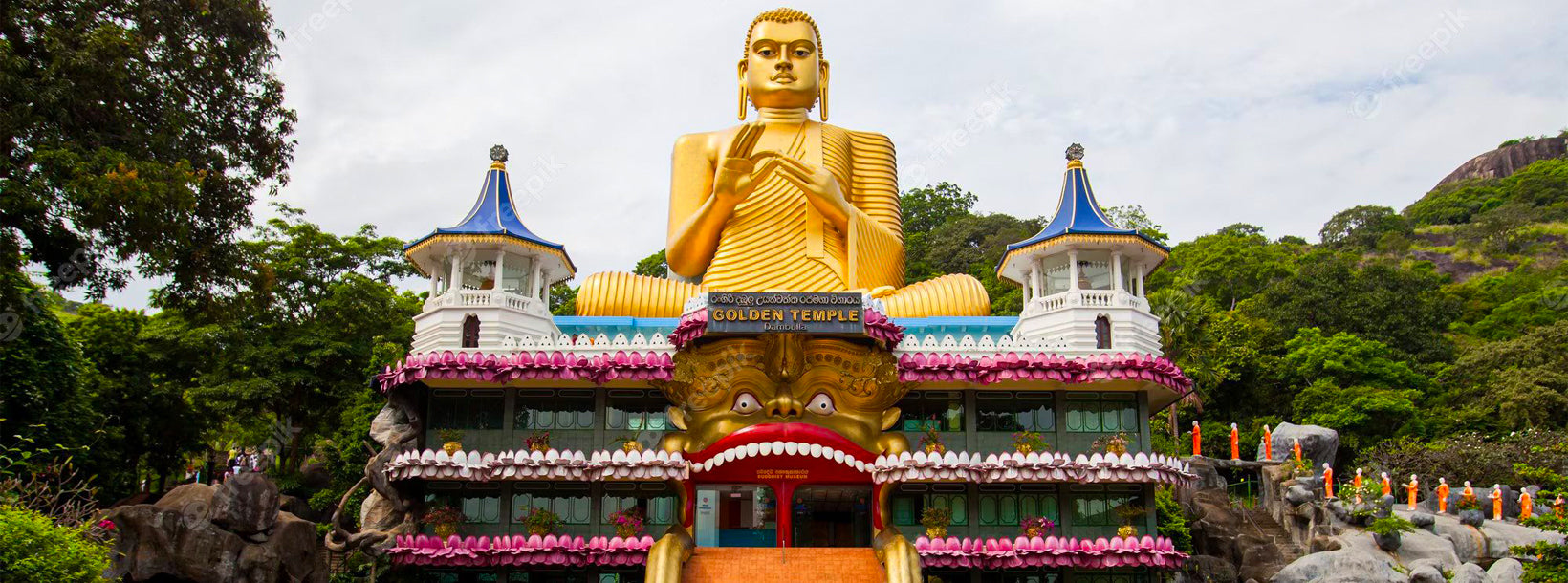
Dambulla's position in the Cultural Triangle means there is no shortage of significant sites within an hour's drive. The Dambulla Cave Temple — a UNESCO World Heritage Site housing five cave sanctuaries with over 150 Buddha statues — is the most visited attraction in the area and sits only a few kilometres from the ground. The ancient city of Polonnaruwa, one of Sri Lanka's medieval royal capitals, is roughly 65 km to the east. The Dambulu Oya River flows through the surrounding countryside, and the tank (reservoir) visible from the stadium boundary is itself a landmark of Sri Lanka's ancient irrigation heritage. For those who enjoy wildlife, Minneriya and Kaudulla national parks — famed for their large elephant gatherings — are within comfortable driving distance.

When is the best time to visit Dambulla for cricket or sightseeing?

The dry zone climate means Dambulla receives most of its rainfall between October and January through the north-east monsoon. The months from May to September are generally the driest and most reliable for outdoor events, which partly explains the ground's value during the 2003 tournament when southern venues were rain-affected. For sightseeing, the cooler mornings between December and April offer the most comfortable conditions for exploring the rock temples and surrounding landscape. Match schedules, of course, dictate their own calendar — checking Sri Lanka Cricket's official fixture list before planning travel is always advisable.

Is there accommodation near the stadium?

Dambulla has a growing range of accommodation, from comfortable mid-range hotels to boutique properties set among the surrounding scrub and paddy. Several resorts are positioned to offer easy access both to the stadium and to nearby heritage sites, making it practical to combine a match with a two-or-three-night cultural itinerary. Lakpura works with a number of properties in and around Dambulla; see the options linked below for curated choices that suit different travel styles and budgets.

Book this experience with Lakpura

Curated by our local team. Direct booking, instant confirmation.

Ask Lakpura® Agent