Kiri Vehera Stupa

OOOOOOO OOOOOOO OOOOOOO

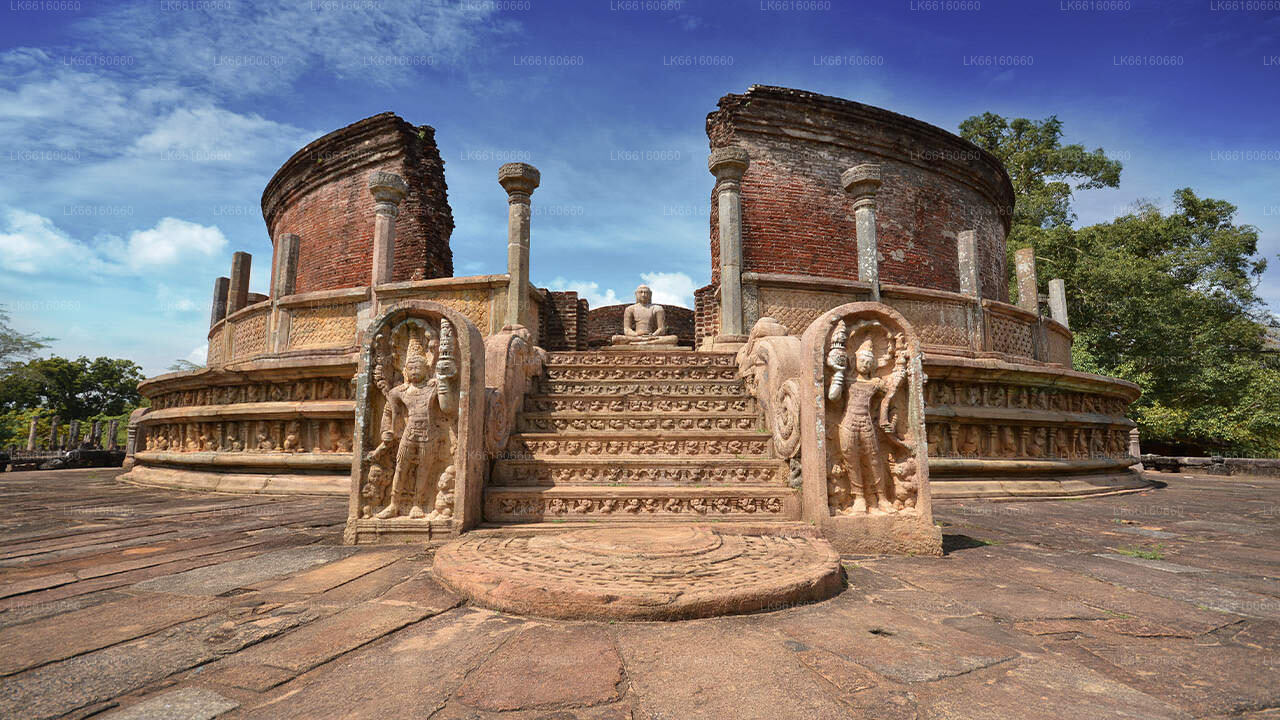
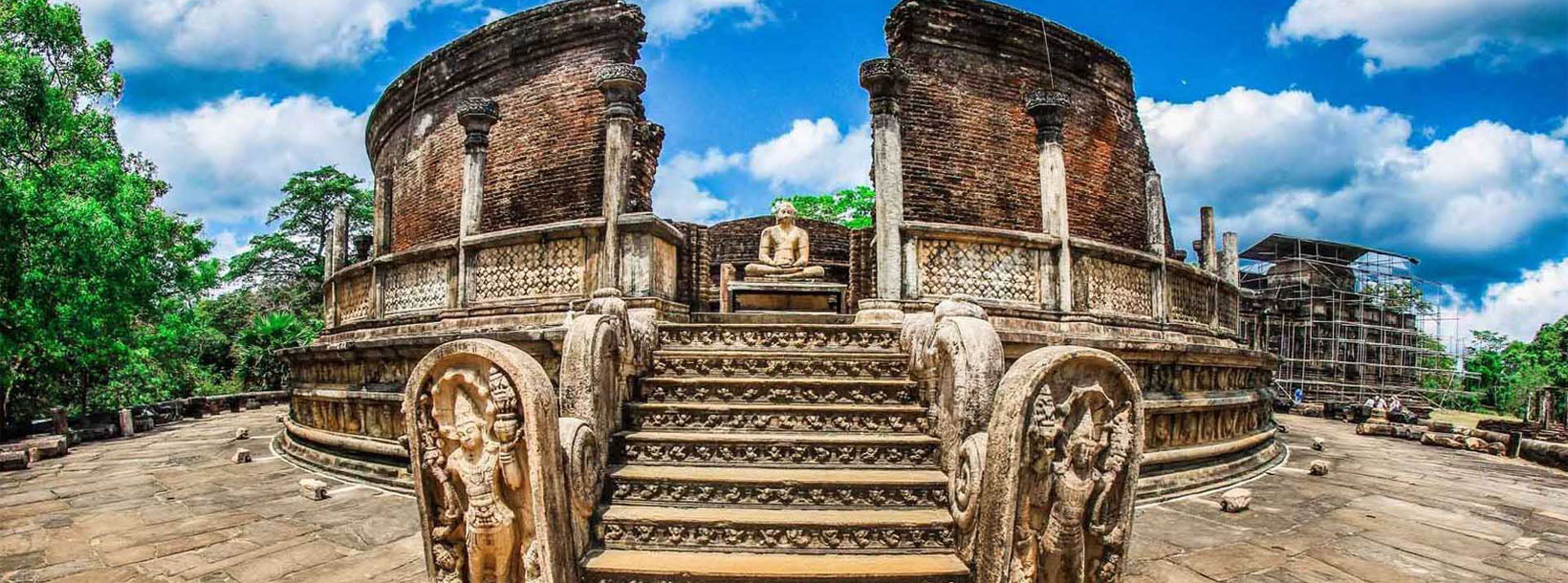
Kiri Vehera Stupa is an ancient Buddhist monument located in the historical city of Polonnaruwa, Sri Lanka. This sacred stupa, built during the reign of King Parakramabahu I in the 12th century, is one of the most important and well-preserved religious sites in the area. The name "Kiri Vehera" translates to "Milk Stupa," reflecting its pristine white appearance and its significance in Sri Lanka’s Buddhist heritage.

The stupa is renowned for its large, dome-shaped structure, which is surrounded by beautifully carved stone pillars and ancient ruins. It is believed to house relics of the Buddha, making it a major pilgrimage site for Buddhists. The surrounding environment, with its lush greenery and tranquil atmosphere, adds to the spiritual significance of the site, offering visitors a place of peace and reflection.

Visitors to Kiri Vehera Stupa can explore the site’s archaeological remnants, including stone inscriptions, smaller shrines, and ancient monastic complexes. The stupa’s serene setting amidst the cultural triangle of Sri Lanka makes it a popular destination for tourists and pilgrims alike, offering a glimpse into the island’s rich Buddhist history.

The best time to visit Kiri Vehera Stupa is during the dry season, from December to April, when the weather is ideal for sightseeing and exploring the ruins of Polonnaruwa. The site is easily accessible from the city, providing a meaningful experience for those interested in Sri Lanka’s ancient Buddhist architecture and history.

OOOOOOO OOOOOOO OOOOOOO

About Polonnaruwa District

Polonnaruwa is the 2nd largest city in north central province in Sri Lanka. The ancient city of Polonnaruwa has been declared a World Heritage site by UNESCO Polonnaruwa has a great history of conquest and struggle behind it and rightfully forms the third element in the Cultural Triangle. Located about 140 kms north east from Kandy,Polonnaruwa offers hours of endless pleasure for history and culture lovers, as there are numerous sights of significance.

Much of the physical ruins standing today are credited to King Parakrama Bahu I who spent many royal resources on town planning, including parks, edifices, irrigation systems and so on. The period of his rule is considered a golden age where the kingdom thrived and prospered under a visionary ruler. The Parakrama Samudra is a mammoth tank and named after its patron. The popular kings Royal Palace, the Audience Hall encircled by beautifully carved stone elephants and the Bathing Pool reflect the superior engineering capabilities of the time.

About North Central Province

North Central Province which is the largest province in the country covered 16% of total country's land area. North Central Province consist two districts called Polonnaruwa and Anuradhapure. Anuradhapura is the largest district in Sri Lanka. Its area is 7,128 km².

North Central Province has numerous potentials for Investors to start their Businesses, especially Agriculture, agro based industries and Livestock sectors. More than 65% of North Central Province's people depend on basic Agriculture and agro base industries. NCP also called "Wew Bendi Rajje" because there are more than 3,000 medium and large scale tanks situated in the province. Sri maha bodiya, Ruwanweli seya, Thuparama dageba, Abayagiri Monastry, Polonnaruwa Rankot wehera, Lankathilake are scared