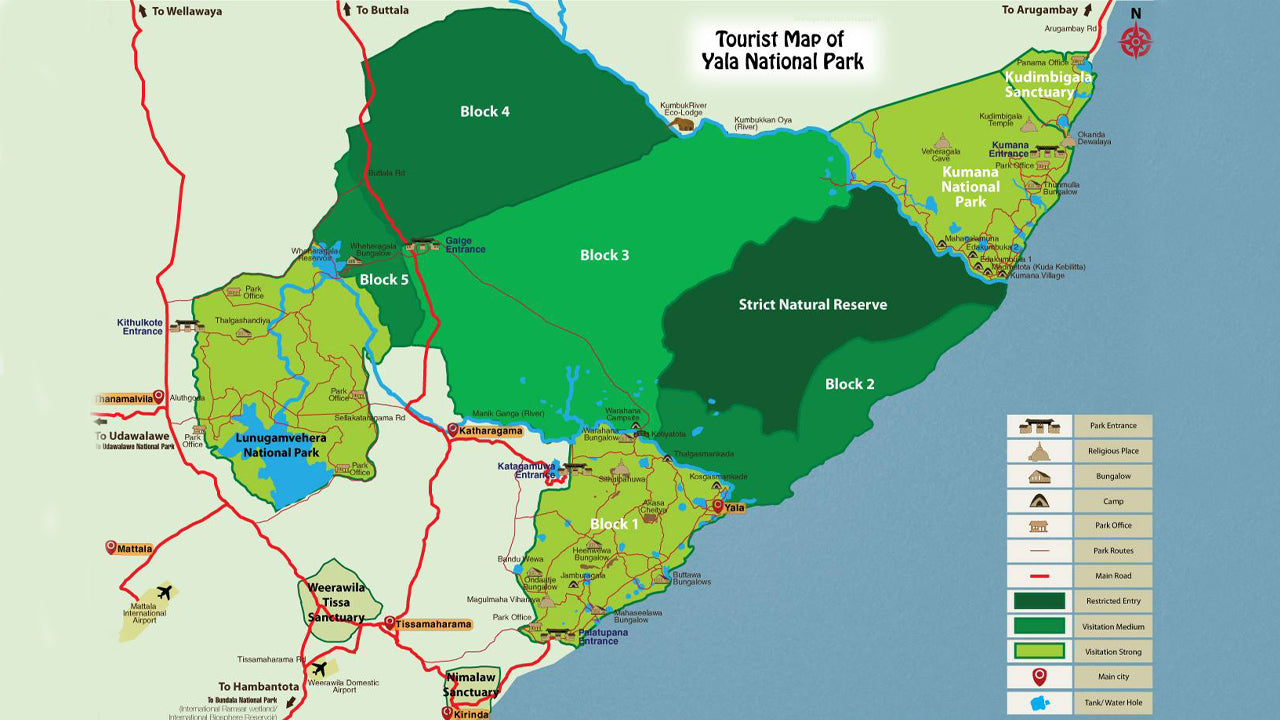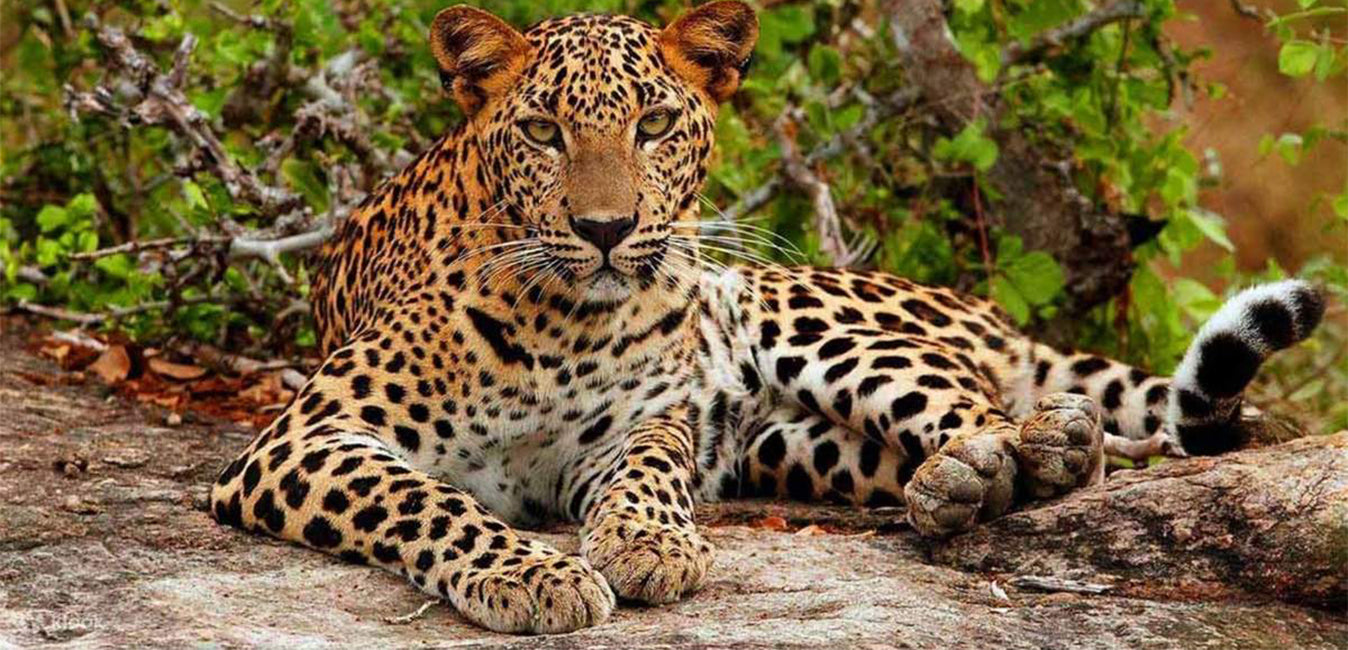
Most visitors enter Yala National Park through the well-known Palatupana gate, yet a growing number of experienced safari-goers choose the Katagamuwa entrance instead. Located on the Kataragama–Situlpawwa Road, this alternative access point places you closer to some of the park's most productive leopard habitat while bypassing the congestion that can build up on the main route during peak season.
Why choose the Katagamuwa entrance over Palatupana?
The primary draw is proximity to Talgasmankada and Meda Para — two areas within Yala's Block I that consistently produce good leopard activity. Entering from Katagamuwa, you reach these zones more quickly than vehicles coming from Palatupana, which means less time in transit and more time watching wildlife.
Traffic management is the second reason seasoned visitors prefer this gate. The heavy concentration of safari jeeps that can gather near the Palatupana entrance tends to thin out considerably by the time it reaches the core leopard territory. Entering from Katagamuwa, you often avoid that early rush entirely, giving the experience a noticeably calmer feel.
Evening safaris benefit most from this arrangement. Because the gate sits closer to the prime viewing areas, guides can keep guests in the field later in the afternoon — the golden hour when leopards are most likely to be moving — without the long drive back eating into that window.
What wildlife can you expect to see at Katagamuwa?
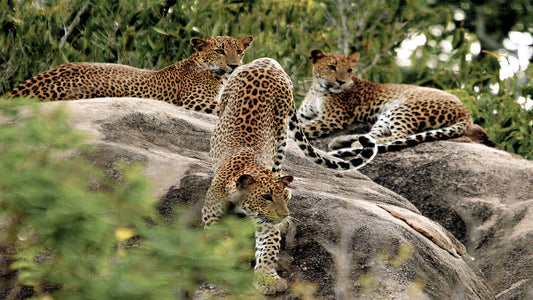
Yala National Park has one of the highest densities of leopards of any protected area in the world, and the terrain accessible from Katagamuwa sits within this core range. Sightings are never guaranteed, but the combination of rocky outcrops, dry-zone scrub forest, and open grassland creates ideal leopard country.
Beyond the headline species, the zone around Talgasmankada supports healthy populations of Sri Lanka elephant, sloth bear, spotted deer, sambar, wild boar, and water buffalo. Reptile enthusiasts will find marsh crocodiles at several waterholes, and birdlife is exceptional — from painted storks and lesser adjutants to crested serpent eagles. The crocodile watching opportunities alone make the wetland sections worth exploring slowly.
How do I get to the Katagamuwa entrance?
The gate is reached via the Kataragama–Situlpawwa Road. Most visitors travelling from Colombo or the south coast pass through Tissamaharama before continuing on to Kataragama and then following signage toward Situlpawwa. The Forest Department office for the Katagamuwa zone is located along this same road and handles permit processing for vehicles using this entrance.
| Detail | Information |
|---|---|
| Gate address | Kataragama–Situlpawwa Road, Sri Lanka |
| Forest Department office | Katagamuwa (Corporate Office), Situlpawwa Road, Kataragama |
| Nearest town | Kataragama (approx. 10–15 km) |
| Park zone served | Yala Block I (Talgasmankada, Meda Para) |
When is the best time to visit Katagamuwa for leopard sightings?
The dry season — broadly February through July — concentrates animals around permanent waterholes, making sightings more predictable. Leopards, in particular, are more visible when the undergrowth is sparse and animals converge on limited water sources. Early morning and late afternoon drives consistently outperform midday sessions for large-mammal activity.
The park typically closes during the annual rest period, usually in September, when a section of Block I is rested to allow vegetation recovery. Confirm current opening dates with the Department of Wildlife Conservation or your safari operator before booking travel around that window.
How does Katagamuwa compare to other Yala entrances?
Yala has multiple blocks and access points. The Palatupana entrance is the most commercially developed and is the default gate for the majority of jeep operators based in Tissamaharama. Katagamuwa offers a more direct route into Block I's interior without passing through the staging area at Palatupana, which becomes crowded during peak season mornings.
Visitors with a particular interest in bear sightings or birdwatching may also consider exploring Block II and Block V on separate excursions, though these require different permits and logistics. For pure leopard-focused safaris, Katagamuwa is widely regarded by professional naturalists as the smarter starting point.
Are there accommodation options near the Katagamuwa entrance?
A small number of properties and safari bungalows are situated along the Kataragama–Situlpawwa corridor, offering guests direct access to the Katagamuwa gate without the pre-dawn drive from Tissamaharama. Staying in this area allows for both early morning and late evening safaris — a meaningful advantage when leopard activity peaks at the edges of the day.
For visitors combining Yala with other southern Sri Lanka wildlife experiences, the Elephant Transit Home in Udawalawe is around two hours away and makes a logical addition to a multi-day southern itinerary.
What should I know before my Katagamuwa safari?
- All safari vehicles entering Yala must be accompanied by a licensed tracker in addition to the driver. Arrange this in advance through your operator.
- Entry permits are issued at the gate but quotas on vehicle numbers can apply during peak periods — booking ahead is advisable.
- The track surfaces inside the park are unpaved and can be rough; a 4WD vehicle is standard for all Yala safaris.
- Photography is best in soft early-morning and late-afternoon light. Bring a long lens — 300mm or above — for wildlife detail at a safe distance.
- Plastic bags are not permitted inside the park. Carry reusable containers for water and snacks.
- Mobile signal is limited or absent within the park interior; download offline maps if you need navigation guidance to the gate.