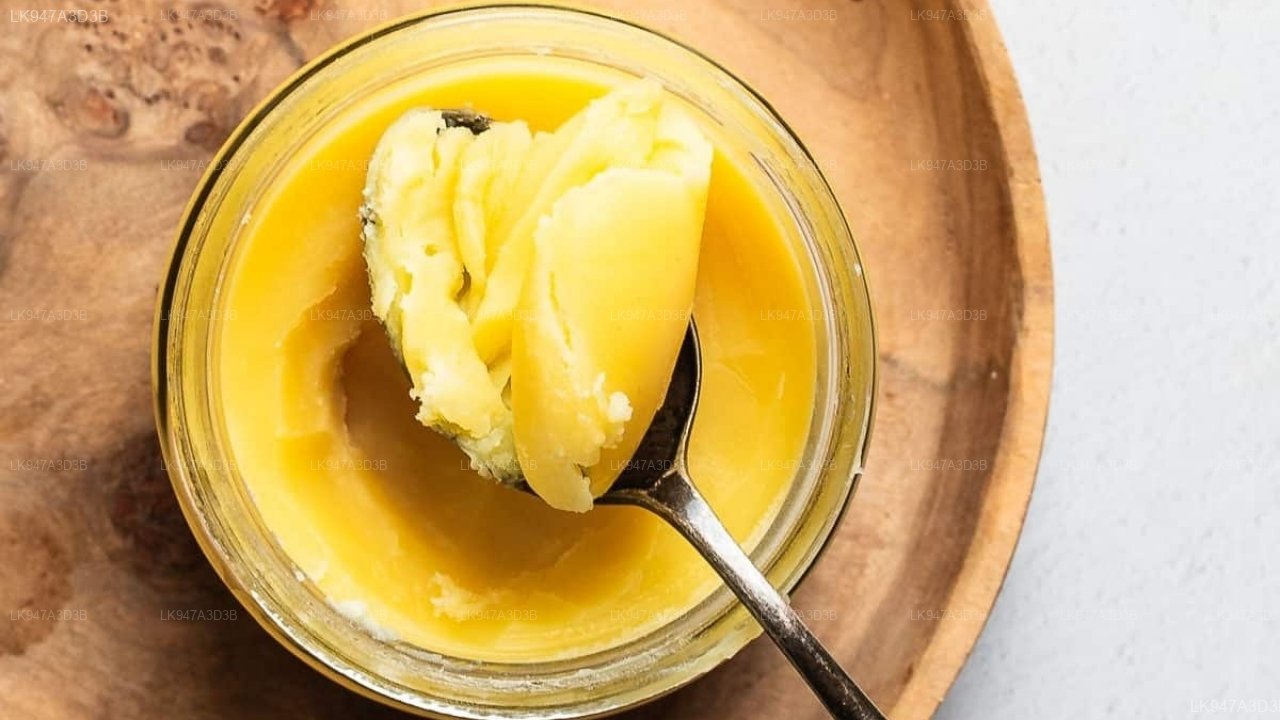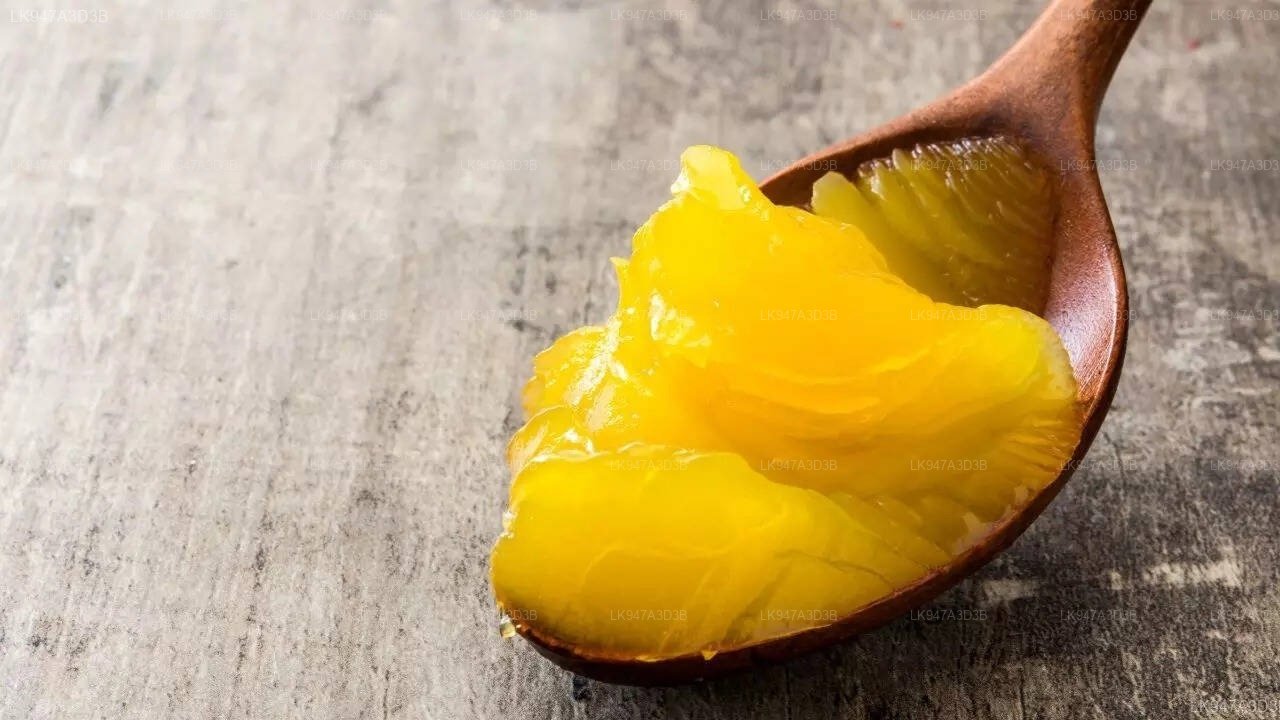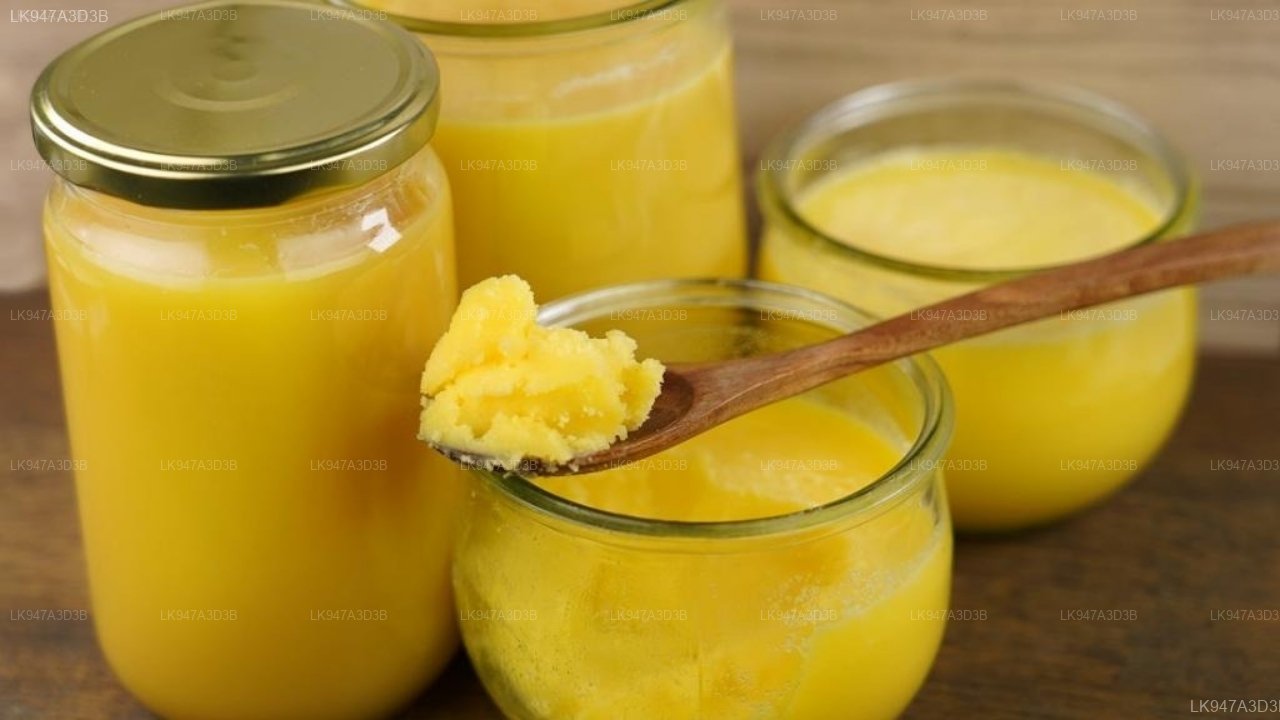
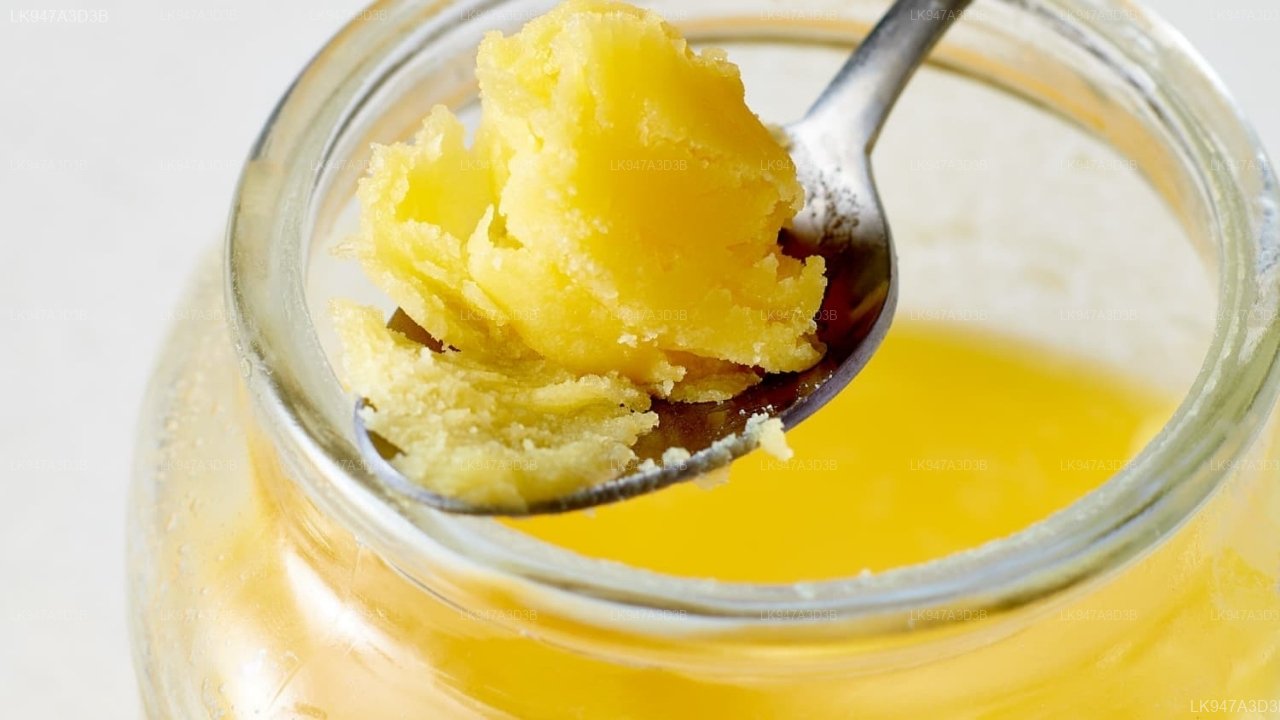
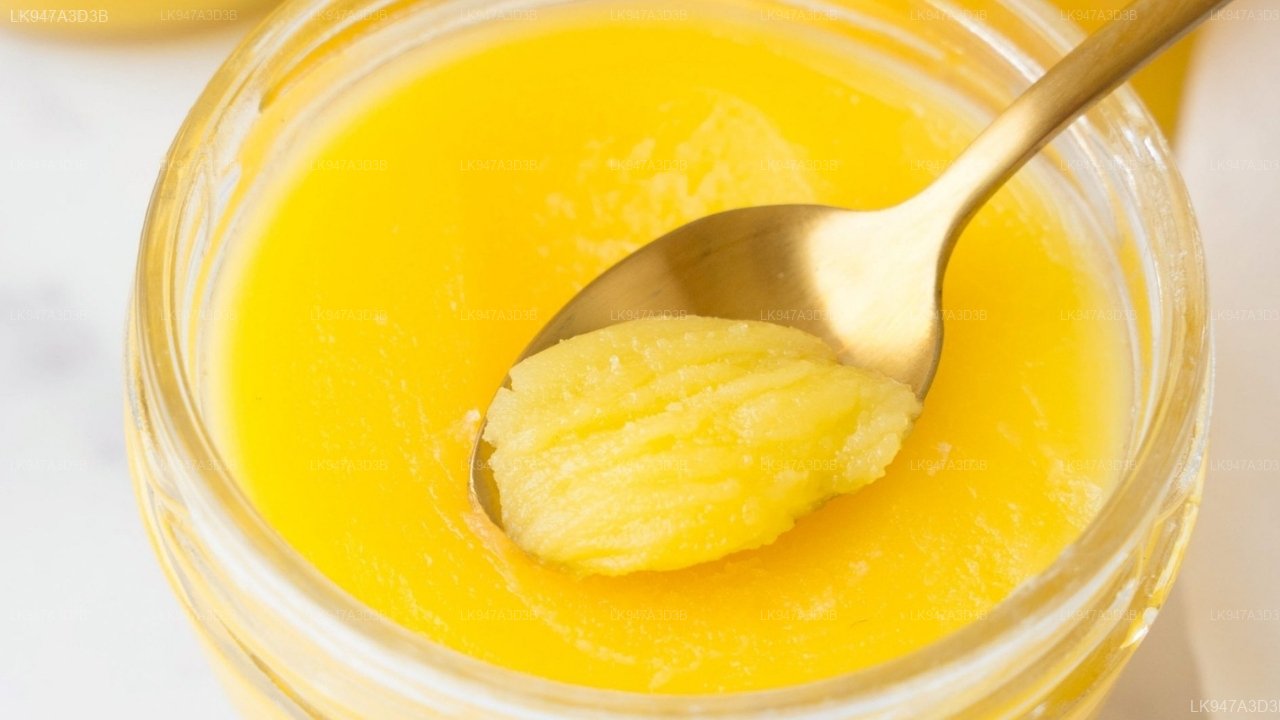
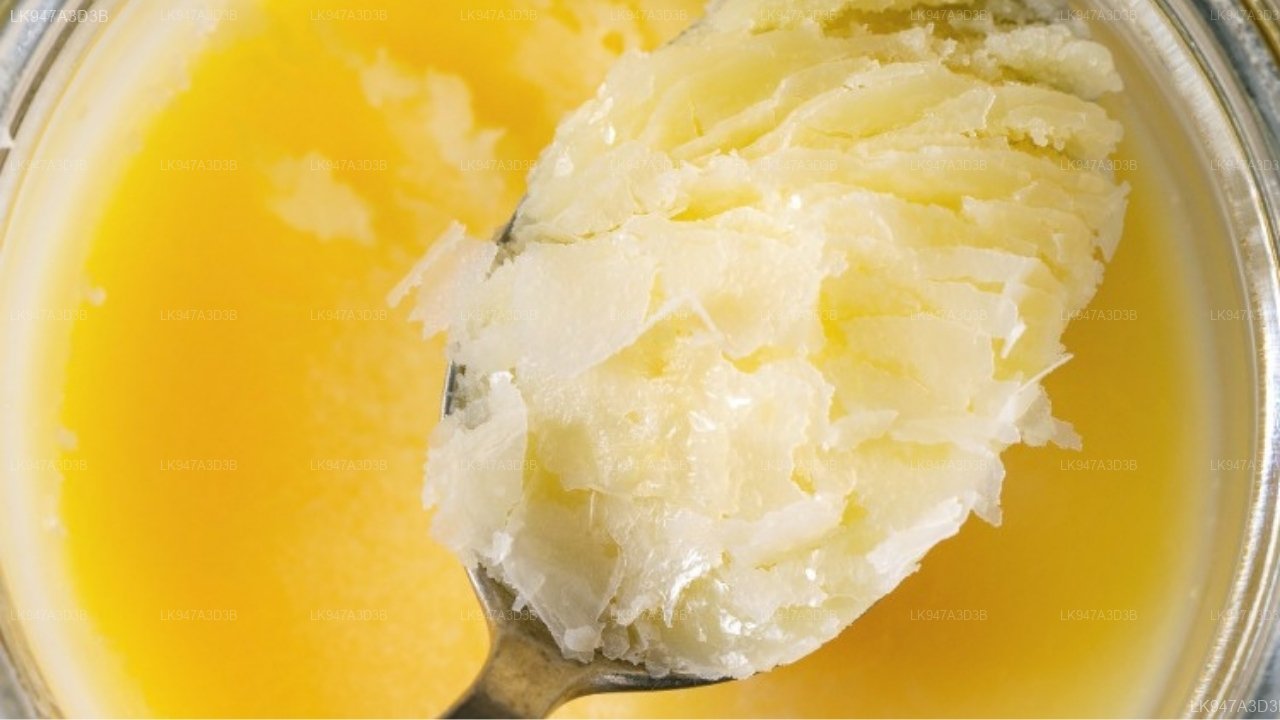
Ghee — clarified butter made by slowly simmering unsalted butter until water evaporates and milk solids separate — has been woven into Sri Lankan life for centuries. It shows up in the kitchen, the apothecary, and the temple in equal measure, giving it a cultural weight that ordinary cooking fats rarely carry. Understanding ghee means understanding something fundamental about how Sri Lankans relate to food, health, and the sacred.
What makes Sri Lankan ghee different from ordinary butter?
The clarification process removes nearly all water and milk solids, leaving behind almost pure butterfat. This produces a golden, shelf-stable fat with a distinctly nutty, slightly caramel aroma that deepens as it ages. Because the milk proteins are gone, ghee has a considerably higher smoke point than whole butter, making it stable at the high temperatures needed for tempering spices or frying.
In Sri Lanka, ghee is produced from both cow and buffalo milk. Buffalo-milk ghee is richer and more intensely flavoured, and it is traditionally the more prized variety in rural households. The slow, low-heat clarification process used in home kitchens — often over a wood fire — develops a roasted complexity that commercially produced ghee rarely matches.
How is ghee used in Sri Lankan cooking?
Ghee serves multiple functions across Sri Lankan cuisine. At its simplest, a spoonful stirred into a bowl of plain rice transforms an everyday meal. More elaborately, it is the preferred fat for tempering mustard seeds, curry leaves, and dried chillies at the start of a curry — a technique that releases fat-soluble flavour compounds in a way that coconut oil handles differently.
- Rice dishes: Ghee rice (tel bath) is cooked by toasting raw rice in ghee before adding stock, producing separate, aromatic grains often served at celebrations.
- Traditional sweets: Kavum, halape, and certain types of milk toffee incorporate ghee for richness and to prevent sticking during cooking.
- Festive dishes: During the Sinhala and Tamil New Year and other major ceremonies, ghee-enriched dishes signal abundance and hospitality.
- Coconut-based preparations: Ghee is sometimes combined with coconut preparations — particularly in sweets — to balance the sweetness of fresh coconut.
- Spiced and herb-infused variants: Artisanal producers steep herbs or spices such as Ceylon black pepper directly in warm ghee, creating finishing oils used both in cooking and Ayurvedic applications.
What role does ghee play in Sri Lankan Ayurveda?
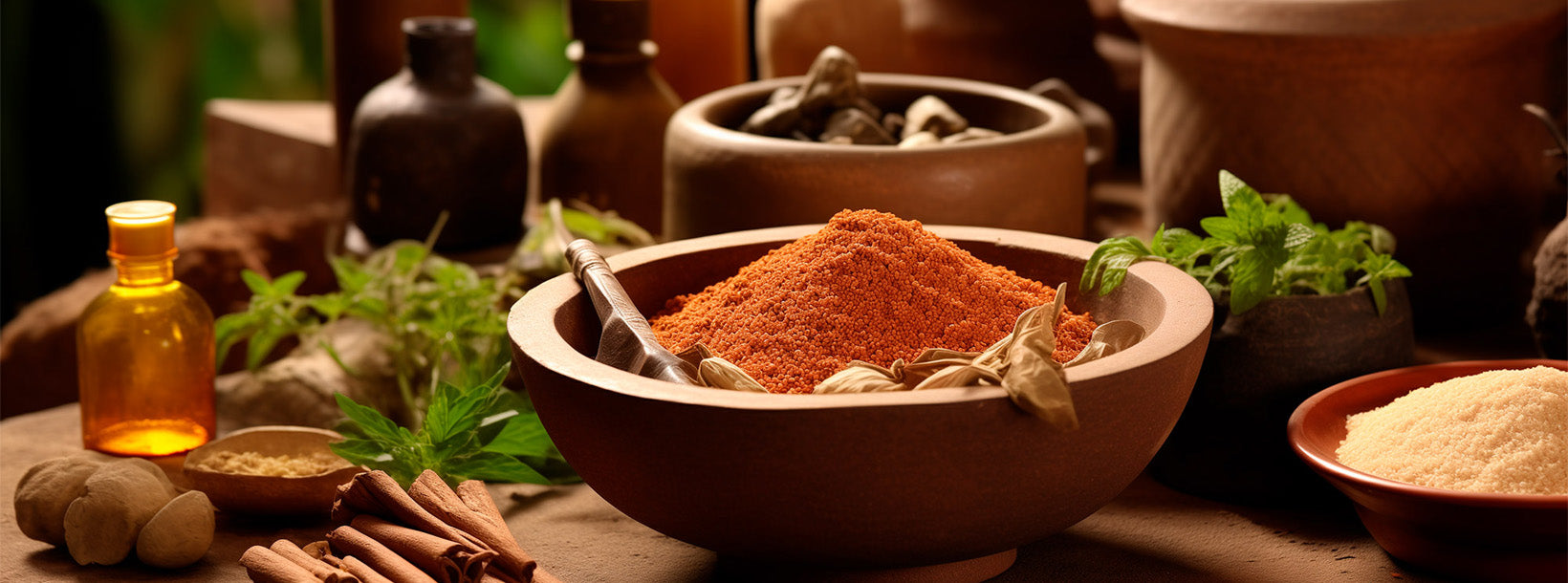
In Ayurvedic tradition, ghee is classified as a sneha — an unctuous substance used to carry medicinal compounds deeper into body tissues. Sri Lankan Ayurvedic practitioners have relied on ghee-based preparations for centuries, and this practice continues in licensed Ayurvedic hospitals and rural clinics today.
Classic Ayurvedic texts attribute several properties to ghee: supporting digestive function, nourishing the nervous system, improving memory and cognition, and acting as a vehicle that enhances the bioavailability of other herbs. These claims are deeply embedded in traditional Sri Lankan medical culture, though modern clinical evidence remains mixed and ongoing research continues to explore the mechanisms.
Medicated ghees — known as ghrita in Sanskrit — are prepared by cooking specific herbal decoctions with ghee until all water evaporates. The resulting preparation concentrates the active compounds in a fat-soluble form. Well-known Sri Lankan Ayurvedic brands produce standardised ghee oils intended for external application as well as internal use, with formulations targeting conditions ranging from skin dryness to joint stiffness.
How is ghee used in Sri Lankan religious and ceremonial life?
The ritual significance of ghee in Sri Lanka draws on both Hindu and Buddhist traditions. In Hindu practice, ghee is poured into sacred fires during homa (fire rituals), where its combustion is understood to carry offerings upward and purify the space. Ghee lamps — small clay or brass vessels with a ghee-soaked wick — burn in temples and household shrines throughout the island, their steady flame associated with clarity and divine presence.
In Buddhist households, ghee lamps are lit before the household shrine as an act of merit-making and devotion. During large public ceremonies such as the Esala Perahera Festival, ghee lamps and torches feature as part of the procession's visual grandeur. The association of ghee with purity — derived from its transformation from raw milk through a careful, attentive process — makes it symbolically appropriate for offerings intended to honour the sacred.
How is ghee made in Sri Lanka — from household to artisanal scale?
Traditional home production begins with fresh whole milk, which is gently heated and left to cool so cream rises to the surface. The cream is skimmed and collected over several days, then churned — often using a wooden churning stick — to produce butter. That butter is placed over a low flame, and the cook watches attentively as foam rises and subsides, the liquid clarifies, and milk solids settle to the bottom and begin to turn golden. The finished ghee is strained through a fine cloth and stored in ceramic or glass jars.
This slow process cannot easily be replicated at industrial speed without some loss of character. Artisanal producers in Sri Lanka have responded by maintaining small-batch methods, sometimes working with specific dairy breeds or adding medicinal herbs during clarification. The result is a product with regional and producer-specific character — not unlike how single-estate Ceylon tea varies from estate to estate.
Commercial ghee, available in supermarkets and pharmacies across the island, is produced to standardised quality benchmarks and offers consistent flavour and safety. Vegetable ghee — made from hydrogenated plant oils — is also widely available and used in commercial baking and confectionery, though it differs chemically and nutritionally from dairy ghee.
What is the nutritional profile of ghee?
Ghee is almost entirely fat, with most of that fat being saturated. It contains fat-soluble vitamins — A, D, E, and K — in concentrations that depend on the diet of the source animal. Grass-fed cow or buffalo ghee tends to be richer in these micronutrients than ghee from grain-fed animals. Because ghee contains negligible lactose and casein, it is often tolerated by people who are sensitive to dairy, though it is not suitable for those with a true milk-fat allergy.
Like all high-fat foods, ghee is calorie-dense. It is used in Sri Lankan cooking as a flavour-enhancing fat rather than a bulk cooking medium, so quantities in most traditional recipes are moderate.
Where can you buy authentic Sri Lankan ghee?
Genuine dairy ghee is available from supermarkets in Colombo and larger towns, from Ayurvedic pharmacies, and directly from rural producers at weekly markets. Ayurvedic ghee oils — formulated for specific therapeutic uses — are sold in licensed Ayurvedic shops and pharmacies. Highland Ghee is among the better-known local dairy brands, while several Ayurvedic manufacturers such as Siddhalepa produce standardised medicated ghee oils for both culinary and topical use. Visitors who want to bring quality Sri Lankan ghee home will generally find the widest selection in Colombo or at Ayurvedic wellness centres attached to larger resorts.