Ficus benghalensis var. benghalensis, commonly known as the banyan tree, is one of the most ecologically and culturally significant trees in Sri Lanka. Listed in the island's catalogue of ayurvedic medicinal plants, it has been used in traditional healing systems for centuries — while also holding deep spiritual meaning in Buddhist and Hindu practice. Its distinctive aerial roots, which descend from branches and anchor into the soil to form secondary trunks, allow a single tree to expand across a remarkably wide area over time.
What is Ficus benghalensis and where does it grow in Sri Lanka?
The banyan (Ficus benghalensis var. benghalensis) belongs to the fig family Moraceae and is native to the Indian subcontinent, including Sri Lanka. It thrives in lowland dry and intermediate zones, frequently found along roadsides, in temple courtyards, village commons, and the margins of ancient tank bunds. Established specimens are often centuries old, their canopies broad enough to shade entire village squares.
In Sri Lanka, the tree is known in Sinhala as Nuga (නුග). It is particularly associated with sacred spaces — you will often see a banyan growing beside a dagoba or a rural shrine, its aerial roots draped like curtains around a small altar. Ancient hydraulic civilisations of the Polonnaruwa era would have known the tree well, as it favoured the same well-watered plains where their great tank systems were built.
What are the ayurvedic and medicinal uses of the banyan tree?
In Sri Lankan and broader South Asian ayurvedic tradition, virtually every part of Ficus benghalensis is considered therapeutically useful. The milky latex, the bark, the leaves, the aerial roots, and the small red figs each carry different applications in classical formulas.
- Bark: Preparations made from the bark are traditionally used to support digestive health and to address inflammatory conditions. Decoctions are described in classical Ayurveda texts for managing diabetes-related symptoms.
- Aerial roots: Powdered tender aerial roots have been used in formulations targeting oral health, skin conditions, and joint discomfort.
- Latex (milk sap): The white latex is applied topically in folk medicine for skin inflammations, bruises, and minor wounds.
- Leaves: Warmed leaves are sometimes used as poultices in rural practice.
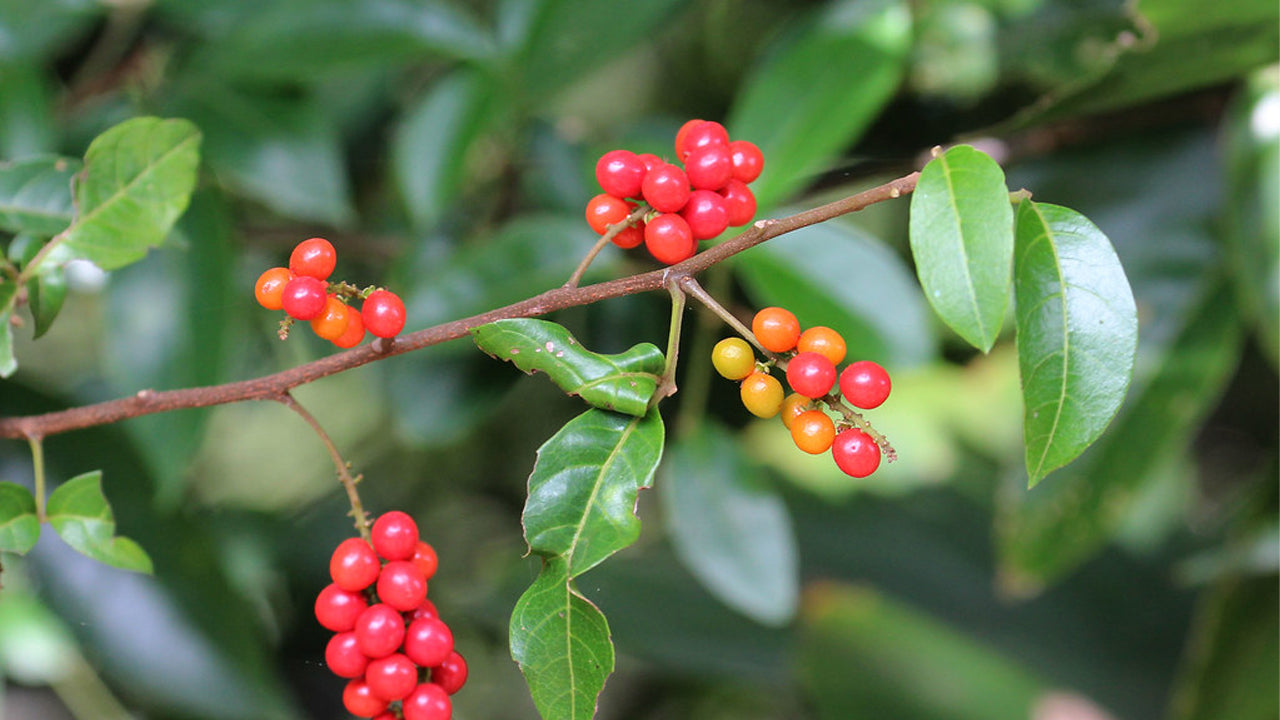
- Figs: The small red fruits, though not particularly palatable to humans, are consumed by birds and frugivorous bats, making the tree an important keystone species for local wildlife.
Modern pharmacological research has investigated extracts of Ficus benghalensis for antidiabetic, anti-inflammatory, and antimicrobial properties, with findings that lend some scientific support to traditional claims — though formal clinical validation is ongoing. Any therapeutic use should be undertaken only under the guidance of a qualified ayurvedic physician.
How does the banyan tree fit into Sri Lankan cultural and religious life?
The banyan holds a place of reverence that goes far beyond its medicinal value. In Buddhist cosmology, the Bodhi tree (a close relative, Ficus religiosa) marks the site of the Buddha's enlightenment, and both species are treated with deep respect at temples across the island. Banyan trees growing near temples or at village crossroads are often wrapped in white or yellow cloth, garlanded with flowers, and surrounded by small oil lamps during religious observances.
The shade provided by a mature banyan has historically made it a natural gathering point — for village councils, travelling merchants, and wandering monks alike. In this sense the tree functions as living architecture, a space that communities have organised themselves around for generations. Sri Lanka's rich tradition of classical ayurvedic formulations frequently references the nuga tree alongside other endemic species, underlining how deeply plant knowledge is woven into the island's intellectual heritage.
What ecological role does Ficus benghalensis play?
Ecologically, the banyan is classified as a keystone species. Its figs — small, red, and produced in abundance — ripen asynchronously throughout the year, providing a reliable food source during seasons when other fruiting trees are dormant. This makes the banyan critically important for fruit-eating birds, flying foxes, and a wide range of insects.
The aerial root system also stabilises soil along riverbanks and tank bunds, while the deep shade cast by the canopy creates a microclimate that supports understorey plants and reduces ground-level temperatures noticeably. In areas such as the dry-zone plains where shade trees are scarce, a mature banyan can function as a biodiversity hotspot in miniature.
Sri Lanka's forests, including the humid lowland habitats of the Sinharaja Forest Reserve, host several wild fig species that play comparable ecological roles — illustrating how central the genus Ficus is to the island's forest ecology.
How is the banyan tree identified in the field?
A mature banyan is difficult to mistake for anything else, but younger specimens are sometimes confused with other figs. Key identification features include:
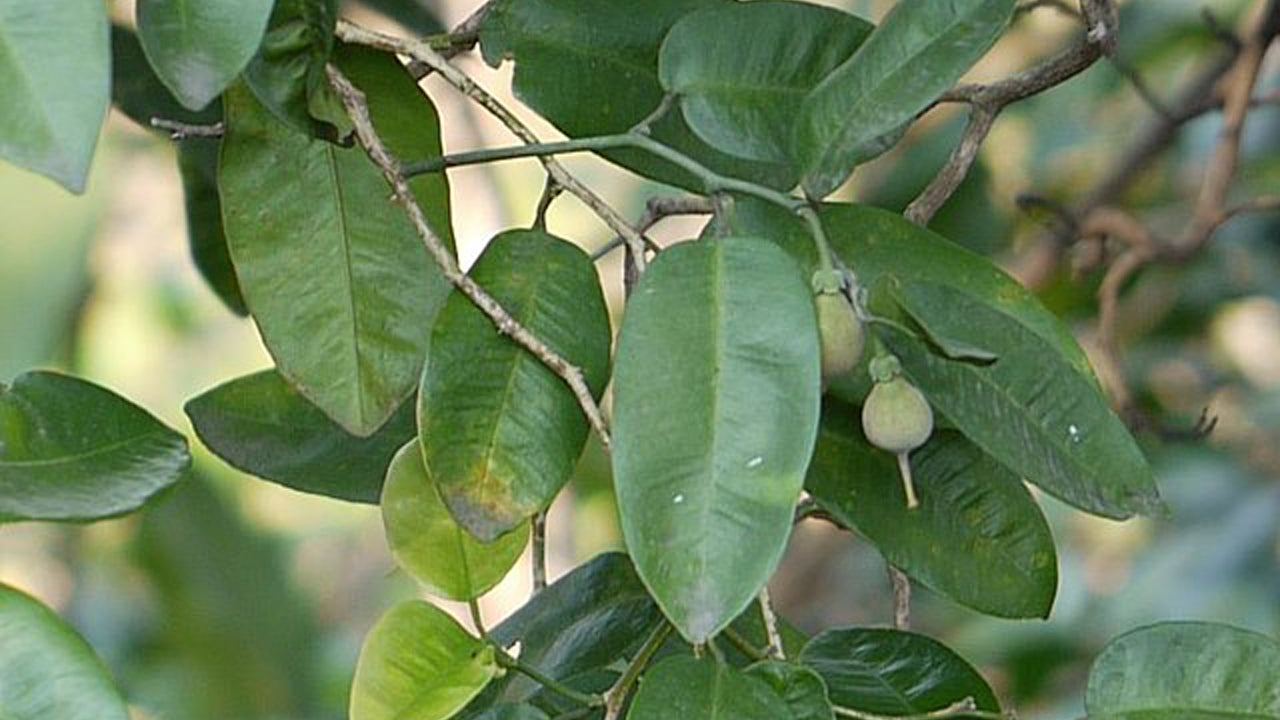
- Leaves: Broadly elliptic to ovate, leathery, glossy on the upper surface, with a prominent midrib and a short pointed tip. New leaves emerge a reddish or coppery colour before darkening to green.
- Aerial roots: Pale, rope-like prop roots descend from horizontal branches, thickening into secondary trunks with age. This is the most distinctive and diagnostic feature of the species.
- Figs: Produced in pairs at leaf axils, small (around 1–2 cm), smooth-skinned, ripening from green to red.
- Latex: Copious white milky sap exudes from any broken stem or leaf.
- Habit: Can achieve a canopy spread of tens of metres with multiple secondary trunks, creating a colonnade-like appearance in very old specimens.
What is the conservation status of the banyan in Sri Lanka?
As a widespread species across South and Southeast Asia, Ficus benghalensis is not considered threatened at the species level. However, individual heritage trees in urban areas face pressure from construction, root damage from paving, and inappropriate pruning. In Sri Lanka, very old banyan trees associated with temples or historically significant sites carry a degree of cultural protection, and local communities typically act as informal guardians of notable specimens.
The tree is frequently planted in reforestation and agroforestry programmes in Sri Lanka's dry zone, where its rapid growth, deep root system, and tolerance of seasonal drought make it a practical choice for land restoration.
How does the banyan tree relate to other ayurvedic plants of Sri Lanka?
Sri Lanka's ayurvedic pharmacopoeia is remarkably rich, drawing on hundreds of endemic and native species that flourish across the island's varied climate zones — from coastal lowlands to montane cloud forests. The banyan is catalogued alongside other significant species such as Acacia chundra and Pongamia pinnata, each with its own profile of therapeutic applications and ecological associations. Together they represent a body of plant knowledge that has been refined over more than two thousand years of ayurvedic practice on the island.
Visitors with an interest in herbal medicine, botany, or Sri Lanka's traditional healing traditions will find that the landscape itself is a living pharmacy — whether travelling through ancient cultural landscapes, village gardens, or protected forest reserves.