Lakpura
Lakpura®

Castlereagh Reservoir

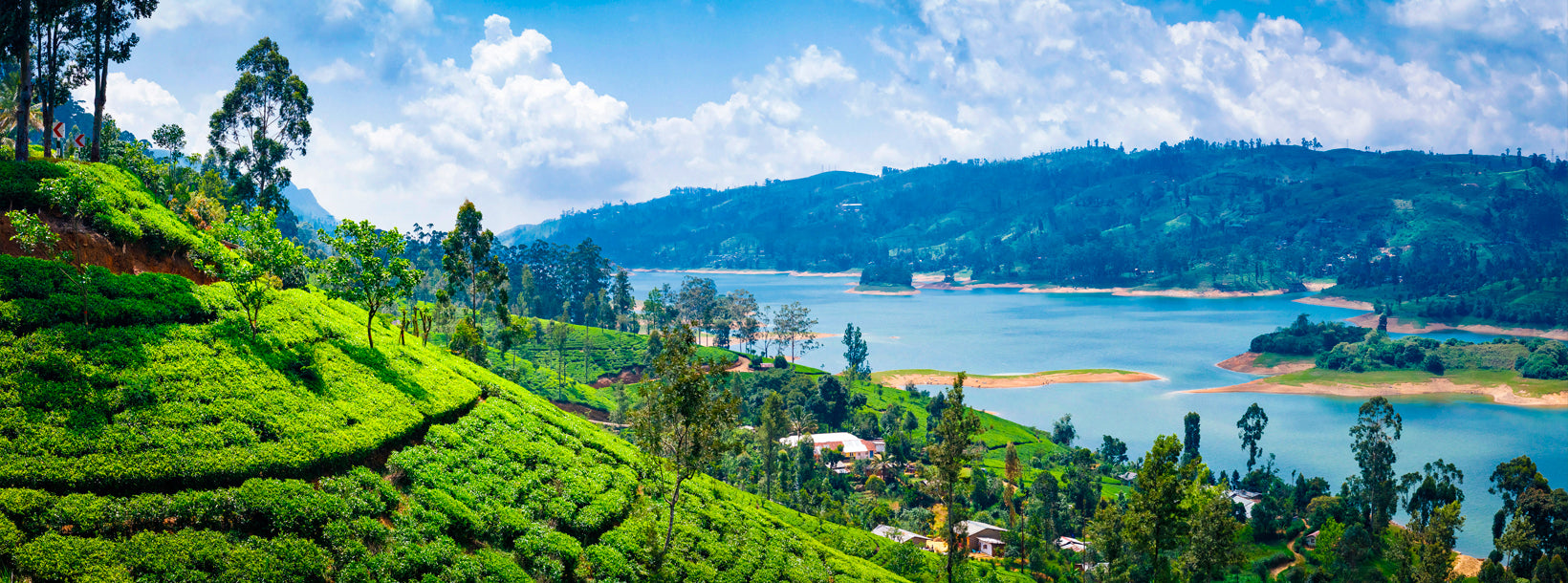
Castlereagh Reservoir sits in the heart of Sri Lanka's central highlands, cradled by rolling tea estates and forested ridges that fade into low cloud on most mornings. Built as part of a hydroelectric scheme on the Maskeliya Oya, the reservoir has since become a quietly rewarding destination in its own right — one that rewards visitors who prefer atmosphere over crowds.

What is the history behind Castlereagh Reservoir?

The reservoir was impounded as part of the Laxapana hydroelectric complex, a series of dams and tunnels that harness the Maskeliya Oya and its tributaries to generate electricity for Sri Lanka's national grid. Construction linked it to the broader development of the hill-country power network during the mid-twentieth century. Although its primary purpose remains utilitarian, the resulting lake — set against a backdrop of colonial-era bungalows and contoured tea fields — has taken on a character that feels anything but industrial.

The surrounding landscape carries distinct echoes of the British plantation era. Estate bungalows perch on hillsides nearby, and the town of Hatton — the nearest commercial hub — retains much of its functional, workaday character from those decades. Understanding this layered history makes the scenery read differently: the neat rows of tea bushes, the mist, and the reservoir together tell a story of land use that continues to shape modern Sri Lanka.

What can you do at Castlereagh Reservoir?

The reservoir is not a managed tourist park, which means expectations need calibrating — and rewards come to those who arrive with patience rather than a printed itinerary.

  • Boat rides: Local boatmen occasionally offer short excursions on the water. These are informal arrangements; ask at Hatton or through your accommodation to find out what is available at the time of your visit.
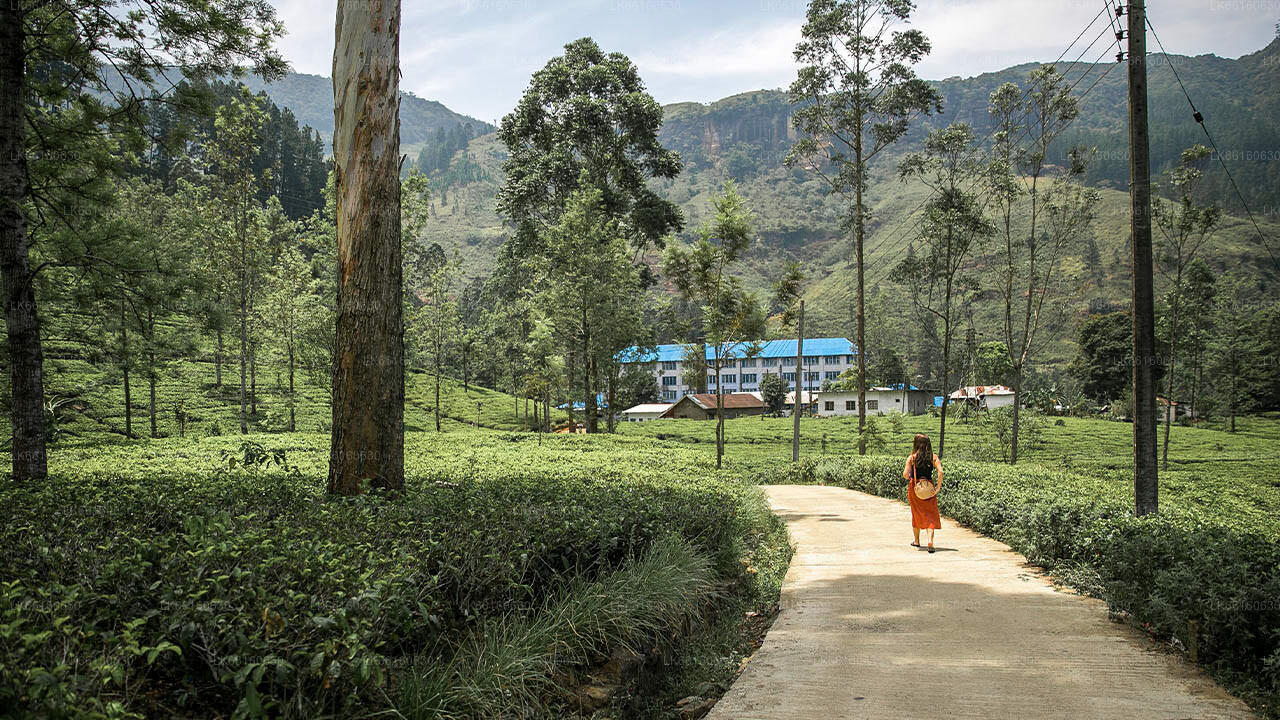
  • Walking the perimeter: Footpaths along the shoreline and through adjacent tea estates allow you to cover ground slowly and notice detail — a flowering shrub, a fisherman at the edge, or the way the light breaks through cloud over the water in the afternoon.
  • Birdwatching: The reservoir and its fringing vegetation attract waterbirds alongside species associated with highland forest edges. Early mornings are most productive.
  • Photography: The interplay of water, mist, and terraced tea creates compositions that change completely with the weather. Overcast days produce a flat, moody palette; clear mornings offer reflections and sharp mountain silhouettes.
  • Tea estate visits: Several working estates operate nearby. Touring a factory to watch withering, rolling, and drying in action — and to sample freshly made Ceylon tea — adds a substantive layer to a day at the reservoir.

What wildlife can you expect around Castlereagh?

The highlands around Castlereagh sit within a zone of montane vegetation that supports a different suite of species compared to Sri Lanka's lowland parks. Sambar deer are present in the forested sections above the waterline. Bird diversity includes a range of endemics associated with the hill country, and the open water draws cormorants, kingfishers, and herons. Reptiles, including several endemic skinks, are commonly seen on sunny rock faces along the paths.

While Castlereagh lacks the concentrated wildlife density of a formal reserve such as Horton Plains National Park, its very informality means encounters feel natural rather than curated.

How do I get to Castlereagh Reservoir from Colombo?

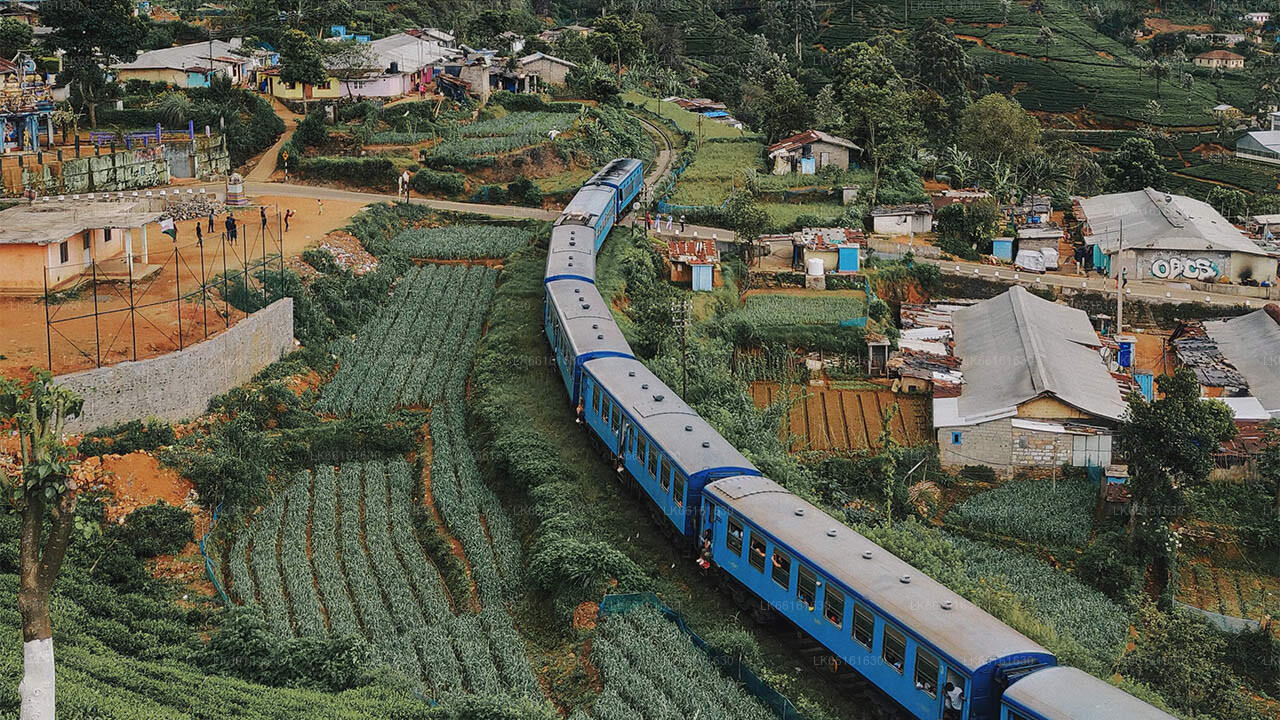
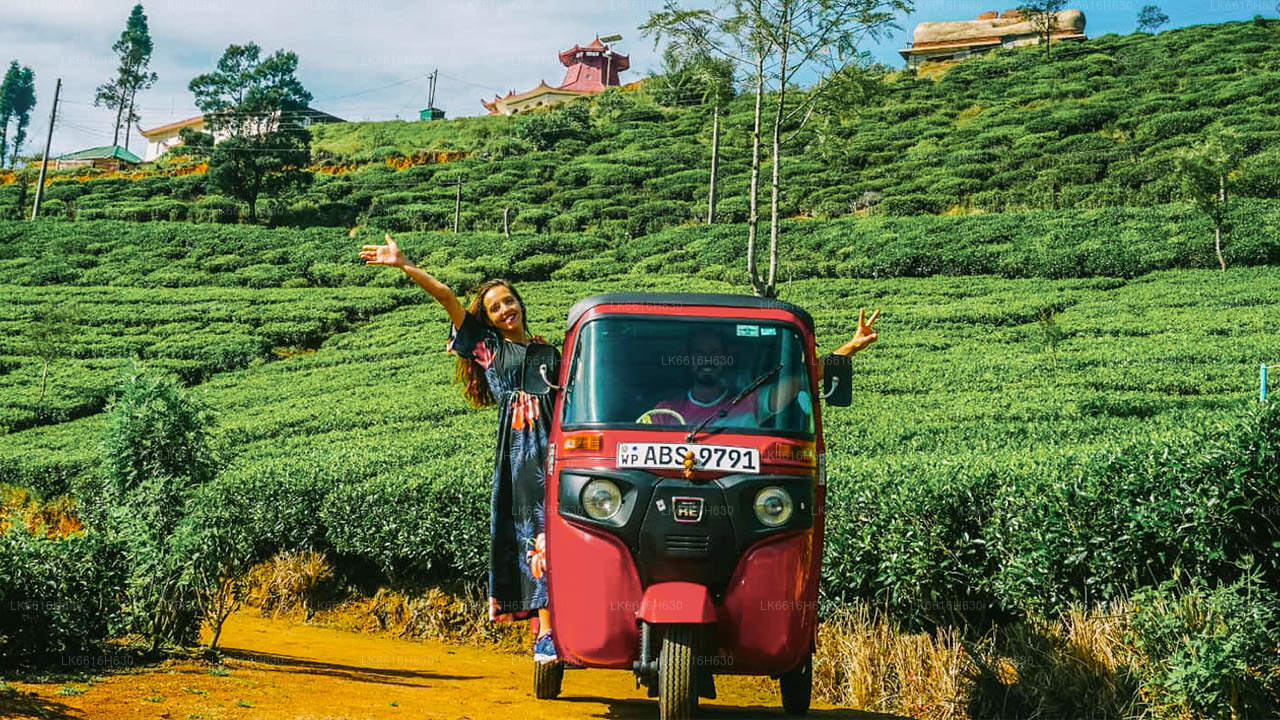
Castlereagh Reservoir lies roughly 130 kilometres east of Colombo, close to Hatton in the Nuwara Eliya district. The most scenic approach is by train on the Colombo–Badulla main line, alighting at Hatton station. The journey from Colombo Fort typically takes around four to five hours and passes through some of Sri Lanka's most photographed highland terrain. From Hatton, the reservoir is reachable by tuk-tuk or car in under thirty minutes.

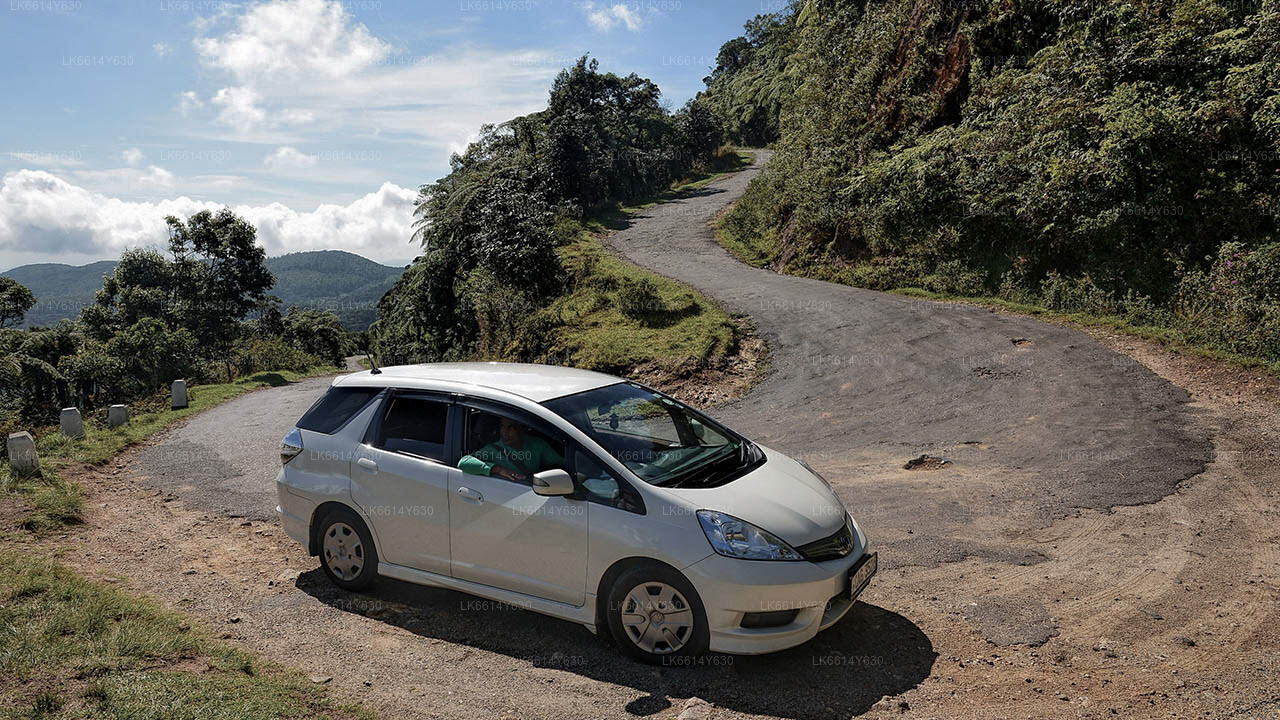
If you prefer door-to-door comfort, private transfers from Colombo Airport or Colombo city are available and take roughly three to four hours depending on traffic and road conditions. The winding hill-country roads reward a daytime drive rather than a night arrival.

Starting pointApproximate distanceTypical travel timeRecommended mode
Colombo Fort~130 km4–5 hrsTrain to Hatton + tuk-tuk
Colombo Airport (CMB)~140 km3–4 hrsPrivate transfer
Kandy~70 km2–3 hrsCar or bus
Nuwara Eliya~40 km1–1.5 hrsCar or tuk-tuk

When is the best time to visit Castlereagh Reservoir?

The dry season from December to April generally brings the clearest skies and the most comfortable daytime temperatures in the central highlands. During this period, morning mist burns off relatively quickly, leaving the reservoir surface calm and the surrounding ridges in full view by mid-morning.

The inter-monsoon months of September and October can also be rewarding for photography — cloud builds dramatically over the escarpments and the vegetation is at its most saturated green. The southwest monsoon, active roughly from May through August, brings frequent rain and persistent low cloud to this part of the island; access roads can become slippery, and visibility on the water may be limited. If your schedule overlaps with the monsoon, mornings tend to be clearer than afternoons.

Regardless of season, bring layers. Temperatures at this elevation can drop sharply after sunset and on overcast days, even in what locals regard as the dry period.

What else is worth visiting near Castlereagh?

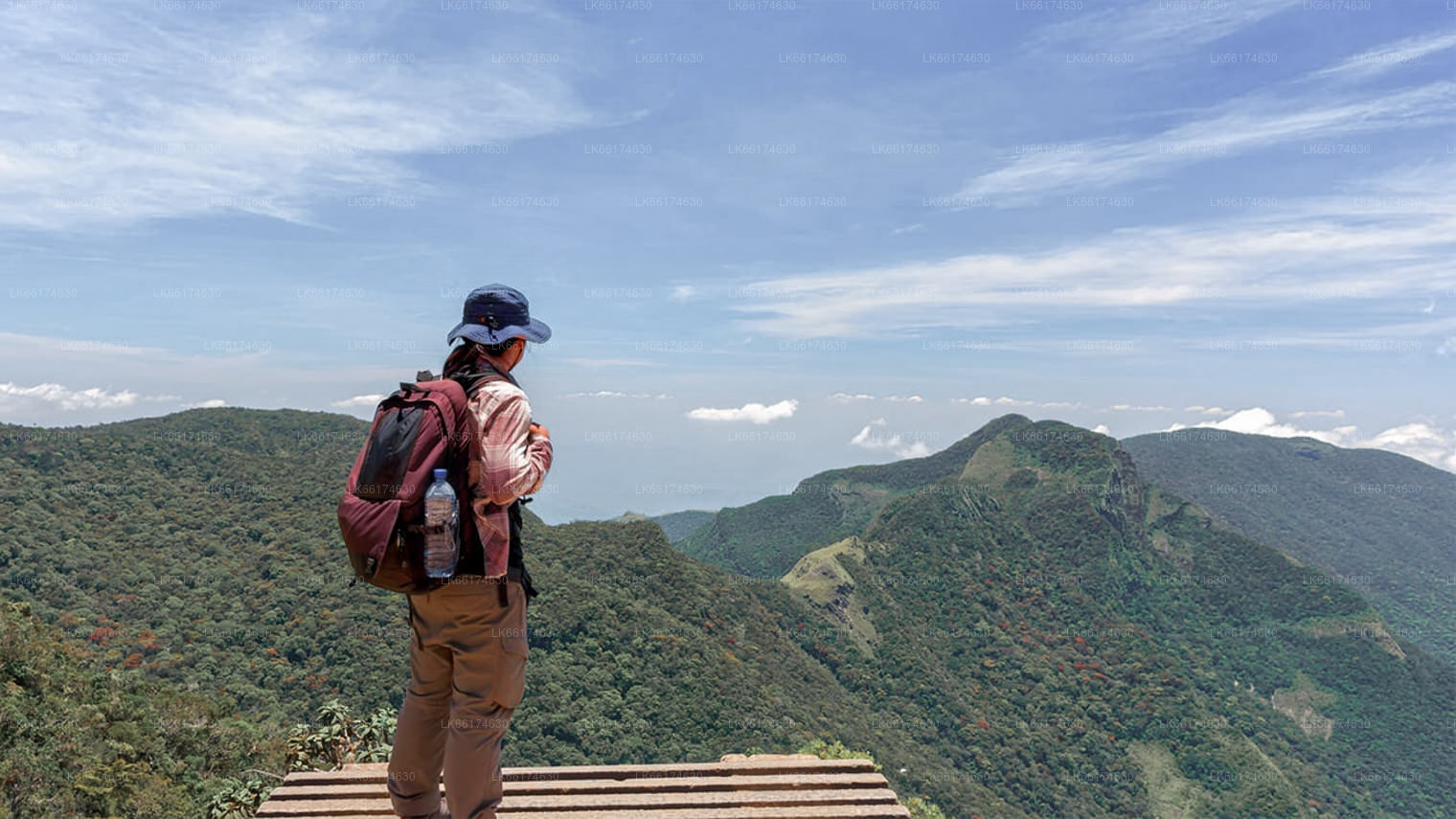
The reservoir's position in the hill country puts it within reasonable reach of several other notable destinations. Adam's Peak (Sri Pada) — one of Sri Lanka's most revered pilgrimage sites, drawing devotees of multiple faiths — lies to the south and is most commonly climbed during the pilgrimage season from December to May. Hatton town itself offers a useful base, and the Bluefield Tea Gardens are worth an hour or two for anyone curious about the mechanics of a working highland estate.

Those continuing east along the hill-country route will find Nuwara Eliya — with its colonial architecture and cooler temperatures — approximately forty kilometres away, while Ella can be reached in a couple of hours and provides access to hiking, waterfalls, and a lively traveller scene.

Where should I stay near Castlereagh Reservoir?

Hatton is the primary town for accommodation, ranging from simple guesthouses to estate bungalows that can be rented exclusively. Estate bungalows — typically colonial structures set within working tea land — are the most atmospheric option, often including a cook, butler service, and unrestricted views across the plantation. Booking these in advance is strongly advised, as they have limited rooms and significant repeat demand. The Castlereagh Bungalow and The Castlereagh Resort are both well-regarded properties in the immediate area.

Book this experience with Lakpura

Curated by our local team. Direct booking, instant confirmation.

Ask Lakpura® Agent