Lakpura
Lakpura®

Alternanthera sessilis : Mukunuwenna

Mukunuwenna — known botanically as Alternanthera sessilis — is one of Sri Lanka's most familiar leafy greens, found growing wild along waterways, paddy field margins, and damp roadsides across the island. It appears in home gardens, village markets, and Ayurvedic dispensaries alike, occupying a quiet but important place in Sri Lankan food culture and traditional medicine.

What is Alternanthera sessilis?

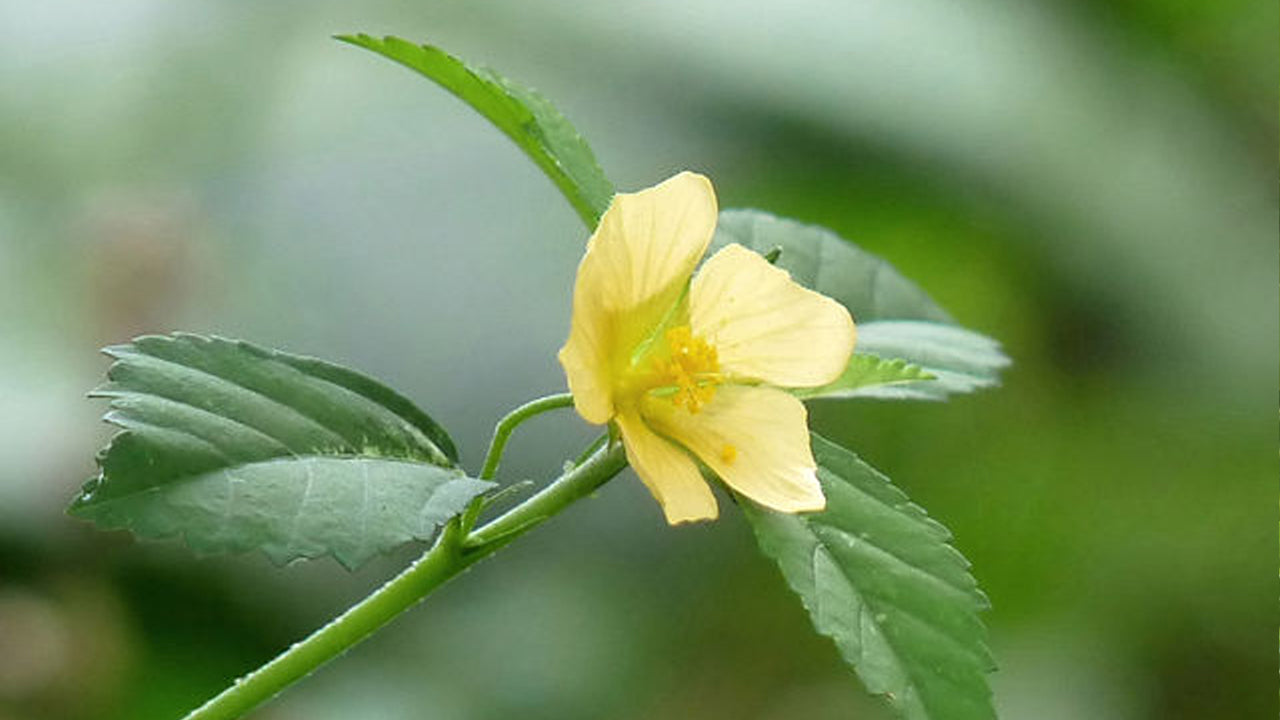
Alternanthera sessilis is a low-growing perennial herb in the family Amaranthaceae. Its stems are prostrate and spreading, often rooting at the nodes where they touch moist ground, which allows the plant to colonise damp habitats quickly. The leaves range from obovate to broadly elliptic — occasionally linear-lanceolate — and measure roughly 1–15 cm long and 0.3–3 cm wide. They are glabrous to sparsely villous and attach to short petioles of 1–5 mm.

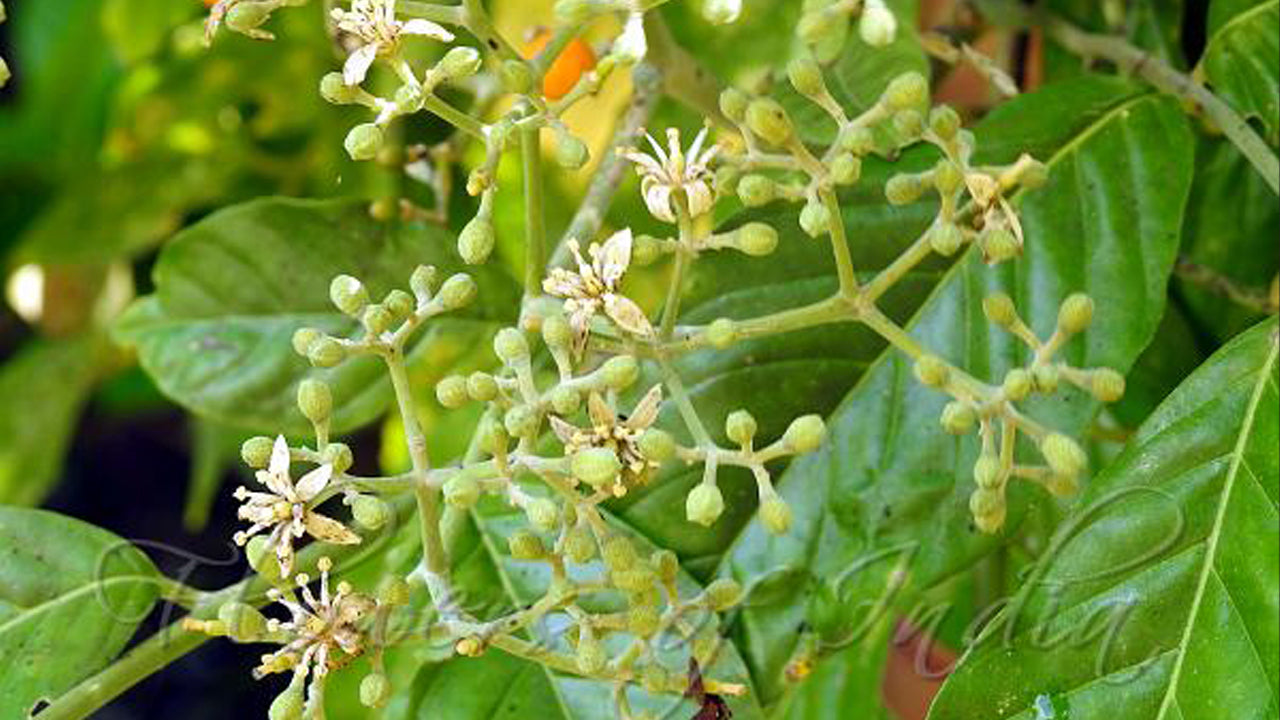
Flowers appear in sessile spikes with shiny white bracts and bracteoles. In the wild, flowering typically occurs from December through March. The plant thrives in wet or damp environments throughout the tropical and subtropical regions of the Old World and has been introduced to the southern United States. Its status in Central and South America remains uncertain among botanists.

Outside Sri Lanka the plant carries a range of regional names: ponnanganni in Tamil, ponnaganti aaku in Telugu, honnagone in Kannada, and Matikaduri in Assamese. In English it is sometimes called sessile joyweed or dwarf copperleaf.

How is mukunuwenna used in Sri Lankan cooking?

In Sri Lanka, mukunuwenna is most commonly prepared as a malluma — a finely shredded coconut salad that pairs with rice and curry at everyday meals. The young shoots and leaves are the edible portions; they have a mild, slightly bitter flavour that balances well with freshly grated coconut, lime juice, and dried chilli. The dish is nutritious, quick to prepare, and considered a cooling addition to a meal.

Across South and Southeast Asia the plant is similarly valued. In Karnataka, Andhra Pradesh, and Tamil Nadu, the leaves, flowers, and tender stems are all eaten as vegetables. In parts of Southeast Asia the young shoots are added to soups and stir-fries. The plant is cultivated for food in addition to being collected from the wild, making it accessible to both rural households and urban markets.

A red-leaved cultivar exists and is sometimes grown as an ornamental hedging plant or garden border. Certain varieties have also been used in the aquarium trade, though the plant tolerates fully submerged conditions only for short periods.

What are the ayurvedic and medicinal properties of mukunuwenna?

Alternanthera sessilis is formally listed in the catalogue of Ayurvedic medicinal plants of Sri Lanka, reflecting centuries of documented therapeutic use. Traditional Ayurvedic texts attribute diuretic, cooling, tonic, and mild laxative properties to the plant. It has historically been used in the management of dysuria (painful urination) and haemorrhoids.

The plant is also believed to benefit eye health — a property echoed across several Asian herbal traditions. In parts of South Asia it is an ingredient in formulations for medicinal hair oils and Kajal (kohl), the traditional eye cosmetic. These applications align with the broader Ayurvedic principle of using cooling, pitta-reducing herbs to address heat-related conditions of the eyes and skin.

Those interested in Sri Lanka's rich tradition of botanical medicine will find mukunuwenna a useful entry point into the island's Ayurvedic pharmacopoeia, which encompasses hundreds of indigenous and naturalised plants.

Where does mukunuwenna grow in Sri Lanka?

The plant is widespread across Sri Lanka's low country wet and intermediate zones. It grows naturally along irrigation channels, in paddy field bunds, on riverbanks, and in any location where the soil stays reliably moist. It is also cultivated in home gardens, particularly in rural areas where it serves as a readily available, low-maintenance leafy green.

Because it thrives in disturbed, waterlogged ground, mukunuwenna is sometimes considered a weed — a status it has officially been assigned in parts of the southern United States, where it has naturalised. In Sri Lanka, however, it is actively valued and harvested rather than suppressed.

It is an excellent forage plant for bees and other pollinators, which means its presence around agricultural land contributes indirectly to local ecosystem health.

How is mukunuwenna cultivated and harvested?

Cultivation requires little more than consistently moist soil and partial to full sunlight. The plant propagates easily from stem cuttings — a section of stem placed in damp soil will typically root within days. Harvests of young shoots and leaves can begin within a few weeks of planting and continue repeatedly as the plant regenerates, making it one of the more productive leafy greens for small kitchen gardens.

  • Soil: Prefers loamy, moisture-retentive soil; grows in waterlogged conditions.
  • Sunlight: Tolerates partial shade but produces more vigorously in full sun.
  • Propagation: Stem cuttings or natural node-rooting.
  • Harvest: Young shoot tips and leaves; cut frequently to encourage fresh growth.
  • Season: Produces year-round in Sri Lanka's humid lowlands.

What is the nutritional value of mukunuwenna?

Mukunuwenna is a nutrient-dense leafy green. Like many plants in the Amaranthaceae family, it provides useful amounts of iron, calcium, and vitamins A and C. Its high moisture content means it is low in calories, and its mild diuretic effect makes it a traditional choice during hot weather or when a light, cleansing diet is desired. Nutritional data from published food composition studies consistently place it among the more iron-rich leafy vegetables available in Sri Lanka.

As with most fresh vegetables, its nutritional profile is best preserved with minimal cooking — the traditional malluma preparation, which uses no heat, is particularly effective at retaining water-soluble vitamins.

Is mukunuwenna the same as ponnanganni?

Yes. Ponnanganni is the Tamil name for the same species, Alternanthera sessilis, and refers to exactly the same plant. The name is widely used in Tamil Nadu, southern India, and among Tamil communities in Sri Lanka. Some regional varieties may differ slightly in leaf colour or growth habit, but botanically they belong to the same species. The plant's culinary and medicinal applications are broadly consistent across these communities, though preparation methods and recipes vary by tradition.

Ask Lakpura® Agent