Looking for Train Tickets?
Railways


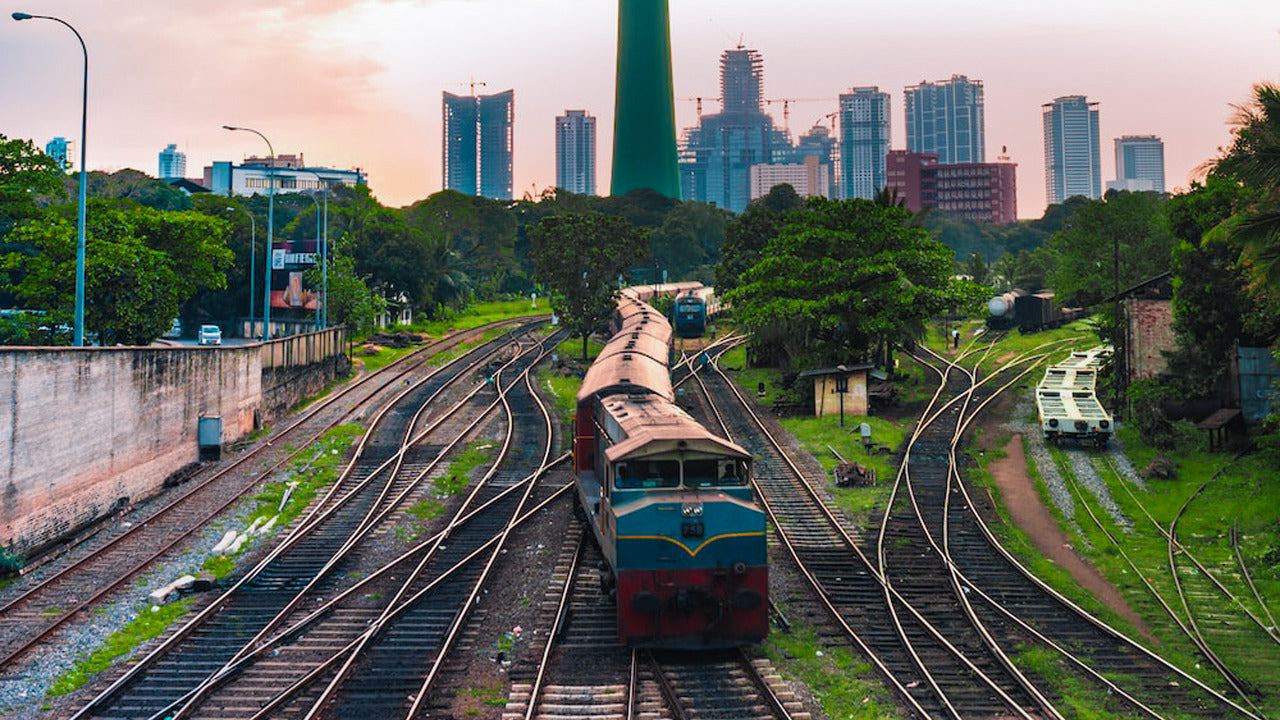
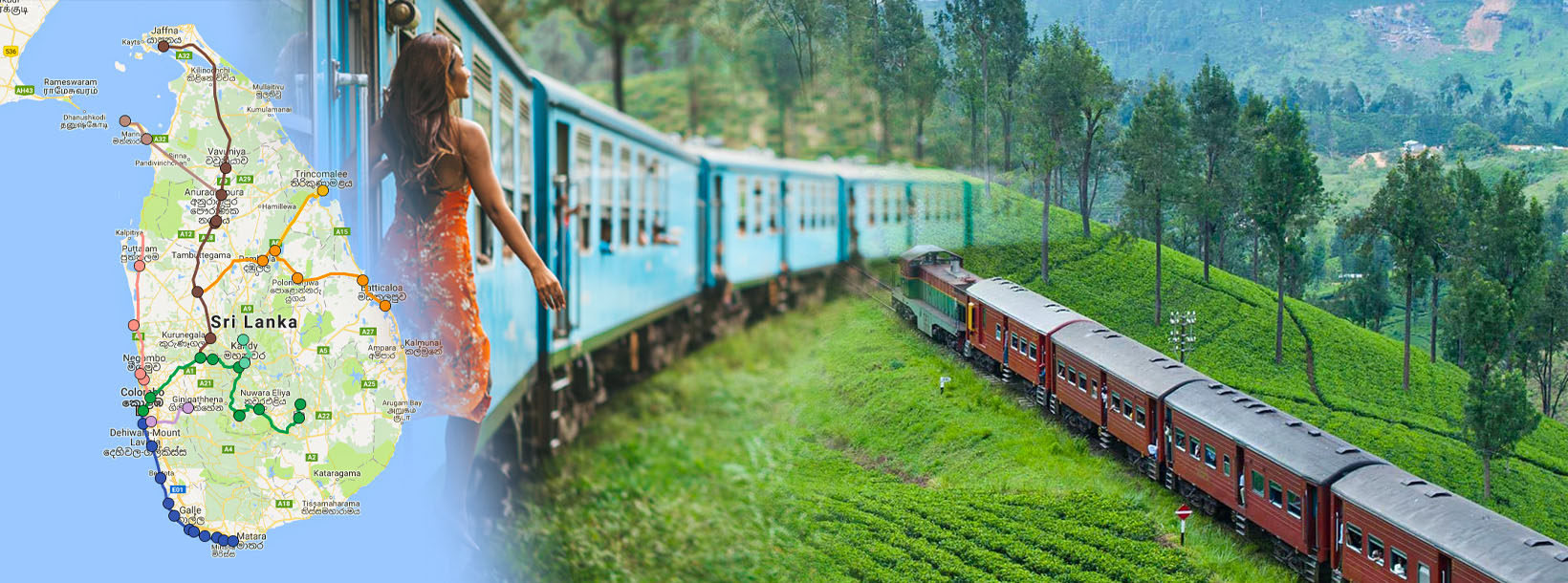
Sri Lanka train tours or train travel, while slower is more comfortable. The trains are the most cheapest, safe and enjoyable traveling method in Sri Lanka. From the Colombo Fort which is the central railway station travelers can take their trains to different destinations. You can take trains to most of the important places in the Sri Lanka.
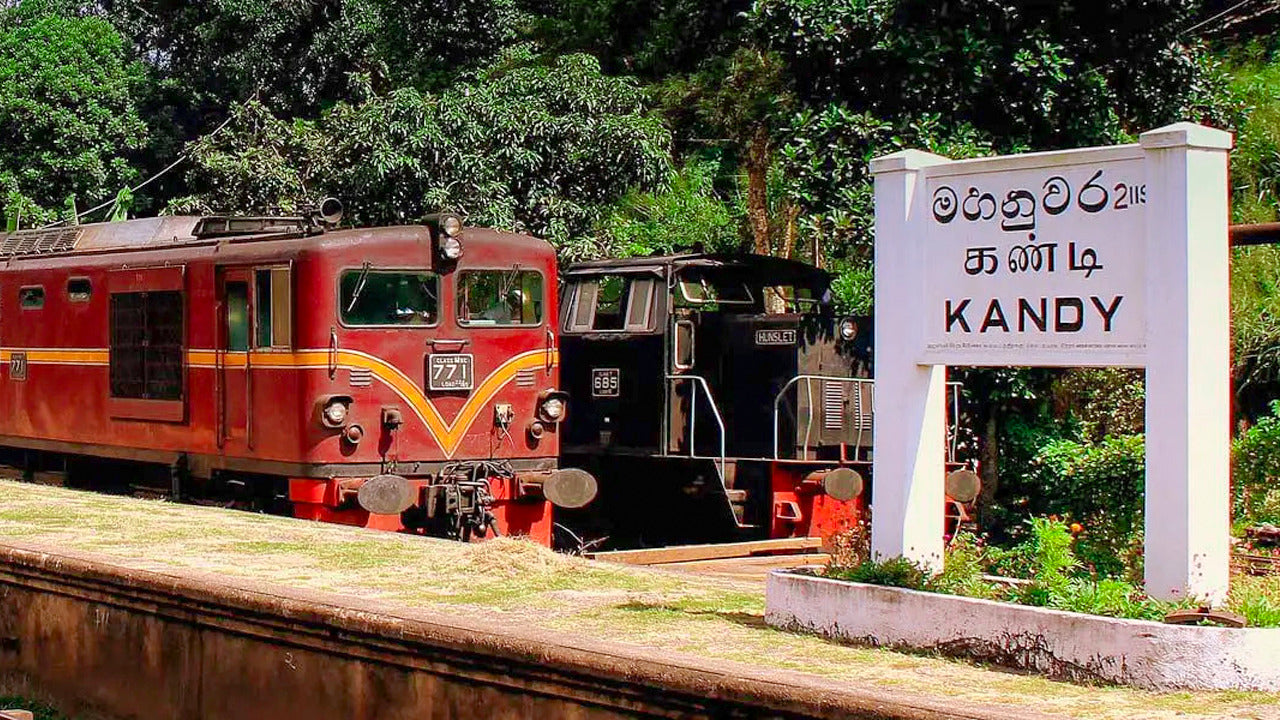
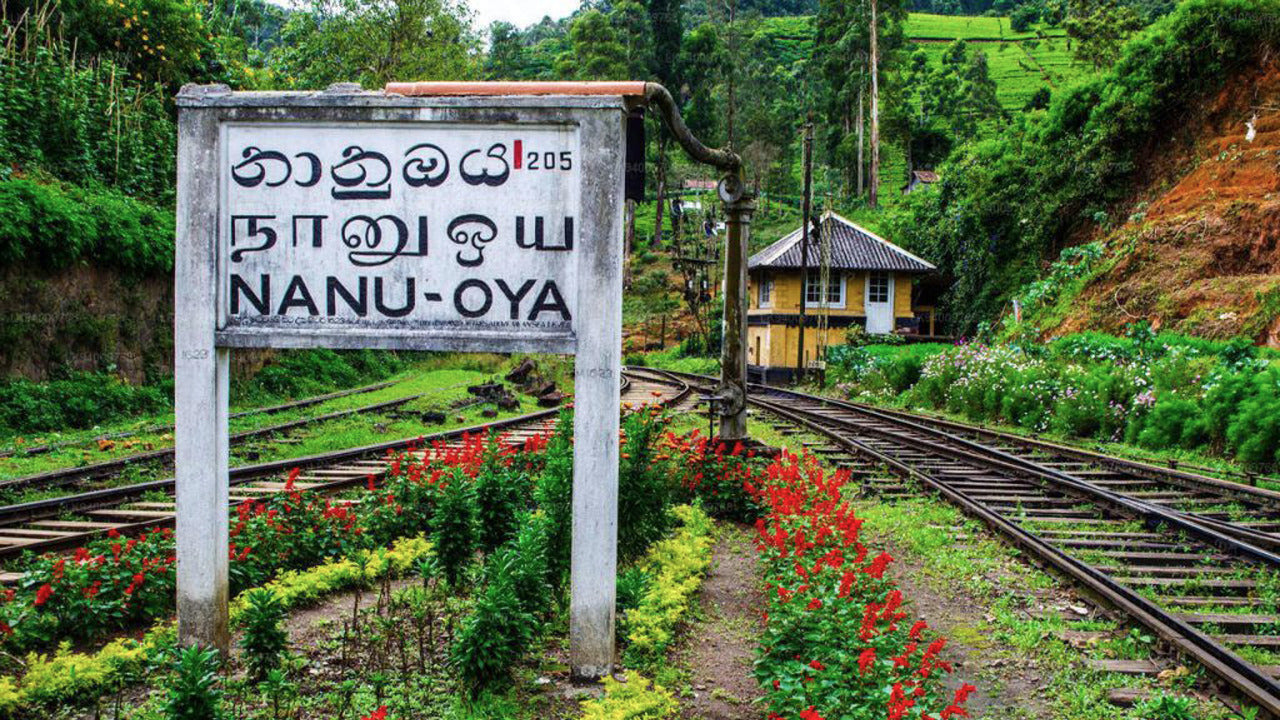
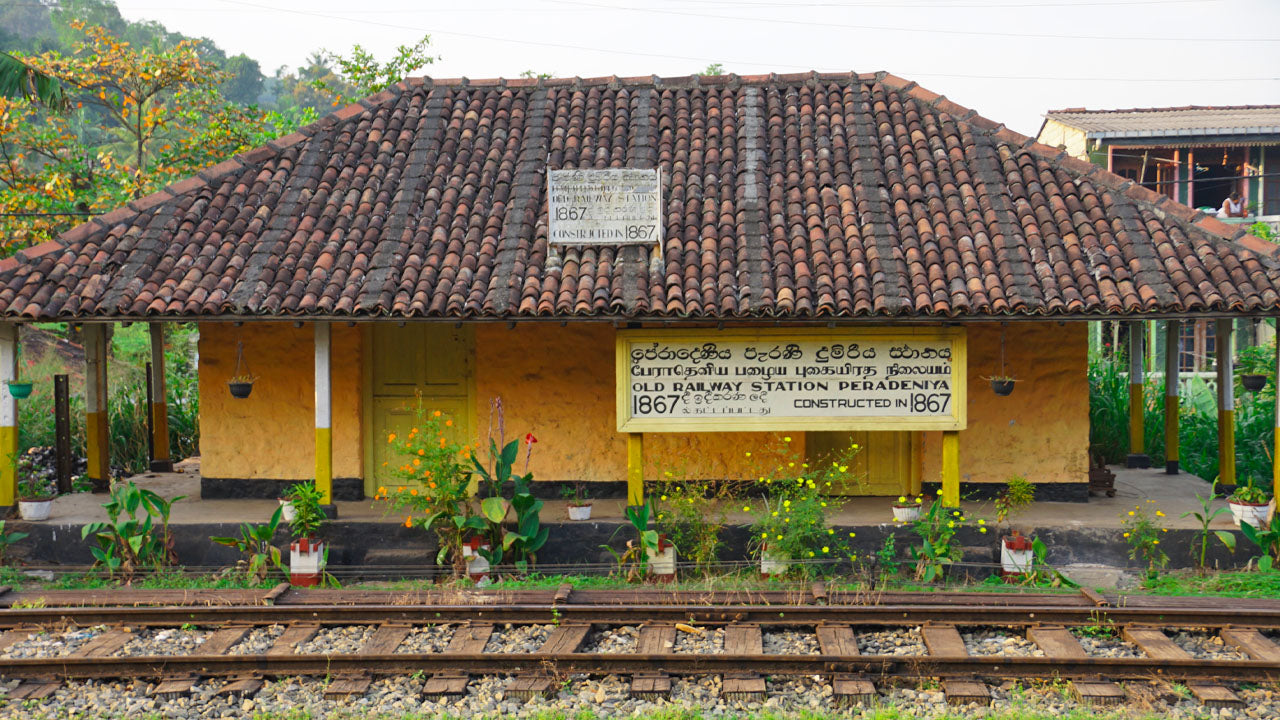
History of the Sri Lanka Railway: Sri Lanka Railways, or Ceylon Government Railway, was conceived in the 1850’s as an instrument to develop and unify the country. The 1st sod of the Sri Lanka Railways was cut by Sir Henry Ward, the Governor, in August in1858. The Railway Network was introduced by the British in 1864 and 1st train ran on 27th December 1864, with the construction of the Main Line from Colombo to Ambepussa, 54 kilometers to the east. This line was officially opened for traffic on 02nd October 1865. The Railway extended and developed it’s network and in 1927, a total route length of 1530 km was in operation. The Main Line was extended in stages, with service to Kandy in 1867, to Nawalapitiya in 1874, to Nanu-Oya in 1885, to Bandarawela in 1894, and to Badulla in 1924. Other lines were completed in due course to link the other parts of the country, the Matale Line in 1880, the Coast Line in 1895, the Northern Line in 1905, the Mannar Line in 1914, the Kelani Valley Line in 1919, the Puttalam Line in 1926, and the Batticaloa and Trincomalee Lines in 1928.
The Railway was initially built to transport coffee and tea from the hill country to Colombo for export and was for many years, the main source of income. With population growth, however, passenger traffic increased and in the 1960’s overtook freight as the main source of business. The Railway is now primarily engaged in the transport of passengers, especially commuters to and from Colombo, offering a vital service and reducing road congestion.
Train names in Sri Lanka
A number of long distance trains were named by CGR (Ceylon Government Railway).
Regular Services:
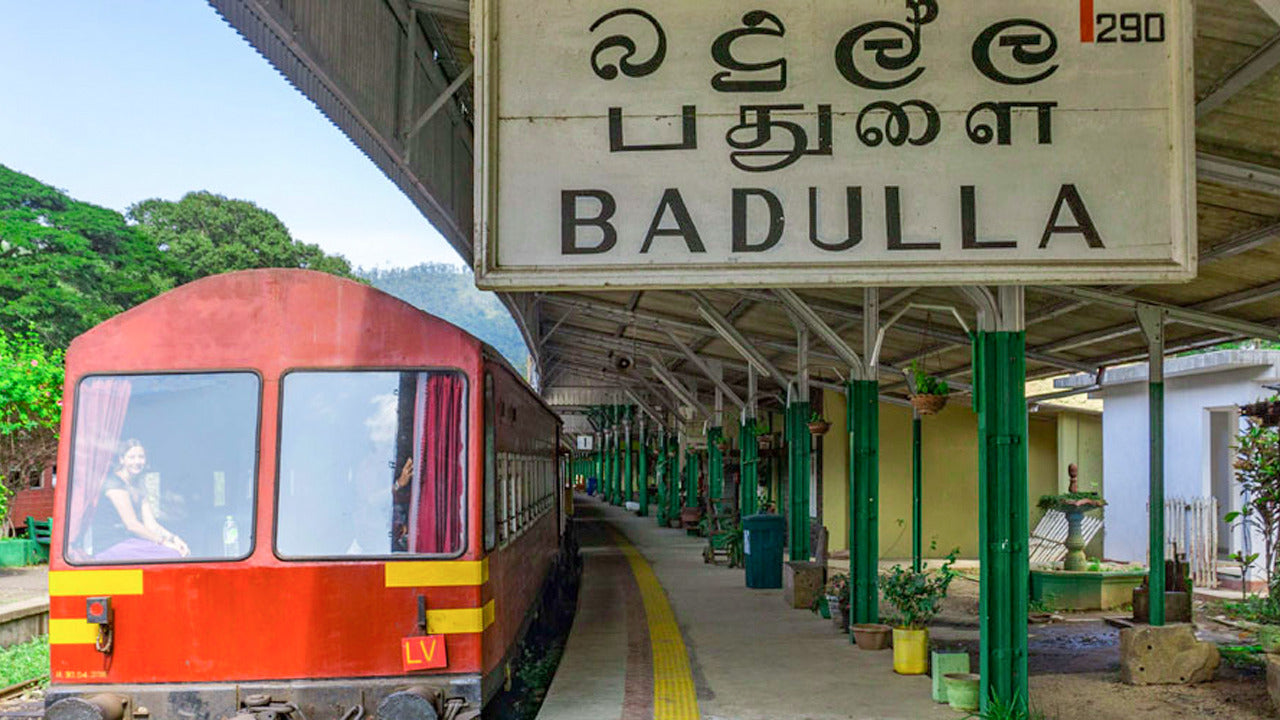
• Udarata Menike (Upcountry Maiden) – Runs between Colombo Fort and Badulla
• Podi Menike (Little Maiden) – Connects Colombo Fort and Badulla (no longer runs via Kandy, only through coaches to Kandy)
• Tikiri Menike (Little Maiden) – Colombo Fort to Hatton
• Senkadagala Menike (Maiden of “Senkadagala”– area name) – Runs between Colombo Fort and Kandy
• Yal Devi (Princess/Queen of Jaffna) – Was operated between Colombo Fort and Kankasanthurei via Jaffna (now only up to Thandikulam)
• Udaya Devi (Princess/Queen of the Rise -East) – Runs between Colombo Fort and Batticaloa
• Rajarata Rajina (Queen of the land of kings) – Runs between Vavuniya and Matara via Colombo Fort
• Ruhunu Kumari (Princess of “Ruhuna” – southern province) – Between Colombo (Maradana) and Matara
• Samudra Devi (Queen of the Oceans) – Colombo (Maradana) to Galle
• Galu Kumari (Princess of Galle) – Colombo (Maradana) to Matara<