Lakpura
Lakpura®

Negombo Beach

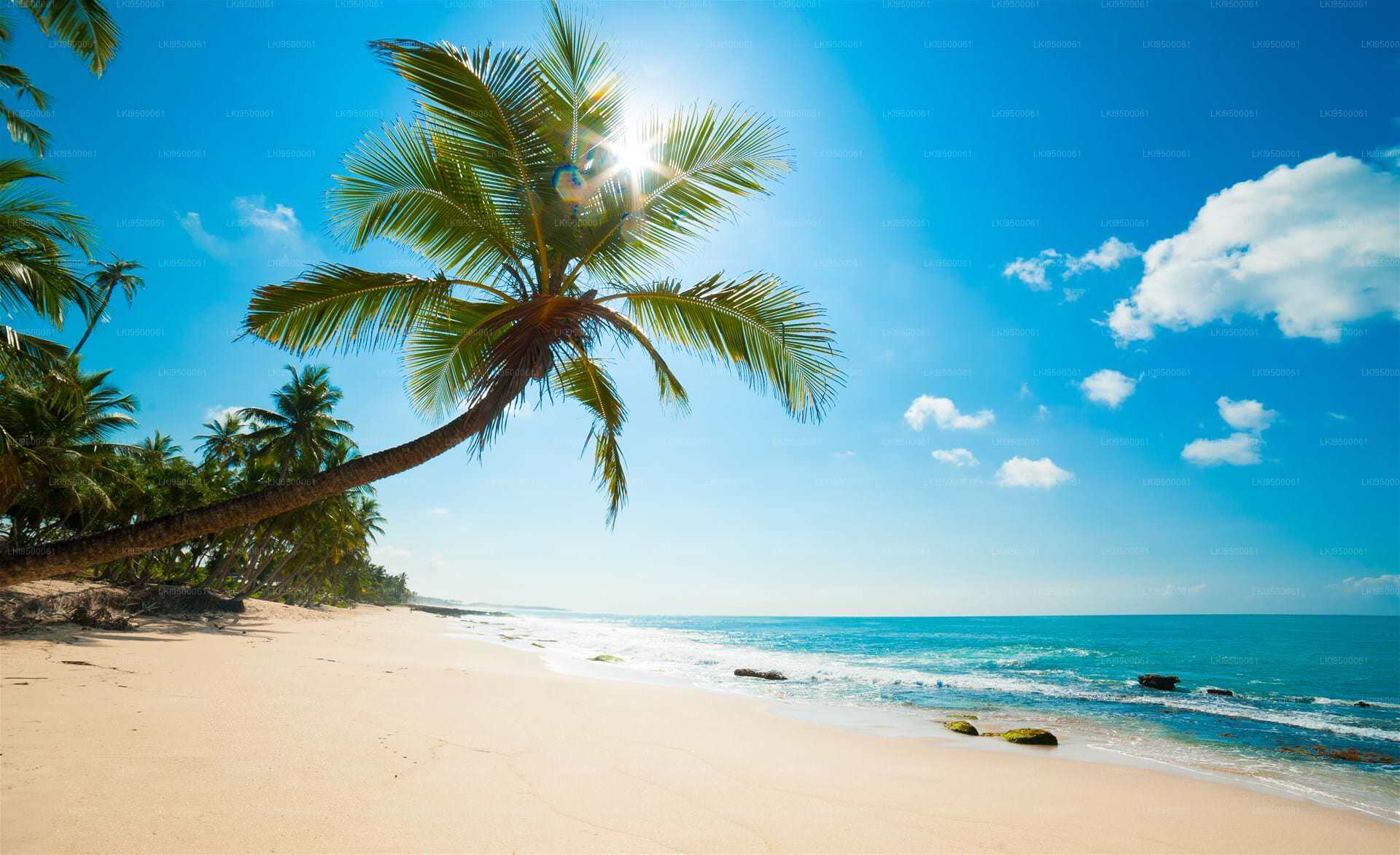
Negombo Beach sits on Sri Lanka's western coast, roughly 35 kilometres north of Colombo and just minutes from Bandaranaike International Airport. That proximity makes it the natural first or last stop on almost every Sri Lanka itinerary, yet the beach holds its own as a destination: a long, palm-fringed shoreline, an active fishing community, a layered colonial history, and a dining scene anchored firmly in fresh seafood.

What makes Negombo Beach different from other Sri Lankan beaches?

Most of Sri Lanka's celebrated beaches sit three or more hours from the airport. Negombo's greatest advantage is that it doesn't require that trade-off. Arrive on a late-night flight, sleep to the sound of the Indian Ocean, and you've already begun your holiday. Beyond convenience, the beach has a character that purely resort-oriented strips lack. The daily fish auction, the Dutch-influenced street grid of the old town, the Catholic churches built during Portuguese rule — these layers of history give Negombo a texture that rewards wandering as much as sunbathing.

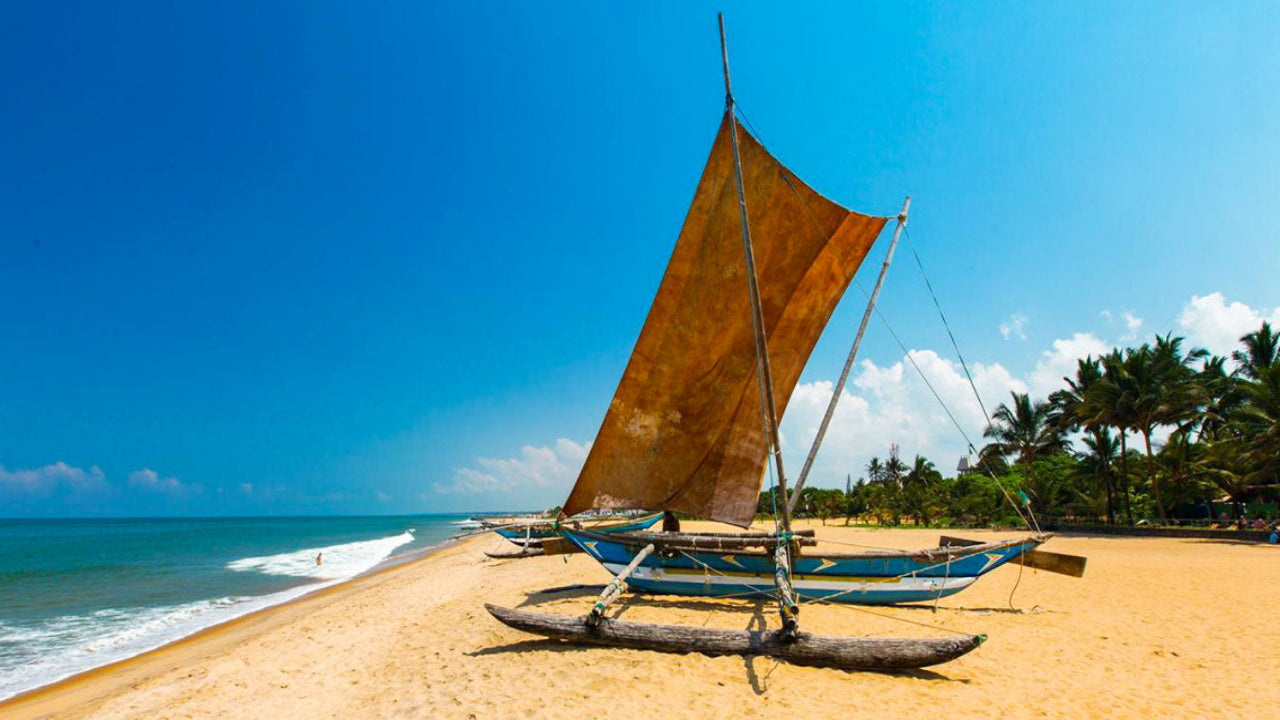
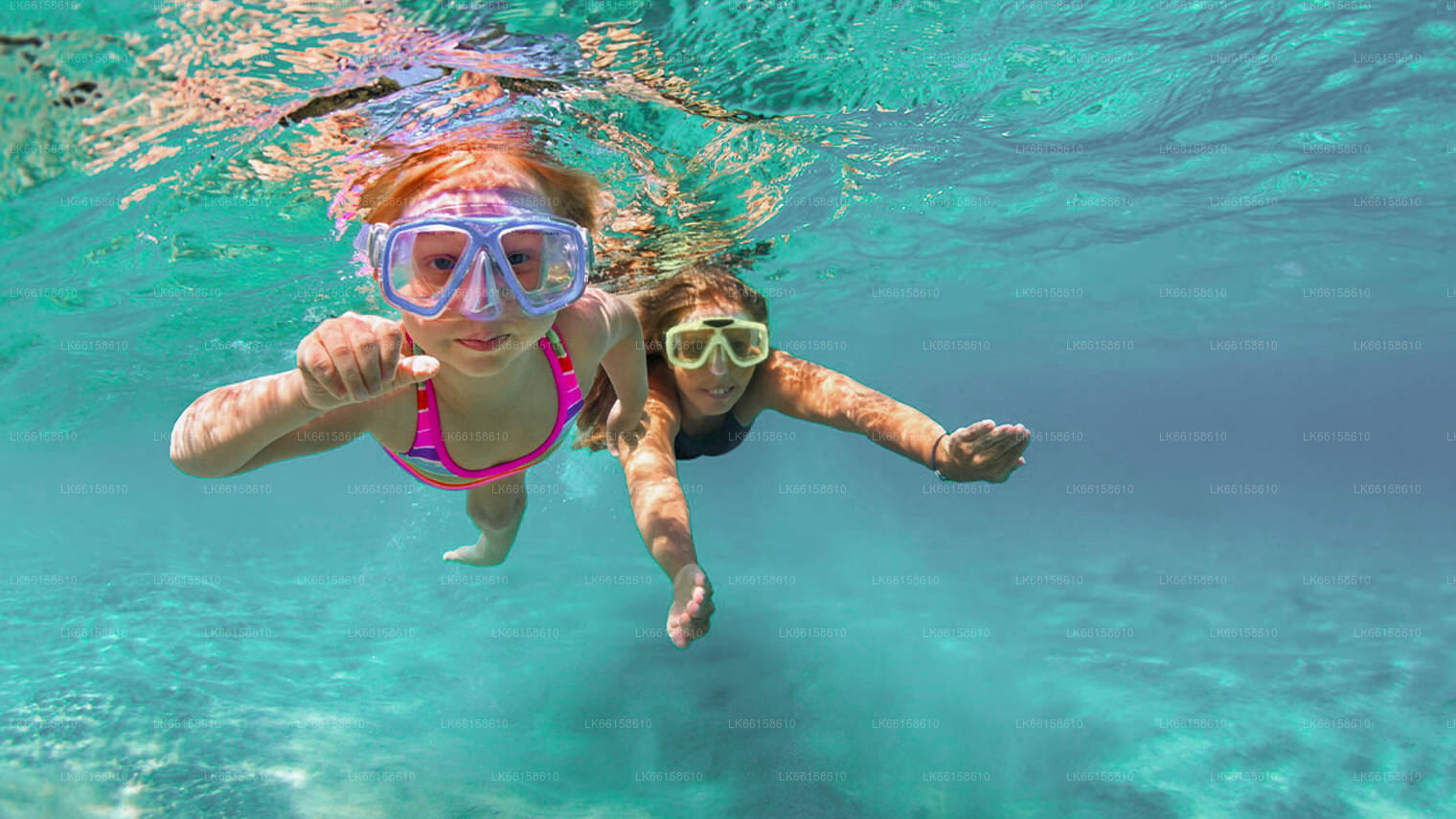
The shoreline itself runs for several kilometres, wide enough that it never feels crowded. The sand is pale gold rather than the fine white of the south coast, and the sea is generally calmer here than on the east-facing shores, making it suitable for casual swimming during the dry season.

When is the best time to visit Negombo Beach?

The western coast's dry season runs from approximately November through April, when skies are reliably clear, winds are light, and sea conditions favour swimming and water sports. December and January bring the most settled weather and the highest visitor numbers. If you prefer quieter surroundings, late October or early May can offer acceptable conditions at the margins of the season, though you should be prepared for the occasional shower.

The south-west monsoon, typically active from May to October, brings heavy rain and rougher surf to the western coast. The sea can become unsuitable for swimming during this period, and some smaller operators reduce their hours. That said, kite-surfing enthusiasts sometimes seek out the stronger winds of the early monsoon — check conditions with a local operator before booking lessons.

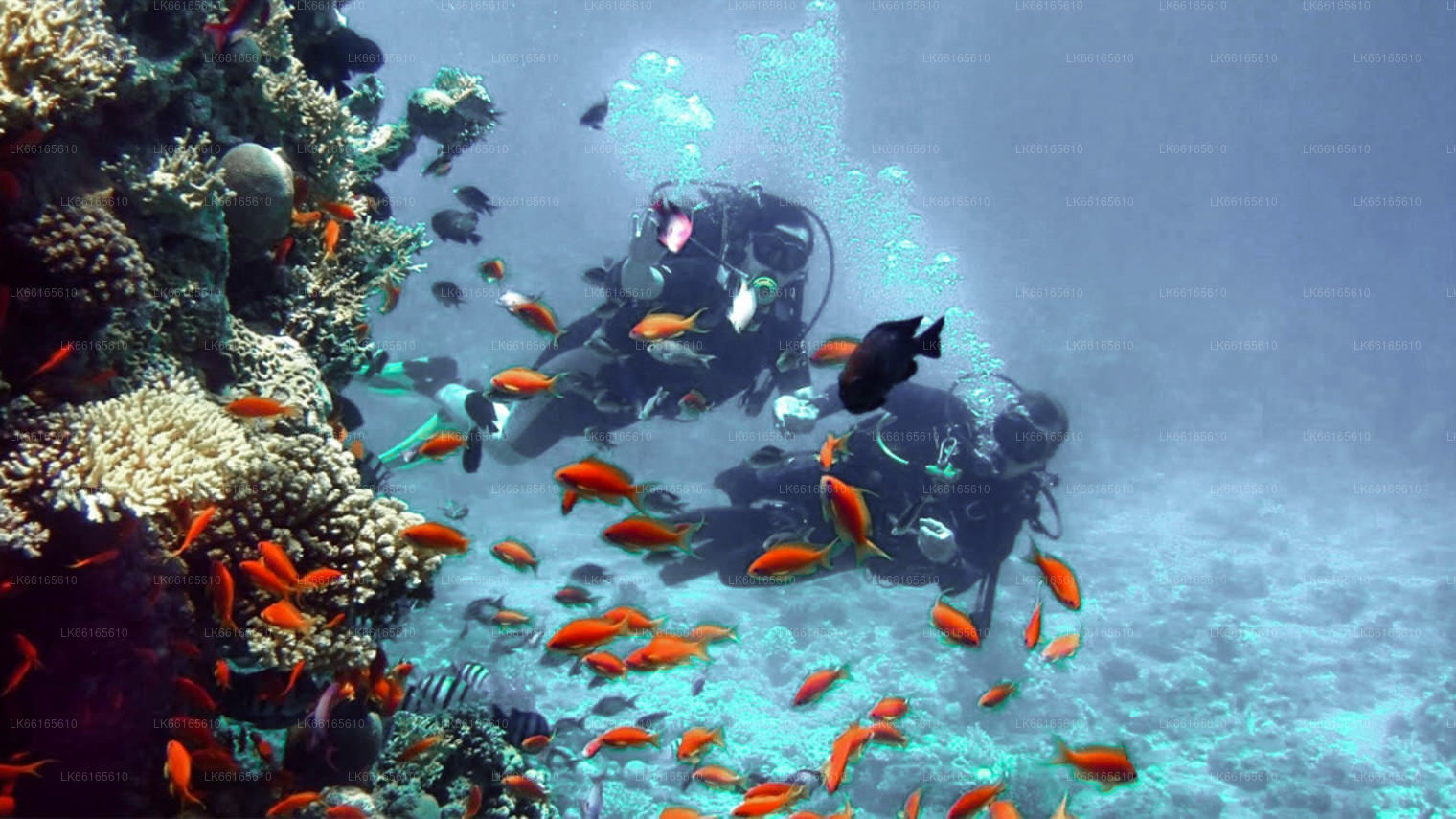
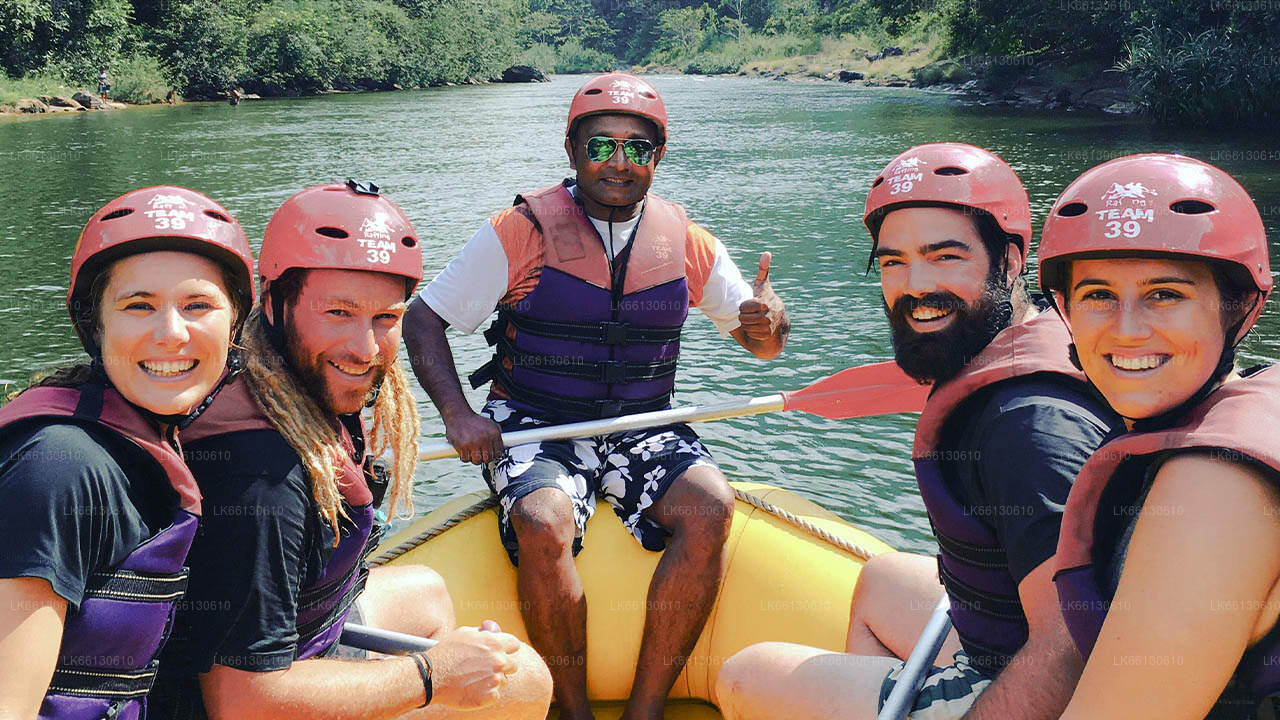
What water sports and activities are available at Negombo Beach?

Several operators along the beach offer equipment and instruction for:

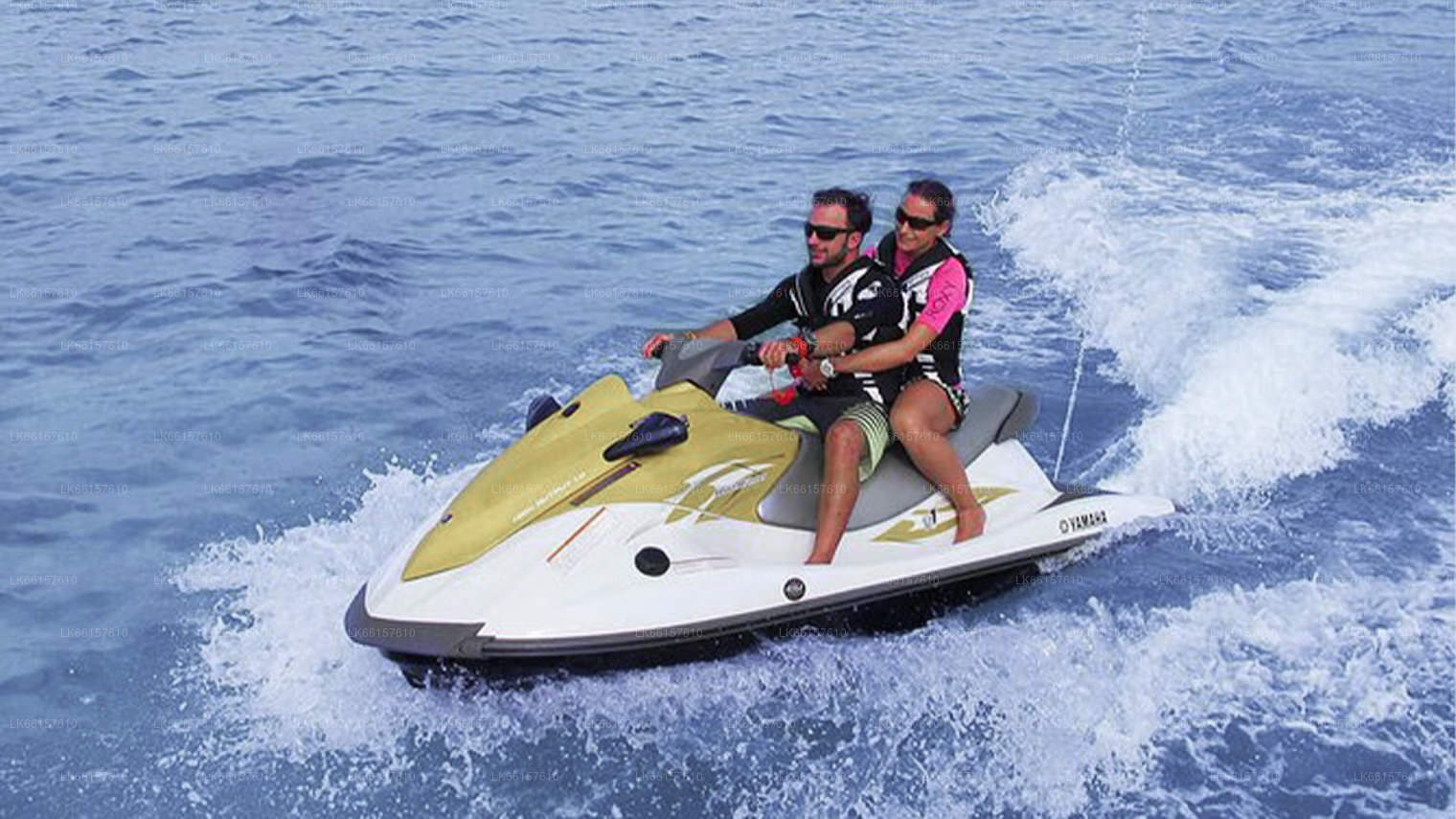
  • Jet skiing — short sessions available directly on the beach during dry-season months
  • Kite surfing and windsurfing — the consistent south-westerly breeze during early monsoon attracts practitioners of both disciplines
  • Surfing — modest beach breaks suited to beginners; nothing compared to the reef breaks further south, but workable for those learning
  • Boat excursions — outrigger boat rides with local fishermen offer an informal way to see the coastline from the water
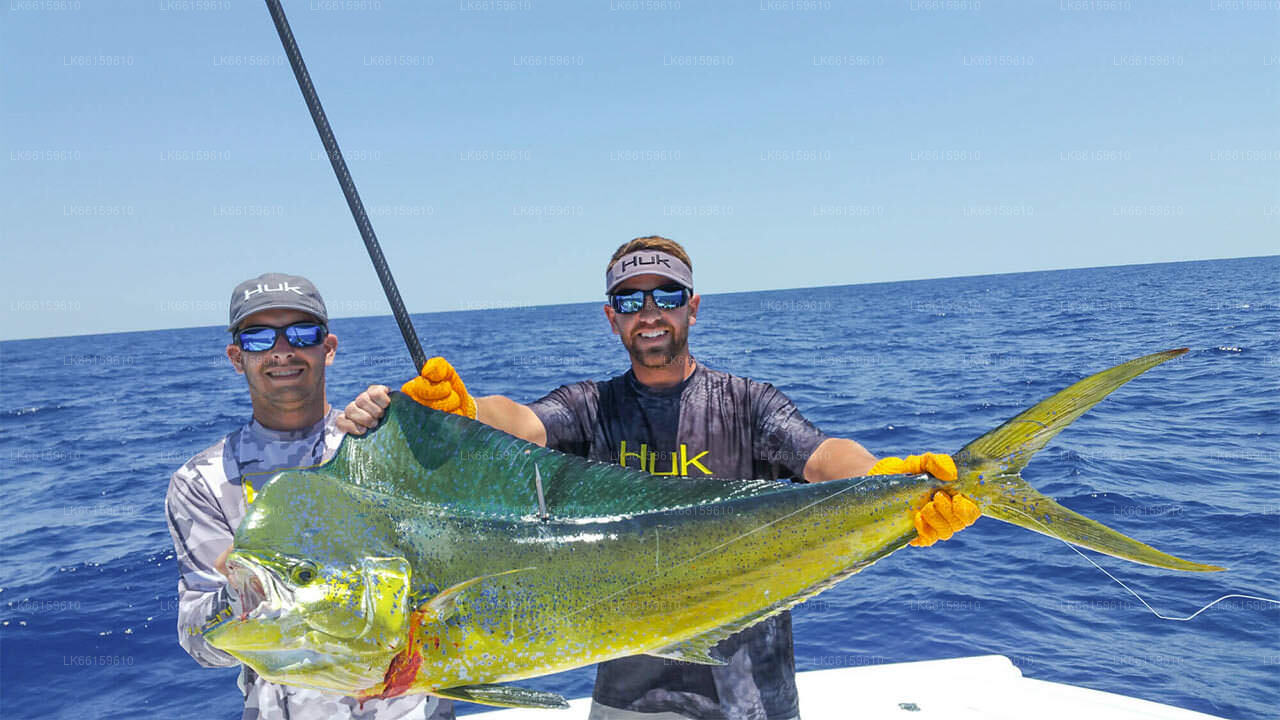
  • Deep sea fishing — charter trips head out from Negombo's harbour, targeting species such as barracuda, tuna, and dorado

Rental rates and safety standards vary between operators. Lakpura can arrange vetted, English-speaking guides for water-based activities as part of a wider itinerary.

What can you see and do beyond the beach?

Negombo rewards a half-day of exploration on foot or by tuk-tuk. Key stops include:

  • Dutch Fort Negombo — the remains of a 17th-century Dutch fortification near the lagoon, now partly occupied by a local prison, but historically significant and worth a look from the outside
  • St. Mary's Church — an imposing Roman Catholic church whose interior features detailed ceiling murals; a legacy of the Portuguese colonial period
  • Negombo Fish Market — most active in the early morning when overnight boats return; the sight and scale of the daily catch is genuinely compelling even for non-seafood eaters
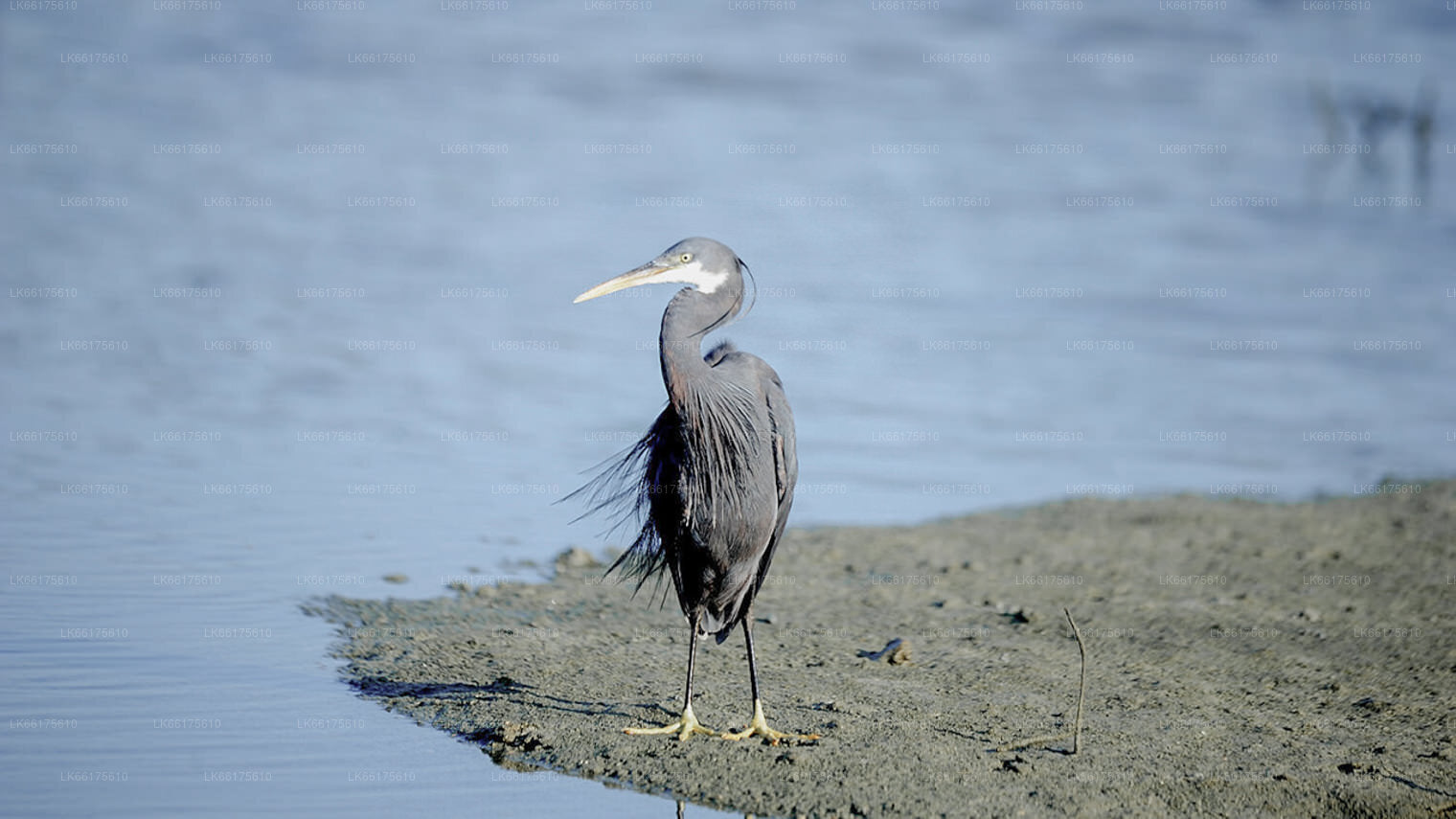
  • Negombo Lagoon — a large tidal lagoon to the east of the town, good for birdwatching and mangrove boat rides; herons, cormorants, and kingfishers are commonly spotted
  • Negombo City Tour — a guided circuit that ties together the Dutch canal network, the fish market, the old town churches, and the lagoon in a single outing

For those with a day to spare, the town of Iranawila lies a short drive north and offers a quieter stretch of coast with its own small temple.

What is the fishing culture in Negombo like?

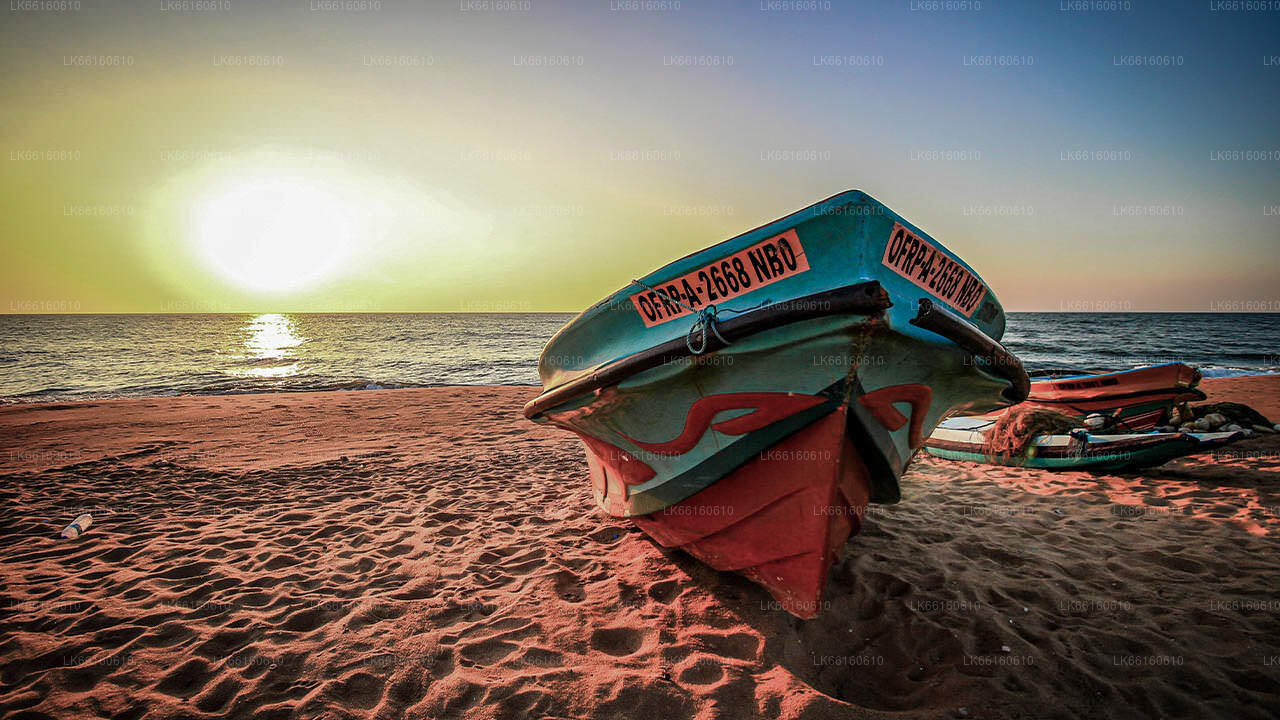
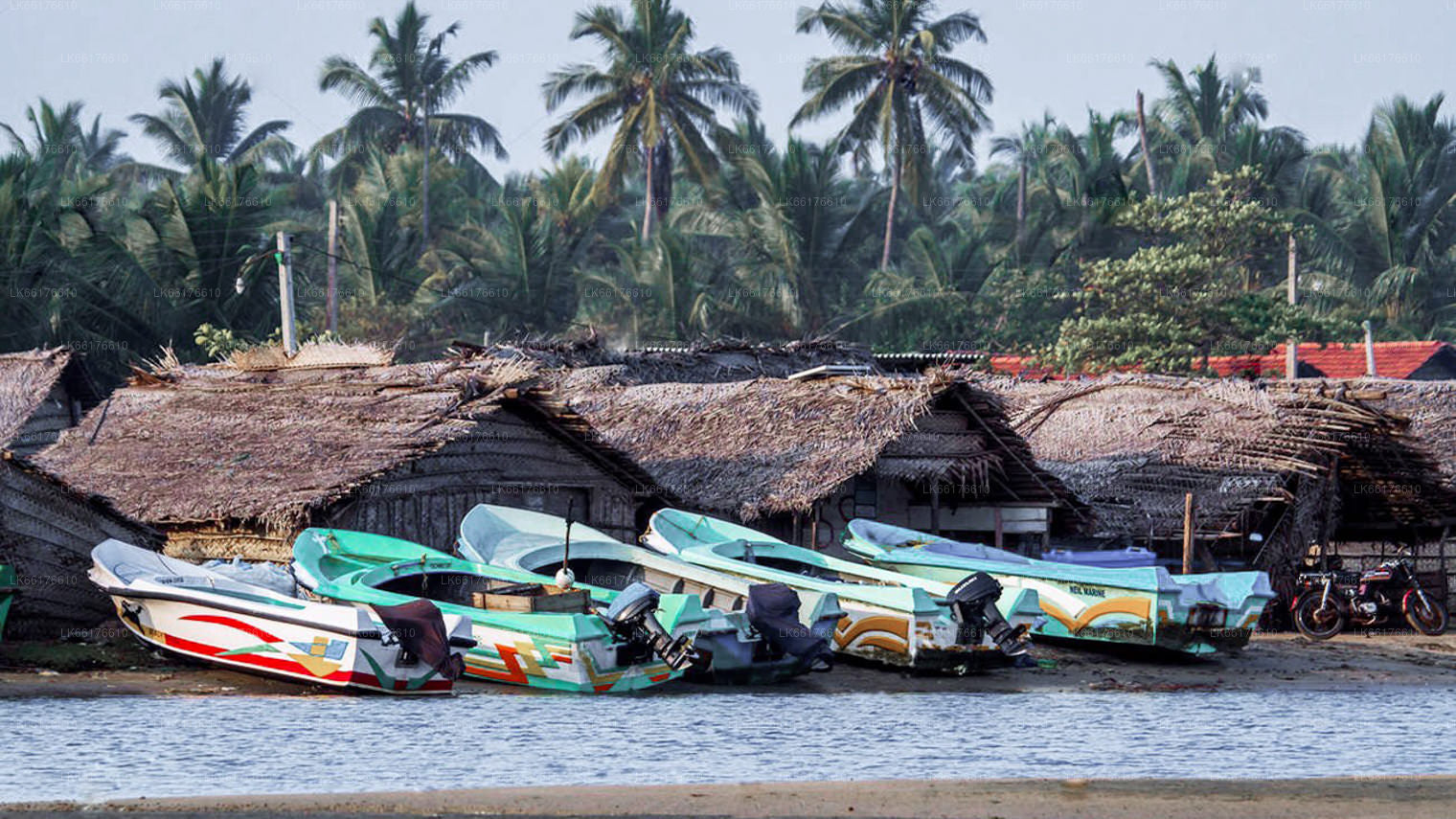
Negombo has been a fishing settlement for centuries, long before the Portuguese arrived in the 16th century. The community of fishermen known locally as the Karave have maintained traditional practices alongside modern methods. Early mornings on the beach, you will see brightly painted outrigger canoes — called oruwa — pulled up on the sand beside larger motorised vessels. The Dutch canal system, built in the colonial era and still partially navigable, was originally designed to transport cinnamon and other spices; today it provides a quiet waterway through the town and into the lagoon.

The fish market operates on a loose auction system: buyers arrive before dawn, and the catch — parrotfish, squid, prawns, and reef fish — moves quickly. It is not a tourist attraction in the formal sense, so respectful, quiet observation is appreciated.

Where should you eat near Negombo Beach?

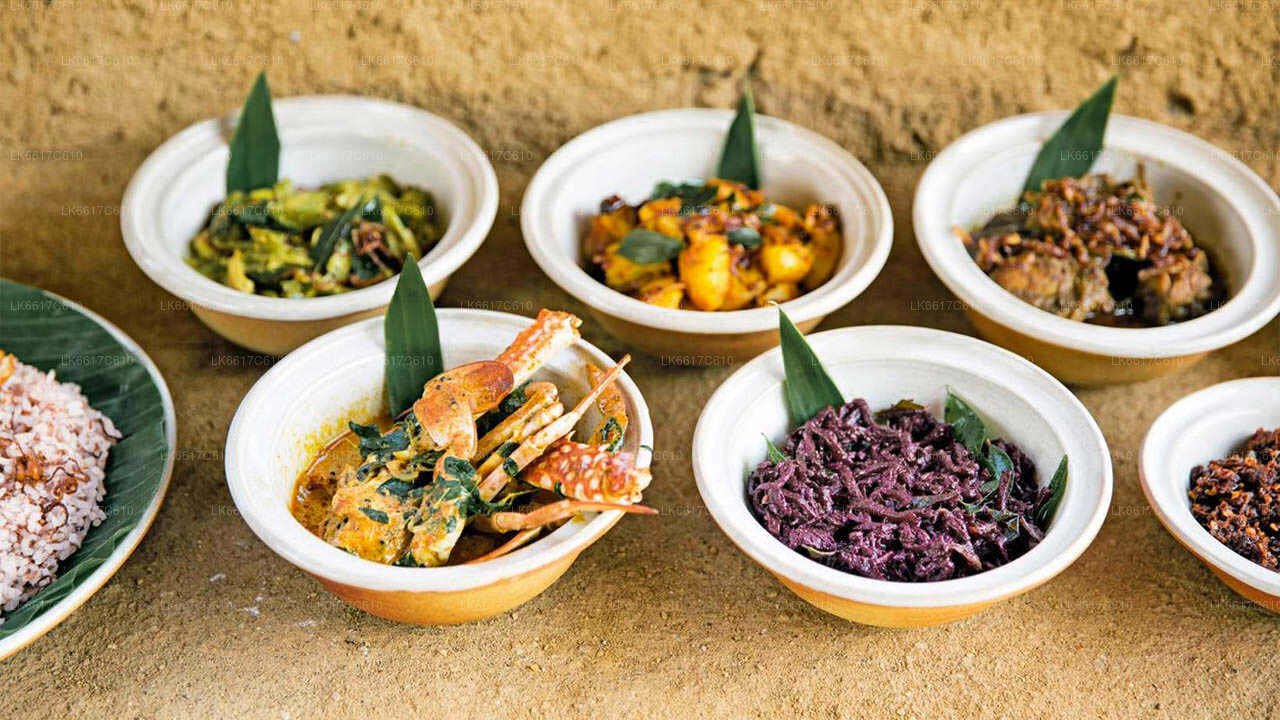
Seafood dominates the local dining scene, and for good reason — the supply chain from boat to plate is short. Grilled prawns, crab curry, and pan-fried reef fish prepared with local spices are reliable orders at almost any beach-facing restaurant. The cooking style blends Sinhalese, Tamil, and traces of Dutch and Portuguese influence; coconut milk, local chillies, and fresh pandan leaf feature heavily.

The strip of restaurants and guesthouses along Lewis Place and Poruthota Road caters to a range of budgets. For a more local experience, the small eateries around the fish market serve rice-and-curry lunches that are far cheaper and often better than the tourist-oriented menus further along the beach road.

How do you get to Negombo from Colombo Airport?

Negombo is the closest beach destination to Bandaranaike International Airport (CMB), which is located at Katunayake. The drive from the airport to the main hotel strip is typically under 15 minutes. A pre-arranged private transfer is the most practical option: it eliminates the need to negotiate with taxi drivers after a long flight, and Lakpura offers fixed-price airport transfers directly to most Negombo properties.

Alternatively, public buses connect Katunayake and Negombo town at low cost, but are not practical with large luggage. Three-wheelers (tuk-tuks) are available outside the airport and at many points in the town.

What are the accommodation options at Negombo Beach?

Negombo has one of the widest accommodation ranges on the island, running from backpacker guesthouses steps from the sand to full-service beach hotels with pools and spa facilities. The main hotel concentration sits along Poruthota Road and the northern beach road. Properties here tend to offer direct beach access or are a very short walk away.

Smaller guesthouses — many of them family-run — are scattered through the lanes behind the beach road. These offer a more personal experience and often include home-cooked breakfasts featuring Sri Lankan staples alongside Western options. Lakpura works with a curated selection of Negombo properties and can match accommodation to your travel style and budget.

Book this experience with Lakpura

Curated by our local team. Direct booking, instant confirmation.

Ask Lakpura® Agent