
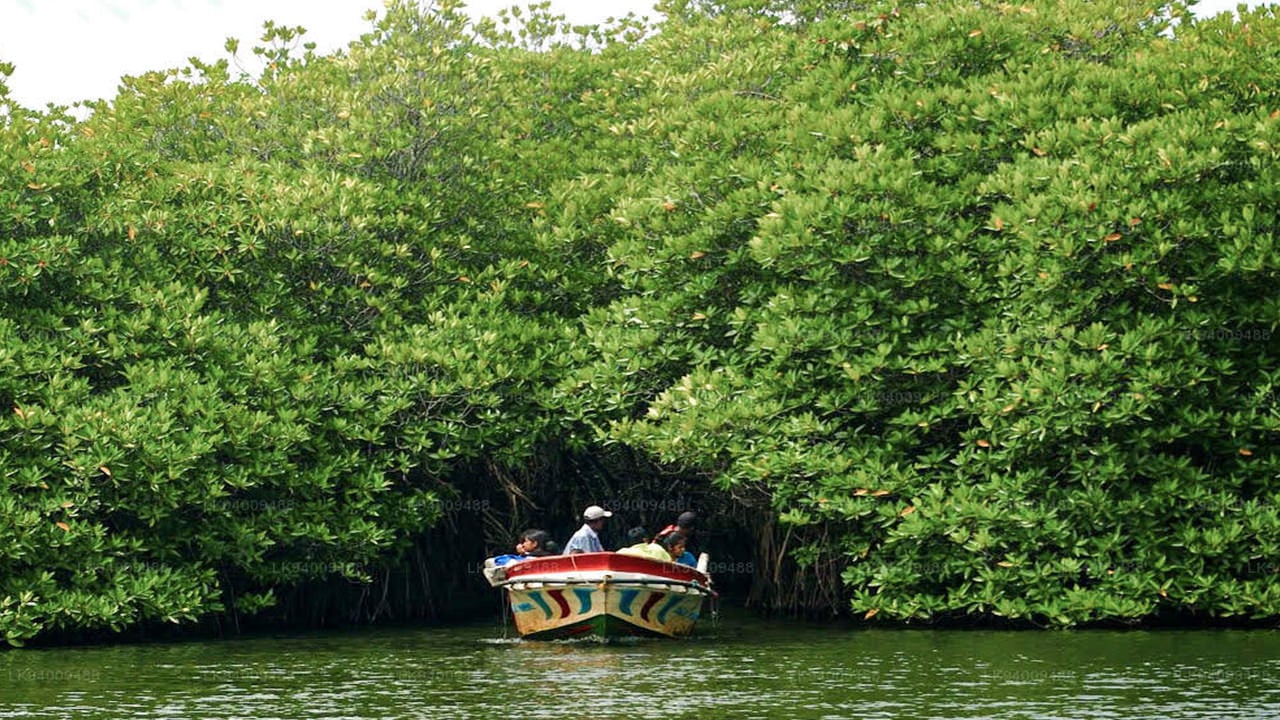
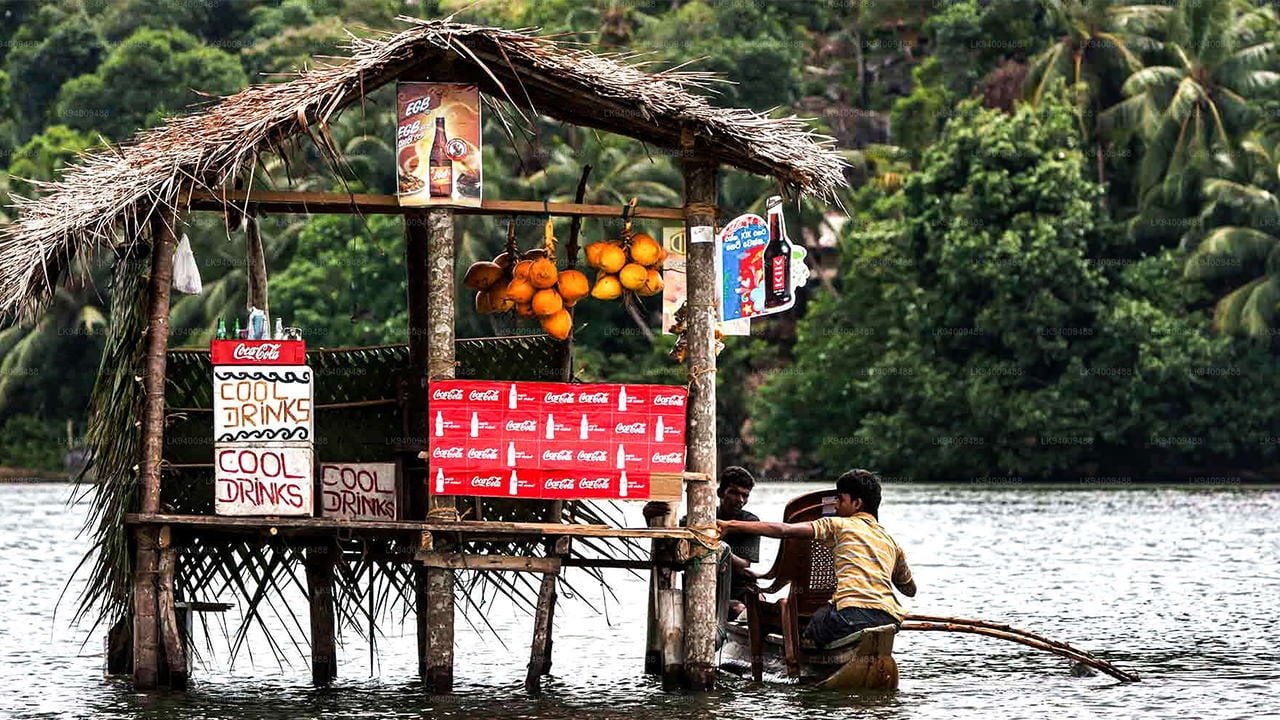
About 80 km south of Colombo, tucked behind the fishing town of Balapitiya in the Galle district, the Madu River — known locally as Madu Ganga — winds through one of Sri Lanka's most ecologically intact coastal wetlands before opening into the broad Madu Lagoon and finally reaching the Indian Ocean. The river and its surrounding mangrove forests were inscribed under the Ramsar Convention on Wetlands, recognising their international importance for biodiversity and coastal protection. For travellers looking beyond the beach, the Madu River offers a genuinely immersive encounter with a living ecosystem that has survived largely undisturbed.
What makes the Madu River ecosystem significant?
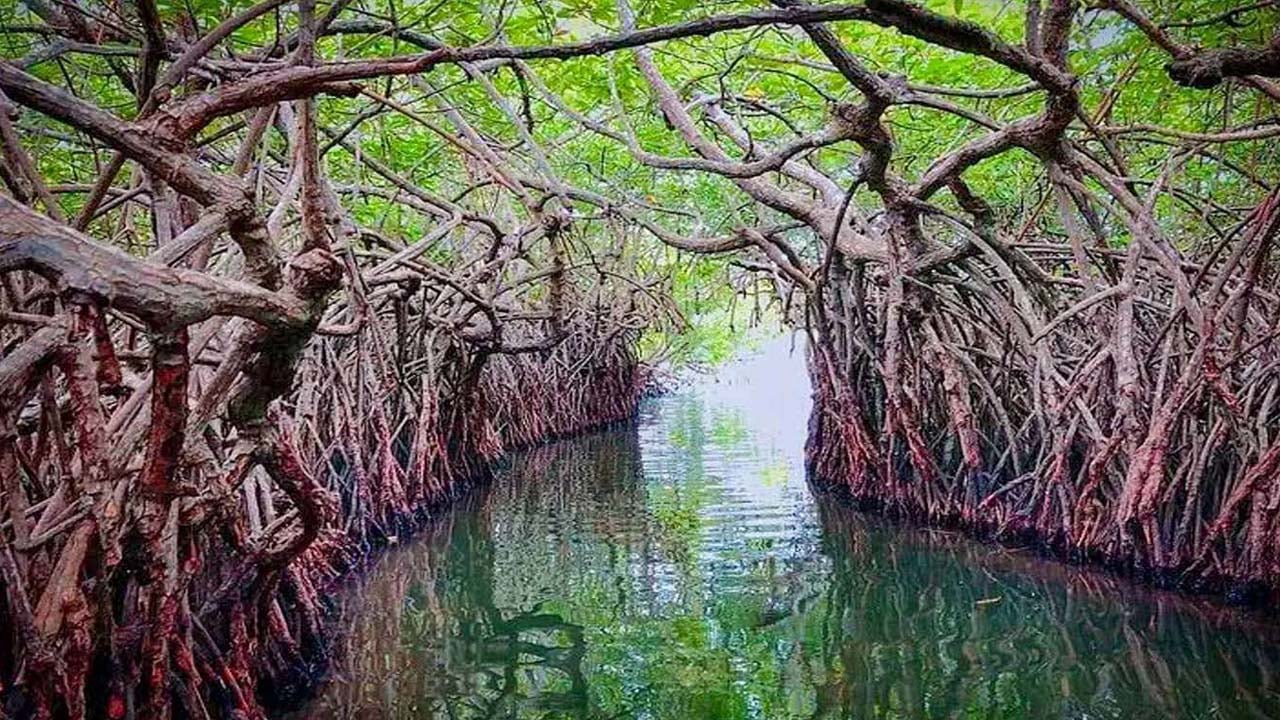
The wetland covers more than 61 hectares of swampy marshland dominated by mangrove forest — one of the healthiest mangrove systems remaining on Sri Lanka's southwest coast. Of the 24 mangrove species recorded in Sri Lanka, 14 are present here, alongside over 300 wetland plant species, 19 of which are endemic to the island. The dense root networks do more than support wildlife: during the December 2004 Indian Ocean tsunami, the mangrove belt acted as a natural buffer, substantially reducing flood damage to communities inland of Balapitiya — a fact that reshaped conservation priorities across the region.
The forest floor beneath the mangroves is unusually fertile. Leaf litter and tidal deposits build up rich organic sediment that sustains epiphytes, climbing plants, and a layered understorey rarely seen in more exposed coastal zones. Biologists continue to survey the interior of the forest, and new invertebrate and plant species are still being documented in areas that remain difficult to access by boat.
What wildlife can I see on the Madu River?
The Madu River wetland supports a wide cross-section of fauna for an area of its size. Birdwatchers tend to find the most to observe: more than 111 bird species have been recorded here, including resident kingfishers, cormorants, purple herons, and several species of egret. Migratory species supplement the resident population during the northern winter months, making the period from October to March particularly rewarding.
- Birds: 111+ recorded species, including kingfishers, cormorants, herons, and seasonal migrants
- Reptiles: 31 species, among them water monitors, several snake species, and estuarine crocodiles
- Mammals: wild boar, toque macaques, and several species of squirrel
- Invertebrates: over 50 butterfly species and 25 mollusc species recorded
Crocodile sightings are relatively common along quieter stretches of the river, particularly in the early morning. Boatmen who know the waterway well can position visitors safely at a distance for good views. For more information on crocodile encounters across Sri Lanka, see our guide to Crocodile Watching.
How do I explore the Madu River — what are my options?
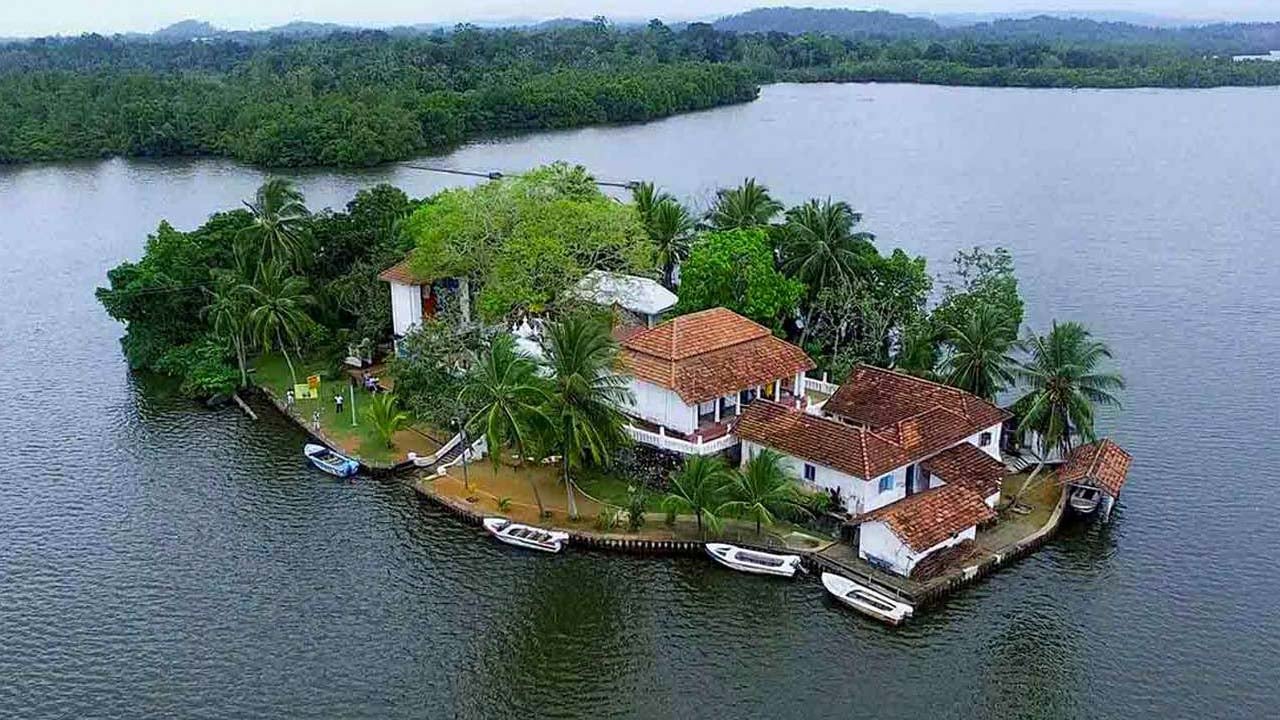
The standard way to experience the wetland is by flat-bottomed motorboat or traditional dugout canoe. Operators based in Balapitiya run trips ranging from 45 minutes to two hours, navigating channels between the mangrove islands and stopping at points of ecological or cultural interest. Some itineraries include a visit to a cinnamon island, where local farmers still peel and roll cinnamon bark by hand using techniques unchanged for generations, or a stop at a small Buddhist temple situated on one of the river's larger islets.
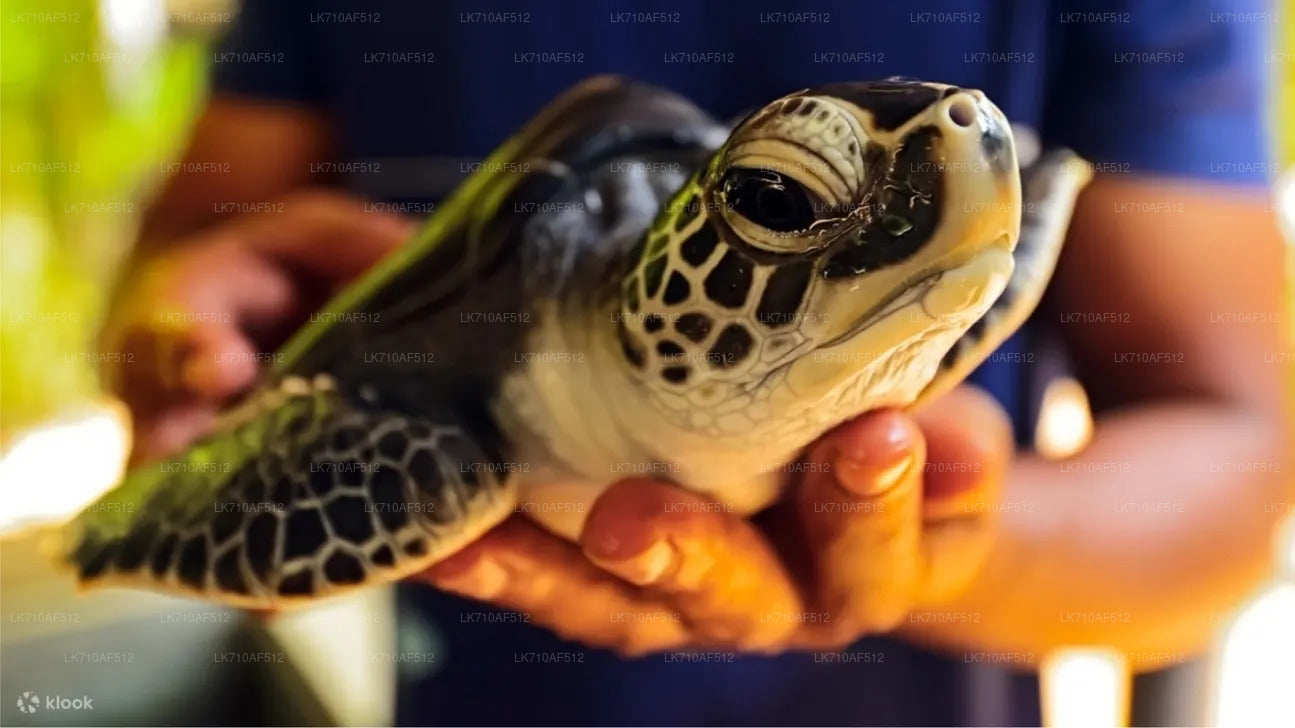
A popular combination excursion pairs the river safari with a visit to a nearby sea turtle hatchery along the coast, giving travellers an afternoon that covers both freshwater and marine conservation in a single outing. The Madu River Safari page covers route options and what to expect in more detail.
Independent travellers can reach Balapitiya by train from Colombo Fort station — the coastal line stops at Balapitiya and the journey takes roughly two hours. Boat jetties are a short walk from the station. Private transfers from Colombo, Galle, or Mirissa are straightforward to arrange and allow you to set your own start time.
When is the best time to visit the Madu River?
The southwest coast of Sri Lanka has two distinct weather patterns to consider. The inter-monsoon period from December to April tends to offer the most settled conditions, with calmer water on the estuary and more consistent visibility for wildlife spotting. Birdlife peaks during this period as migratory species are present alongside residents.
The southwest monsoon, which typically runs from May to September, brings heavier rainfall to the Galle district. Boat trips are still possible during this period — the river itself remains navigable — but afternoon showers are common and some of the smaller channels can become overgrown or muddy. If you are visiting Galle or the southern beaches during the shoulder season, an early-morning river trip before the rain sets in is a practical approach.
| Period | Conditions | Best for |
|---|---|---|
| December – April | Dry, calm, low humidity | Birdwatching, photography, combined coastal day trips |
| May – September | Southwest monsoon, afternoon rain | Early-morning wildlife; fewer crowds |
| October – November | Inter-monsoon, occasional showers | Migrant arrival period; lush vegetation |
What else is near the Madu River?
Balapitiya sits midway between Colombo and Galle, which makes the river easy to incorporate into a southwest coast itinerary. The Kosgoda Sea Turtle Conservation Project is a short drive north and rehabilitates injured sea turtles as well as protecting nesting beaches — a worthwhile stop for anyone with an interest in marine conservation. Galle Fort and the old Dutch colonial quarter of Galle are roughly 40 km to the south, offering a half-day of history and architecture before or after the river.
For travellers building a longer southern itinerary, the Sinharaja Forest Reserve — Sri Lanka's UNESCO-listed rainforest and one of the island's most important biodiversity hotspots — is accessible from the same coastal base, typically as a full-day excursion into the interior. Details on planning a visit are available on the Sinharaja Forest Reserve page.
Is the Madu River protected, and why does that matter?
The Madu Ganga wetland is listed as a Ramsar Site under the Ramsar Convention, an intergovernmental treaty that commits signatory countries to the wise use and conservation of wetlands of international importance. This designation does not prevent tourism — it shapes it. Boat operators are required to follow designated channels, and the number of vessels on the river at any one time is informally regulated by the local community. Responsible tourism in this area directly supports the livelihoods of fishermen and boat operators who have a financial stake in keeping the ecosystem healthy.
Mangrove replanting initiatives are ongoing in sections of the wetland where forest cover was reduced in prior decades, and several community groups monitor water quality and illegal fishing within the reserve boundaries. Visitors who choose licensed operators contribute to the economic case for conservation over extraction.