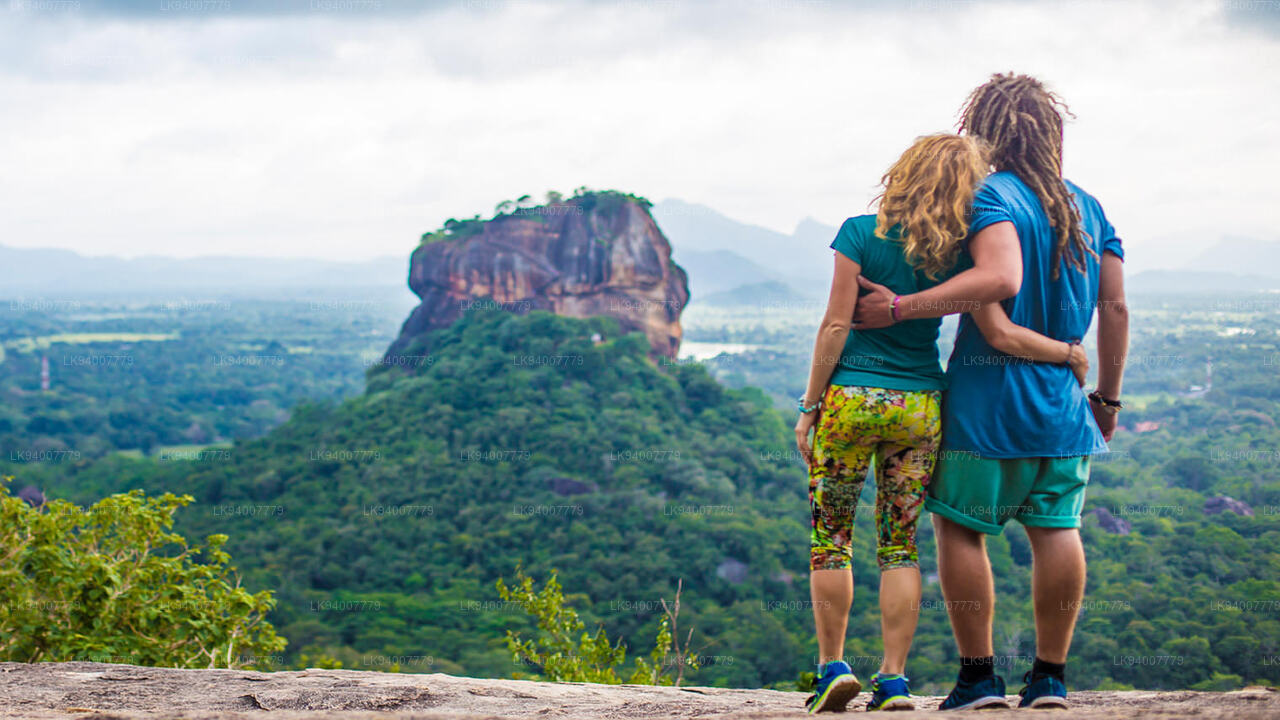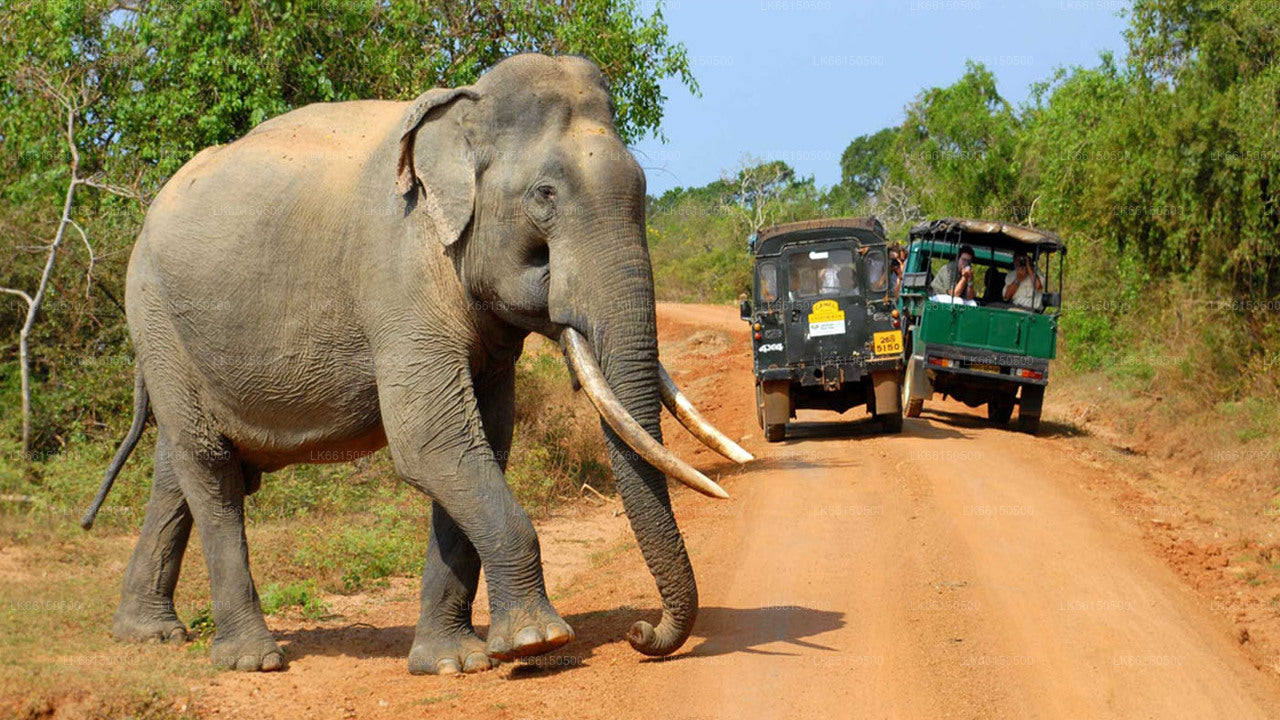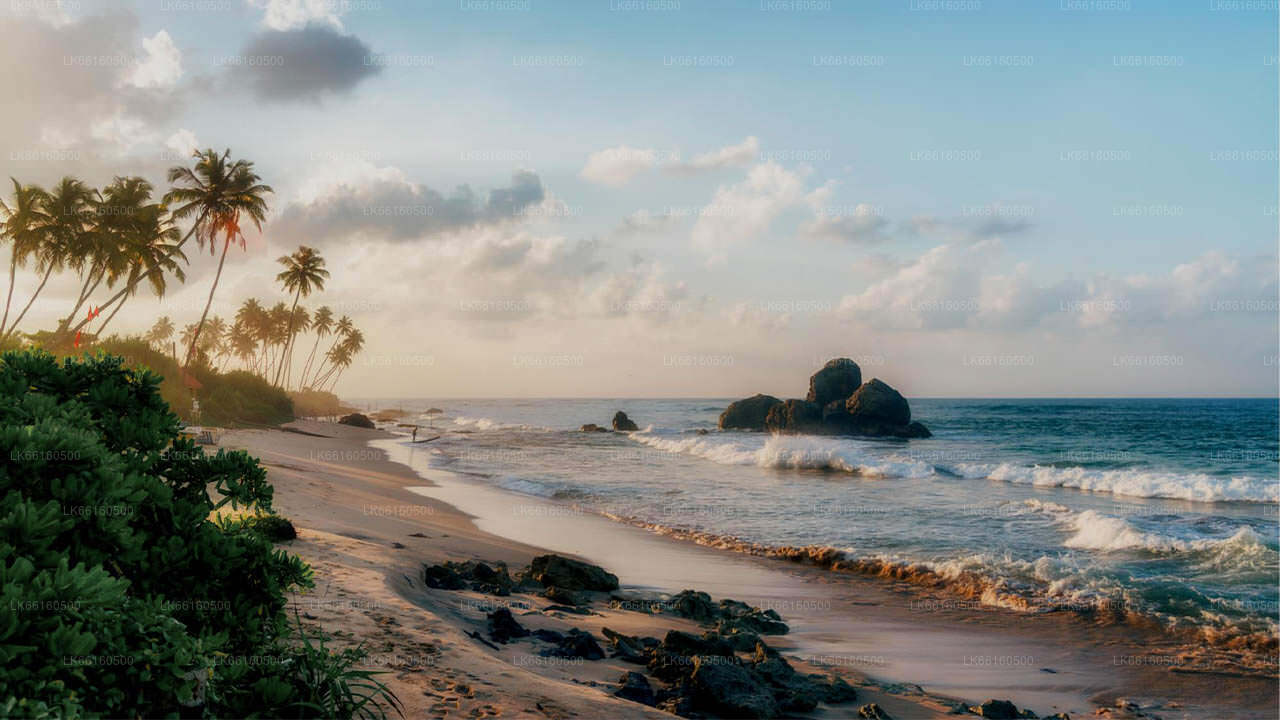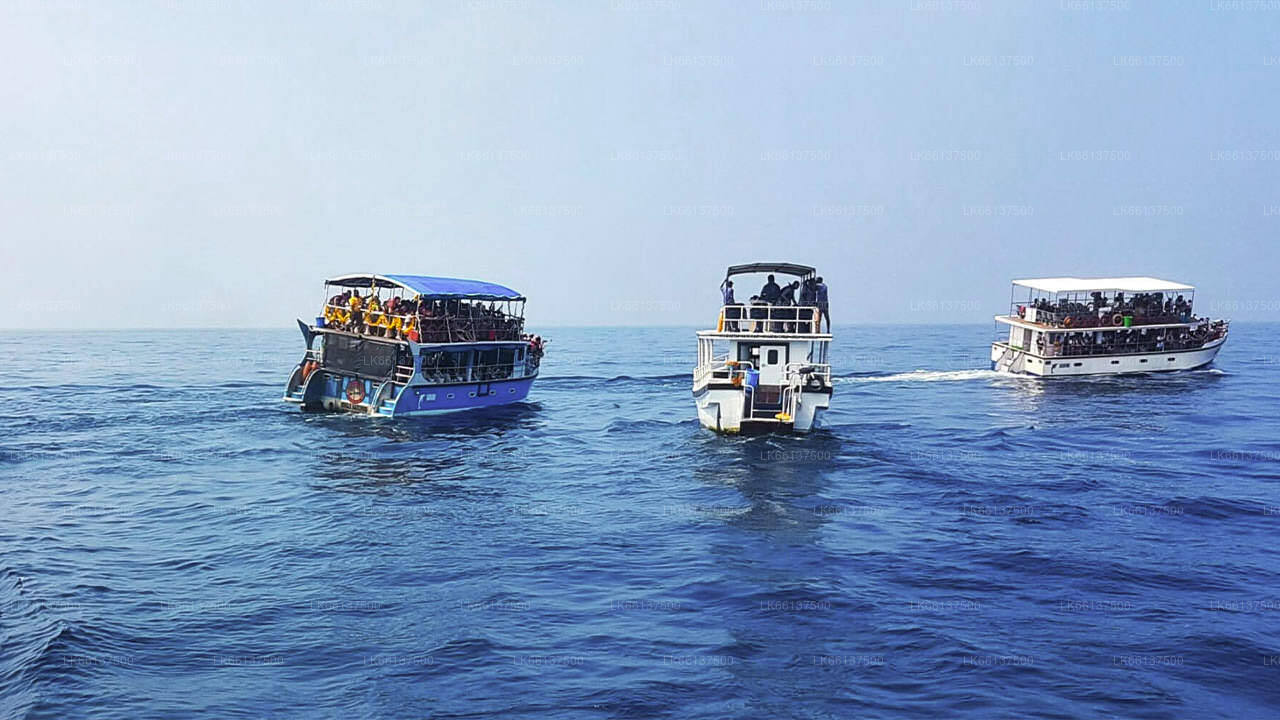
Elpitiya is a fast-growing market town in the Galle District of Sri Lanka's Southern Province. Rooted in plantation agriculture, it has expanded steadily over the past few decades and today serves as one of the larger urban centres in the district. Visitors passing through the southern coastal belt often find Elpitiya a useful gateway to the region's interior, where rolling estates of cinnamon, tea, and rubber stretch across the low hills.
Where exactly is Elpitiya, and how do I get there?
Elpitiya sits roughly 16 km inland from Ambalangoda on the coast, and it is well connected by road. The most direct route for travellers coming from Colombo is the Southern Expressway: take the Kurudugahahetekma Interchange, which is around 3.8 km from the town centre. Those preferring the scenic coastal route can follow the Colombo–Galle main road and branch off at Bentota, Kosgoda, or Ahungalla — all three junctions feed into Elpitiya. The expressway option typically cuts travel time from Colombo to under two hours, depending on traffic at the city end.
Public buses connect Elpitiya to Galle, Ambalangoda, and Colombo several times daily. Private taxis and air-conditioned cars arranged through Lakpura offer a more comfortable alternative, particularly for families or those carrying luggage after a long flight.
What is Elpitiya known for producing?
The town's identity is inseparable from plantation agriculture. Cinnamon is the headline crop: the area's warm, humid climate is ideal for Cinnamomum verum, the true spice variety prized worldwide. Sri Lanka supplies the vast majority of global true cinnamon, and Elpitiya's estates contribute meaningfully to that output.
Low-grown Ceylon tea is the second pillar of the local economy. More than a dozen tea factories operate in and around the town, processing leaves from surrounding smallholdings and estates. The teas produced at lower elevations tend to be bold and full-bodied, distinct in character from the high-grown teas of Nuwara Eliya or Ella.
- Cinnamon: harvested from the inner bark of cinnamon trees, peeled by hand and dried into the familiar quills; you can sometimes arrange visits to small peeling workshops near the town.
- Tea: low-grown bushes yield leaves for robust black teas; local factories occasionally welcome visitors during the morning flush.
- Rubber: a single large rubber factory operates in the area, part of a network of plantations that once formed the backbone of the southern economy.
- Paddy: rice cultivation continues on the flat lands bordering the town, adding a different texture to the agricultural landscape.
What is the history behind Elpitiya's development?
Local accounts trace the town's origins to the plantation era, when colonial land clearances created large estates across the southern lowlands. A small service settlement grew around the labour and trade needs of those plantations — a pattern repeated across much of rural Sri Lanka. Over generations, that nucleus accumulated shops, schools, temples, and administrative offices until it became the substantial town it is today.
The opening of the Southern Expressway accelerated a second wave of growth. Better access to Colombo encouraged new commercial activity and housing development, and Elpitiya now functions as a regional hub for surrounding villages. It holds its own electorate within Galle District and hosts one of the district's newer Police Divisions, reflecting both its population size and its administrative importance.
What can I see and do near Elpitiya?
Elpitiya itself is primarily a working town rather than a tourism hotspot, but its location makes it an excellent base for exploring several compelling attractions within an hour's drive.
- Sinharaja Forest Reserve: Sri Lanka's last significant tract of lowland rainforest lies to the south and east, a UNESCO World Heritage Site that is exceptional for birdwatching and nature walks. The Sinharaja Forest Reserve typically takes around an hour to reach from Elpitiya via Deniyaya.
- Madu Ganga: the Madu River Safari is one of southern Sri Lanka's most popular half-day experiences. Flat-bottomed boats glide through a labyrinth of mangrove islands, passing cinnamon-peeling demonstrations and small Buddhist temples. Balapitiya, the main embarkation point, is roughly 20 km away.
- Kosgoda Turtle Conservation: the coastal stretch near Kosgoda protects nesting sea turtles year-round. The Kosgoda Sea Turtle Conservation Project accepts visitors who wish to see hatchlings released at dawn or dusk.
- Galle Fort: the Dutch colonial fort at Galle is a UNESCO-listed landmark reachable in under an hour. A Galle City Tour pairs naturally with a stay in the Elpitiya area.
- Cycling through the estates: guided cycling routes wind through cinnamon and rubber plantations on quieter back roads — a rewarding way to experience the agricultural landscape at a slower pace.
When is the best time to visit Elpitiya?
The Southern Province has two distinct weather patterns. The southwest monsoon, which typically runs from May to September, brings heavy rainfall to this part of the island. For drier, clearer days, the period from December to April is generally preferable — the northeast monsoon that affects Trincomalee and Jaffna during those months largely spares the south coast.
That said, Elpitiya's interior location means it catches rain somewhat more reliably than the immediate coast. The estate landscape is at its greenest right after the rains, and many visitors find the countryside particularly photogenic in the weeks following heavy showers, when mist clings to the plantation hills in the early morning.
Where should I stay in or near Elpitiya?
Accommodation options in Elpitiya town itself are modest — guesthouses and small hotels serving business travellers and transit guests. For more comfortable stays, visitors typically choose properties along the southern coast between Bentota and Galle, using Elpitiya as a day-trip destination. Lakpura can arrange transfers between Colombo Bandaranaike International Airport and Elpitiya properties, removing the logistical complexity of navigating unfamiliar roads on arrival.
Is Elpitiya worth including in a Sri Lanka itinerary?
Elpitiya suits travellers who want to look beyond the obvious coastal resorts and spend time in a working Sri Lankan town surrounded by agricultural land. It is not a destination built around tourism infrastructure, which is precisely its appeal for those seeking a more grounded experience. Combined with day excursions to Sinharaja, the Madu Ganga wetlands, or the Galle coast, it fits naturally into a broader southern Sri Lanka circuit.