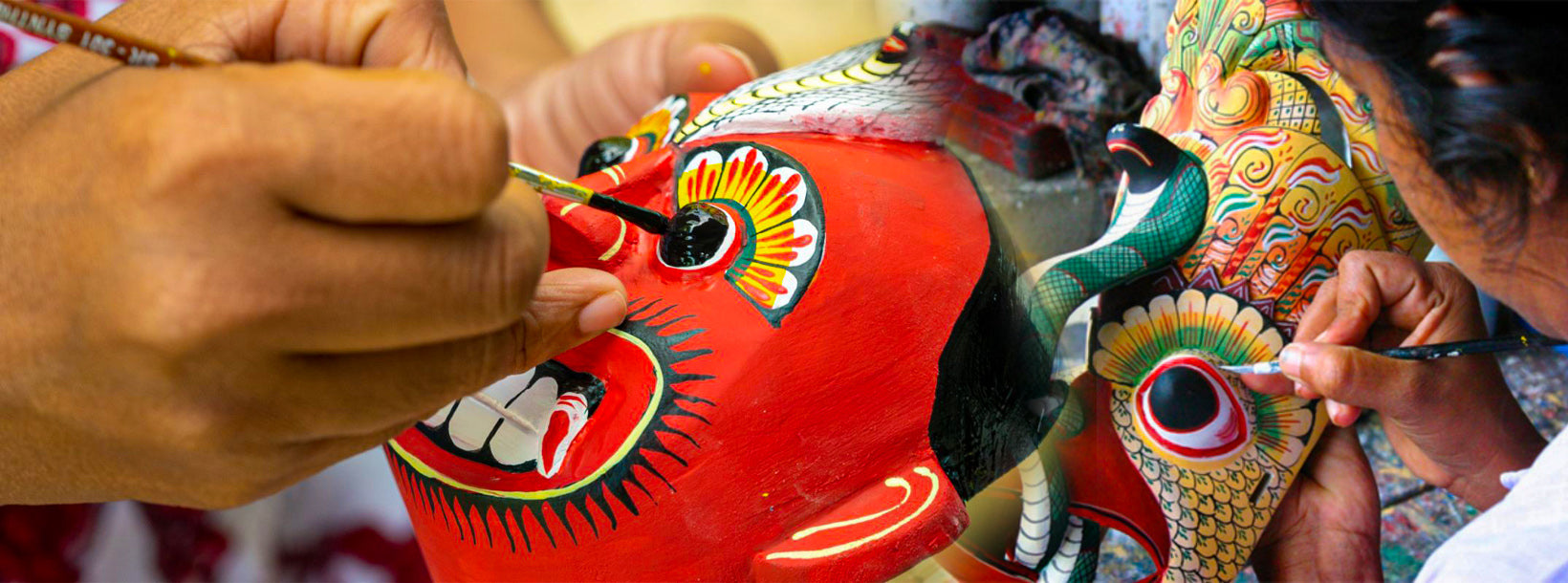
Handloom


Sri Lanka's Handloom Textile Industry is centuries old. The industry has helped showcase the undying creativity of generations of Sri Lankans taking them to the international arena. A range of designs and colours, individual and innovative designs, craftsmanship, colour combination and patterns are handed down from generation to generation. The Handloom Textile Industry is a highly labour intensive export-oriented rural based industry in Sri Lanka. The industry produces predominantly cotton and silk products, utilizing cotton and silk yarn. Generally, with low capital costs and running expenses, handloom is a household or cottage industry, where skilled hands create value added products. Another feature is that the industry has the flexibility to supply both in small quantities and in larger quantities as well as styles to fit individual tastes and requirements of different buyers from various cultures.
There is immense potential for use of alternative raw materials, abundantly available in Sri Lanka. Traditionally, Sri Lanka’s weavers have been divided into two groups of indigenous weaving communities such as Thalagune, and migrants, often master weavers from India brought to the island to make fine gold-woven cloths for ceremonial use and for the royals. The local handloom tradition has also been influenced by waves of foreign immigrants, such as the Moor community, descendants from Arab traders from the Middle East. Handloom textile weaving is largely a home or community-based industry. Traditionally, Sri Lanka’s indigenous weavers have maintained a different aesthetic, where their patterns and colours tend to be more restrained. Yarn was home spun from cotton cultivated in chenas, while natural dyes were used from seeds, flowers, bark and roots. Most handloom designs depict nature inspired forms and patterns. Geometrical patterns are also common in Thalagune textiles, such as the katuru mala – crossed petals like a pair of scissors, botapata – two triangles apex to apex and mal petta – geometrical flower petals.


Explore Arts and Crafts
-
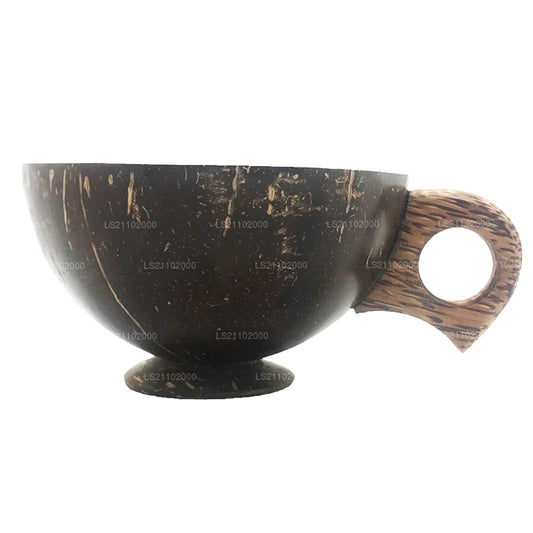 In offerta
Coppa in guscio di cocco fatta
Prezzo di listino $2.42 USDPrezzo di listino$2.68 USDPrezzo scontato $2.42 USDIn offerta -
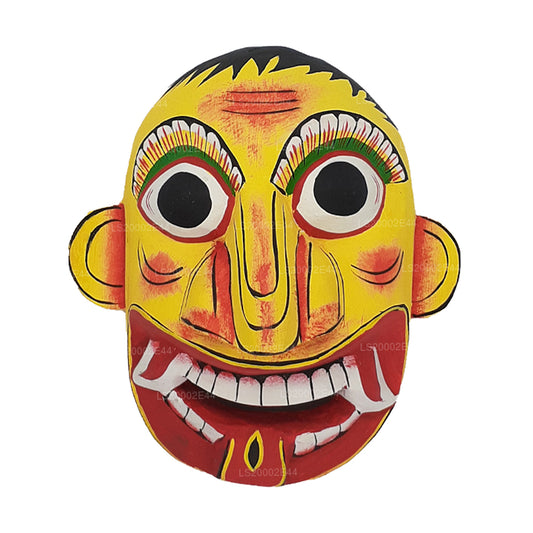 In offerta
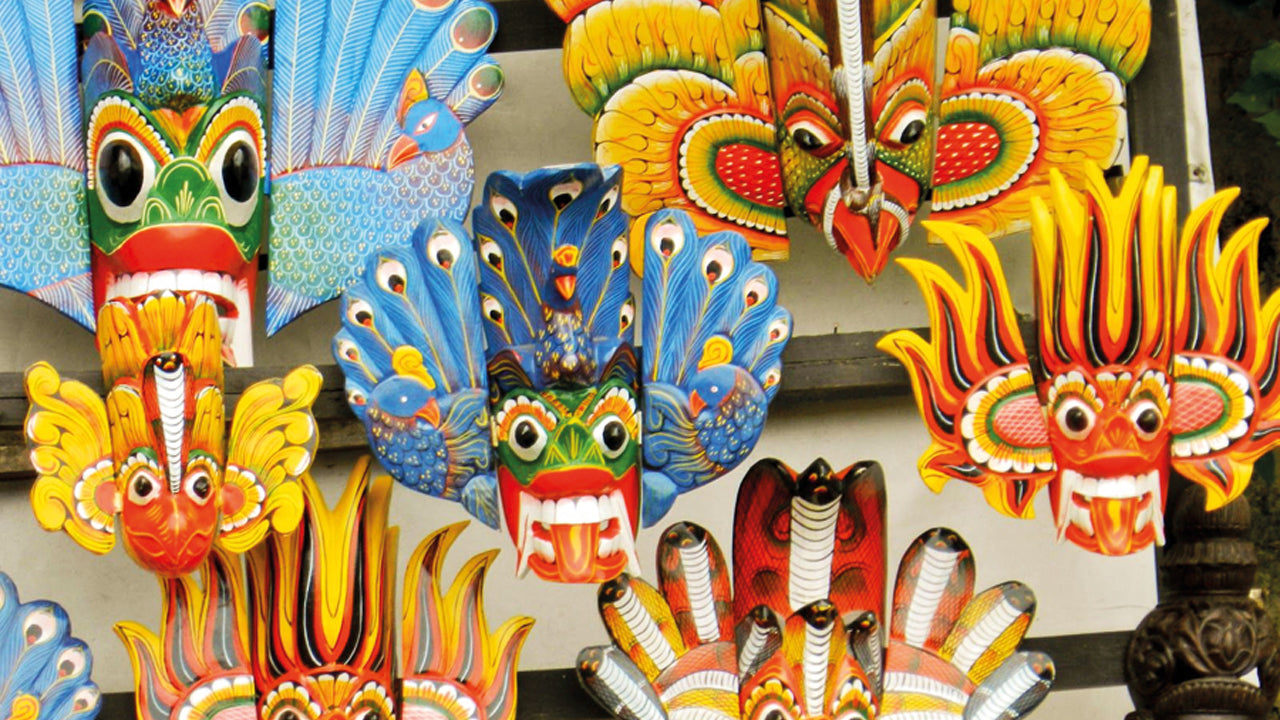
Selesma Sanniya Mask
Prezzo di listino Da $24.16 USDPrezzo di listino$26.84 USDPrezzo scontato Da $24.16 USDIn offerta -
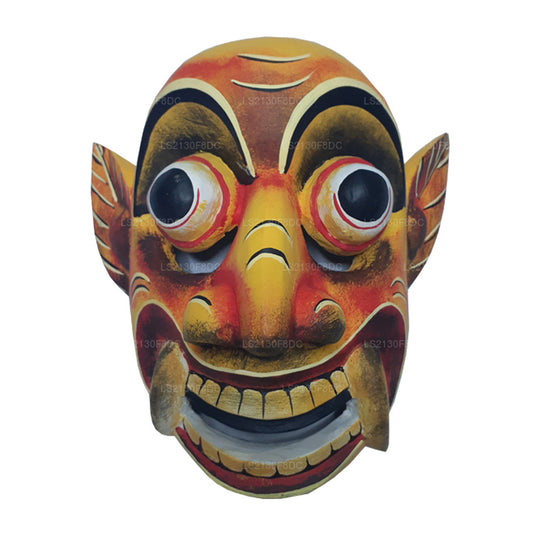 In offerta
Bheetha Sanniya Mask
Prezzo di listino Da $24.16 USDPrezzo di listino$26.84 USDPrezzo scontato Da $24.16 USDIn offerta -
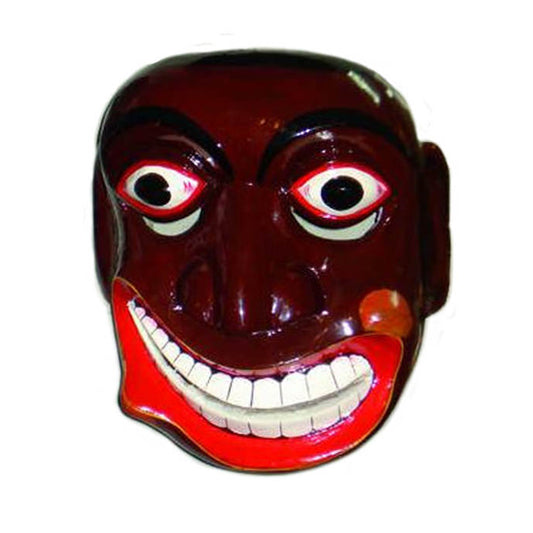 In offerta
Maschera Vedi Sanniya
Prezzo di listino Da $25.53 USDPrezzo di listino$30.32 USDPrezzo scontato Da $25.53 USDIn offerta