Lakpura
Lakpura®

Rosemary

Rosemary (Rosmarinus officinalis, sometimes reclassified as Salvia rosmarinus) is a small, woody, evergreen shrub belonging to the mint family, Lamiaceae. Native to the Mediterranean basin, it has naturalised across much of Europe and is cultivated in warm-climate gardens worldwide — including in Sri Lanka's cooler hill-country elevations. Its needle-like leaves carry a resinous, slightly piney fragrance that has made rosemary one of the most recognised culinary and medicinal herbs in the world.

What does rosemary look like?

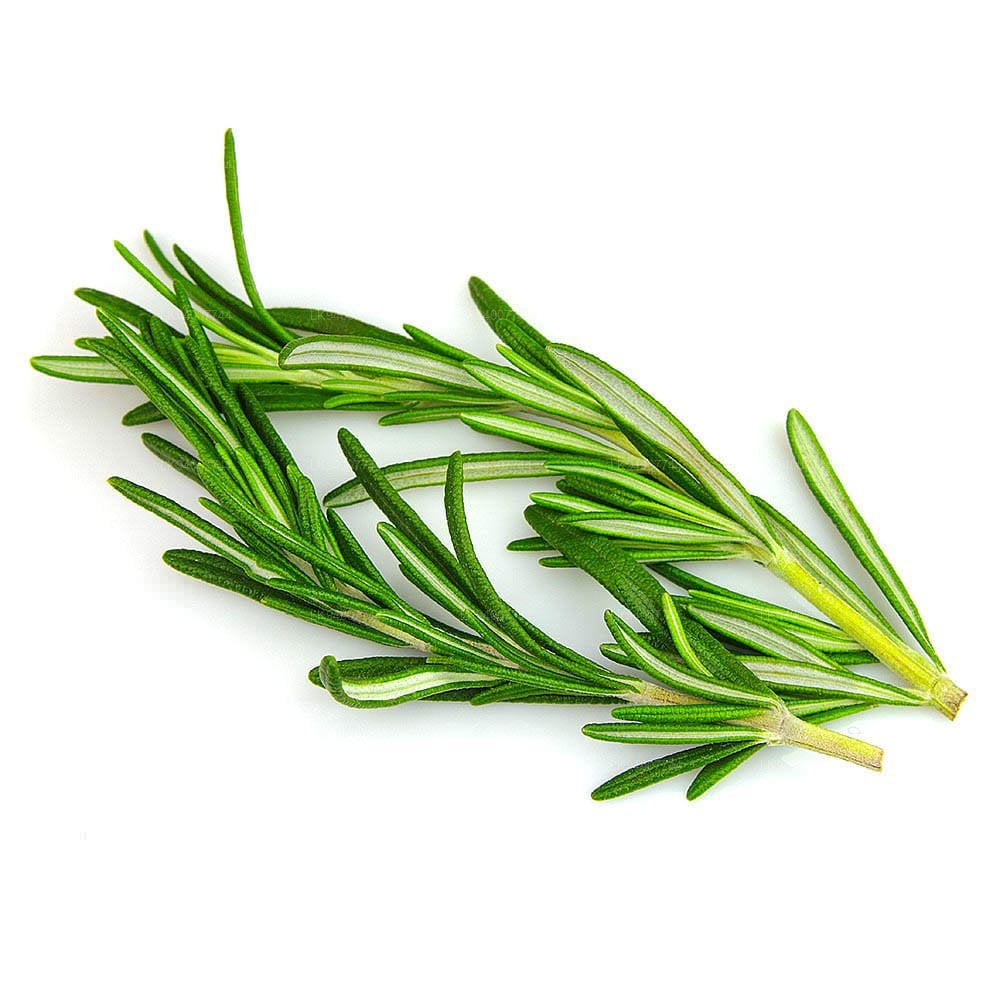
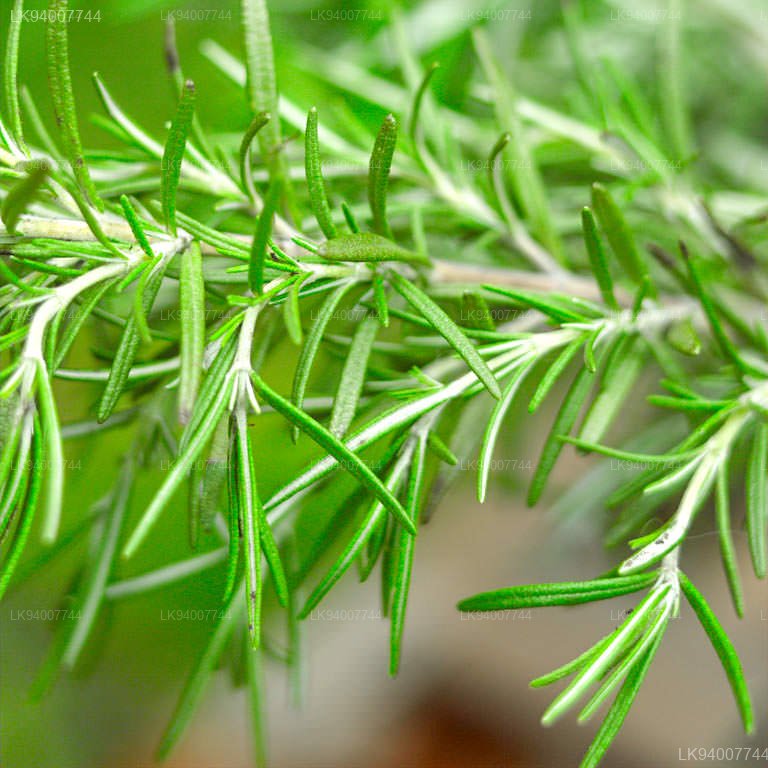
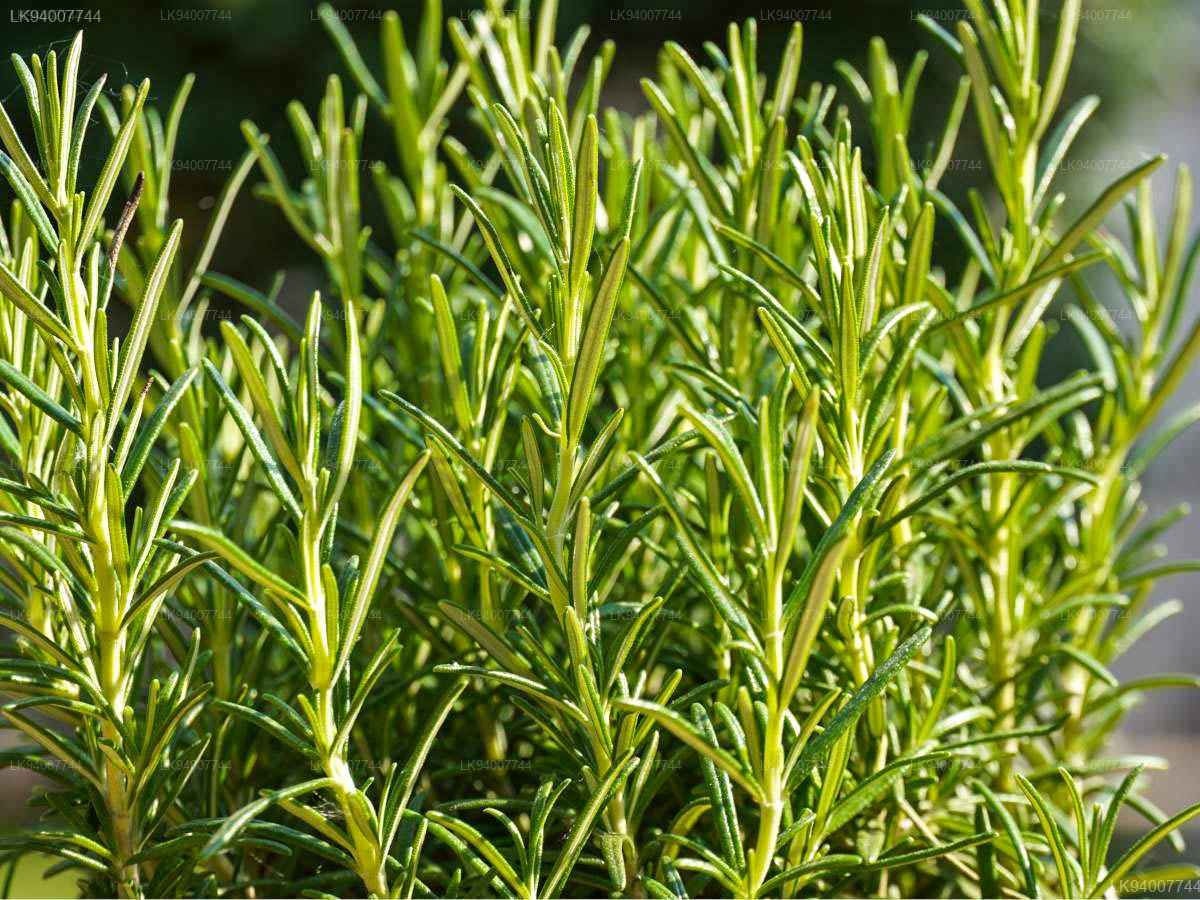
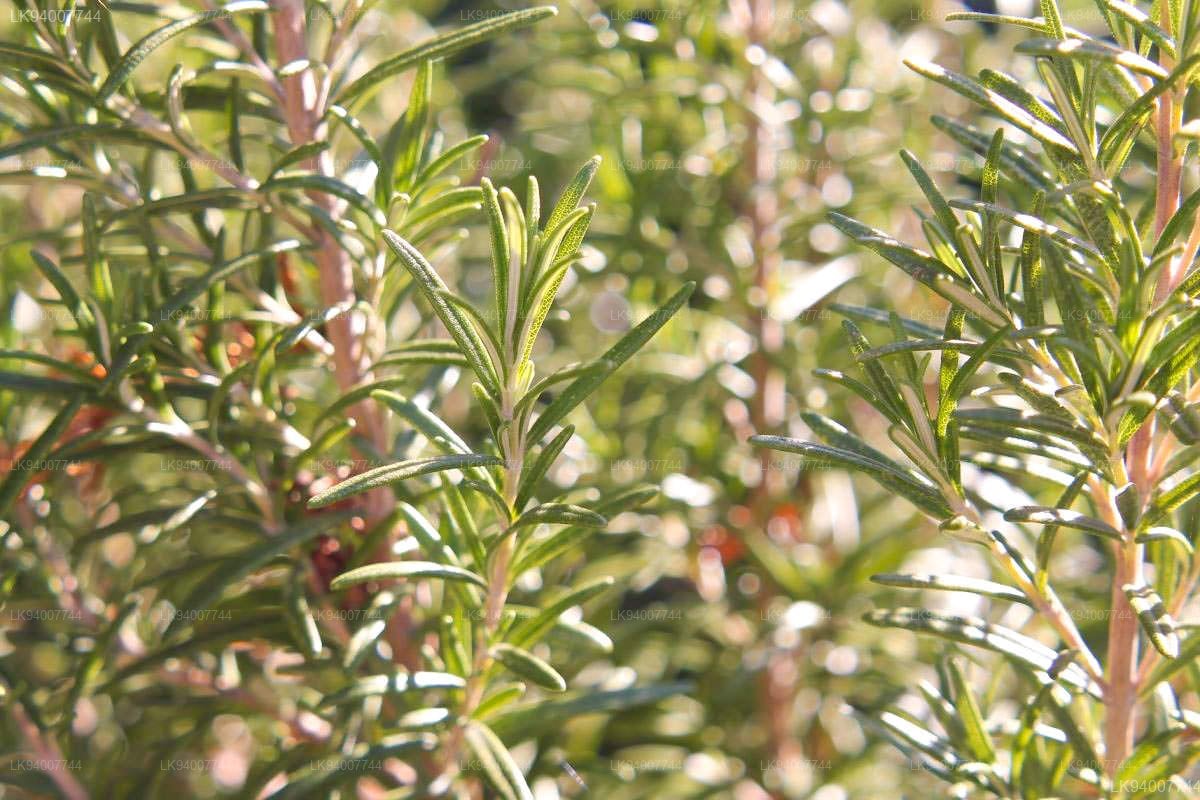
Rosemary typically grows to around 1 metre in height, though well-established plants in sheltered spots can reach closer to 2 metres. The leaves are linear and narrow — roughly 1 cm long — and closely resemble small curved pine needles. Their upper surface is dark green and glossy, while the underside is whitish with slightly curled margins, a structure that helps reduce moisture loss in hot, dry conditions.

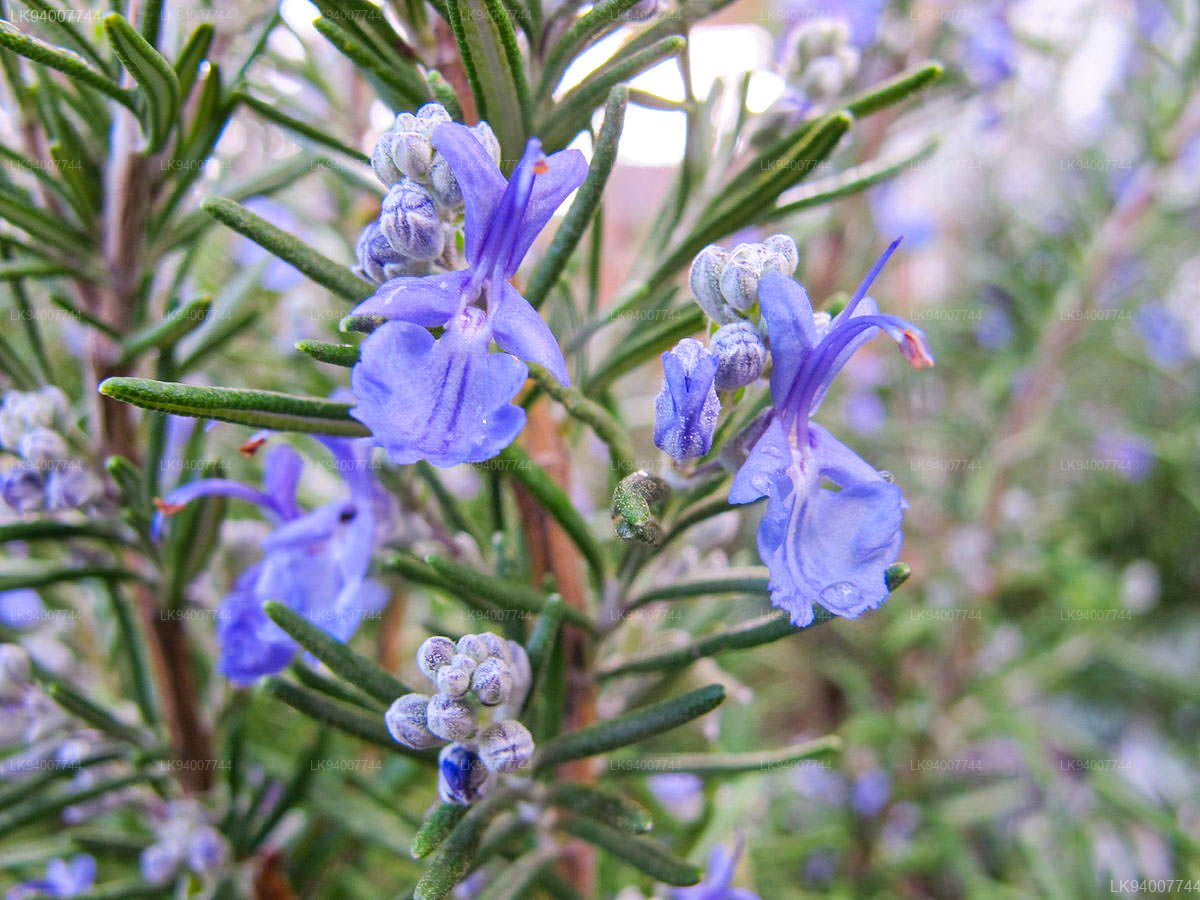
Flowers are small, borne in tight axillary clusters, and range from pale blue to violet. They appear in spring and early summer in most climates and are a reliable source of nectar for bees. The overall habit of the plant is dense and upright, making it as useful as a low hedge or border plant as it is in a kitchen garden.

How is rosemary used in cooking?

Few herbs cross as many culinary traditions as rosemary. Its leaves — used fresh or dried — pair naturally with robust, fatty proteins: lamb, duck, pork, and chicken are the most common pairings in European cuisine. The herb also works well with sausages, seafood, stuffings, and hearty stews.

  • Vegetables: Potatoes, tomatoes, turnips, and root vegetables roasted with rosemary develop a savoury, aromatic crust.
  • Breads and pastries: Rosemary focaccia is a well-known Italian staple; the herb is also used in savoury biscuits and crackers.
  • Infused oils and vinegars: A sprig steeped in olive oil or white wine vinegar for a few weeks transfers considerable flavour.
  • Beverages: Rosemary appears in craft cocktails, herbal teas, and as a botanical in vermouth and certain gins.

Because the flavour intensifies on drying and can become bitter if overused, most cooks add whole sprigs during long cooking and remove them before serving.

What are the traditional and modern health uses of rosemary?

In ancient times, rosemary was associated with memory and mental clarity — scholars in classical Greece reportedly wore garlands of it during study. This folkloric connection has attracted modern scientific interest: several studies have examined whether rosemary compounds, particularly 1,8-cineole, can influence cognitive performance and alertness, though research is still ongoing.

Traditional herbal medicine used rosemary as an aromatic tonic and as a constituent of liniments applied for muscle and joint discomfort. Topical preparations and rosemary-infused hair rinses have been used for centuries across Mediterranean and Middle Eastern traditions.

Today, black pepper and rosemary are among the culinary herbs whose essential oils are frequently paired in aromatherapy blends for their warming, stimulating character. Rosemary essential oil — obtained by steam distillation of the fresh flowering tops and leaves — contains borneol, camphor, and cineole as its principal active components. The oil is used in toiletries including shampoos, scalp treatments, massage oils, and eau de cologne. The essential oil content of the plant typically ranges from about 0.3 to 2 percent, varying with cultivar, climate, and harvest timing.

How do you grow rosemary successfully?

Rosemary is a forgiving plant in the right climate but demands good drainage above almost everything else. Waterlogged roots are the most common cause of failure. Below are the key growing requirements:

Factor Ideal Condition
Sunlight Full sun, at least 6 hours daily
Soil Sandy or loamy, well-drained, slightly alkaline to neutral pH
Watering Moderate; allow soil to dry between waterings
Temperature Thrives in warm, dry climates; frost-sensitive in most varieties
Propagation Easiest from stem cuttings; seeds are slow and variable
Spacing Around 45–60 cm between plants to allow air circulation

When thinning seedlings or young transplants, cut the stem at soil level rather than pulling the plant out — pulling can disturb the root systems of neighbouring plants. Container growing is practical provided the pot is deep enough to accommodate the tap root and has adequate drainage holes.

Rosemary is generally resistant to most common pests and diseases, though powdery mildew can appear in humid conditions with poor airflow. Spittlebugs are a frequent but largely harmless visitor. Pruning after flowering keeps the plant compact and encourages fresh, leaf-rich growth for harvest.

Where does rosemary grow in Sri Lanka?

Sri Lanka's lowland tropics are typically too hot and humid for rosemary to thrive, but the cooler elevations of the central highlands — particularly around Nuwara Eliya and surrounding hill-country districts — offer conditions much closer to the Mediterranean climate the plant prefers. Small-scale herb gardens and organic farms in these areas cultivate rosemary alongside other temperate herbs for the hotel, restaurant, and wellness tourism markets.

For travellers interested in Sri Lanka's herb and spice culture more broadly, the island's relationship with botanicals is long and layered — from ancient Ayurvedic traditions to the commercial cultivation of spices like cloves (Syzygium aromaticum) that made Sri Lanka famous in the medieval spice trade.

How is rosemary different from similar herbs?

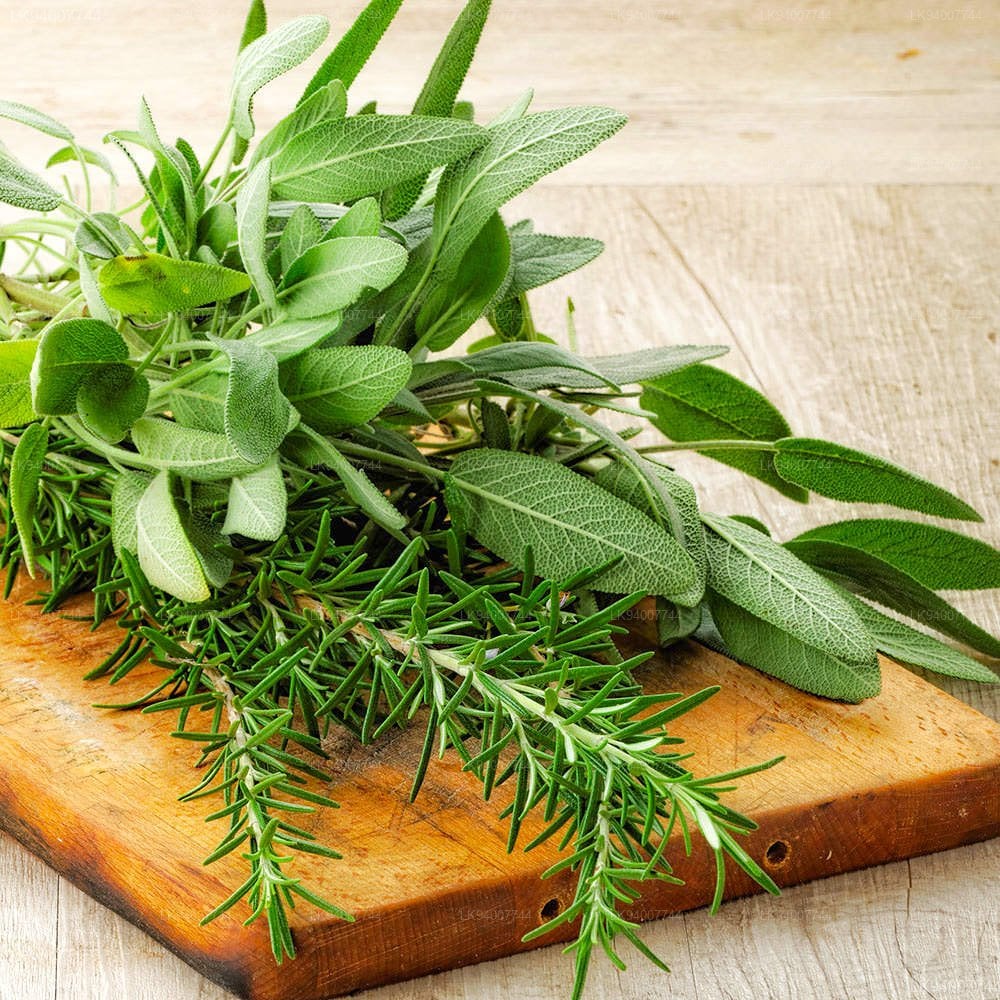
Rosemary is sometimes confused with thyme or lavender at a distance, as all three are woody Mediterranean shrubs with small leaves and blue-purple flowers. The easiest distinction is scent: rosemary carries a distinctly piney, camphor-like aroma, whereas thyme is earthier and lavender is floral. Culinary uses overlap occasionally — thyme substitutes for rosemary in many recipes — but the flavour profiles are different enough that the swap is noticeable in bold-flavoured dishes like roast lamb.

Taxonomically, rosemary was traditionally placed in its own genus, Rosmarinus, with only a handful of species. More recent molecular analysis has led many botanists to merge it into the broader Salvia genus, making it a close relative of common sage. The reclassification does not affect its culinary or horticultural use but is worth noting when consulting botanical references.

How should rosemary be stored and preserved?

Fresh rosemary keeps well for one to two weeks when the cut stems are placed upright in a small glass of water in the refrigerator, covered loosely with a bag. Alternatively, wrap sprigs in a barely damp paper towel and store in an airtight container.

For longer storage, drying is the most practical method. Hang bundles upside down in a warm, well-ventilated spot away from direct sunlight. Once fully dry — typically within two weeks — strip the leaves and store them in an airtight glass jar away from heat and light. Properly dried rosemary retains useful flavour for up to a year, though potency gradually fades after six months.

Freezing is another option: pack whole sprigs into a zip-lock bag or chop the leaves, mix with a small amount of water or olive oil, and freeze in ice cube trays for portion-ready use in cooking.

Book this experience with Lakpura

Curated by our local team. Direct booking, instant confirmation.

Ask Lakpura® Agent