Nymphaea pubescens, widely known as the hairy water lily or pink water lily, is one of Sri Lanka's most recognisable aquatic flowering plants. Known locally as Nelum (නෙළුම්), it belongs to the family Nymphaeaceae and thrives in the shallow lakes, village tanks, and slow-moving streams that punctuate the island's lowland wet and intermediate zones. Beyond its botanical identity, this plant carries deep cultural resonance — appearing in temple offerings, Sinhala poetry, and centuries of artistic tradition.
What does Nymphaea pubescens look like?
Nymphaea pubescens is a perennial aquatic herb that anchors itself in submerged sediment while its broad, rounded leaves float at the water surface. The species name pubescens — Latin for "hairy" — refers to the fine, soft hairs that cover the undersides of the leaves and portions of the flower stalks, a detail that distinguishes it from closely related species.
The flowers are fragrant and typically open in the morning, displaying petals in shades ranging from soft pink to near-white with a warm yellow centre. Individual blooms sit just above the water on long, flexible stalks, and each flower typically lasts several days before the petals close permanently and the plant directs energy toward seed development.
- Leaf type: Floating, broadly ovate, with a distinctive notch at the base
- Flower colour: Pink to pale white, sometimes with a pinkish flush at petal tips
- Fragrance: Mild and sweet, most noticeable in the early morning hours
- Bloom season: Year-round in Sri Lanka's warmer lowland regions
Where does Nymphaea pubescens grow in Sri Lanka?
The species is broadly distributed across Sri Lanka's lowland wet zone and intermediate zone, and it is particularly common in the island's network of ancient irrigation tanks — man-made reservoirs constructed centuries ago and still in active use today. Rural paddy fields, village ponds, and the shallower margins of larger lakes also provide suitable habitat.
In the wild, Nymphaea pubescens gravitates toward calm, nutrient-rich, relatively shallow water — typically between 30 cm and 150 cm in depth. It does not tolerate fast-moving currents or highly acidic conditions. Sightings are frequent around the Cultural Triangle, the North Central Province's tank country, and the wet-zone lowlands of the Western and Sabaragamuwa provinces.
What is the ecological role of the hairy water lily?
Nymphaea pubescens is a keystone element of the freshwater ecosystems it inhabits. Its floating leaves shade the water column, slowing algal growth and helping to maintain water clarity. The plant's root systems and submerged stems anchor sediment, reducing turbidity in the tanks and ponds it colonises.
For fauna, the species provides layered benefits. Aquatic invertebrates use leaf surfaces and stems as feeding and breeding sites, which in turn supports small fish populations. Frogs and other amphibians shelter among the leaf pads, while nectar-seeking insects — including several bee species — visit the open flowers in the morning hours. This makes the hairy water lily a quiet but important contributor to broader lowland biodiversity.
How significant is Nymphaea pubescens in Sri Lankan culture?
Water lilies occupy a meaningful position in Sri Lanka's Buddhist and folk traditions, though their symbolic role is often conflated with that of the lotus. The white lotus (Nelumbo nucifera) is the more prominent symbol of purity in Buddhist iconography, but pink water lilies such as Nymphaea pubescens are regularly used in temple offerings and carried to shrines during Poya observances. The two plants are culturally intertwined under the broad umbrella of the Nelum tradition.
In classical Sinhala poetry, the Nelum flower is invoked as a symbol of beauty, transience, and calm — qualities that align with the Buddhist understanding of impermanence. The image of a lily resting on still water has also influenced traditional painting, decorative tile work, and contemporary design motifs seen throughout the island's architecture and craft traditions.
What threats does Nymphaea pubescens face in Sri Lanka?
Despite its adaptability, the hairy water lily faces a set of intersecting pressures that have reduced its range in certain areas. Pollution from agricultural runoff introduces excess nutrients and pesticide residues into freshwater bodies, disrupting the balance that native aquatic plants depend on. Urban and peri-urban expansion has led to the infilling and drainage of wetlands, eliminating habitat outright in some districts.
Biological competition is another significant factor. Invasive aquatic plants — particularly Salvinia molesta (Kariba weed) and Eichhornia crassipes (water hyacinth) — spread rapidly across still water bodies, forming dense mats that shade out native species like Nymphaea pubescens before they can establish or regenerate.
- Agricultural pollution: Runoff carrying fertilisers and pesticides degrades water quality
- Wetland loss: Drainage and reclamation for agriculture and development
- Invasive species: Water hyacinth and Salvinia outcompete native aquatic flora
- Changes in irrigation management: Altered water levels in tanks affect suitable shallow-water zones
What conservation efforts protect native water lilies in Sri Lanka?
Sri Lanka's Central Environmental Authority and a number of local environmental NGOs have increased their focus on wetland conservation in recent years, partly in response to the rapid decline of freshwater biodiversity. Wetland restoration programmes — some operating within the framework of the Ramsar Convention — prioritise the removal of invasive species and the rehabilitation of native aquatic vegetation.
Community-based education initiatives in rural areas have also begun to highlight the value of indigenous aquatic plants, encouraging farmers and tank-water users to avoid practices that degrade water quality. Botanical gardens and university research programmes across the island maintain collections of native Nymphaea species, supporting both conservation and scientific documentation.
For travellers with an interest in Sri Lanka's natural heritage, visits to tank country in the North Central Province or the wetland reserves near Colombo offer the best opportunities to observe Nymphaea pubescens in its natural setting — particularly in the early morning when the flowers are open.
How does Nymphaea pubescens relate to other water lily species in Sri Lanka?
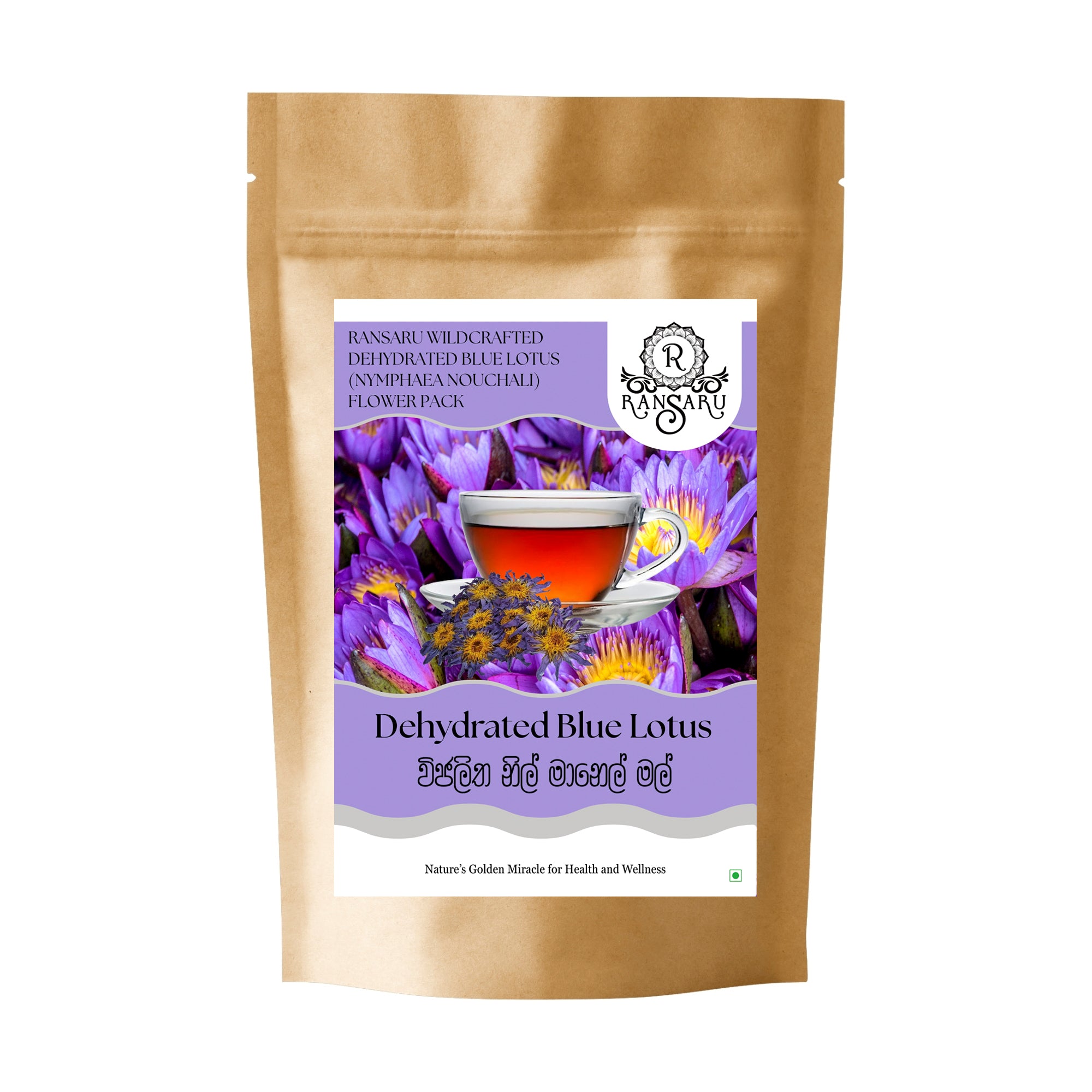
Sri Lanka is home to several Nymphaea species, of which Nymphaea nouchali — the blue or day-blooming water lily — is perhaps the most celebrated. Nymphaea nouchali holds the status of national flower in neighbouring countries and is equally prominent in Sri Lanka's cultural landscape. The two species share habitat and family but differ in flower colour, leaf morphology, and the texture of their surface hairs.
Nymphaea pubescens tends to produce larger flowers with a more pronounced fragrance than Nymphaea nouchali, and its affinity for nutrient-rich, somewhat turbid water allows it to persist in more disturbed environments. Both species are gathered in small quantities for traditional and ceremonial purposes, and both benefit from the same broad wetland conservation measures.