Galle Port sits on the southwestern tip of Sri Lanka, where the Indian Ocean has been shaping commerce, culture, and conquest for well over two thousand years. Long before European ships appeared on the horizon, Arab, Persian, Chinese, and Indian traders called here to exchange spices, gems, and textiles. That layered history is still legible today — in the cannon-studded ramparts of the fort that guards the harbour, in the Dutch-era warehouses turned boutique hotels, and in the fishing outriggers that leave before dawn alongside container vessels bound for distant ports.
What is the history of Galle Port?
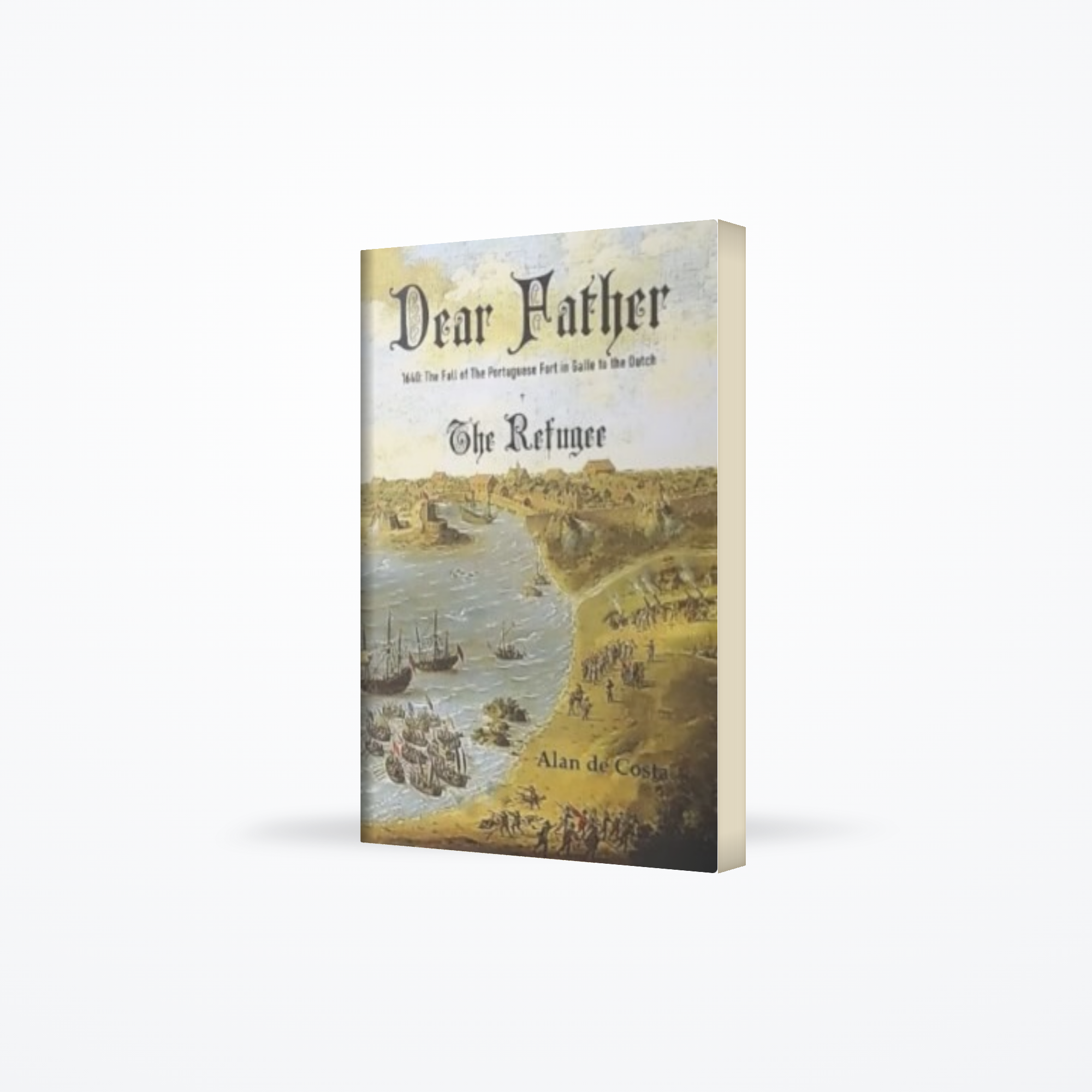
Ancient chronicles and Chinese navigator Zheng He's logs both confirm Galle as a significant harbour stop from at least the 14th century. The Portuguese arrived in the early 16th century and established a fortified presence, though it was the Dutch East India Company (VOC) that transformed the port into a formidable colonial outpost. Between 1663 and 1729 the Dutch demolished the original Portuguese earthworks and constructed the Galle Fort — a 36-hectare walled city whose ramparts enclosed warehouses, a church, a hospital, and administrative buildings. The fort's primary function was to protect the port and its lucrative trade in Ceylon black pepper, cinnamon, and other spices that commanded extraordinary prices in European markets.
The British took control in 1796 and continued using Galle as their principal Sri Lankan port until Colombo harbour was deepened in the late 19th century. After that shift, Galle receded from the front line of global trade but retained a quiet commercial life and an incomparably well-preserved colonial streetscape. In 1988 the fort was inscribed as a UNESCO World Heritage Site, cementing its international significance.
What can you see and do at Galle Port today?
The working harbour and the World Heritage fort sit almost within arm's reach of each other, which makes Galle unusually compact for a port city with this depth of history. A morning can move seamlessly from watching fishing boats unload their catch at the fish market to walking the 400-year-old ramparts above the sea.
- Galle Fort ramparts: The outer walls stretch for roughly 1.5 km. Walking the full circuit at dusk, with the lighthouse to one side and the Indian Ocean on three others, is one of the south coast's quietly memorable experiences.
- Galle Lighthouse: First lit in 1848 and rebuilt in 1939, this is the oldest functioning lighthouse in Sri Lanka. It marks the southern tip of the fort and is a natural focal point for photography.
- Dutch Reformed Church: Built in 1755, the church retains original VOC-era tombstones set into its floor — a tangible record of the Dutch families who lived and died here.
- Maritime Museum: Housed inside the fort, the museum documents Galle's role in Indian Ocean trade with charts, navigation instruments, and recovered artefacts.
- Fish market and harbour front: The commercial side of the port — cargo operations, fishing fleet maintenance, and occasional cruise-ship calls — is visible from the public waterfront north of the fort.
- Boutiques and studios: The fort's residential streets hold jewellery workshops, gem traders, independent cafes, and galleries occupying restored Dutch buildings.
Visitors combining the port area with a broader south-coast itinerary often add a half-day at Madu River Safari, roughly 20 km north, where the mangrove estuary offers an entirely different perspective on the coastal landscape.
When is the best time to visit Galle Port?
The southwestern coast follows Sri Lanka's inter-monsoon calendar. December through April is the driest and calmest period — ideal for walking the fort walls, watching cruise ships anchor offshore, and taking boat trips in the harbour. May to July brings the southwest monsoon with heavy swells that make the sea dramatic to watch from the ramparts but unsuitable for watersports. August to November is transitional, with intermittent rain but far fewer tourists and noticeably lower accommodation rates.
Cruise season overlaps with the dry months. Between roughly October and April, vessels from major lines make Galle a port of call, and the fort area fills with day visitors from mid-morning until early afternoon. Arriving at the fort before 9 am or after 3 pm gives a calmer experience on busy cruise days.
How do I get to Galle Port from Colombo?
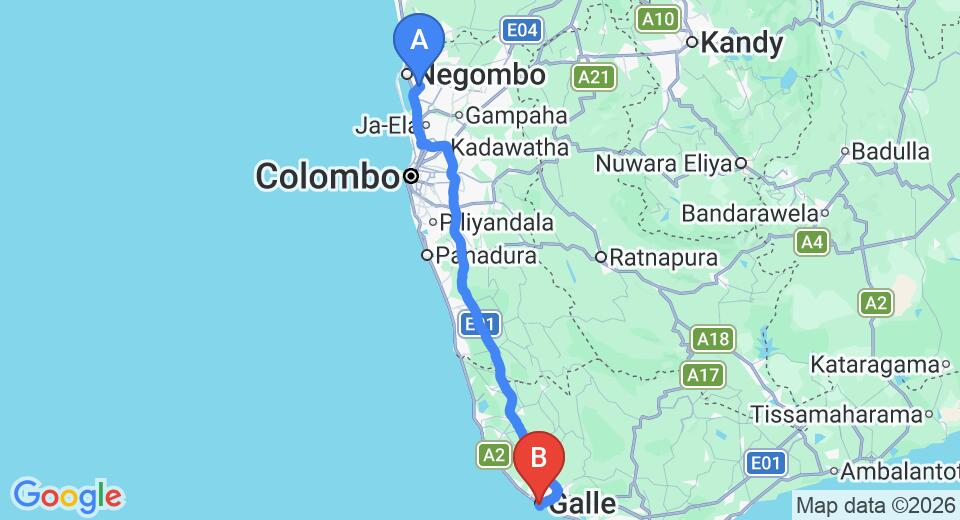
Galle is approximately 120 km south of Colombo along the Southern Expressway (E01). By private vehicle the journey typically takes around 90 minutes in normal traffic conditions, making it a comfortable day trip or the first stop on a longer south-coast circuit. The intercity express train from Colombo Fort station to Galle follows the coastal rail line and takes roughly two to two-and-a-half hours; the ocean views between Colombo and Aluthgama are among the most scenic rail stretches in the country. Local buses connect Colombo and Galle frequently throughout the day.
From the Galle railway station it is a short three-minute walk or a brief tuk-tuk ride to the main gate of the fort and the harbour area.
What role does Galle Port play in modern Sri Lanka?
Beyond tourism, Galle remains a working commercial port, handling inbound cargo, a significant fishing fleet, and periodic naval operations. The Sri Lanka Ports Authority manages the facility, and container and dry-bulk operations continue alongside the cruise terminal. The fishing industry centred here supplies fresh catch to markets across the Southern Province — early mornings at the harbour are dominated not by visitors but by the practical rhythms of a coastal economy that predates every colonial presence by centuries.
Cruise tourism has grown meaningfully over the past decade. Ships anchoring off Galle tender passengers ashore, many of whom take organised excursions to the fort, to nearby Koggala Sea Turtle Conservation Project, or inland toward the hill country. The port's charm for cruise lines is precisely its compactness — meaningful historical content within a short walking distance of the landing point.
What else is near Galle Port?
The fort and harbour are the obvious anchors, but the wider Galle district rewards slower exploration.
- Unawatuna beach: Around 5 km east, a sheltered bay popular for swimming during the dry season.
- Jungle Beach: A quieter cove accessible by a short trail from Unawatuna.
- Koggala Lake: A large lagoon about 10 km east, navigable by boat and fringed with cinnamon plantations.
- Rumassala: A forested headland adjacent to Unawatuna, with coral reef snorkelling on its seaward side.
- Hikkaduwa: Around 18 km north, known for its reef marine sanctuary and the Hikkaduwa Turtle Hatchery.
For visitors exploring the broader southern coast, Lakpura's Galle City Tour is a practical way to cover the fort, the port waterfront, and nearby highlights with an informed guide.
Practical information for visiting Galle Port
| Detail | Information |
|---|---|
| Fort entry fee | Free (the fort is an open, inhabited town) |
| Best months | December – April |
| Distance from Colombo | Around 120 km via Southern Expressway |
| Nearest airport | Koggala (domestic, ~10 km east); Bandaranaike International (~145 km north) |
| Language | Sinhala; English widely spoken in tourism areas |
| Currency | Sri Lankan Rupee (LKR); USD accepted at many fort businesses |
Nearby places
14 places within about 25 km, nearest first.
- Barbarin Lighthouseunder 1 km
- Church Streetunder 1 km
- Galle Clock Towerunder 1 km
- Galle Fort Entranceunder 1 km
- St Joseph's Chapelunder 1 km
- The Old Dutch Government Houseunder 1 km
- All Saints' Church Galle Fortunder 1 km
- Meeran Mosqueunder 1 km
- Old Dutch Hospital Galle Fortunder 1 km
- Shipwreck Divingunder 1 km
- Sun Bastionunder 1 km
- Habaraduwa Railway Stationunder 1 km
- Underwater Museumunder 1 km
- Sea Turtle Farm in Mahamodara1 km
Related reading
1 pages on closely related subjects.