Lakpura
Lakpura®

Delft Island

Delft Island — known in Tamil as Neduntheevu or Nedunthivu — sits in the Palk Strait off the northern coast of Sri Lanka, roughly 35 km from Jaffna. It is the only island in the area named on Admiralty Charts using a European toponym rather than its Tamil name, a legacy of Dutch colonial administrator Rijckloff van Goens, who named eight significant islands after Dutch cities. Flat, oval-shaped, and measuring around 50 km² in area, Delft is unlike anywhere else in Sri Lanka: a quiet world of coralline soil, palmyra palms, and a small Tamil community living much as it has for generations.

What makes Delft Island different from other Sri Lankan islands?

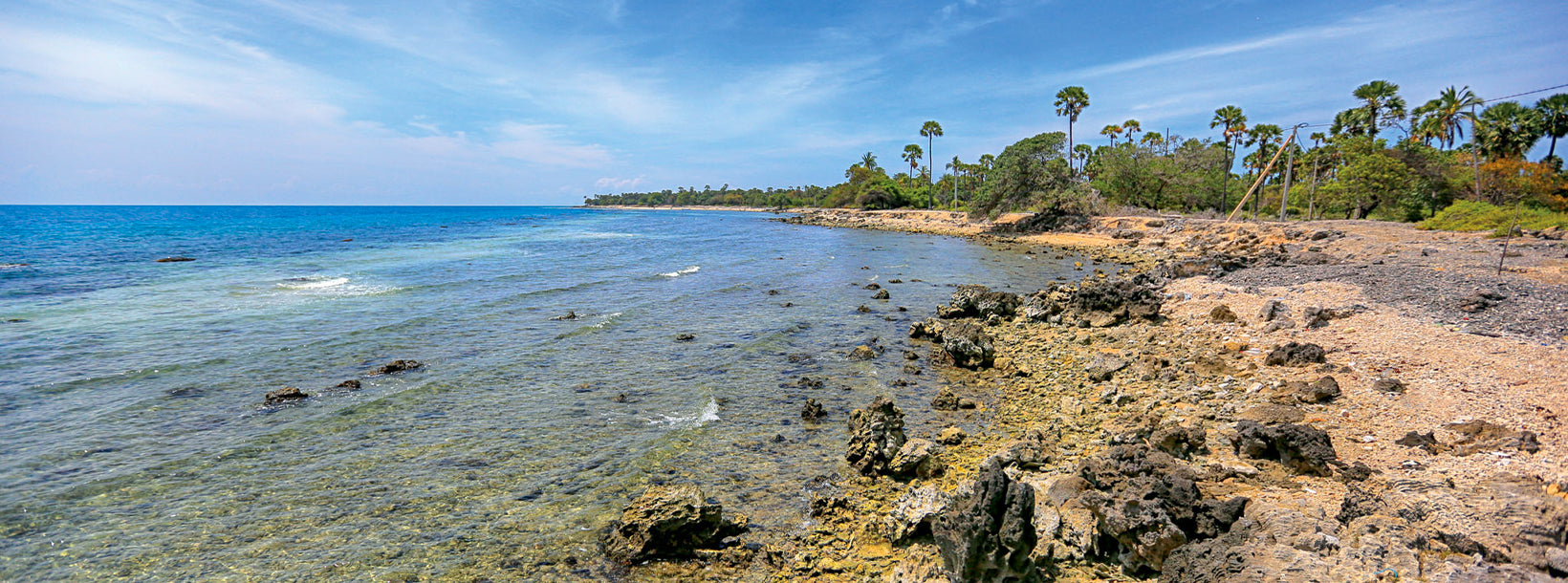
Most visitors to Sri Lanka's islands picture palm-lined beaches and turquoise lagoons. Delft offers something quieter and stranger. The island's pale grey porous soil supports a semi-arid landscape of dry scrub, grasses, and palmyra palms rather than the lush greenery found further south. Shallow waters and beaches of crushed coral and sand ring the coast. The island's small population of Tamil families tend gardens of papaya and banana close to their homes, drawing water from shallow wells using traditional palmyra-leaf buckets.

What sets Delft apart most visibly is its herd of feral ponies — descendants of horses left behind during the Dutch colonial period. They roam freely across the scrubland and along the shore, and sighting them has become one of the defining experiences of any visit to the island.

What can you see and do on Delft Island?

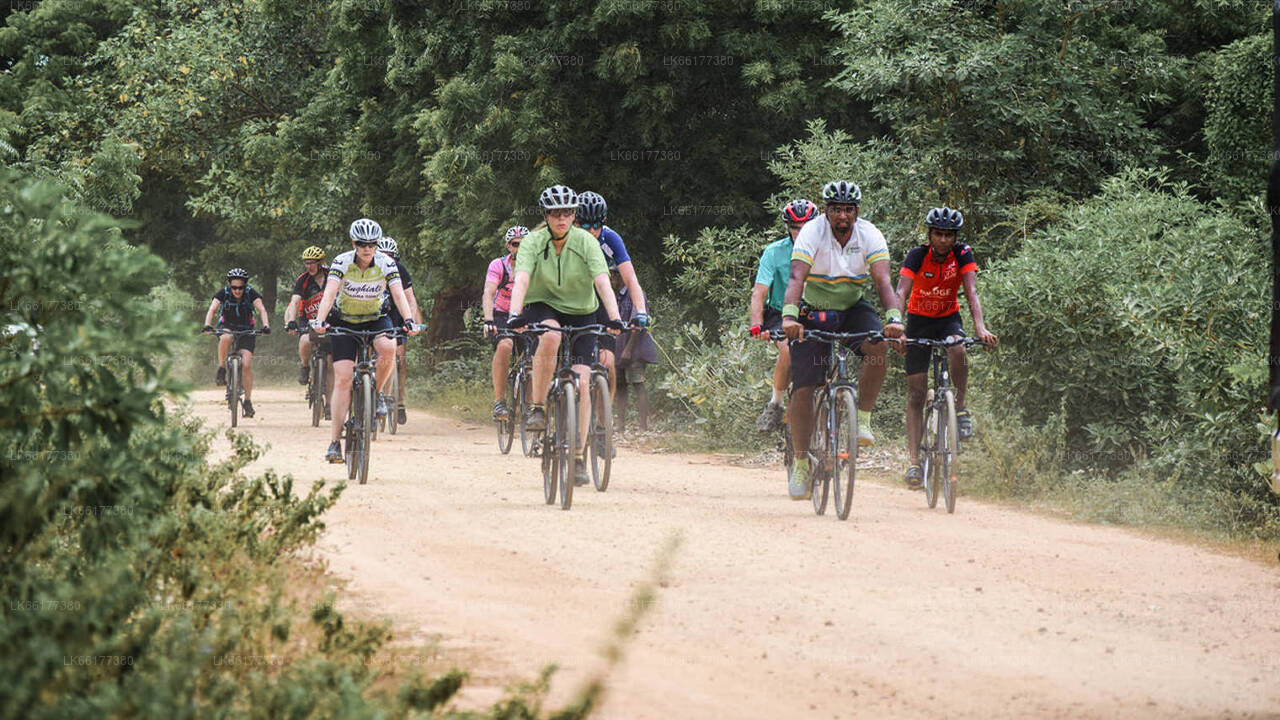
For a relatively small island, Delft holds a remarkable concentration of historical and natural curiosities. The main sites are spread across the island and are best explored on foot, by bicycle, or by tuk-tuk arranged on arrival.

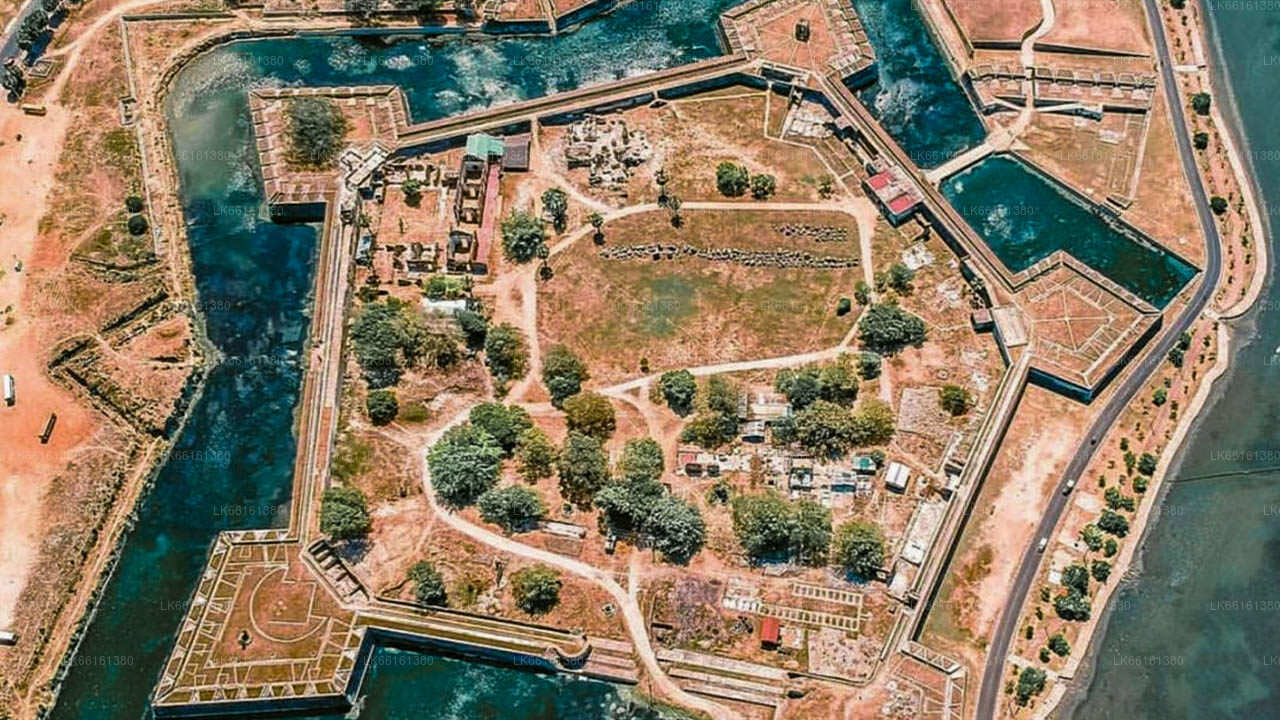
  • Dutch Fort ruins: On the western coast stand the remains of a fort built during the Dutch colonial era. The coral-stone walls are partially intact and give a tangible sense of the island's strategic importance in the 17th and 18th centuries.
  • Chola-era temple: Also on the western coast, the remains of a temple believed to be around 1,000 years old are attributed to the Chola Dynasty, pointing to the island's deep historical roots in the Tamil cultural sphere.
  • Baobab tree: A large baobab — a tree native to Africa — grows on the island, believed to have been planted by Arab traders who passed through the region centuries ago. Its extraordinary girth makes it an unmistakable landmark.
  • Banyan tree: An ancient banyan spreads its aerial roots across a wide area near the settlement, offering shade and a photogenic subject for visitors.
  • Queen's Tower: A Dutch-built lighthouse tower that once guided ships through the shallow surrounding waters. It still stands and can be viewed from outside.
  • The Giant Footprint: A rock formation bearing a large indentation said locally to be a divine footprint — one of several such sites across the island that carry religious significance for the local community.
  • Growing Stone: A flat stone that, according to local belief, continues to grow slowly over time. Whether geological curiosity or local legend, it draws a steady stream of curious visitors.
  • Pigeon Cote and Old Dutch Hospital: Further remnants of Dutch-era infrastructure — including what is identified as an old hospital building and a pigeon cote used for colonial communications — can be found in varying states of preservation around the island.
  • Feral horse stables: Near the old Dutch-era stables, you are most likely to encounter the island's famous feral ponies in the early morning or late afternoon.

When is the best time to visit Delft Island?

The northern peninsula, including Delft, is best visited between mid-January and late April, when the weather is dry and the sea crossing from the mainland is calm. The southwest monsoon (roughly May to September) can bring rough conditions to the Palk Strait, occasionally disrupting ferry services. The northeast monsoon (October to January) brings rain to the north, though travel is generally still possible outside storm periods.

Early morning arrivals are worthwhile: the light is softer, temperatures are cooler, and the feral ponies tend to be more active before midday heat sets in.

How do you get to Delft Island from Jaffna?

The standard route is by ferry from Kurikadduwan Jetty, located on the Jaffna Peninsula. The crossing takes around one hour each way. A government-operated ferry runs on a schedule that typically allows a day trip — departing in the morning and returning in the afternoon — though timings are subject to change and weather conditions.

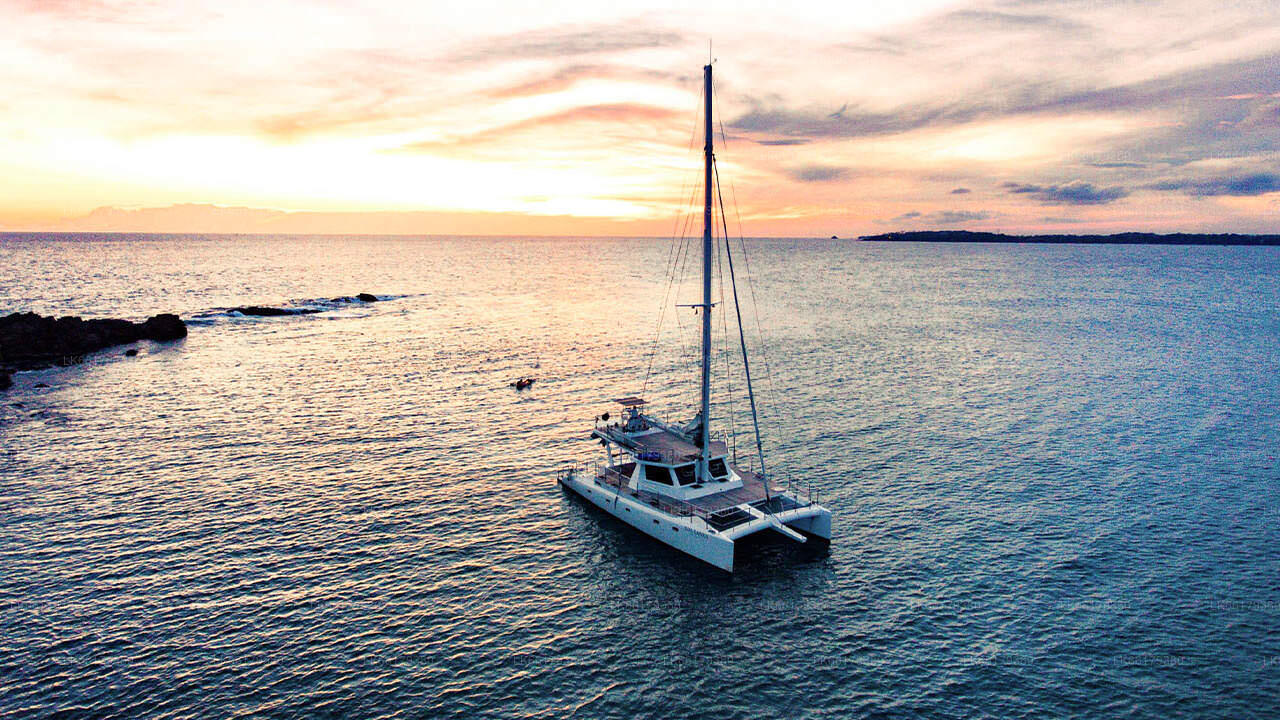
For a more private or flexible experience, speedboats and yacht charters can be arranged from Jaffna, significantly cutting transit time and allowing you to set your own itinerary. Lakpura can organise both ferry tickets and private boat transfers depending on your preference and group size.

Route Approximate Duration Notes
Kurikadduwan Jetty ferry ~1 hour each way Government-run; schedule-dependent
Private speedboat from Jaffna ~45 minutes each way Flexible departure; arranged in advance
Yacht charter Variable Multi-site itineraries possible

Is Delft Island suitable for a day trip or should you stay overnight?

Most visitors do Delft as a day trip from Jaffna, and this is entirely feasible — the island's main sights can be covered in three to five hours. Formal accommodation on Delft is extremely limited, and the island has few tourist facilities, so overnight stays require careful planning and are generally only for travellers seeking a genuinely off-grid experience.

A combined day trip pairing Delft with nearby Nainativu Island is a popular option, as both sites are accessible by boat from the northern peninsula and offer contrasting experiences — Nainativu is home to two important religious shrines, one Hindu and one Buddhist.

What is the history behind Delft Island's name?

The Dutch East India Company established a significant presence in northern Sri Lanka during the 17th century. Rijckloff van Goens, a senior VOC official and later Governor-General of Dutch India, named eight of the region's key islands after cities in the Netherlands. Delft — the Dutch city known for its ceramics and as the birthplace of painter Johannes Vermeer — gave its name to Neduntheevu, and the designation has persisted on nautical charts ever since. The Tamil name Neduntheevu, meaning roughly "long island" in the Jaffna dialect, remains in everyday use among the local population.

What should visitors know before travelling to Delft Island?

Delft is a quiet, largely undeveloped island with limited facilities. There are no ATMs, few shops, and no large restaurants — visitors should carry cash, food, and water for the day. The island is accessed through the Jaffna region, which has seen significant infrastructure improvements since the end of Sri Lanka's civil war in 2009, though some roads in the north remain in varying condition.

Respect for the local Tamil community and its religious sites is important. Several of the historical monuments are in a fragile state of preservation; visitors are asked not to climb on or disturb the ruins. The feral ponies are wild animals and should be observed from a distance rather than approached closely.

Book this experience with Lakpura

Curated by our local team. Direct booking, instant confirmation.

Ask Lakpura® Agent