Lakpura
Lakpura®

Marawila

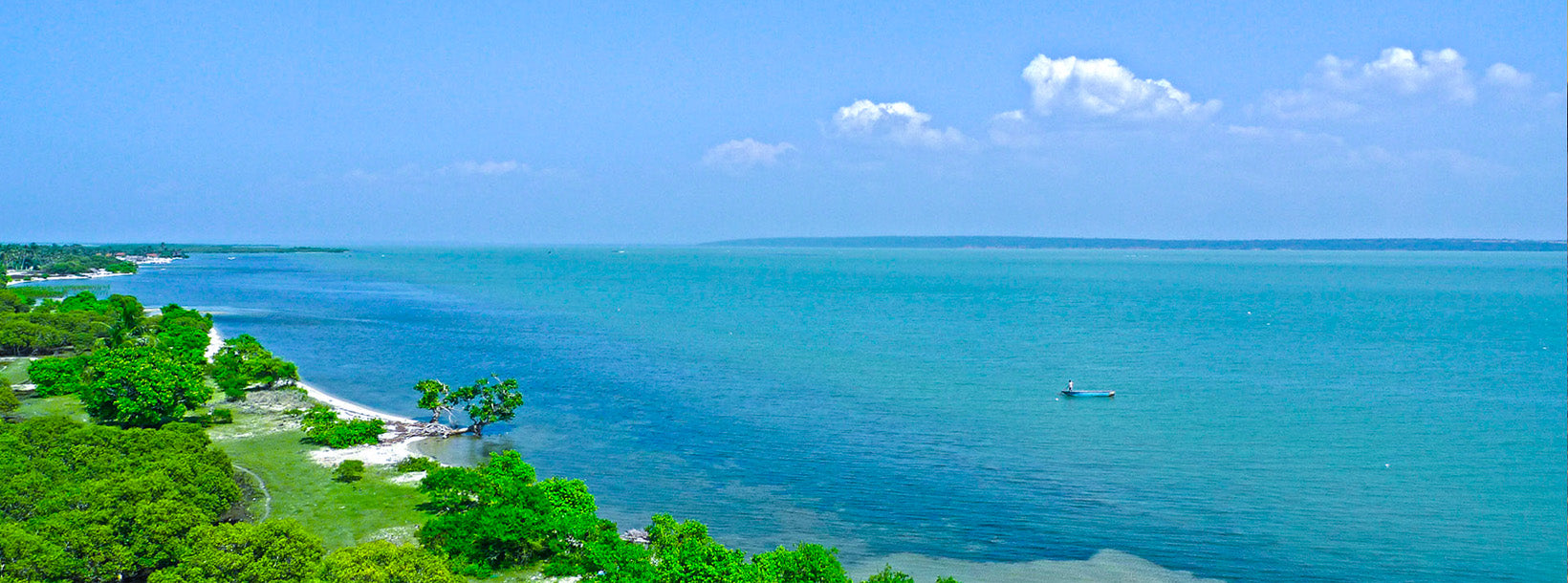
Marawila sits quietly on Sri Lanka's west coast, roughly 67 kilometres north of Colombo and midway between Negombo and Chilaw. It is not a resort town engineered for mass tourism. It is a working fishing settlement where wide, pale-sand beaches meet palm-fringed jungle, and where the rhythm of daily life — nets spread across the shore, outrigger boats riding back through the surf at dawn — is the main attraction for visitors willing to slow down.

What makes Marawila worth visiting?

The beach itself is the centrepiece: broad, gently shelving, and relatively uncrowded compared with the busier stretches further south. The sea here is calm enough for swimming during the main tourist season (roughly November through April), and the flat shoreline suits long morning or evening walks.

Inland, a belt of dense scrub and coconut groves provides habitat for migrant birds, making Marawila quietly popular with birders who come to spot rare seasonal visitors. The coconut palm dominates the landscape so thoroughly that the village and its surroundings feel perpetually shaded, even at midday.

For travellers who have already ticked the major cultural sites and simply want a few days of genuine coastal Sri Lanka, Marawila delivers an atmosphere that is harder to find in better-known beach towns.

What is the Portuguese and Catholic heritage of Marawila?

The Portuguese arrived on Sri Lanka's west coast in the sixteenth century, and their influence is still visible in Marawila and the surrounding coastal belt. A string of large Catholic churches lines the road between Negombo and Marawila, serving a community whose surnames, festivals, and architectural traditions all carry traces of that colonial-era conversion.

The churches themselves are worth a brief stop — they tend to be well-maintained, often whitewashed, and set against backdrops of palms and fishing hamlets that make them genuinely photogenic. Mass is still held regularly, and visiting during a local feast day offers a rare glimpse into how Portuguese Catholic customs have been absorbed into Sri Lankan coastal culture over four centuries.

The nearby Iranawila Rajamaha Viharaya offers a different cultural register — a Buddhist temple a short distance up the coast — reflecting the mixed religious identity of this stretch of the Puttalam District.

What can you see and do in Marawila?

  • Watch the fishing fleet: Wooden outrigger boats leave in the evening and return through the surf in the early morning. Standing on the beach at either end of that cycle is one of the most authentic experiences the west coast offers.
  • Net-mending on the shore: Fishermen spend much of the day repairing and preparing their gear. The activity happens openly on the beach, and most fishermen are accustomed to curious visitors.
  • Bird-watching: The coastal scrub and wetland pockets around Marawila attract migratory species, particularly between October and March. Early morning visits are most productive.
  • Church visits: The Portuguese-era Catholic churches along the main coastal road reward a slow drive or bicycle ride north toward Iranawila.
  • Beach walking and swimming: The beach is long enough for a serious walk. Swimming conditions are generally good between November and April; exercise caution during the south-west monsoon months (May–October).

How do I get to Marawila from Colombo?

Marawila is around 67 kilometres north of Colombo along the A3 coastal highway. By private car or taxi the drive typically takes between 75 minutes and two hours depending on traffic, which can be slow through Negombo. The most comfortable option is a private transfer booked in advance — particularly useful if you are arriving directly from Bandaranaike International Airport, which lies closer to Marawila than Colombo city does (roughly 30–35 kilometres away).

Public buses run regularly along the coastal road between Negombo and Chilaw, stopping in Marawila, but services can be crowded and luggage-unfriendly. For first-time visitors with any quantity of bags, a private transfer is the practical choice.

When is the best time to visit Marawila?

The west coast's dry season runs from approximately November through April, when winds are light, the sea is calm, and sunshine is reliable. This is the peak period for beach activities, and Marawila's small hotel strip sees its highest occupancy during these months.

From May through October the south-west monsoon brings heavy rainfall and rougher seas to the west coast. Swimming is inadvisable during the worst of the monsoon, though the landscape becomes intensely green and the village is exceptionally quiet. Accommodation rates drop considerably in the off-season, which suits travellers who want solitude over guaranteed sunshine.

Where to stay in Marawila?

Marawila's accommodation is dominated by small beach hotels and self-contained bungalows rather than large resort complexes. Properties cluster along the shoreline and typically offer direct beach access, which is the primary reason to choose them over staying in Negombo. Standards vary considerably, so it is worth reading recent guest feedback before booking. The town is compact enough that most properties are within easy walking distance of the beach and the main fishing area.

What day trips are possible from Marawila?

Marawila's location on the north-west coast places it within reasonable driving distance of several worthwhile attractions:

  • Negombo (around 20–25 km south) — a larger coastal town with a well-known fish market, a Dutch-era fort, and a wider choice of restaurants. The Dutch Fort Negombo is a short stop worth combining with the fish market.
  • Wilpattu National Park (roughly 80–90 km north) — Sri Lanka's largest national park, known for its leopards and sloth bears. Wilpattu is a full-day excursion from Marawila and best arranged with a guide.
  • Madu Ganga wetlands (south, toward Balapitiya) — a mangrove river ecosystem popular for boat safaris. The Madu River Safari can be built into a longer coastal road trip.
  • Colombo city — about 90 minutes to two hours south; viable as a day trip for travellers who want urban contrast without relocating their base.

Is Marawila suitable for families with children?

The beach's gentle gradient and wide, open sands make it a practical choice for families. The relatively low density of beach vendors and motorised water sports means the beach is quieter than more commercialised strips. During the dry season, calm surf is generally manageable for children who are confident swimmers, though parents should always assess conditions on the day. Fishermen and their boats provide natural interest for younger visitors, and several small hotels are set up with family rooms and outdoor dining.

Book this experience with Lakpura

Curated by our local team. Direct booking, instant confirmation.

Ask Lakpura® Agent