O okrese Colombo
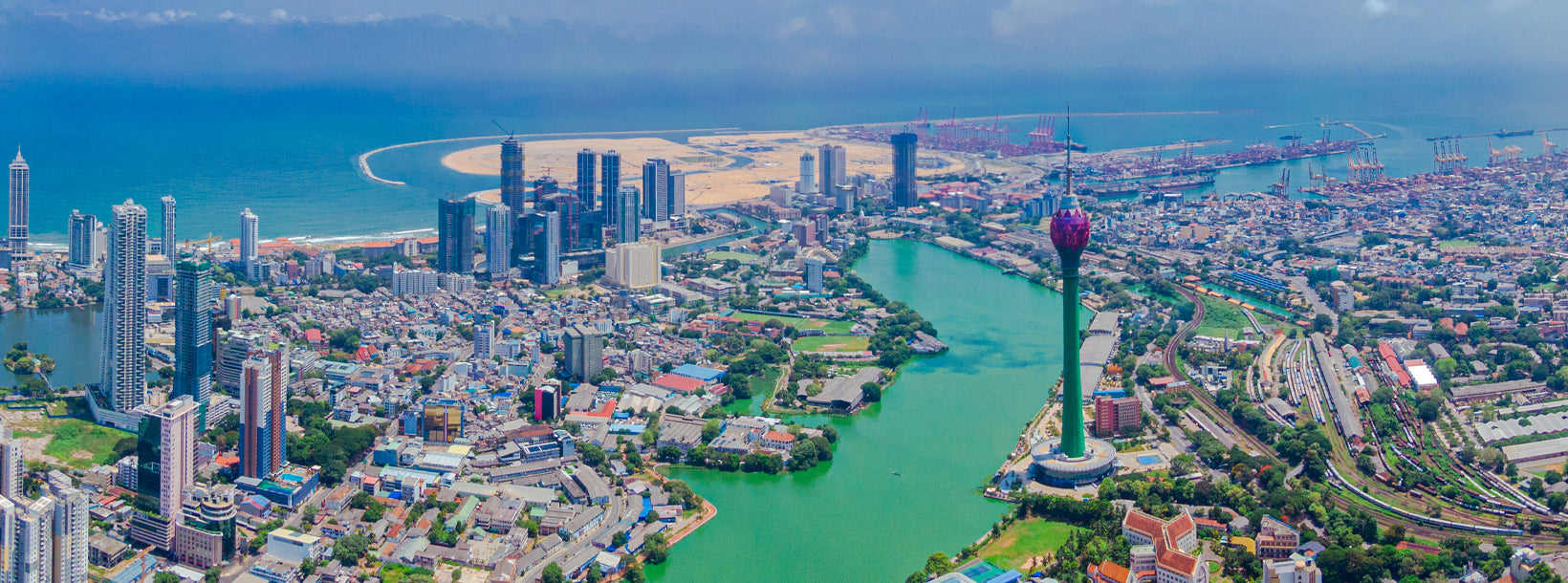
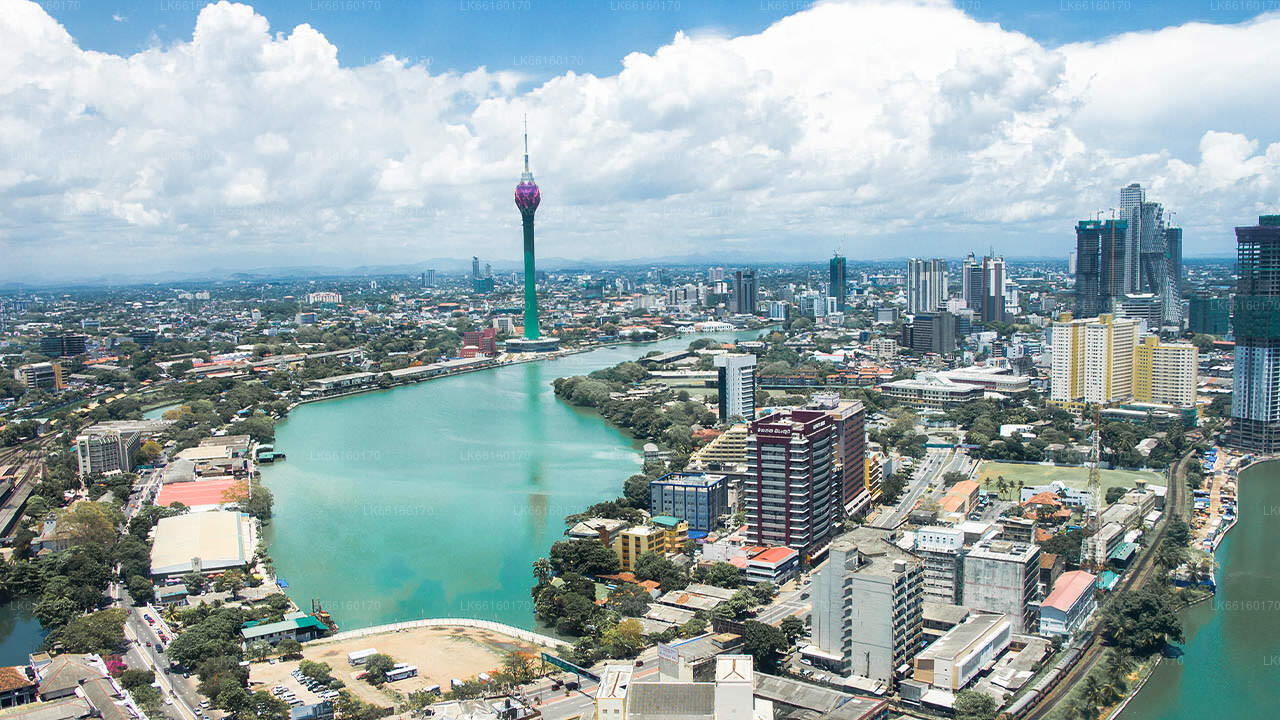
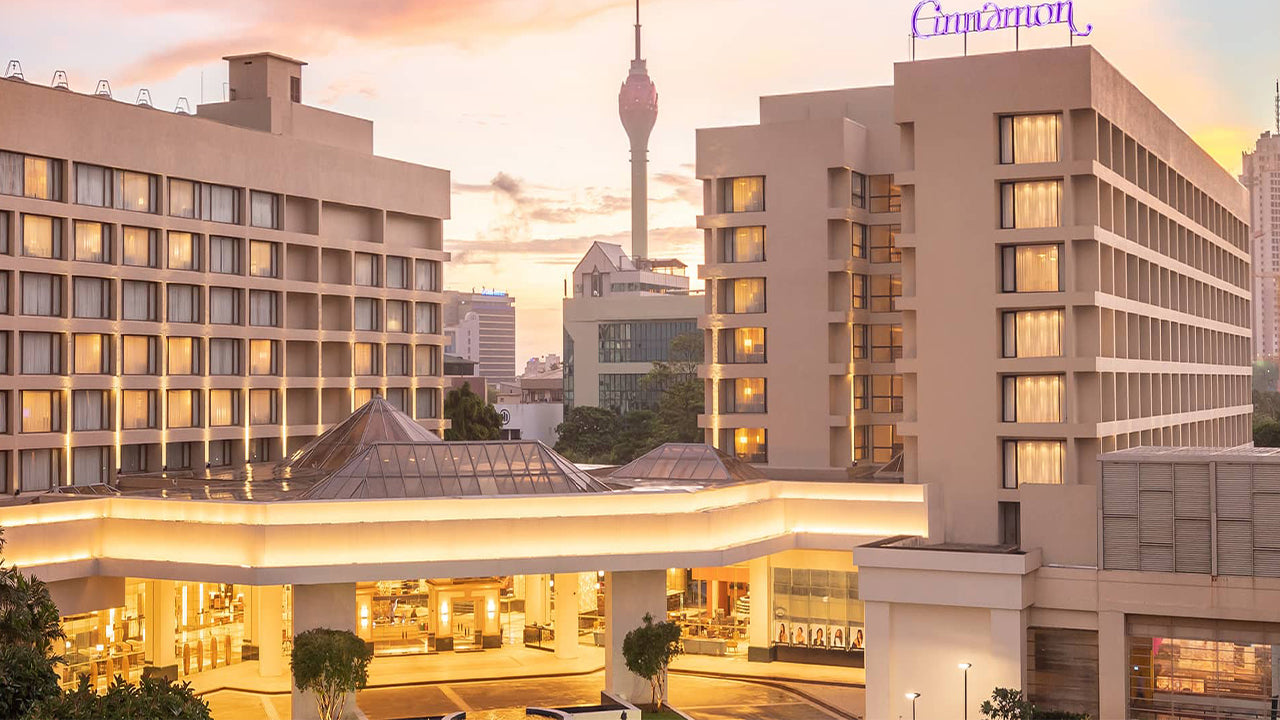
Colombo je největší město a obchodní centrum Srí Lanky. Nachází se na západním pobřeží ostrova a sousedí se Sri Jayewardenepura Kotte, hlavním městem Srí Lanky. Colombo je rušné a živé město se směsicí moderního života, koloniálních budov a ruin a má 647 100 obyvatel. Metropolitní region Colombo, definovaný okresy Colombo, Gampaha a Kalutara, má odhadovanou populaci 5 648 000 a rozkládá se na ploše 3 694,20 km².
Colombo je multietnické a multikulturní město. Je to nejlidnatější město na Srí Lance, v jehož hranicích žije 642 163 lidí. Počet obyvatel Colomba je směsicí mnoha etnických skupin, zejména Sinhálců, Maurů a Tamilů. Ve městě žijí také malé komunity lidí čínského, portugalského, nizozemského, malajského a indického původu a také četní evropští emigranti.
Velká většina srílanských korporací má svá sídla v Kolombu. Mezi průmyslová odvětví patří chemický, textilní, sklářský, cementářský, kožený, nábytkářský a šperkový průmysl. V centru města se nachází druhá nejvyšší budova v jižní Asii - Světové obchodní centrum.
O Západní provincii
Západní provincie je nejhustěji osídlenou provincií Srí Lanky. Nachází se zde hlavní město zákonodárného sboru Srí Džajavardanapura Kotte a také Kolombo, administrativní a obchodní centrum země. Západní provincie se dělí na 3 hlavní okresy s názvem Kolombo (642 km²), Gampaha (1 386,6 km²) a Kalutara (1 606 km²). Jako ekonomické centrum Srí Lanky mají ve městě své zastoupení všechny hlavní místní i mezinárodní korporace a také všichni hlavní designoví a maloobchodní prodejci, takže se připravte na trochu nákupní terapie v Západní provincii.
Vzhledem k nejvyšší populaci ze všech provincií se v Západní provincii nacházejí téměř všechny přední vzdělávací instituce na ostrově. Mezi univerzity v provincii patří Univerzita v Colombu, Univerzita Sri Jayewardenepura, Univerzita v Kelaniya, Otevřená univerzita na Srí Lance, Buddhistická a pálijská univerzita na Srí Lance, Univerzita obrany generála sira Johna Kotelawaly a Univerzita v Moratuwě. Západní provincie má největší počet škol v zemi, včetně národních, provinčních, soukromých a mezinárodních škol.
O okrese Colombo
Kolombo je největší město a obchodní centrum Srí Lanky. Nachází se na západním pobřeží ostrova a sousedí se Srí Džajavardanepura Kotte, hlavním městem Srí Lanky. Kolombo je rušné a živé město se směsicí moderního života, koloniálních budov a ruin a má 647 100 obyvatel. Metropolitní region Kolombo, vymezený okresy Kolombo, Gampaha a Kalutara, má odhadovanou populaci 5 648 000 a rozkládá se na ploše 3 694,20 km². Kolombo je multietnické a multikulturní město. Je to nejlidnatější město na Srí Lance, v jehož městských hranicích žije 642 163 lidí. Počet obyvatel Kolomba je směsicí mnoha etnických skupin, zejména Sinhálců, Maurů a Tamilů. Ve městě žijí také malé komunity lidí čínského, portugalského, nizozemského, malajského a indického původu, stejně jako četní evropští emigranti. Velká většina srílanských společností má svá ústředí v Kolombu. Mezi průmyslová odvětví patří chemický, textilní, sklářský, cementářský, kožený, nábytkářský a šperkovský průmysl. V centru města se nachází druhá nejvyšší budova v jižní Asii - Světové obchodní centrum.
O Západní provincii
Západní provincie je nejhustěji osídlenou provincií Srí Lanky. Nachází se zde hlavní město zákonodárného sboru Sri Jayawardenepura Kotte a také Colombo, administrativní a obchodní centrum země. Západní provincie se dělí na 3 hlavní okresy s názvem Colombo (642 km²), Gampaha (1 386,6 km²) a Kalutara (1 606 km²). Město je ekonomickým centrem Srí Lanky a sídlí zde všechny hlavní místní i mezinárodní korporace, stejně jako všichni hlavní designoví a maloobchodní prodejci, takže se připravte na nákupní terapii v západní provincii. Západní provincie má nejvyšší populaci ze všech provincií a téměř všechny přední vzdělávací instituce na ostrově se nacházejí v ní. Mezi univerzity v provincii patří Univerzita v Colombu, Univerzita Sri Jayewardenepura, Univerzita v Kelaniya, Otevřená univerzita na Srí Lance, Buddhistická a pálijská univerzita na Srí Lance, Univerzita obrany generála sira Johna Kotelawaly a Univerzita v Moratuwě. Západní provincie má největší počet škol v zemi, včetně národních, provinčních, soukromých a mezinárodních škol.